

Silver and Glass Bowl
When you search for a silver and glass bowl, you enter a world of Victorian, Edwardian, and Art Deco tablewares that combine metalwork with coloured or clear glass liners.
Silver and Glass Bowl
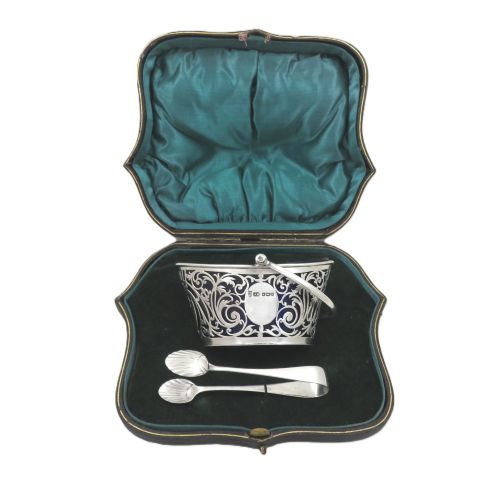
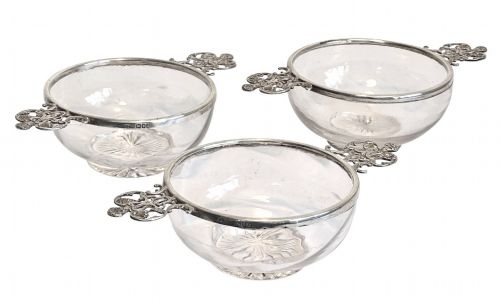
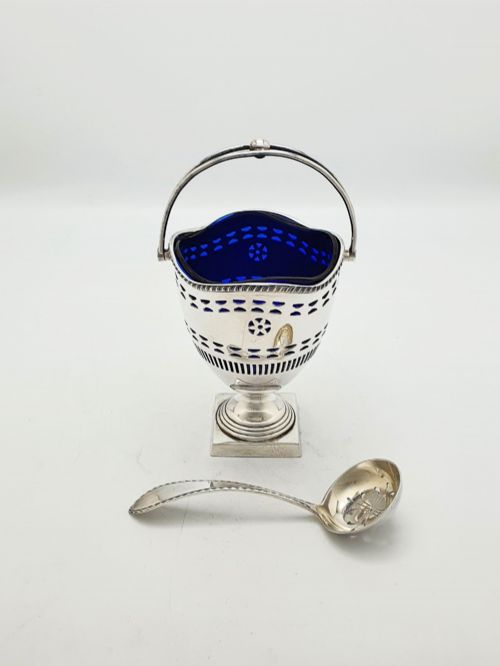
A silver and glass bowl typically unites a sterling silver or silver-plated mount, basket, or stand with a removable glass vessel, serving purposes from sugar baskets and preserve dishes to large table centrepieces. These items span the late nineteenth century through the Edwardian period and into the Art Deco era, reflecting domestic dining habits of those times.
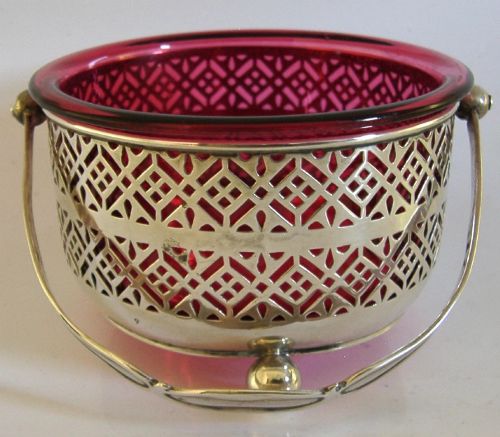
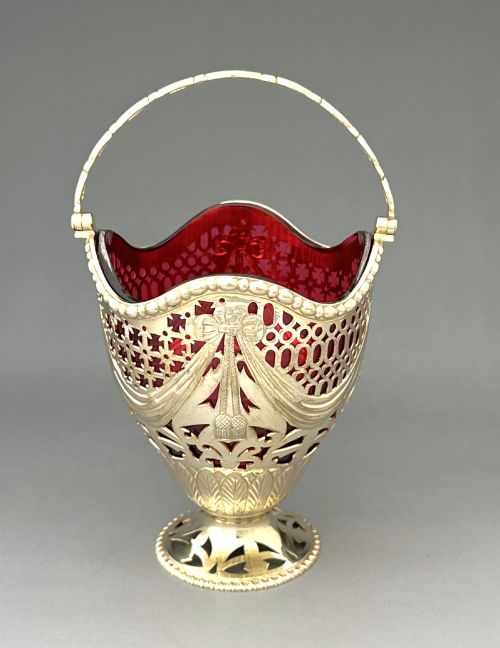
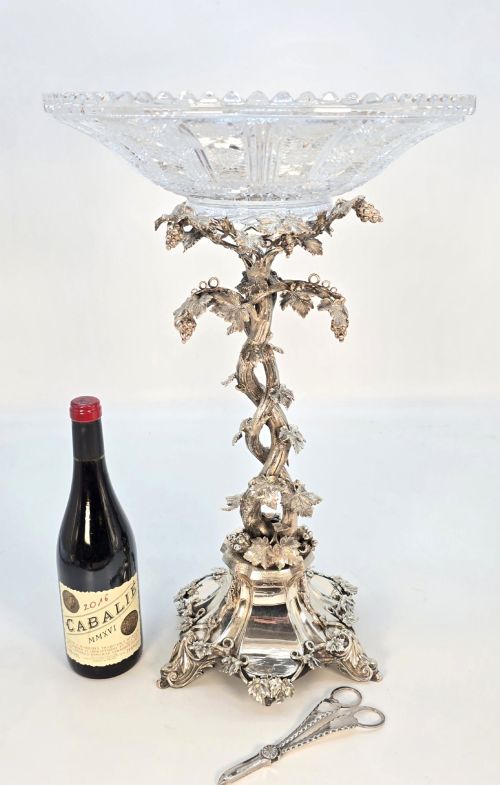
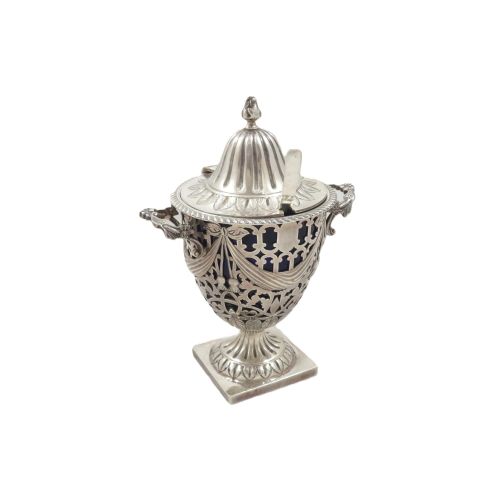
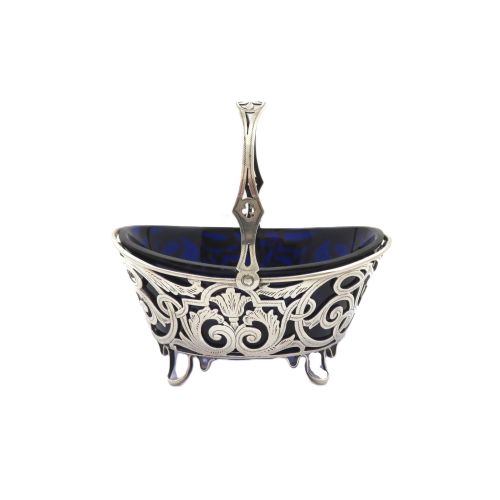
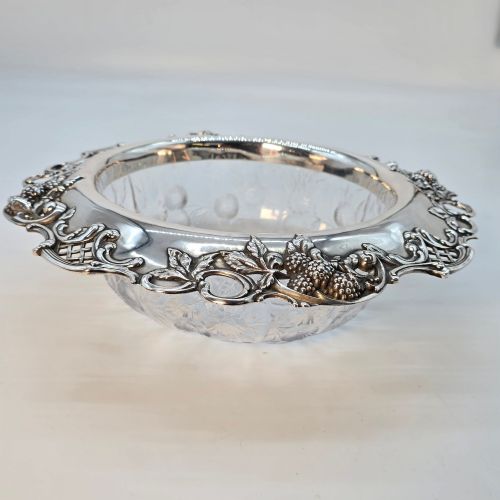
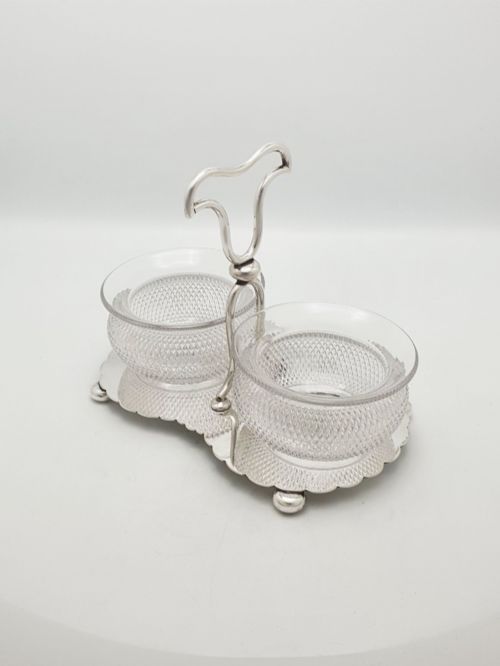
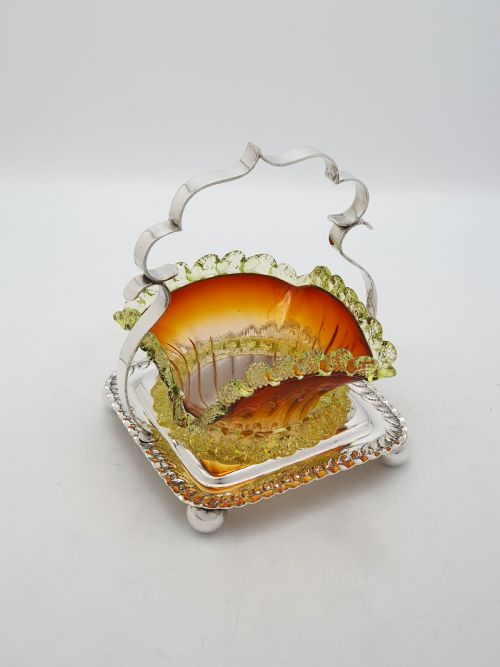
The most common forms found here include Edwardian swing-handled baskets with cranberry or vaseline glass liners, Victorian condiment stands, and pierced silver sugar bowls paired with cobalt or ruby glass. Larger table centrepieces and salad bowls also appear frequently, often complete with original cut glass or etched inserts.
Makers ranged from large British silversmiths to continental firms such as WMF, producing functional vessels that doubled as decorative focal points for the dining table or sideboard.
How They Were Made
Glass liners and bowls were produced using techniques like mould-blowing, deep cutting, and etching, alongside coloured glass recipes that yielded rich tones of cranberry, cobalt, ruby, amber, and green vaseline. Artisans then fitted these glass inserts snugly into their metal mounts, occasionally adding silver rims or flower grills to secure them.
Listings feature Edwardian, Victorian, and Art Deco styles, combining sterling silver or silver plate with cranberry, cobalt, and cut glass.
What Varies in Quality
Quality rests upon the weight and crispness of the metalwork, distinguishing heavy cast silver or substantial silver plate from thinner, pressed alternatives. Pierced designs show superior craftsmanship when the apertures are cleanly cut and hand-finished rather than simply stamped.
The glass component dictates much of the overall value, with deep hand-cut facets, heavy lead crystal, or scarce coloured glass types outperforming standard mould-blown vessels. Complete sets that retain their matching original liners, spoons, or interior grills demonstrate greater integrity.
Aldridge & Green·William Comyns·Walker & Hall·Viners·Mappin & Webb·Elkington & Co·Henri Lapeyre
The Silver and Glass Bowl Glossary
- Cranberry Glass
- A transparent pinkish-red glass coloured by the addition of gold chloride into the molten batch. It appears frequently in Victorian and Edwardian tableware.
- Silver Plate
- A base metal, often copper or Britannia metal, coated with a thin layer of pure silver through electroplating or old Sheffield plating methods. This technique allowed manufacturers to produce elaborate centrepieces at a lower cost than solid silver.
- Vaseline Glass
- A yellowish-green glass containing uranium dioxide, which glows brightly under ultraviolet light. It enjoyed immense popularity during the Art Nouveau and Edwardian periods.
- Épergne
- A large table centrepiece featuring a central dish surrounded by multiple smaller hanging baskets or arms designed for fruit, flowers, or sweetmeats.
- Piercing
- A decorative technique where metal is cut through with a fine saw to create openwork patterns such as lattices, scrollwork, or floral friezes.
Silver and Glass Bowl: Frequently Asked Questions
How were these bowls used?
These pieces served practical dining functions, holding sugar, preserves, butter, or salads on the Victorian and Edwardian table. Many acted as decorative centrepieces or were filled with flowers and fruit for formal meals.
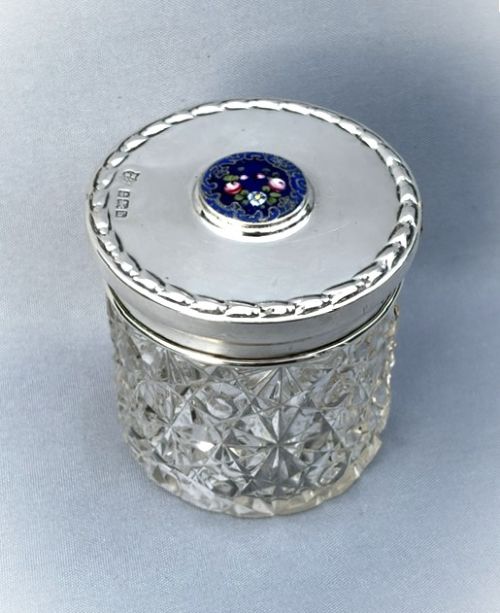
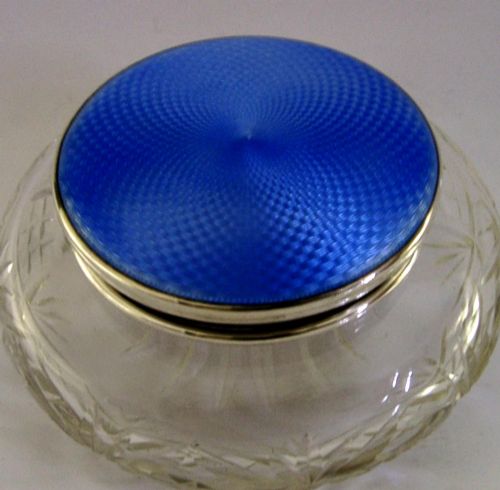
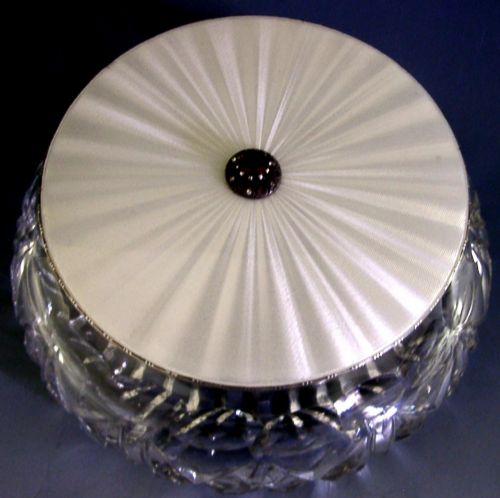
Smaller lidded versions doubled as trinket pots or dressing table accessories for holding powder and pins in the bedroom.
Are the glass liners removable?
Most glass inserts are designed to lift freely out of their metal frames, which facilitated easy cleaning after dining. This construction also allowed the glass and silver components to be washed separately.
Buyers should verify whether a liner fits securely, as replacements are difficult to source due to period-specific hand-blown dimensions.
How do I date a silver mount?
British sterling silver pieces carry hallmarks stamped directly into the metal, indicating the assay office, date letter, and maker's mark. These tiny stamps provide an exact year of manufacture for pieces produced in cities like London, Birmingham, or Sheffield.
Silver-plated items rarely feature date letters, requiring stylistic clues such as aesthetic movement engraving or Art Nouveau curves to determine their approximate age.