





Silver Blue Glass Bowl
A silver blue glass bowl brings together cool coloured glass and gleaming metal for functional tableware.
Silver Blue Glass Bowl
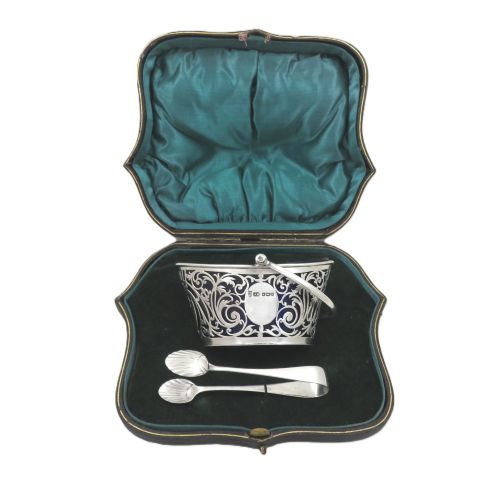
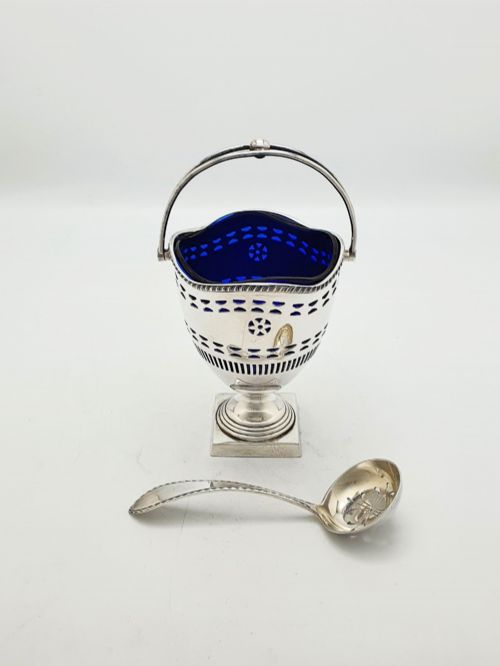
When you search for a silver blue glass bowl, you encounter table vessels designed to hold sugar, salt, bonbons or small vanity items. These pieces combine a transparent or translucent blue glass liner with an outer cage, basket or rim fashioned from silver or silver plate.
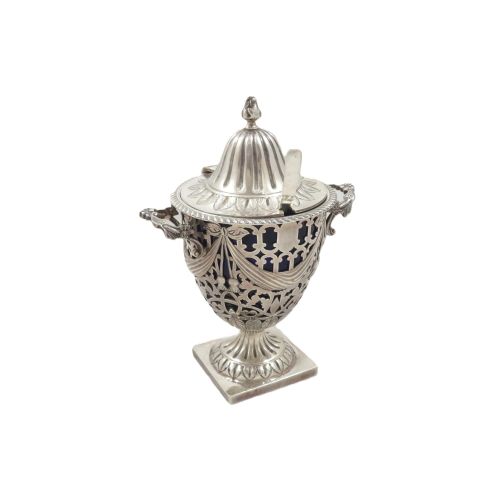
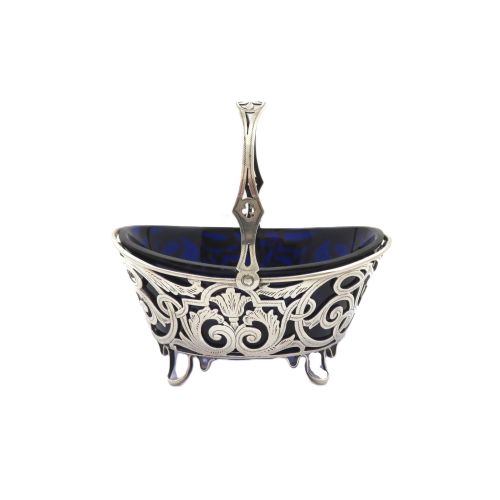
The selections available span multiple eras, with Victorian and Edwardian examples appearing frequently alongside Georgian and Art Deco pieces. Forms range from swing-handled baskets and footed urns to lidded trinket pots and open table bowls.
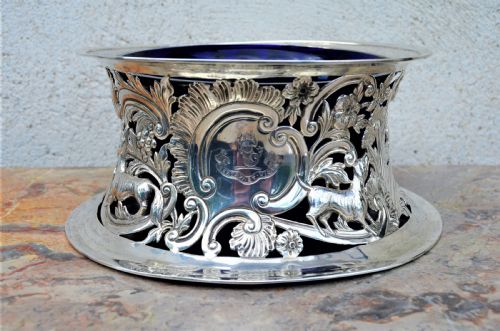
Makers from various European regions contributed to this tradition, producing items ranging from small condiment salts to large German centrepieces and Irish dish rings. Many retain their original coloured glass inserts, though replacement liners also occur in the historical record.
Materials and construction
The foundational elements rely on blown or cut glass coloured in cobalt or lighter blue tones, paired with sterling silver, 800 silver or silver plate. Metalsmiths shaped the silver casings through piercing, casting, hammering and repoussé work to create openwork frames that revealed the coloured glass within.
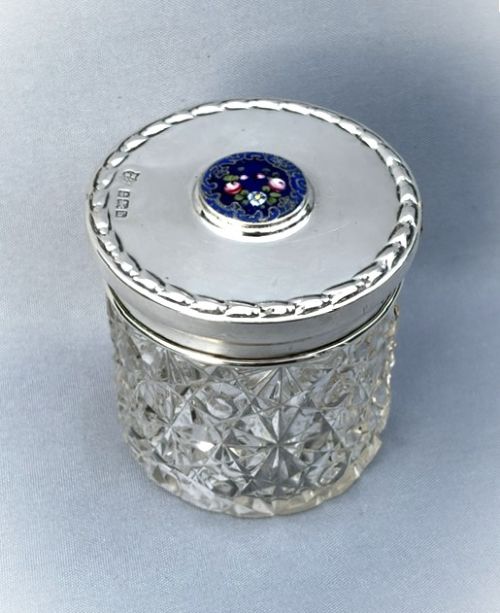
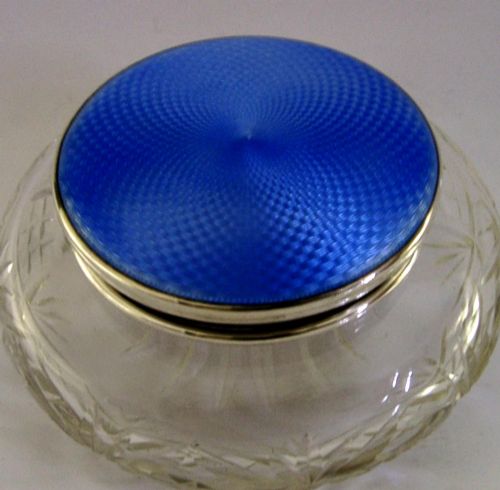
Enamel work frequently appears on lids and mounts, particularly in Art Deco and Edwardian vanity jars and trinket pots. Pierced sugar baskets and cream pails utilise intricate pierced sheet metal to support removable glass liners securely.
Listings feature sterling silver, 800 silver and silver plate paired with cobalt glass across Edwardian, Victorian, Georgian and Art Deco styles.
Distinctions in quality
The standard of craftsmanship depends on the crispness of the pierced metalwork and the weight of the silver casing relative to the glass insert. Heavier gauge sterling silver mountings and finely cast floral handles distinguish the higher tiers of production from lighter plated wares.
The depth and clarity of the blue glass liner also determine overall merit, particularly when hand-blown or deeply cut. Pieces retaining their matching period glass inserts and original fitted cases demonstrate greater integrity than those assembled from mismatched components over time.
Aldridge and Green·Mappin and Webb
The Silver Blue Glass Bowl Glossary
- Cobalt glass
- A deep blue glass coloured by the addition of cobalt oxide during manufacture. This intense hue remained popular for liners in salts, sugar bowls and baskets throughout the Victorian and Edwardian periods.
- Sugar basket
- A footed or swing-handled vessel designed for the tea table to hold lump sugar. These typically incorporate a pierced silver frame fitted with a coloured glass liner.
- Salt cellar
- A small open vessel or dish used to hold table salt for individual diners. They often appear in matched sets alongside small spoons and feature blue glass interiors.
- Dish ring
- A spool-shaped stand, also known as a potato ring, used to elevate bowls and dishes on the dining table. Georgian and Edwardian examples are frequently pierced with scrolling or figurative motifs.
- Silver plate
- A base metal substrate coated with a thin layer of silver. This technique offered an accessible alternative to solid sterling silver for domestic tableware.
Silver Blue Glass Bowl: Frequently Asked Questions
What were silver and blue glass bowls used for?
These vessels served practical functions on the dining table and dressing table, holding sugar, salt, confections or small personal items. Their openwork frames allowed the vibrant colour of the glass insert to remain visible.
They also functioned as decorative centrepieces or vanity accessories, reflecting the changing interior fashions of the eighteenth, nineteenth and early twentieth centuries.
How can I tell a Victorian bowl from an Edwardian one?
Victorian examples often display heavier cast floral handles, elaborate repoussé decoration and substantial sterling silver mounts. Edwardian pieces tend to introduce lighter pierced frames, delicate proportions and occasional enamel details.
Assay office hallmarks and date letters stamped on the silver provide the most reliable method for confirming the exact year of manufacture.
Are the glass liners usually original to the pieces?
Many surviving pieces retain their original blown or cut blue glass liners, though replacements do occur due to accidental breakage over the decades. A correct liner fits snugly within the silver frame without excessive movement.
Examining the base of the glass for wear marks and bubbles can help determine whether it shares the same age as the outer silver mounting.
How do I care for silver and glass bowls?
Cleaning requires separating the glass liner from the silver mount whenever possible to wash them independently using mild warm water. Avoid harsh chemical polishes that can damage delicate enamel work or age-related patination on the silver.
Storing the items away from direct sunlight and excessive humidity helps protect both the metal surfaces and the coloured glass from environmental wear.