

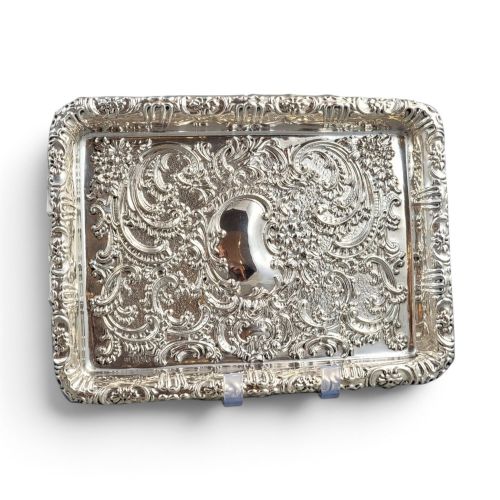
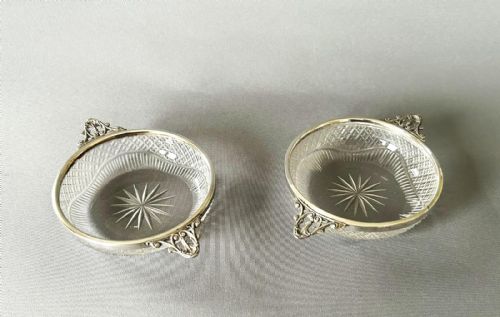

Edwardian Silver Trinket Dish
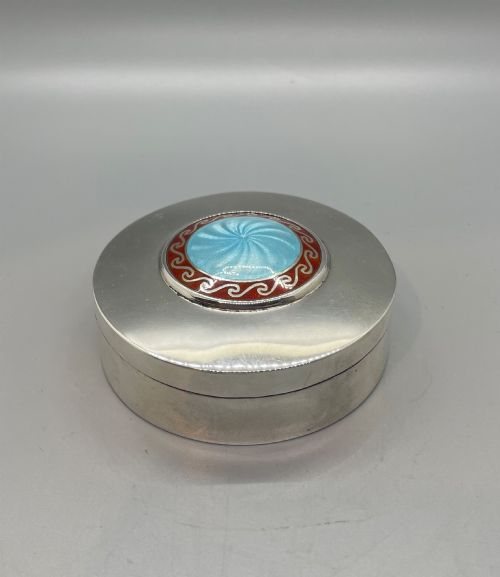
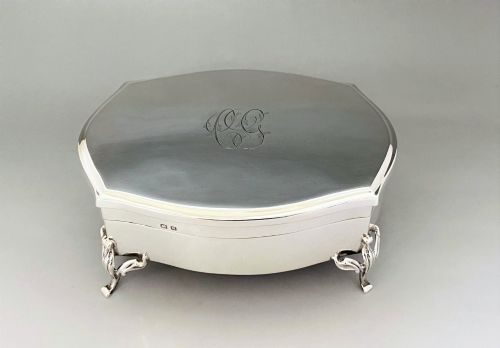
An edwardian silver trinket dish holds small dressing table treasures, combining bright precious metal with glass, shell, and enamel.
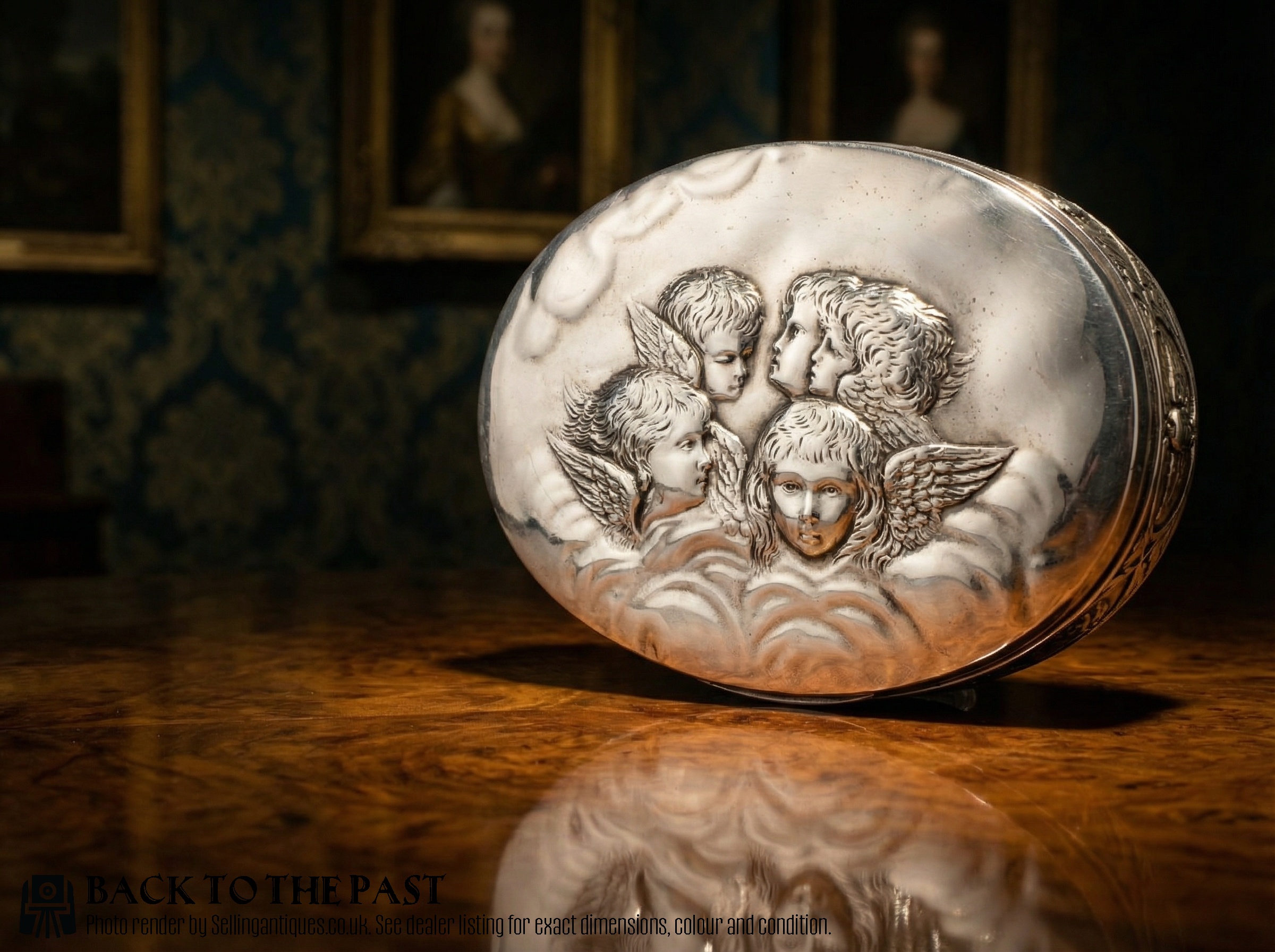
Edwardian Silver Trinket Dish
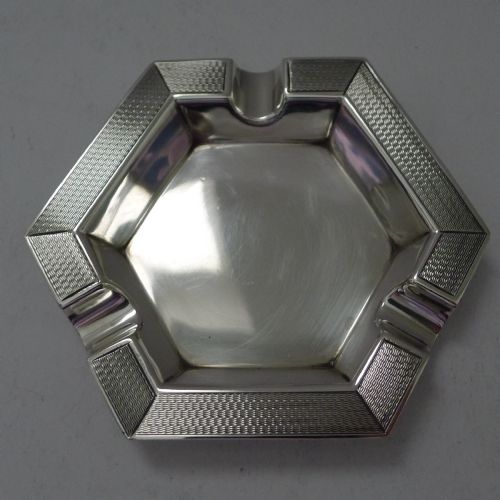
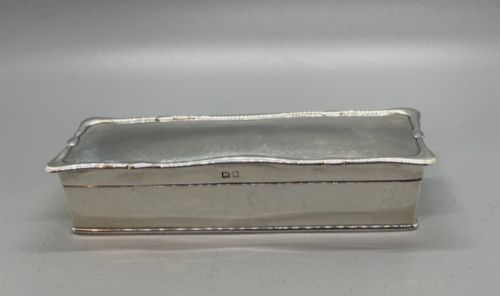
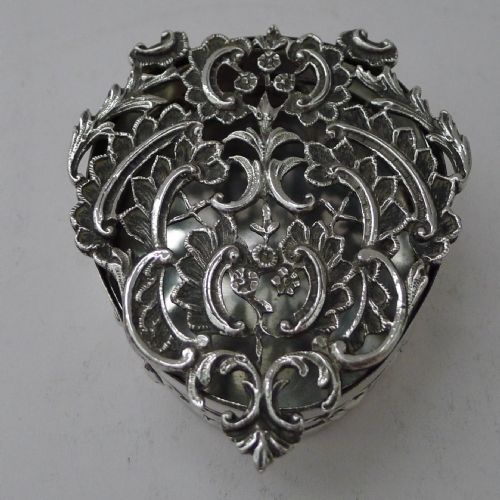
An edwardian silver trinket dish encompasses small decorative vessels designed for dressing tables and sideboards during the early twentieth century. These pieces appear as low pin trays, pierced bonbon dishes, ring trees, and lidded containers intended for pins, rings, and small keepsakes.
The objects stem predominantly from the Edwardian period and surrounding decades, incorporating Victorian survivals alongside later George V and Art Deco iterations. English workshops in Birmingham, London, and Sheffield produced the majority of examples, alongside continental European silver imports.
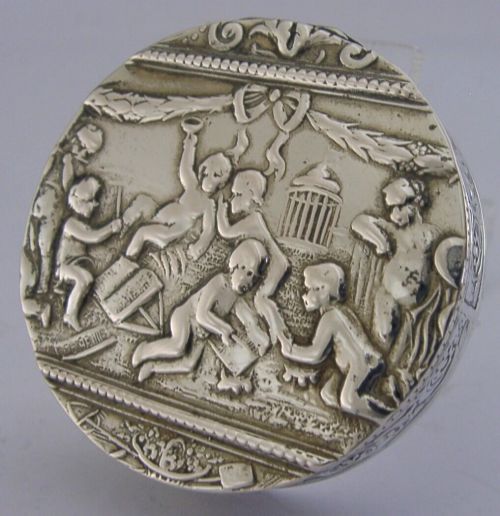
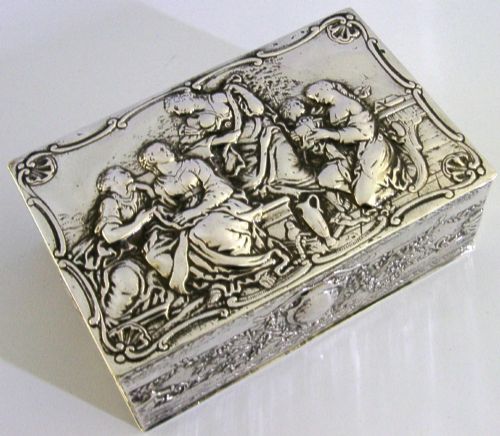
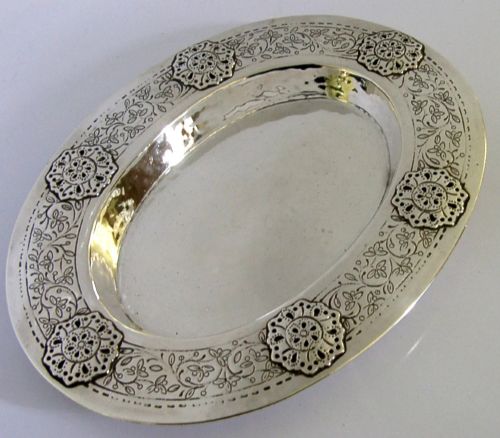
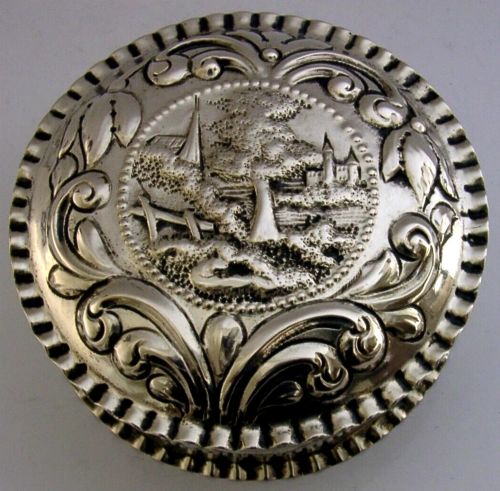
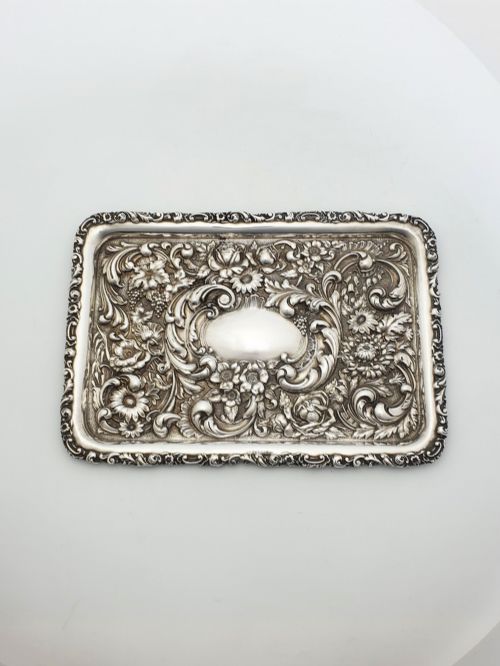
Buyers encounter flat open dishes alongside deep lidded boxes and glass containers mounted with silver rims and covers. Many pieces display specific decorative motifs such as Rococo florals, cherub scenes, Art Nouveau curves, and Arts and Crafts simplicity.
Materials and Technique
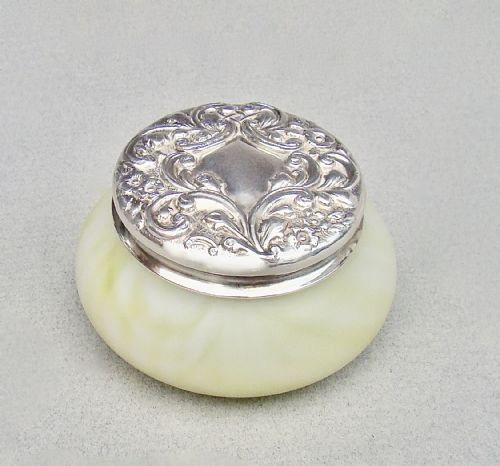
Silversmiths utilised sterling silver and solid silver alongside silver plate, shaping the metal through pressing, casting, and piercing. Repoussé and chased ornamentation created raised floral and figural reliefs across the surfaces of trays and box lids.
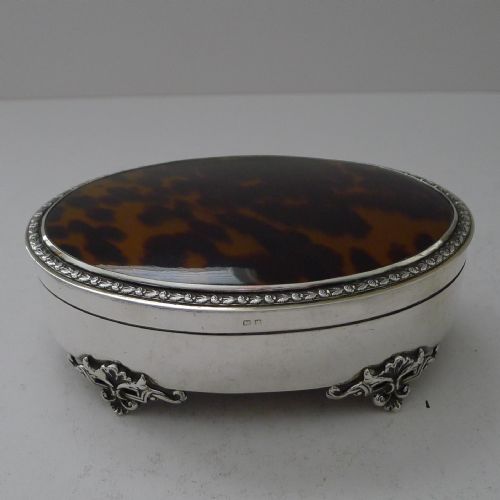
Makers combined silver with contrasting materials including cut glass, rock crystal, satin glass, and cranberry glass. Organic elements such as tortoiseshell and mother-of-pearl featured alongside vitreous enamel in blue and other shades, while gemstones like citrine and amethyst added colour.
Miniature gardening trugs fashioned in solid silver bring tiny potting sheds straight to the dressing table.
Quality and Craftsmanship
The depth and crispness of repoussé work distinguish finer examples, where chased details remain sharp and well-defined rather than shallow or worn. Heavier metal gauges provide greater rigidity to open trays and hinged boxes, preventing distortion.
The integration of secondary materials dictates overall standard, particularly in composite items where tortoiseshell, enamel, or cut glass must fit flush against the silver mount. Intricate piercing and cast decorative feet indicate higher manufacturing ambition.
William Neale·A. Bromet & Co·Liberty & Co·William Comyns·Robert Pringle & Sons·John Grinsell & Sons·Henry Williamson Ltd·Henry Matthews·Goldsmiths & Silversmiths Co·James Dixon & Sons
The Edwardian Silver Trinket Dish Glossary
- Repoussé
- Metalworking technique where the design is hammered into relief from the reverse side. This method creates tactile floral and figural patterns across tray surfaces.
- Hallmark
- Official stamp guaranteeing the metal standard, assay office, and year of manufacture. These marks provide precise dating for British silver pieces.
- Bonbon dish
- Small open vessel originally intended for sweets or small confections. Such pieces often feature pierced fretwork or swing handles.
- Ring tree
- Central vertical stem mounted on a small dish designed to hold rings. This form appeared frequently in Edwardian dressing table wares.
- Piqué
- Decorative technique involving inlaying tiny pieces of gold or silver into tortoiseshell or ivory. It frequently adorns the lids of small Edwardian boxes.
Edwardian Silver Trinket Dish: Frequently Asked Questions
What was an edwardian silver trinket dish used for?
These small dishes held pins, rings, and everyday jewellery on dressing tables and boudoirs. They kept loose accessories organised and protected delicate items.
Deep versions accommodated small keepsakes, while shallow pin trays kept frequently worn items within easy reach during dressing.
How do I clean tarnished silver dishes?
Gentle wiping with a specialised silver cloth removes surface tarnish without harming the underlying metal. Avoid abrasive pastes that wear away thin plating or delicate hallmarks.
Keep glass, enamel, and tortoiseshell inserts dry and separate from chemical dips during cleaning to protect vulnerable adhesive and organic materials.
How can I date an edwardian silver trinket dish?
British hallmarked items carry specific date letters and assay office symbols that correspond to exact years of production. Stylistic clues like Art Nouveau curves or Edwardian floral motifs also point to the manufacturing decade.
Comparing maker marks against historical assay records confirms the active working period of the silversmith workshop.
Are glass and silver combination dishes fragile?
The glass and crystal components require careful handling to prevent chipping along the rim where the silver mount attaches. Secured silver collars protect the glass edge but demand gentle treatment during washing.
Storage away from heavy items prevents accidental fractures in cut glass bodies and delicate hinged lids.