



Vintage Cobalt Glass Dish
A vintage cobalt glass dish brings a flash of deep blue to a table, combining intense colour with silver or crystal.
Vintage Cobalt Glass Dish
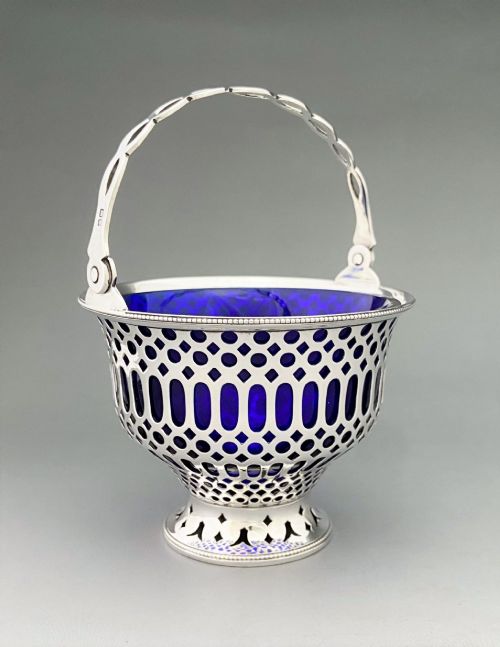
A vintage cobalt glass dish encompasses a range of serving vessels and tabletop items, most frequently appearing as small salt cellars, sugar bowls, and bonbon dishes. These pieces span several eras, turning up in Edwardian frames, Art Deco settings, and heavier Victorian or German historicism designs.
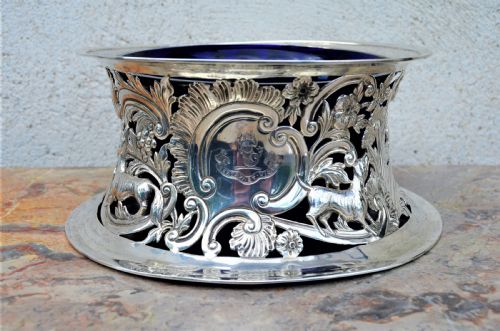
The objects combine rich blue glass with metalwork, often featuring pierced silver mounts, swing handles, or silver-plated frames. Centrepieces and larger bowls also emerge, sometimes paired with clear glass or mirror glass to contrast the deep pigment.
Materials and construction
Makers combined blown or moulded cobalt glass with sterling silver, 800 silver, and silver-plated mounts. Pierced metalwork frames support and encase the glass liners, often securing them with fitted rims or swing handles.
Techniques range from simple pressed glass vessels to intricate lead crystal over-lays and acid-etched designs. Silversmiths worked metal around the glass inserts, while Belgian and German workshops utilised overlay methods to layer blue glass over clear crystal.
Listings feature periods spanning from the 18th century through the Art Deco era of 1930, utilising cobalt glass, sterling silver, and lead crystal.
Assessing quality in cobalt glass and metal
Quality rests on the crispness of the metal pierce-work and the weight of the glass liner. Finer items feature substantial silver frames with distinct hallmarks rather than lighter silver plating.
The depth and clarity of the cobalt colour distinguish standard production from superior pieces. Hand-cut crystal layers and bespoke designer execution elevate individual items far above mass-produced counterparts.
Val St. Lambert
The Vintage Cobalt Glass Dish Glossary
- Cobalt glass
- Deep blue glass coloured by the addition of cobalt oxide during manufacturing. This intense hue defines the visual appeal of these wares across multiple centuries.
- Salt cellar
- A small open vessel used to hold salt on the dining table before the invention of the salt shaker. They frequently utilise removable cobalt glass liners inside pierced metal frames.
- Centrepiece
- A large decorative bowl placed in the middle of a dining table for display or service. These substantial items often pair heavy silver mounts with expansive blue glass bodies.
- Sterling silver
- A silver alloy containing 92.5 percent pure silver by mass and 7.5 percent other metals, usually copper. Many fitted baskets and frames carry hallmarks certifying this standard.
- Lead crystal
- Glass containing lead oxide to increase brilliance and weight. Certain bowls layer cobalt glass over this clear material for a striking two-tone effect.
Vintage Cobalt Glass Dish: Frequently Asked Questions
What are vintage cobalt glass dishes used for?
These pieces served practical dining functions as salt cellars, sugar bowls, and bonbon dishes during formal meals. Today they function primarily as decorative table accents or small catch-alls.
Their vibrant blue colour makes them ideal for display on sideboards or open shelving where light can pass through the glass.
How do I clean silver mounts on glass dishes?
Remove the glass insert from the metal frame whenever possible to clean each material separately. Use a soft cloth on the silver to avoid scratching any surrounding glass.
Keep silver polish away from the glass surface to prevent residue buildup in textured or pierced areas.
How do I date an antique cobalt glass dish?
Examine the metal frame for hallmarks, maker's marks, or patent stamps that indicate the exact year or manufacturing period. Georgian and Victorian pieces often show heavier, hand-finished mounting styles.
Design motifs also reveal the era, with geometric lines pointing to Art Deco production and pierced floral frames suggesting Edwardian work.
Are cobalt glass liners interchangeable?
Liners are generally specific to their original metal frames due to variations in hand-blown or moulded dimensions. Forcing an incorrect liner into a vintage silver mount risks cracking the glass.
Replacements must match the exact diameter and depth of the original housing.