


Silver Mounted Glass Dish
A silver mounted glass dish brings together the sparkle of cut crystal and the crisp gleam of sterling, exactly what every tabletop needs.
Silver Mounted Glass Dish
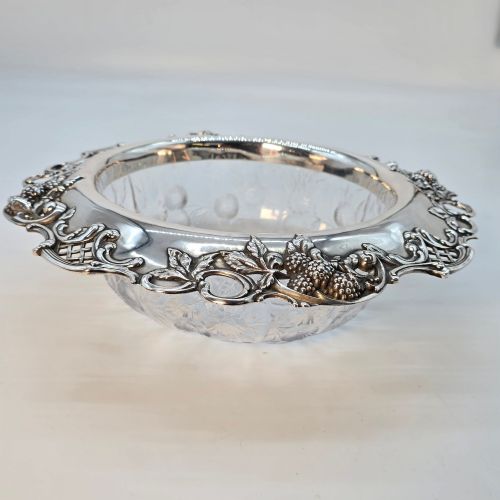
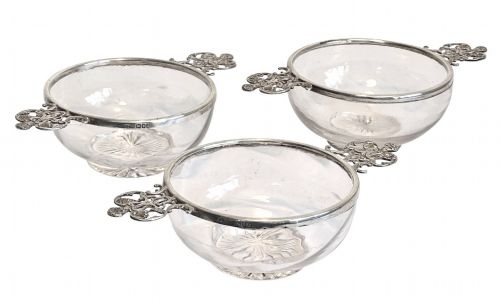
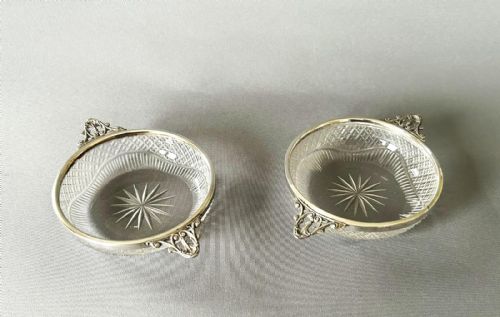
A silver mounted glass dish combines functional glass vessels with precious metal rims, mounts, or intricate framework. These pieces range from small trinket dishes and bonbon bowls to match strikers and pot pourri baskets.
Most examples found here date across the Victorian and Edwardian periods, stretching from the late nineteenth century into the early twentieth century. Common forms include decorative sweet dishes, covered candy bowls, and hinged trinket boxes.
Makers utilised clear cut crystal alongside cobalt blue glass and occasional tortoiseshell lids to create striking visual contrast. The metalwork acts both as a secure mount and an ornamental frame for the vessel within.
Materials and construction methods
Glass bodies were typically heavy-moulded or deeply cut by hand to refract light, paired with mounts formed from sterling silver or silver plate. Metal rims and lattice baskets were shaped to fit the precise contours of each individual glass vessel.
Hinged boxes and lidded baskets required delicate soldering and precision joinery to secure the metal mounts directly onto the glass or around its upper rim.
Listings feature items spanning the Victorian and Edwardian eras, alongside mid-twentieth century examples in cut crystal, sterling silver, and silver plate.
Assessing quality and craftsmanship
Quality rests upon the depth and clarity of the glass cutting, alongside the gauge and weight of the silver used in the mount. Thicker crystal with crisp facets separates finer productions from simpler moulded glass items.
The precision of the silver fit and the presence of clear hallmarks indicate superior workshop standards, particularly when attributed to established makers like William Comyns or Tiffany and Company.
Tiffany and Co.·William Comyns·Posen
The Silver Mounted Glass Dish Glossary
- Cut glass
- Glassware shaped and patterned by holding it against a rotating abrasive wheel. This technique creates sharp, deep facets that catch the light brilliantly.
- Sterling silver
- An alloy consisting of pure silver and other metals, usually copper, standardised for strength and lustre. It bears distinct assay marks denoting its fineness.
- Silver plate
- A base metal coated with a thin layer of pure silver through electroplating or older fusing methods. It provides the visual appeal of silver at a different cost level.
- Match striker
- A small tabletop container featuring a rough textured surface designed for igniting safety matches. These often incorporate heavy glass bodies with mounted silver bases or rims.
- Bonbon dish
- A small open vessel specifically designed for holding sweets or confectionary. They frequently appear in decorative openwork silver frames or cobalt glass.
Silver Mounted Glass Dish: Frequently Asked Questions
How do I clean my silver mounted glass dish?
Wash the glass gently in warm soapy water using a soft cloth, keeping moisture away from any glued joints or paper liners. Polish the silver components separately with a dedicated silver cloth to prevent tarnish build-up.
Avoid submerging hinged boxes or pieces with porous internal elements entirely in water. Careful maintenance keeps both the crystal sparkle and the metal gleam intact for daily use.
Were these dishes used for dining?
Many examples served a direct purpose on dining tables for sweets, bonbons, and condiments. Others functioned purely as decorative accessories for dressing tables and drawing rooms.
Their varied sizes accommodated everything from small matches to pot pourri and trinkets. This versatility meant they moved easily between different rooms in period homes.
How can I tell Victorian pieces from Edwardian ones?
Victorian pieces often feature heavy, ornate ornamentation with deep cut crystal and substantial silver mounts. Edwardian designs lean towards lighter frames, neoclassical revival motifs, and brighter cobalt glass.
Examining the style of the chasing and the weight of the glass generally reveals the period of manufacture. Hallmarks on the silver provide the most exact dating evidence.
Can I use these dishes every day?
These items handle gentle daily use well, provided they are treated with the care due to antique glass and silver. Sturdy bowls and trinket dishes function reliably on modern surfaces.
Care should be taken with delicate hinged mounts and antique glass to avoid accidental knocks. Proper placement ensures they remain both practical and decorative.