


Clear Glass Silver Bowl
These clear glass silver bowl designs combine gleaming metal mounts with brilliant crystal vessels for striking domestic display.
Clear Glass Silver Bowl
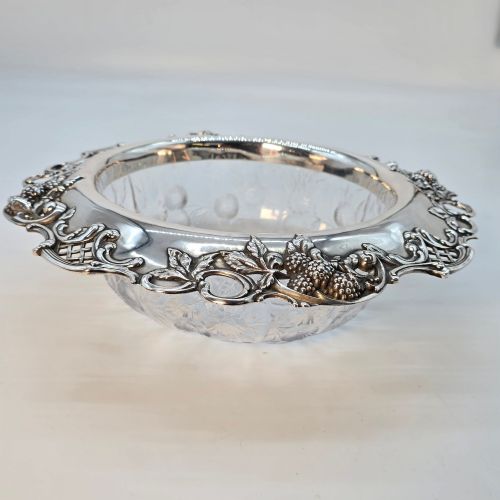
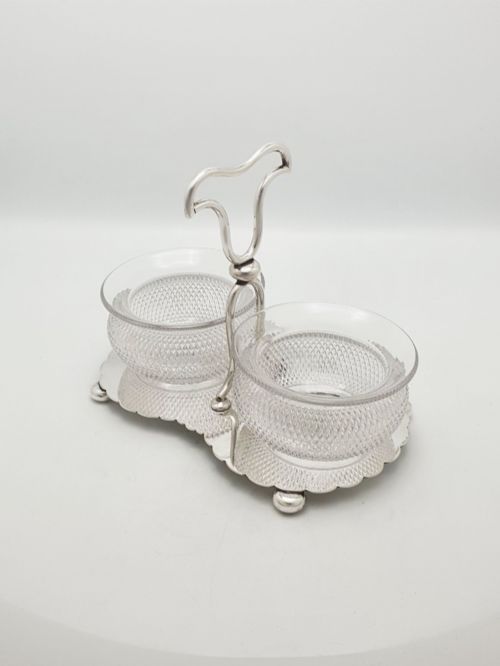
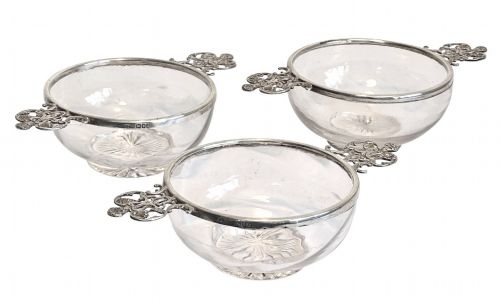
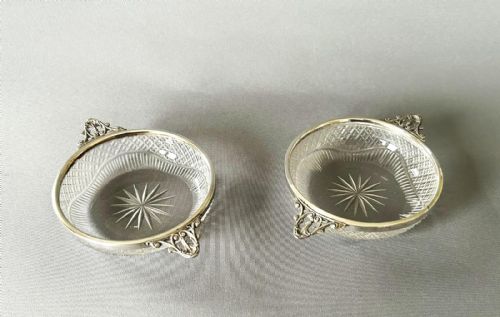
A clear glass silver bowl brings together transparent vessels and gleaming metallic mounts, creating a dual-material object designed for practical table use or decorative display. When you search for a clear glass silver bowl, you encounter diverse forms ranging from small trinket dishes and condiment stands to grand sweet bowls and pendant lights. The examples appearing on this page span several distinct eras, including Victorian, Edwardian, and mid-twentieth-century periods.
Most pieces combine either sterling silver or silver plate with cut glass, crystal, or standard glass bodies. You will frequently find functional table items such as lidded serving dishes, pot pourri baskets, and pedestal centrepieces alongside hanging light fixtures that utilise the same glass and metal vocabulary. These objects reflect domestic habits from the nineteenth century onwards, prioritising both utility and bright reflective surfaces.
Materials and construction methods
The fabrication of these items relies upon the union of glassblowing or cutting with metal smithing. Vessels are formed from lead crystal or cut glass, often featuring deep facets or pressed patterns that catch the light. Metal rims, bases, and handles are then fitted to the glass bodies, sometimes secured with collars or mounted directly onto pierced silver stands.
Makers utilised both solid sterling silver and silver-plated base metals to frame the glass components. Silver elements often display hallmarks or maker marks indicating production in workshops such as those of William Comyns or firms like Tiffany and WMF. The integration of metal mounts required precise fitting to ensure stability across bowls, baskets, and hanging light fixtures alike.
Some Edwardian lighting items adapt heavy cut glass and silver plate into unexpected pendant fixtures.
Distinguishing quality in these items
Quality in a clear glass silver bowl rests upon the clarity and weight of the glass vessel alongside the substance of the metal mounts. Heavier lead crystal with sharp, clean facet cutting separates finer pieces from simpler moulded glass alternatives. Similarly, substantial sterling silver rims or mounts indicate higher production standards compared to thin silver plating over base metal.
The harmony of proportion between the glass body and its metal housing dictates the overall success of the piece. Well-integrated mounts fit securely without excessive adhesive, and maker attributions from established firms or silversmiths further elevate the standing of an individual item.
Tiffany & Co.·William Comyns·WMF
The Clear Glass Silver Bowl Glossary
- Cut Glass
- Glass shaped and patterned by holding it against a rotating abrasive wheel. This technique produces sharp facets and geometric designs that scatter light effectively.
- Sterling Silver
- An alloy consisting of pure silver and other metals, typically copper, standardised for durability. It bears official hallmarks indicating its metal purity.
- Silver Plate
- A base metal object coated with a thin layer of silver through electroplating or older fusion methods. It offers the visual appeal of silver at a different cost level.
- Lead Crystal
- Glass containing a significant proportion of lead oxide, which increases weight, refractive index, and brilliance. It is commonly utilised in high-end decorative bowls.
- Centrepiece
- A large decorative object placed in the middle of a dining table or surface. In this context, these items often take the form of pedestal stands or elaborate bowls.
Clear Glass Silver Bowl: Frequently Asked Questions
How do I clean a silver mounted glass bowl?
Use warm soapy water and a soft cloth for the glass vessel, avoiding harsh abrasives that might scratch the surface. Polish the metal mounts separately with a dedicated silver cloth, taking care not to expose the glass to aggressive chemical cleaners.
Ensure the silver components are dried thoroughly after cleaning to prevent tarnishing or moisture retention near the joints.
What is the difference between silver plate and sterling silver?
Sterling silver is a solid precious metal alloy containing a fixed high percentage of pure silver throughout its entire structure. Silver plate involves a thin layer of silver bonded to an underlying base metal such as copper or brass.
You can typically distinguish them by examining the piece for official silver hallmarks or checking for wear where the base metal might show through.
How can I tell a Victorian bowl from an Edwardian one?
Victorian items often feature heavier, more ornate ornamentation with deep cut glass patterns and elaborate metalwork. Edwardian examples frequently display lighter proportions influenced by changing decorative tastes around the turn of the twentieth century.
Examining any associated hallmarks or registration numbers will also help establish a more precise decade of manufacture.
Were these glass and silver items used daily?
Many of these pieces served practical functions in period homes, functioning as condiment containers, sugar bowls, or serving dishes during meals. Others were purely decorative items intended for drawing rooms or dressing tables.
Their survival in good condition suggests they were valued household possessions cared for across generations.