


Antique Glass Fruit Dish
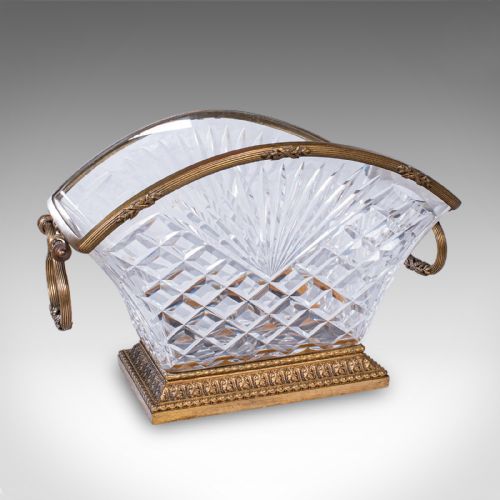
An antique glass fruit dish brings heavy lead crystal, cut facets and coloured glass together on the dining table.
Antique Glass Fruit Dish
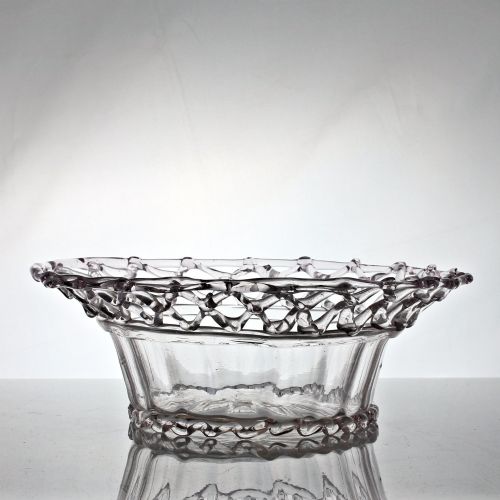
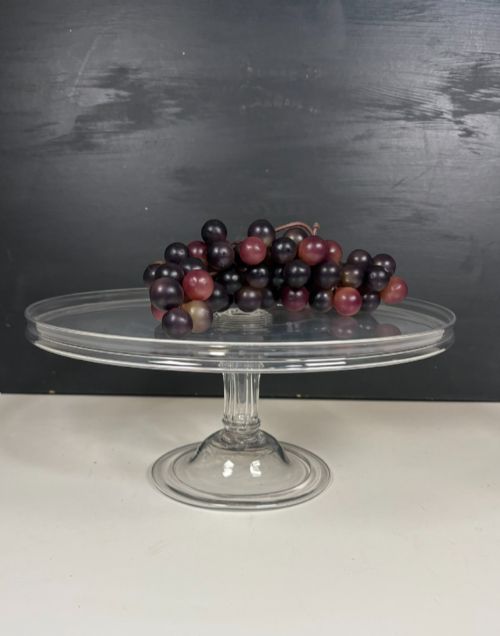
An antique glass fruit dish serves as a table centrepiece or decorative bowl designed to hold fruit or stand alone on a dining surface. These pieces appear across multiple eras, including Georgian, Victorian, Edwardian, and Art Deco periods.
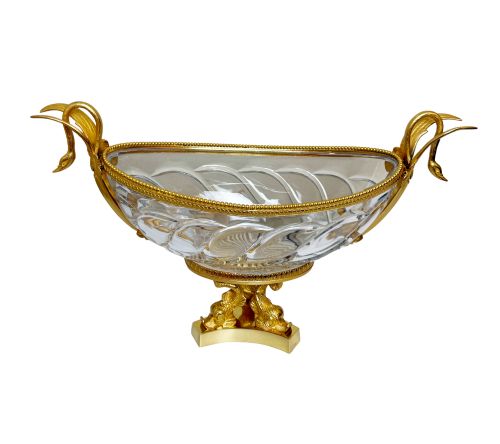
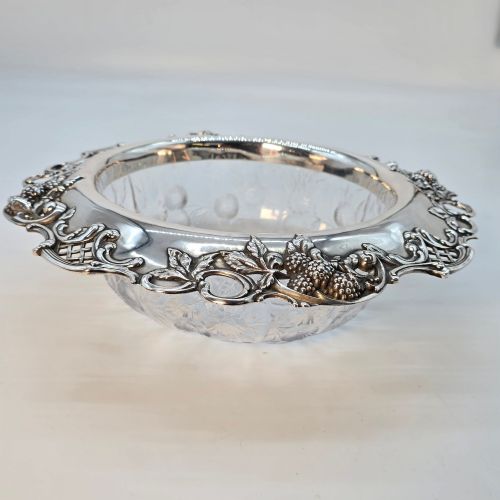
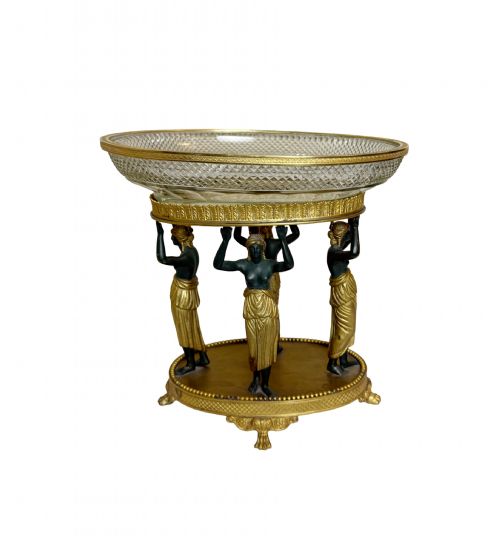
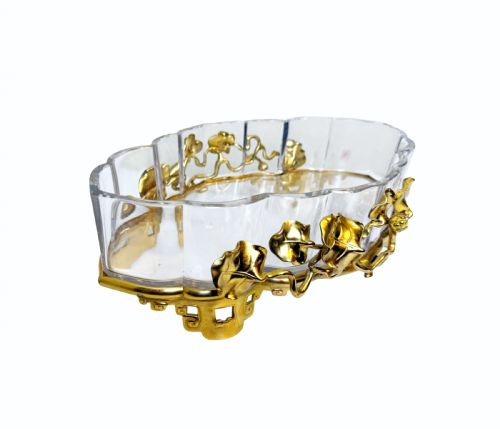
The selections here range from simple clear cut glass bowls and Georgian tazzas to elaborate vessels mounted in gilt bronze, ormolu, and silver plate. Makers and factories from England, France, Germany, Belgium, and Italy contributed to the diverse forms available.
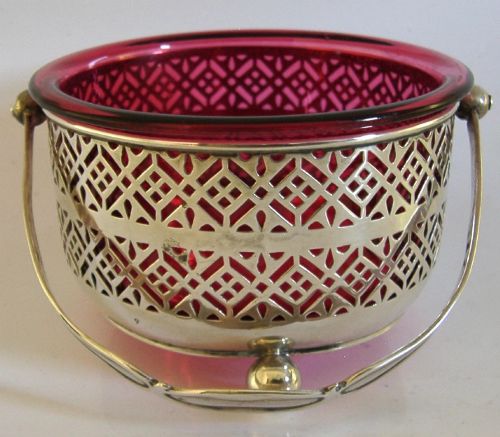
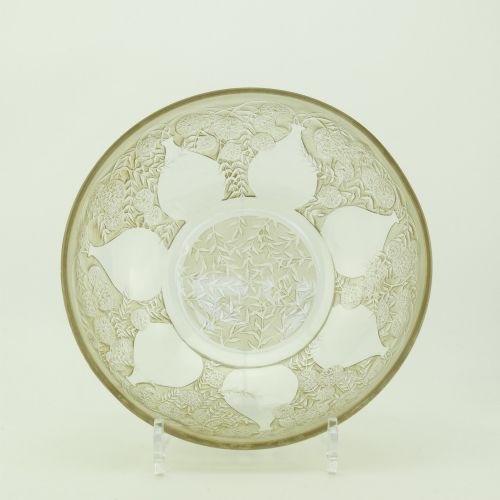
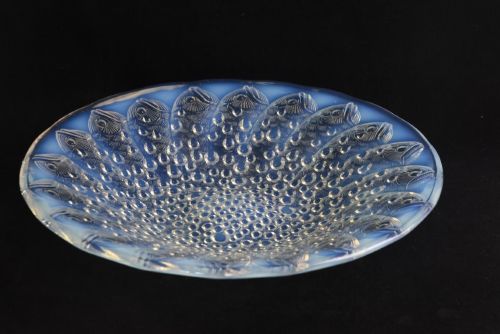
Buyers encounter everything from heavy lead crystal table centrepieces to delicate opalescent moulded glass bowls and coloured glass baskets with swing handles. Each style reflects the prevailing taste of its decade, from Empire grandeur to flowing Art Nouveau lines.
How they were made
Glassmakers shaped these pieces through blowing, moulding, or cutting clear and coloured glass, lead crystal, and vaseline glass. Heavy cutting created deep facets that catch the light, while specialised techniques produced opalescent, millefiori, and iridescent effects.
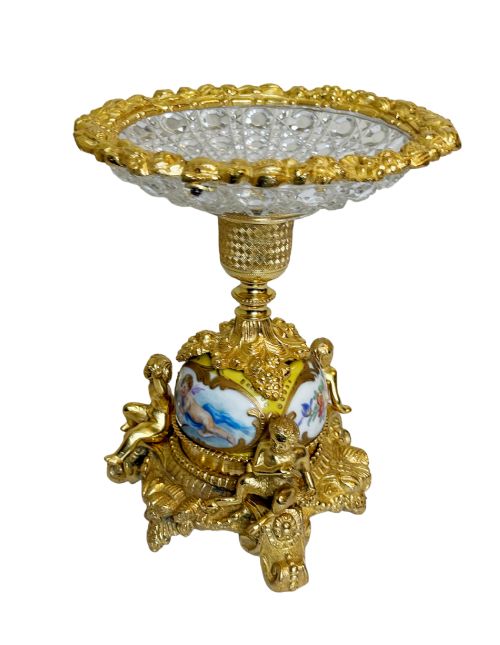
Metal mounts involve materials such as sterling silver, silver plate, gilt bronze, and ormolu, often cast with cherubs, floral motifs, or mermen. Frames and handles secure the glass bowls, adding structural weight and decorative contrast to the translucent vessel.
Listings feature lead crystal, cut glass, silver plate, and gilt bronze across Georgian, Victorian, Edwardian, and Art Deco periods.
What varies in quality
The clarity of the crystal and the depth of the hand-cut facets distinguish standard vessels from finer examples. Crisp execution in moulded or blown glass demonstrates the skill of the original glasshouse.
The integration and detailing of the metal mounts, whether gilt bronze, silver plate, or ormolu, determine the overall refinement of the piece. Heavier castings and complex decorative framing separate ordinary dishes from exceptional centrepieces.
Tiffany and Co·Rene Lalique·WMF·Val St. Lambert·St Louis glassworks·Loetz
The Antique Glass Fruit Dish Glossary
- Tazza
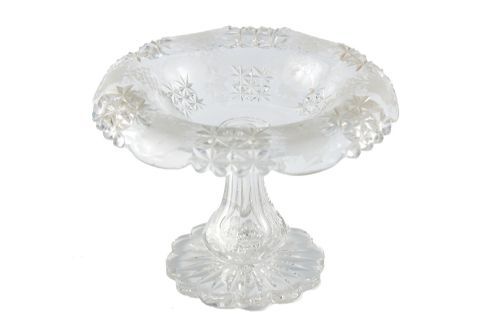
- A shallow bowl or dish mounted upon a stem and foot, traditionally used for serving fruit or sweetmeats. These elevated pieces function as focal points on dining tables.
- Ormolu
- Gilt bronze mounted on decorative objects, created by applying a finely ground high-carat gold-mercury amalgam to cast bronze. It provides a rich golden finish to metal frames and handles.
- Lead crystal
- A type of glass containing lead oxide, which increases weight, clarity, and brilliance. This material allows for deeper, sharper facet cutting than standard glass.
- Millefiori
- A glasswork technique involving multi-coloured glass rods fused together and sliced to reveal intricate floral patterns. It appears in decorative bowls from specialised glasshouses.
- Vaseline glass
- Uranium glass that produces a distinct greenish-yellow hue and glows under ultraviolet light. It found popular use during the Victorian and Edwardian periods.
Antique Glass Fruit Dish: Frequently Asked Questions
What is a tazza?
A tazza is an elevated dish mounted on a central foot or stem, designed to display fruit or small items on a table.
These pieces provide height and architectural interest to a dining room setting compared to flat bowls.
How do I clean an antique glass fruit dish?
Wash the glass gently in warm water using mild soap, avoiding harsh chemicals or abrasive materials that might damage old surfaces.
Keep metal mounts dry and wipe them carefully with a soft cloth to protect finishes like gilt bronze or silver plate.
Can I use these dishes for serving food?
Most glass dishes function well for serving dry fruits, sweets, or baked goods during gatherings.
Consider the presence of metal mounts or delicate enamelling before placing moist foods directly into older decorative vessels.
How do I distinguish Edwardian glass from Victorian pieces?
Victorian pieces often feature heavy cutting and robust proportions, reflecting the ornate tastes of the nineteenth century.
Edwardian designs tend toward lighter colour palettes and transitional styles leading into Art Nouveau and Art Deco forms.