


Diamond Cut Glass Dish
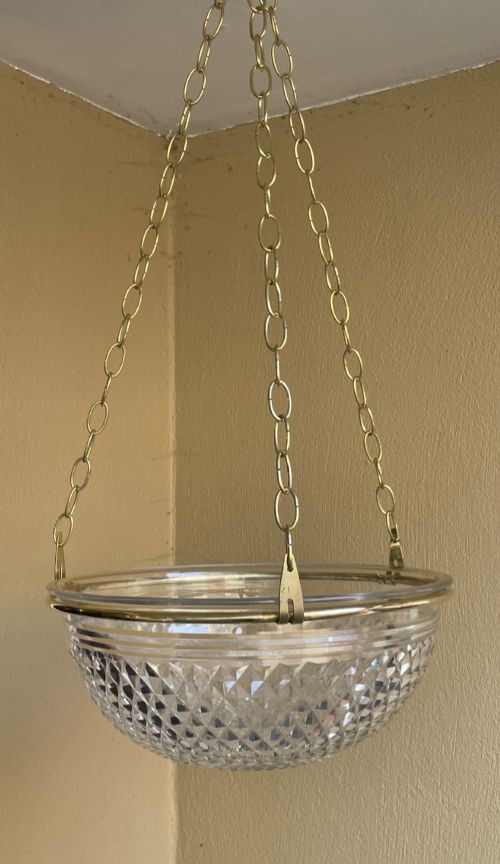
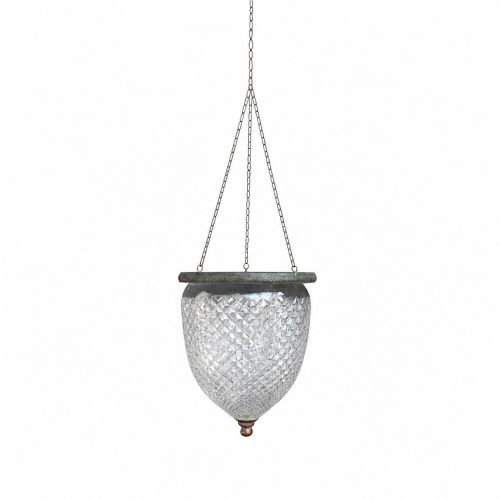
These diamond cut glass dish examples range from Georgian bowls to Edwardian ceiling lights, offering brilliant sparkle and heavy traditional weight for any table or room.
Diamond Cut Glass Dish
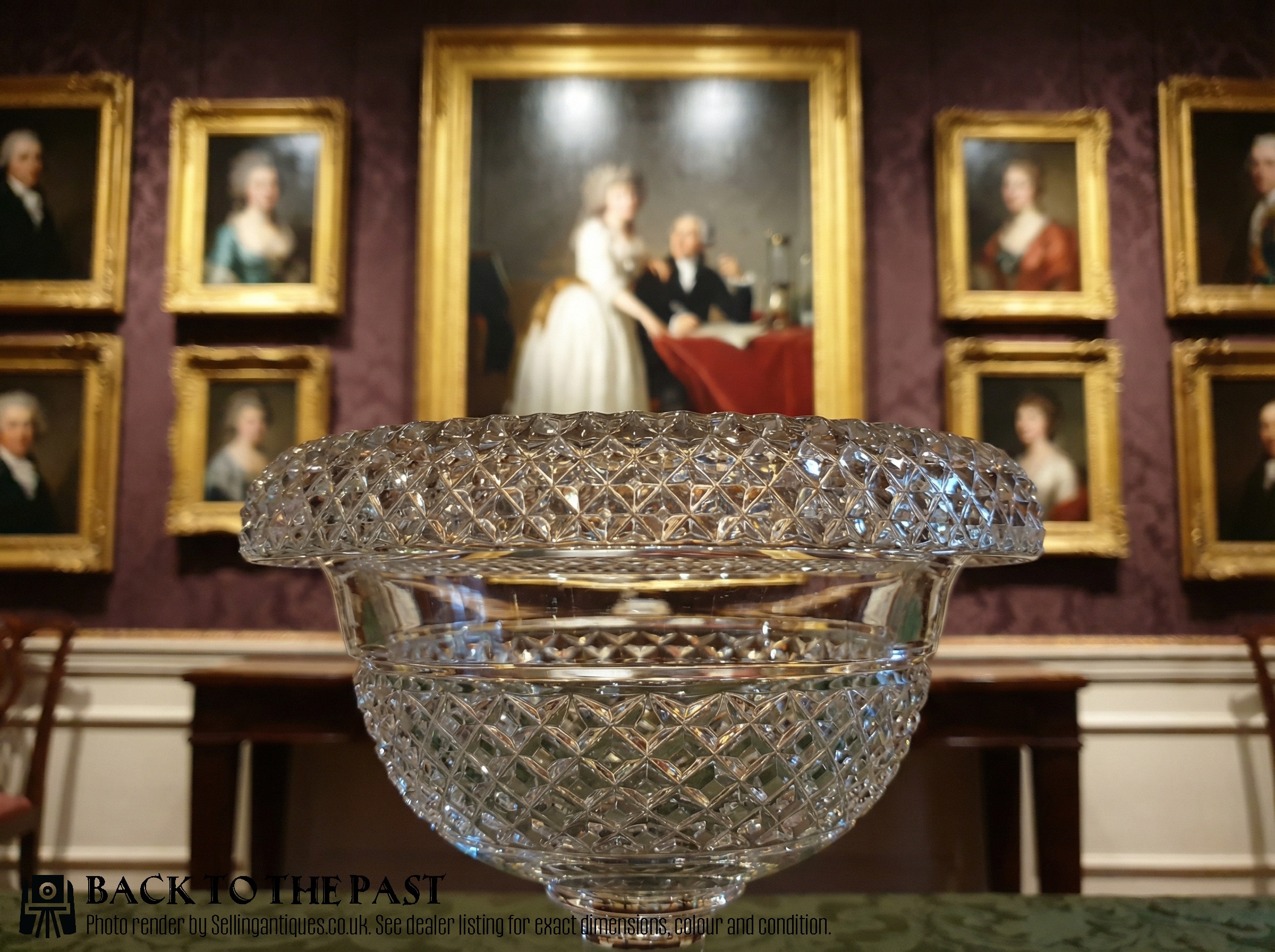
A diamond cut glass dish brings brilliant refractive patterns and heavy traditional form to domestic interiors, spanning periods from the Georgian era through to the Edwardian years. When searching for a diamond cut glass dish, buyers encounter various functional objects including decorative bowls, fruit bowls, centrepiece bowls, sweetmeat jars, and ceiling lights.
The selection on this page leans heavily toward Victorian and Edwardian examples, alongside earlier Georgian items and traditional Irish crystal pieces. Forms vary from large centrepiece bowls down to small pairs of bowls, often integrated with silver plate, silver, or brass mounts.
Ceiling lighting forms an alternative expression of the phrase, featuring plafonniers and dish lights suspended on hardware. These domestic items serve both decorative and functional purposes, showcasing the versatility of cut crystal across different decades.
How they were made
Glassmakers shaped these pieces using heavy lead crystal and standard cut glass, relying on mechanical wheel-cutting to carve deep geometric facets across the surface. This technique produces the characteristic diamond pattern that catches and refracts light from every angle.
Metal elements such as brass, silver plate, and sterling silver were incorporated into mounts, rims, and suspension hardware for dish lights and covered sweet bowls. The combination of heavy hand-cut crystal and metal fittings required precise assembly to support the substantial weight of the glass.
Sweetmeat jars once safeguarded spiced nuts and candied fruits, proving that ancestors took dessert just as seriously as we do.
What varies in quality
Quality in a diamond cut glass dish rests upon the crispness of the facet cutting and the clarity of the material itself. Superior examples display sharp, cleanly defined diamond geometries that reflect light with intense brilliance, whereas lesser pieces feature softer, shallower grinding.
The weight and purity of the lead crystal contribute significantly to the perceived standard of the object, alongside the craftsmanship of any accompanying silver or brass mounts. Proportion, balance, and the integration of metalwork distinguish standard production items from finer centrepieces and lighting fixtures.
The Diamond Cut Glass Dish Glossary
- Cut Glass
- Glass decorated by abrasive wheels that grind patterns into the surface. This technique creates the facets seen on bowls and light fixtures.
- Lead Crystal
- Glass containing a high proportion of lead oxide, which increases weight, brilliance, and softness for cutting. It is the primary material for high-end decorative bowls.
- Plafonnier
- A ceiling-mounted bowl light or dish light that sits close to the ceiling surface. These fixtures often utilise cut glass dishes suspended by brass or silver-plated hardware.
- Sweetmeat Jar
- A small covered vessel designed to hold preserves, sweets, or confectionery. These pieces frequently date to the nineteenth century and feature matching covers.
Diamond Cut Glass Dish: Frequently Asked Questions
How do I clean an antique cut glass bowl?
Wash the glass gently in lukewarm water using a mild, non-abrasive detergent. Avoid harsh scrubbers to protect the sharp edges of the diamond cutting.
Dry the piece immediately with a lint-free cloth to prevent water spots and maintain the brilliant sparkle of the crystal.
Can these antique dish lights be rewired for modern ceilings?
Most antique dish lights and plafonniers can be safely adapted by a qualified electrician to meet current safety standards. The original brass or silver-plated hardware typically accommodates standard internal wiring.
Consult a professional to ensure the suspension fixtures can securely bear the heavy weight of the lead crystal bowl.
What is the difference between cut glass and crystal?
Crystal contains lead oxide, which gives the material a heavier feel and higher refractive index than standard glass. This extra density allows for deeper, sharper facet cutting.
Both materials appear across the periods represented here, though lead crystal generally provides superior brilliance.
How do I date an Edwardian cut glass dish?
Edwardian pieces often display lighter, more refined cutting styles compared to earlier Victorian production. Examination of the mounting hardware and any silver plating can also offer clues to the manufacturing decade.
Comparing the form and weight against documented examples from the early twentieth century helps confirm the period.