
Cut Crystal Bowl
A cut crystal bowl brings heavy light-catching facets and period weight to a table, spanning heavy Victorian pedestals to sleek Art Deco designs.
Cut Crystal Bowl
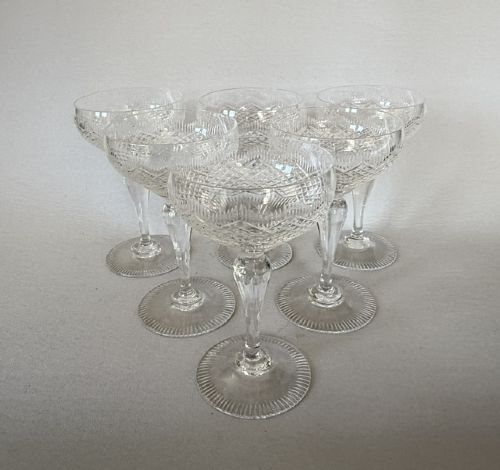
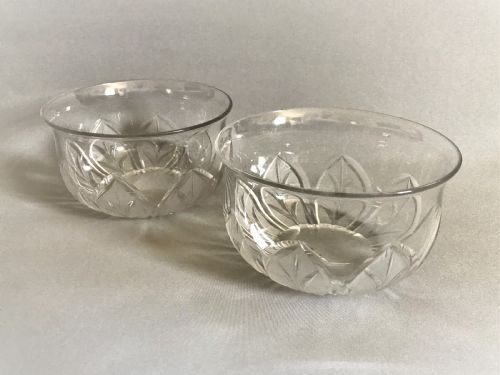
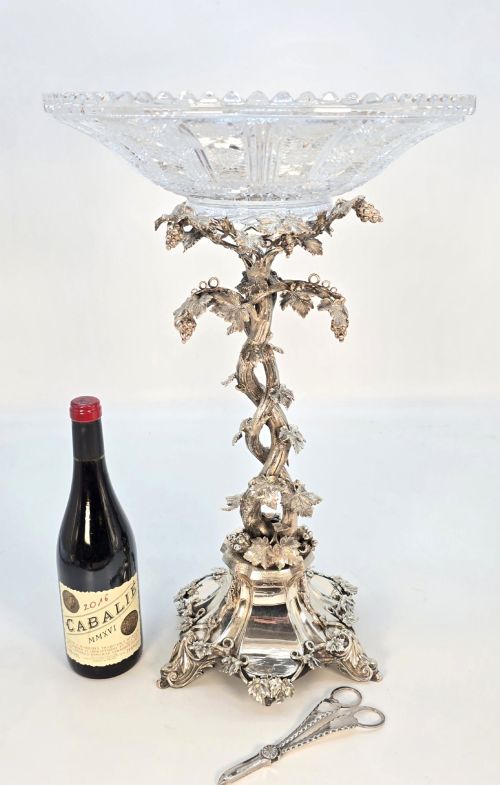
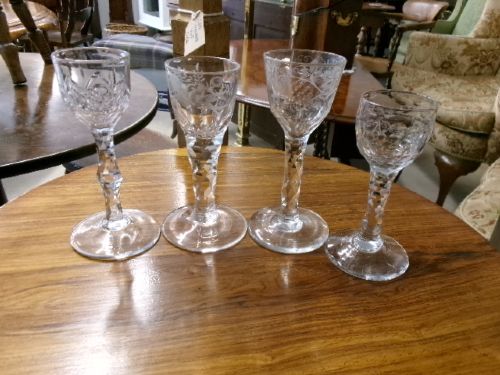
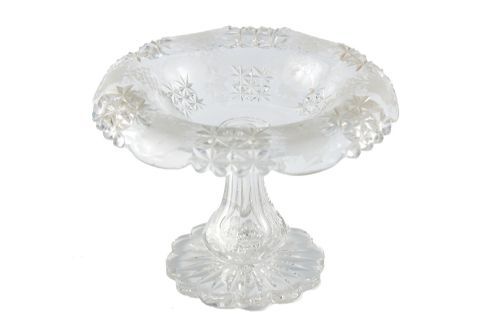
A cut crystal bowl sits at the heart of many antique collections, functioning historically as a centrepiece, a fruit dish, or a serving vessel. When searching for a cut crystal bowl, buyers encounter forms ranging from deep Georgian standing bowls and Victorian pedestal centrepieces to low Edwardian dishes and geometric Art Deco vessels.
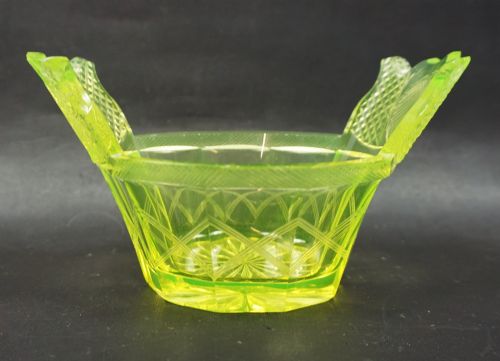
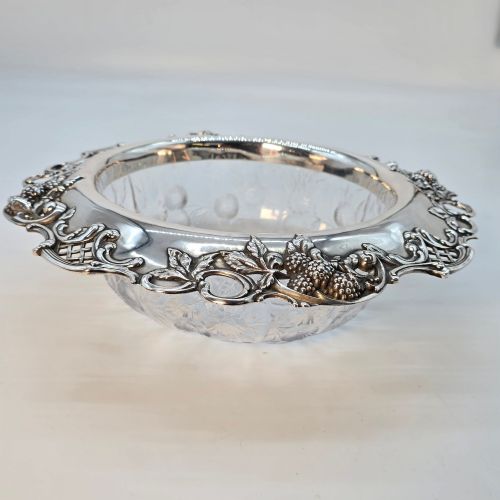
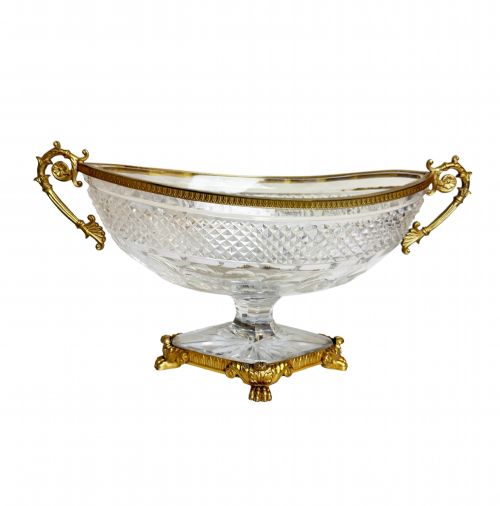
The material presentation shifts across the decades, appearing as clear lead glass, flashed coloured glass in cobalt or green, and occasionally paired with mounts in sterling silver, gilt bronze, or ormolu. Victorian and Georgian iterations lean towards deep incisions and hobnail cutting, whilst later twentieth-century examples embrace clean lines and minimalist silver rims.
How they were made
Makers formed these vessels using heavy lead crystal or cut glass, blowing the molten material into moulds or free-blowing before applying deep facets by hand against a rotating stone wheel. The surface work required precise hand-eye coordination to cut uniform diamonds, flutes, and stars into the thick walls of the glass.
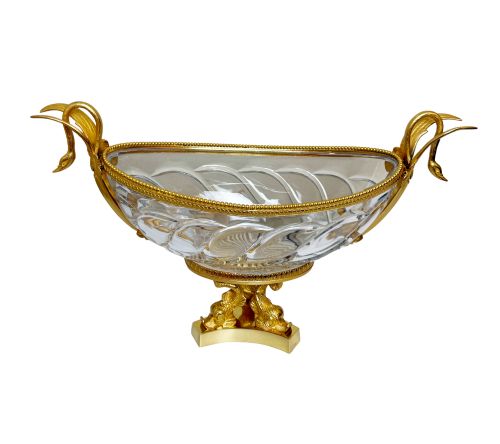
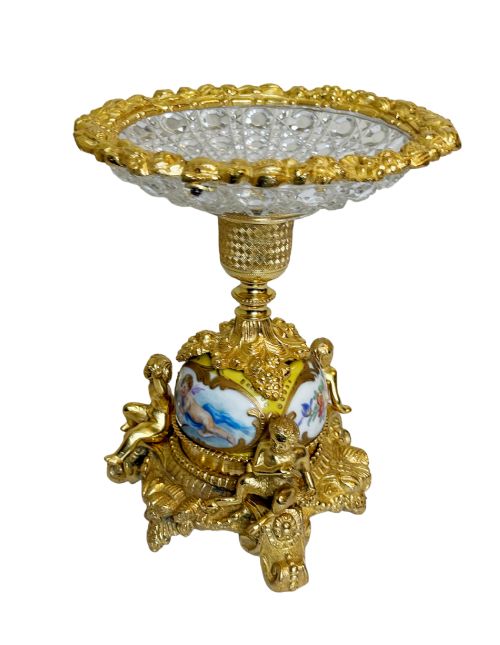
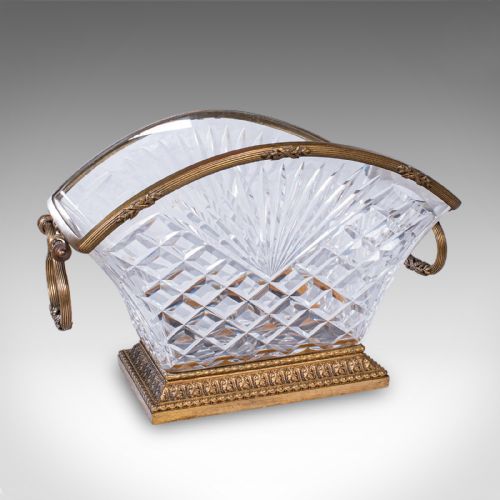
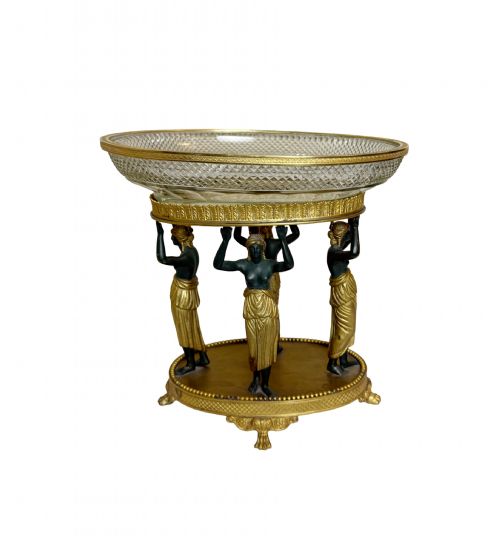
Many specimens incorporate metal mounts, securing the glass body within cast gilt bronze, ormolu, or sterling silver frames. Silversmiths and bronze-casters fastened these collars around the rims and bases, often integrating handles, cherubs, or enamel lids into the final composition.
What varies in quality
The depth and crispness of the wheel-cutting separate superior vessels from ordinary production, as sharp, well-defined facets refract light cleanly without softening at the edges. Superior pieces also display substantial weight from high lead content, whereas lesser examples utilise thinner, lighter glass.
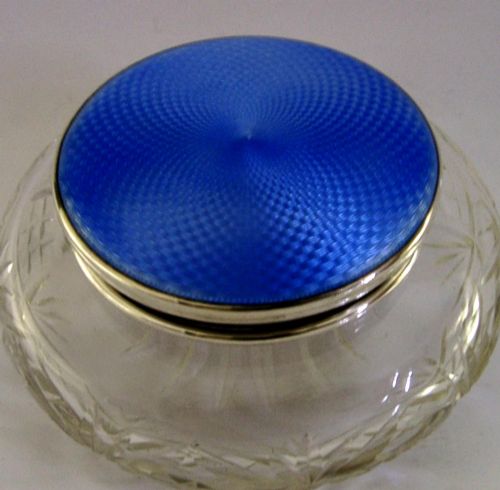
The integration of secondary materials dictates overall refinement, distinguishing simple glass vessels from elaborate centerpieces featuring heavy cast ormolu, hand-engraved sterling silver rims, or guilloche enamel lids. The clarity of the metal and the tightness of the mount's fit against the glass indicate the level of craftsmanship.
Tiffany and Co.·Val St Lambert·Stuart Crystal·Ludwig Kny
The Cut Crystal Bowl Glossary
- Hobnail cut
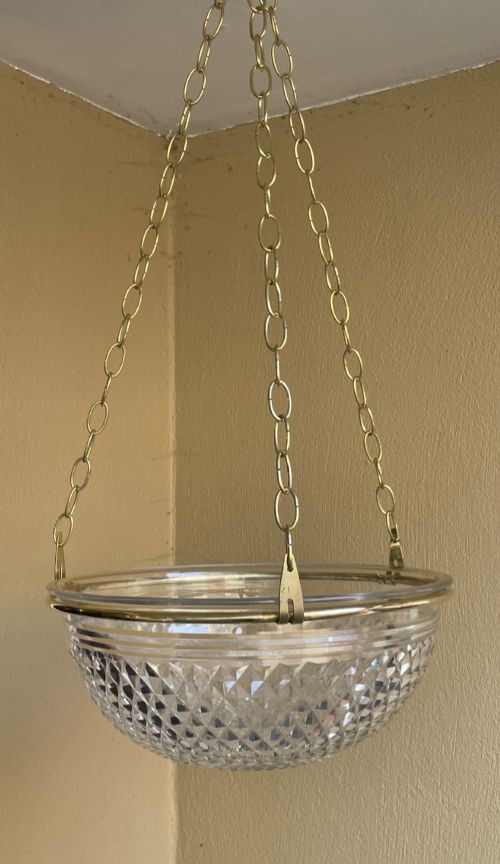
- A pattern of sharp, closely spaced pyramidal facets resembling the hobnails on traditional boots. This style appears frequently on Georgian and Victorian drinking vessels and bowls.
- Lead crystal
- Glass containing a high proportion of lead oxide, increasing the weight, refractive index, and softness for deep cutting. This material gives antique bowls their distinct brilliance and ringing tone.
- Ormolu
- Gilt bronze ornamentation applied to furniture and glassware mounts, particularly popular in French Empire and Victorian designs. It provides a rich golden contrast to clear or coloured crystal.
- Guilloche
- An intricate, repetitive geometric pattern engraved mechanically onto metal surfaces, often seen beneath translucent enamel on silver bowl lids. This technique adds fine texture to Edwardian and Art Deco pieces.
Cut Crystal Bowl: Frequently Asked Questions
How do I tell Georgian cut crystal from Victorian pieces?
Georgian vessels often display hand-blown irregularities, thicker pontil marks on the base, and simpler, deeper geometric cuts such as flutes or wide diamonds. The glass metal itself may carry a slight grey or warm tone.
Victorian pieces generally exhibit sharper, more complex machine-assisted cutting techniques and heavier lead crystal compositions. They also frequently incorporate elaborate pedestals or silver-plated rims.
Were these bowls used for food originally?
Many of these vessels served functional roles at the dining table, holding fruits, sweetmeats, punch, butter, or condiments during formal meals. Deeper bowls accommodated floating floral arrangements or iced dishes.
Smaller variants acted as finger bowls or trinket containers on dressing tables. Over time, their primary function shifted towards decorative display within domestic interiors.
What is flashed or over-crystal glass?
Flashed glass consists of a clear crystal body coated with a thin layer of coloured glass, such as cobalt blue, green, or red. Cutters then slice through the coloured outer layer to expose the clear crystal underneath.
This technique creates a strong contrast between the vibrant exterior colour and the sparkling clear facets. It appears prominently on nineteenth-century Bohemian and Belgian pieces.