
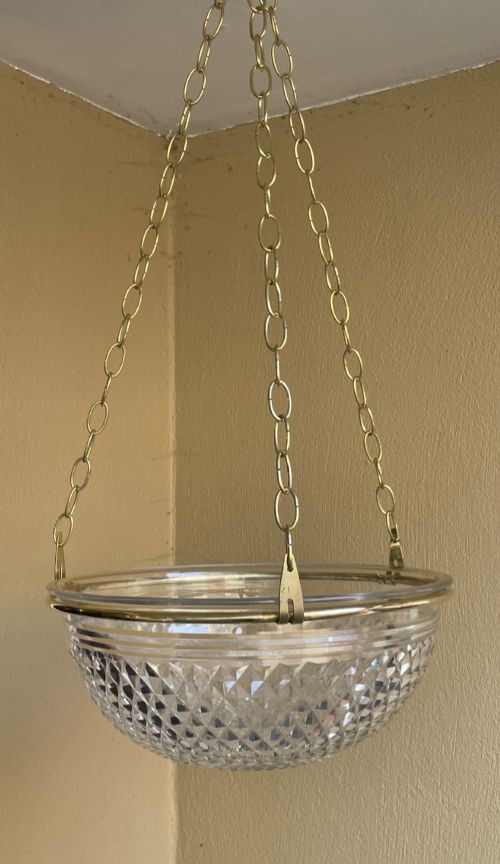
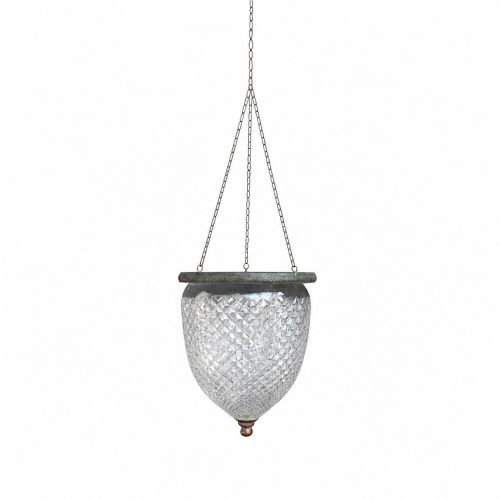


Diamond Cut Glass Bowl
These diamond cut glass bowl examples are brilliant Victorian and 19th century vessels that bring genuine sparkle to any table.
What these pieces are
A diamond cut glass bowl is a decorative or centrepiece vessel produced during the 19th century, drawing on Victorian and Regency styles. These items serve as functional tableware or striking display pieces for the home.
The pieces on this page span the 19th century, featuring specific examples from 1830, 1850, 1880, and the Edwardian period. Forms range from large centrepiece bowls to smaller decorative bowls and hobnail pattern vessels.
How they were made
Manufacturing relies on cut glass and lead crystal materials, shaped into distinctive decorative forms. Artisans applied mechanical cutting wheels to create precise geometric patterns across the surface.
Techniques include cross cut diamond and fan cuts, alongside star cut bases and hobnail patterns. This meticulous wheel-cutting creates deep facets that catch and refract light.
Early glass cutters worked in deafening workshops with heavy wheels, leaving their hands permanently scarred from holding glass against spinning stone.
What varies in quality
Quality rests in the crispness and depth of the facets, where sharper, more uniform diamond cuts reflect superior craftsmanship. The clarity of the lead crystal also dictates how brilliantly the vessel handles light.
The complexity of the design alters the overall character, moving from simpler hobnail surfaces to intricate combinations of cross cut diamond and fan cuts. Centrepieces with star cut bases demonstrate a higher degree of finishing.
The Diamond Cut Glass Bowl Glossary
- Cut glass
- Glassware shaped and decorated by holding it against a rotating wheel, creating faceted geometric patterns. This method defines the primary ornamentation on 19th century vessels.
- Lead crystal
- A heavy glass variety containing lead oxide, known for its high refractive index and clarity. It allows for deeper cutting and a brighter sparkle.
- Hobnail pattern
- A raised, repetitive texture resembling the hobnails used in boot soles. It creates a tactile, bumpy surface across the bowl.
- Star cut base
- A decorative motif engraved into the underside of a vessel, resembling a multi-pointed star. This detail adds refinement to the bottom of the piece.
Frequently Asked Questions
What is a diamond cut glass bowl used for?
These vessels function primarily as decorative centrepieces on dining tables or sideboards. Historically, they held fruit, flowers, or sweetmeats during formal meals.
Today, they serve as standalone decorative objects that showcase period craftsmanship. Their reflective surfaces make them suitable for catching natural light near windows.
How do I date a cut glass bowl?
Dating relies on stylistic clues, cutting techniques, and material composition seen in Victorian and 19th century examples. Deeper, heavier lead crystal often points towards earlier manufacturing methods.
Specific motifs like cross cut diamond patterns or star cut bases help narrow the production era. Comparing the weight and clarity against known period pieces provides further context.
How do I clean and care for antique glass?
Wash these vessels by hand using lukewarm water and a mild detergent to protect the delicate facets. Avoid sudden temperature changes to prevent thermal shock in old crystal.
Place a towel in the bottom of the sink to cushion the heavy lead crystal during washing. Dry with a lint-free cloth to maintain the brilliance of the diamond cuts.
Are these bowls suitable for daily use?
While durable, antique lead crystal benefits from careful handling rather than heavy everyday service. Using them for display or occasional dining preserves their historical surface.
Keep them away from the edge of tables and modern dishwashers. Treating them with gentle care ensures the faceted patterns remain crisp.