

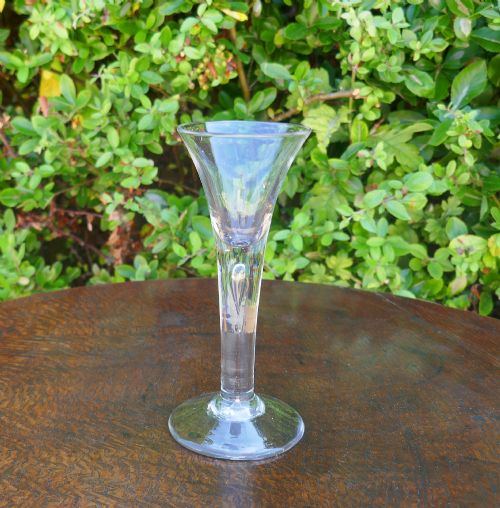
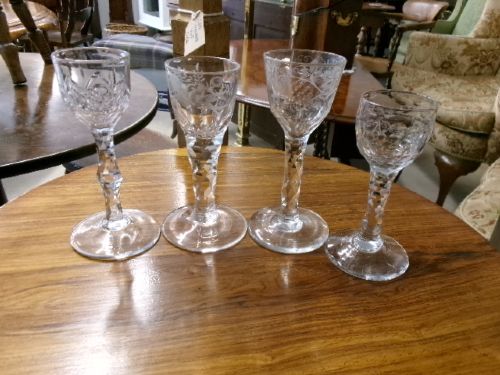
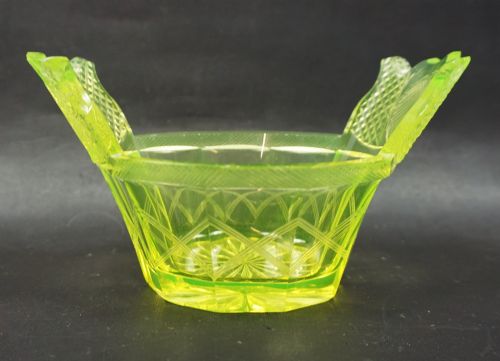
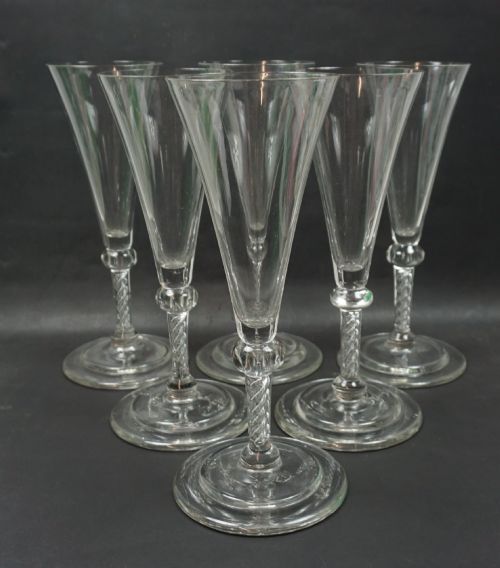


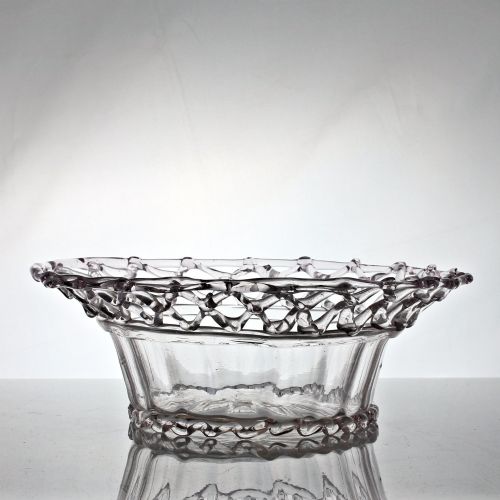

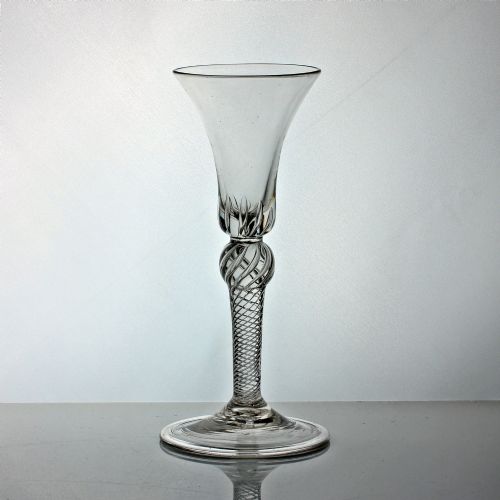
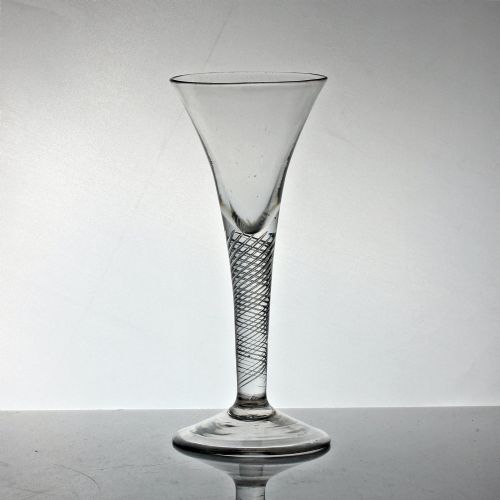
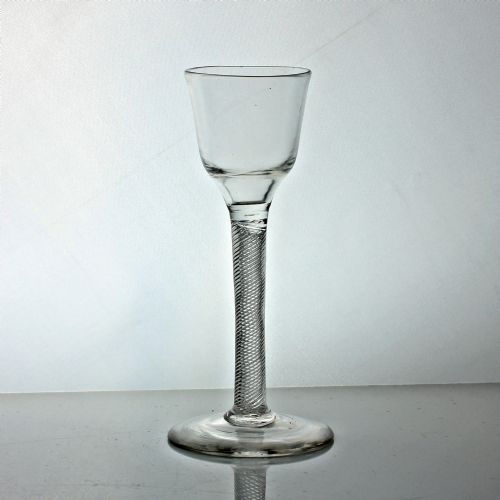
Georgian Glass Bowl
A georgian glass bowl brings tactile weight and rich colour to a table, spanning deep cobalt, vibrant emerald, and brilliant clear lead crystal.
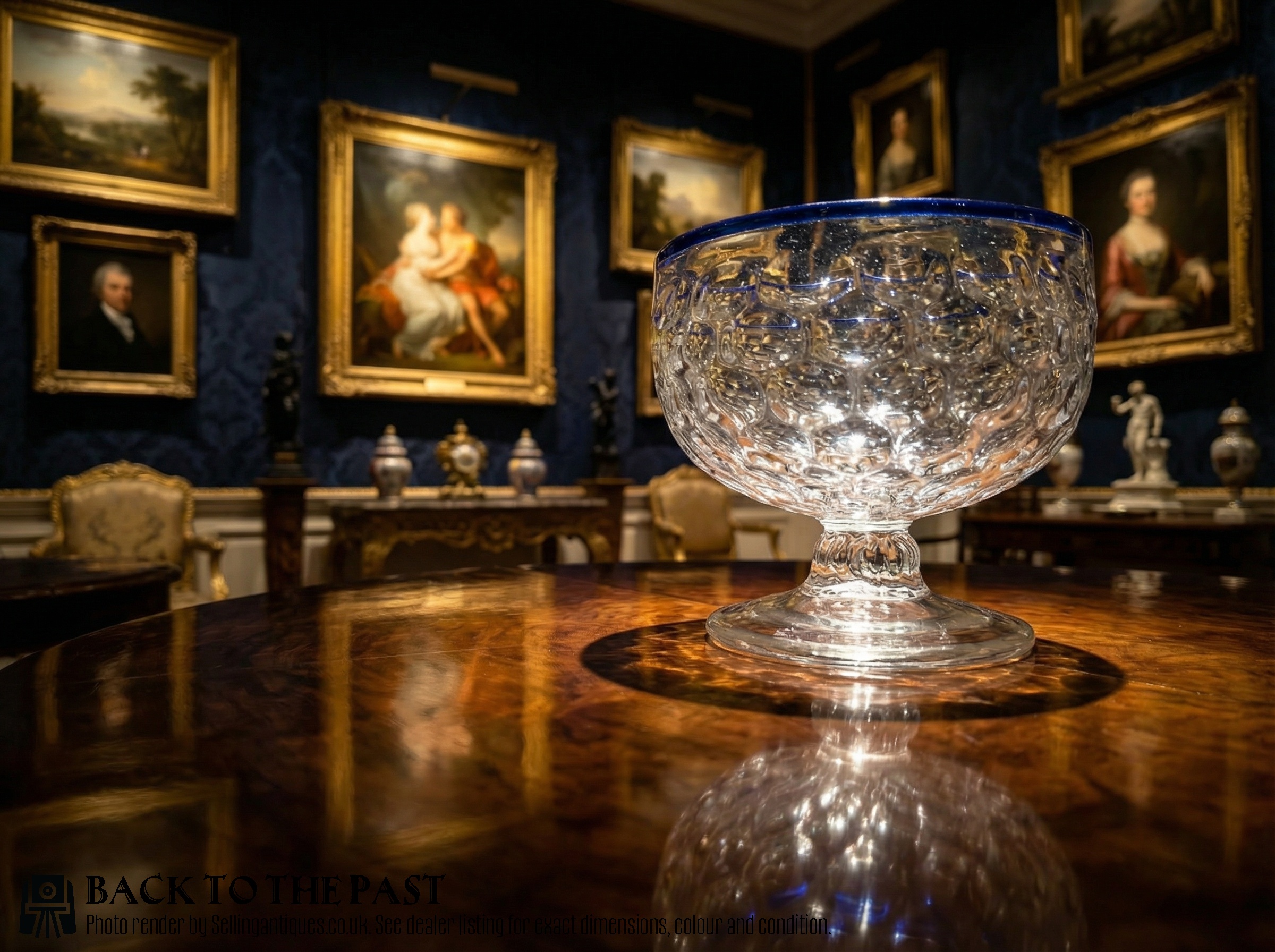
Form and Period
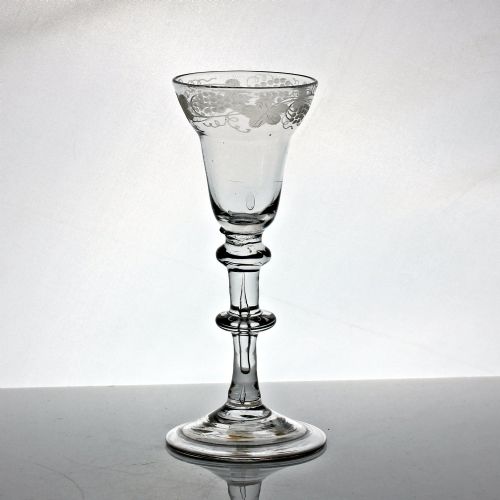
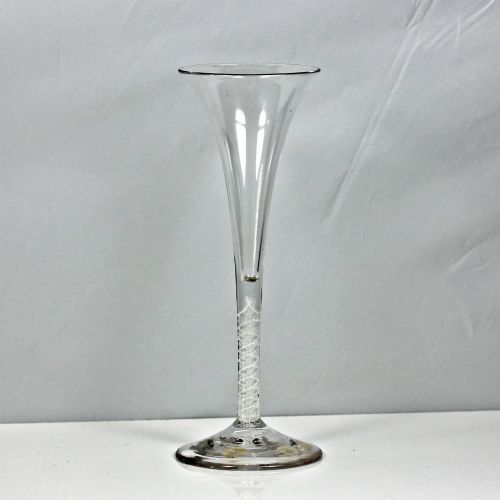
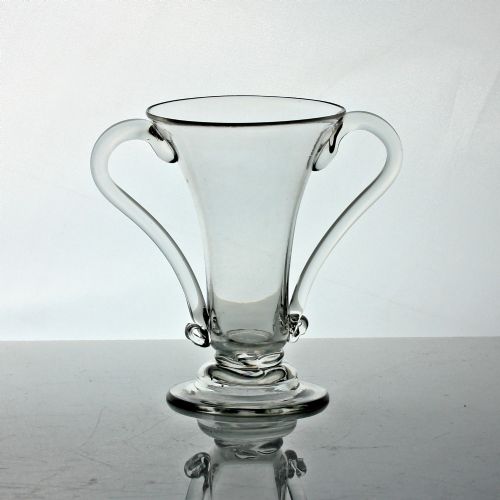
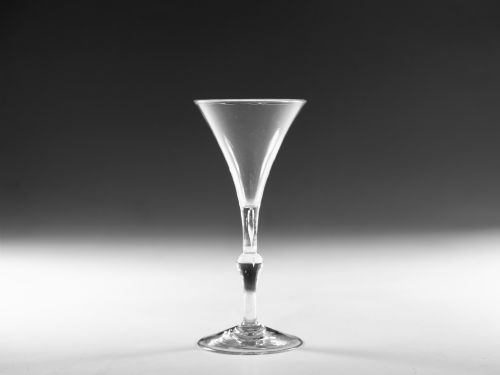
A georgian glass bowl encompasses various domestic vessels from the eighteenth and early nineteenth centuries, ranging from tea mixing bowls and sugar basins to sweetmeat dishes and large table centrepieces. These pieces reflect the dining and entertaining habits of the period, often serving specific functions such as holding sugar, preserves, or butter.
The selection includes examples from both English and Irish glasshouses, alongside continental European production such as Bohemian pieces. Forms vary from simple ovoid and bucket bowls to turnover rims, pedestal stems, and footed vessels.
Dating relies on stylistic markers and manufacturing traits typical of the eighteenth century and the Georgian era, extending into the early decades of the nineteenth century. Buyers encounter both plain blown forms and heavily cut or engraved variations.
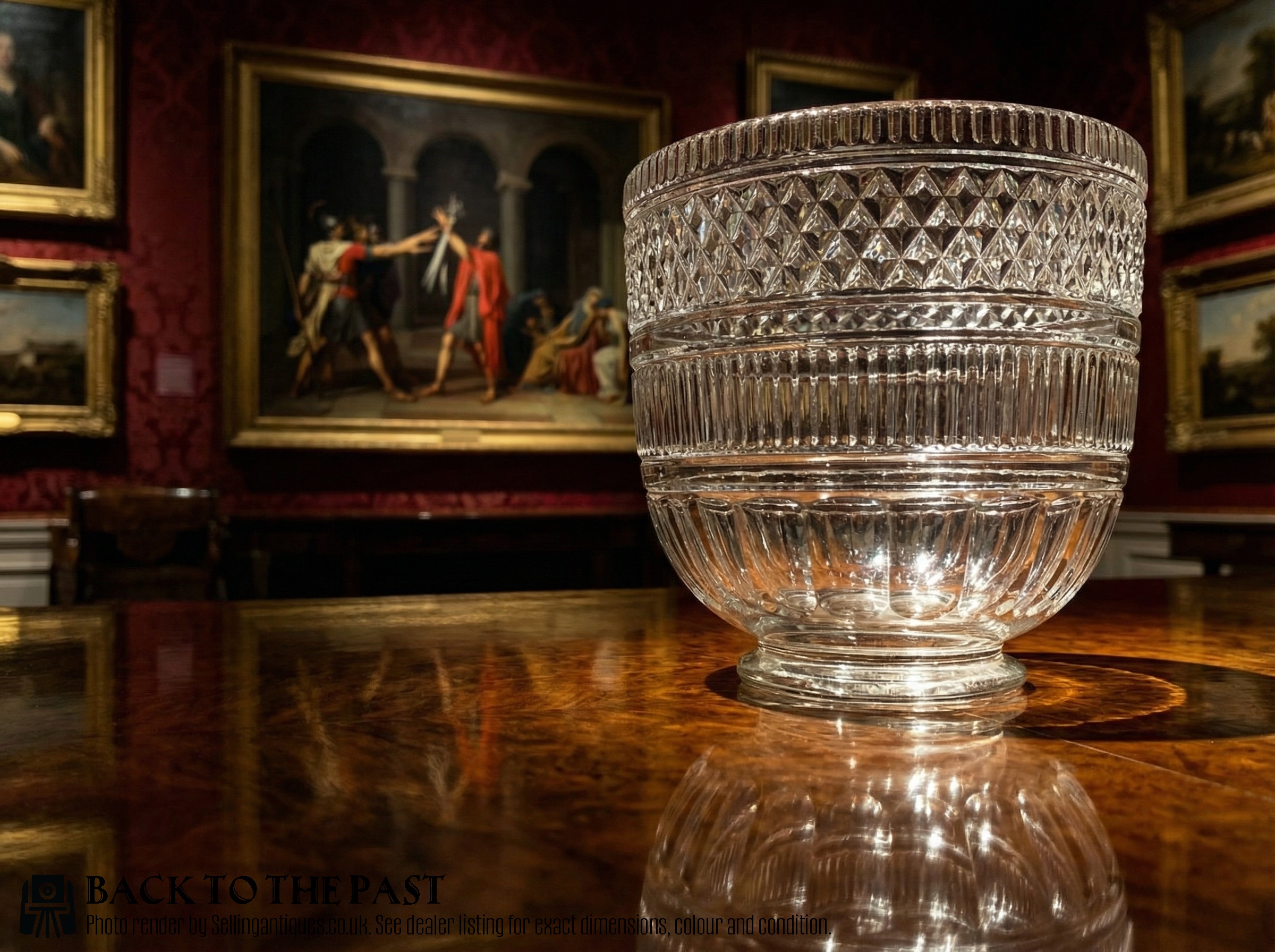
Materials and Technique
Makers utilised lead crystal, hand-blown glass, and specialised coloured metals including cobalt glass, emerald green glass, uranium glass, and white opaline. The addition of lead oxide produced a heavier, more resonant material capable of holding deep refractive cuts.
Techniques range from free-blowing and mould-blowing to rib-moulding and wrythen twisting. Surface decoration involved wheel-cutting, diamond-point or copper-wheel engraving, hand-painting with enamel, and acid etching.
Retail Price Guide 2026
Typical UK retail prices for georgian glass bowl, calculated from the Sellingantiques database of over a million retail prices indexed since 2003. This retail price guide relies exclusively on Sellingantiques data; no external sources or auction records are used, so the figures do not describe the wider market.
Some sugar bowls come paired with cream jugs, ready for tea services poured centuries ago.
Evaluating the Pieces
Quality rests in the clarity and weight of the metal, the precision of the cutting or engraving, and the overall proportion of the vessel. Superior lead crystal displays a bright, clear resonance and deep, crisp facets that catch the light without distortion.
Colour consistency and depth differentiate standard production from more desirable pieces, particularly in rich cobalt, emerald, and uranium glass bowls. The finesse of secondary details, such as an applied foot, a folded rim, or a finely turned finial, indicates the hand of a skilled maker.
The Georgian Glass Bowl Glossary
- Bucket bowl
- A straight-sided glass bowl with slightly flaring walls resembling the profile of a wooden bucket. This shape provides stability and substantial capacity for rummers and large serving vessels.
- Ogee bowl
- An S-curve profile featuring a concave lower section curving into a convex upper rim. This graceful contour appears frequently on eighteenth-century wine glasses and decorative bowls.
- Wrythen
- A spiral moulding effect created by twisting the molten glass while blowing it into a ribbed mould. It imparts a dynamic, optical movement to the body of the vessel.
- Cut glass
- Glass decorated by holding the vessel against a rotating abrasive wheel to carve geometric or floral facets. Anglo-Irish pieces from the period often feature deep, heavy cutting.
- Folded foot
- A base edge doubled back underneath itself during formation to create a thickened, rounded rim. This technique adds structural strength to the foot of the vessel.
Frequently Asked Questions
How were georgian glass bowls used?
These vessels served various domestic functions at the dining table and in the drawing room. Many functioned as sugar basins, preserve pots, or tea mixing bowls alongside matching cream jugs.
Larger examples acted as centrepieces or rummer bowls for communal drinking and serving. Their presence reflected the growing importance of tea, sugar, and fine spirits in polite society.
What is the difference between lead crystal and standard glass?
Lead crystal incorporates lead oxide into the batch, which increases the weight, density, and refractive index of the material. This composition allows for deeper, sharper cutting and produces a resonant ring when struck.
Standard or lime glass feels lighter and lacks the same prismatic brilliance. The heavier lead metal was particularly favoured for the substantial Irish and English cut bowls of the period.
How can I tell Irish glass from English glass?
Irish glass from this era often exhibits a distinct blueish tint in the metal and exceptionally deep, bold cutting. Irish glasshouses operated under different tax laws, allowing makers to use heavier amounts of lead and produce massive, highly refractive tableware.
English pieces can be lighter in weight and feature more restrained engraving or surface decoration. However, attribution remains difficult because workers frequently moved between English and Irish factories.