

Pedestal Fruit Bowl
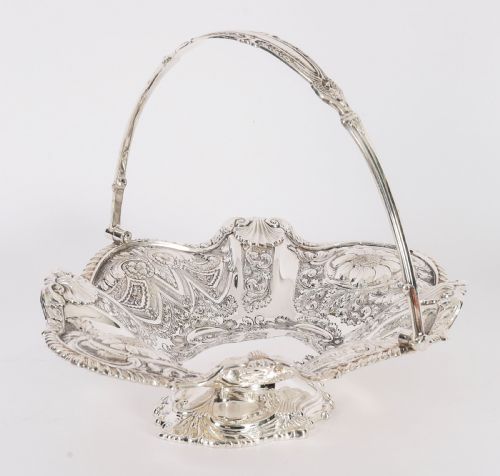
A pedestal fruit bowl elevates the dining table, offering a raised stage for displays of fruit using forms spanning the Georgian, Victorian, and later periods.
Pedestal Fruit Bowl
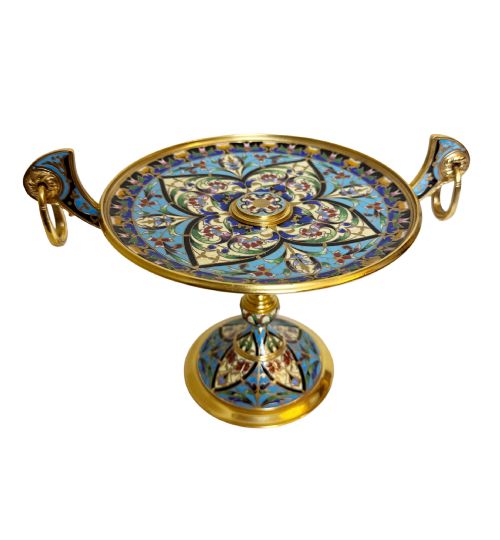
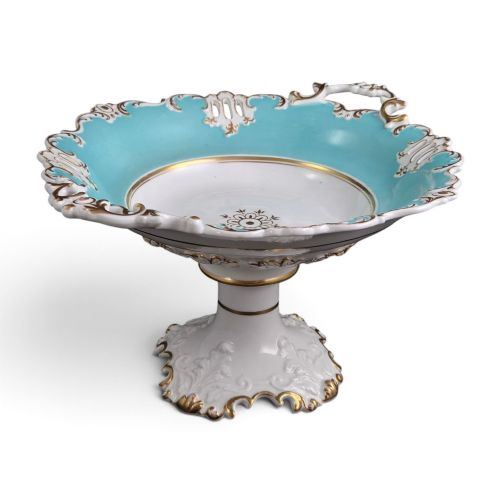
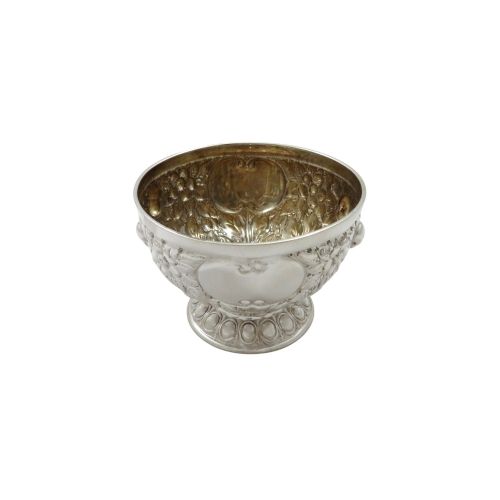
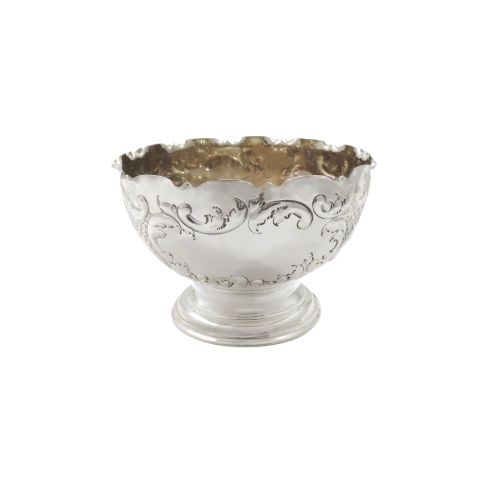
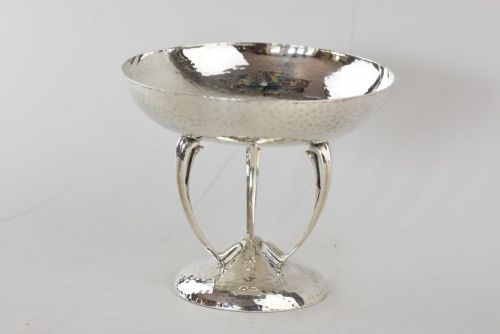
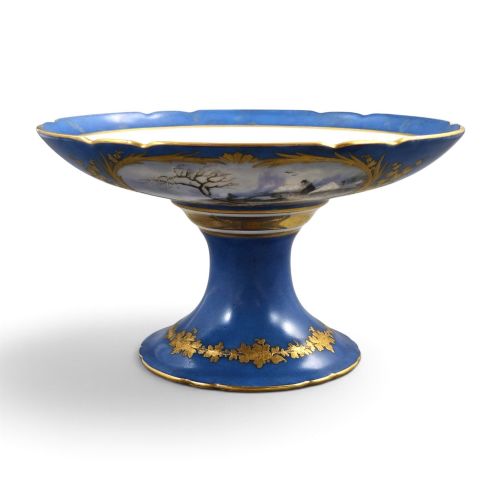
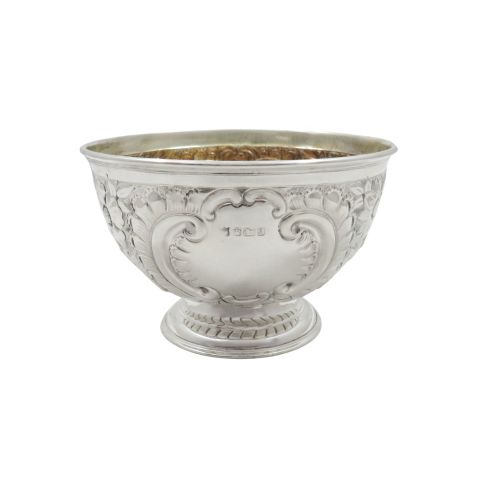
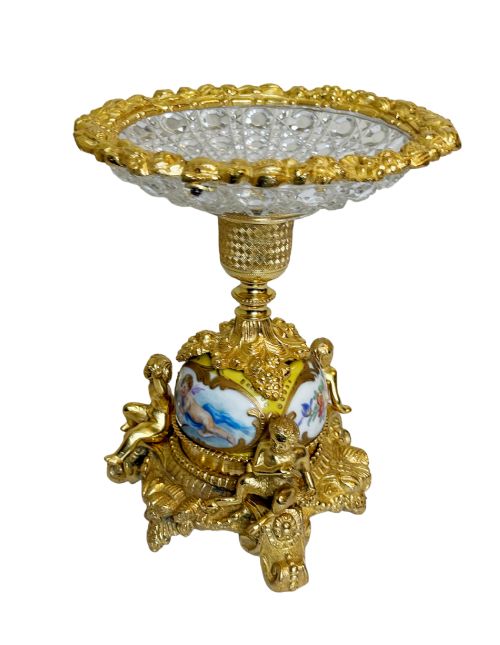
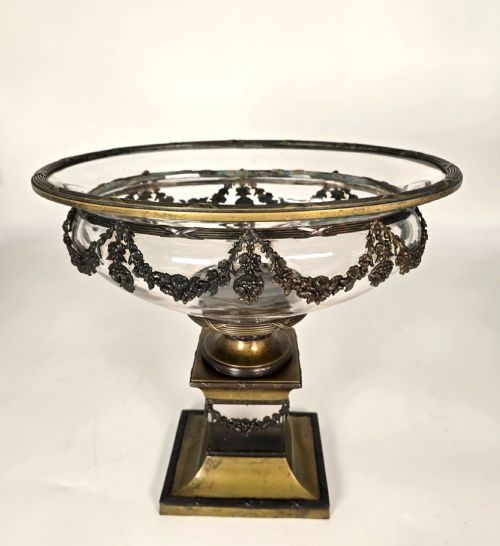
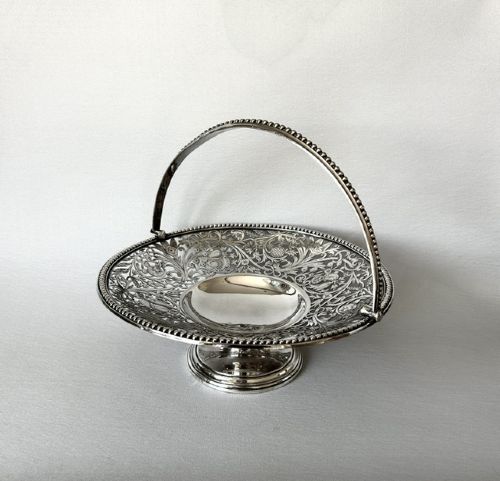
A pedestal fruit bowl combines a raised foot with a wide bowl, serving as a focal point for the centre of a table or sideboard. These pieces appear in forms such as tazzas, comport dishes, and centrepieces designed to hold fruit or act as standalone decorative objects.
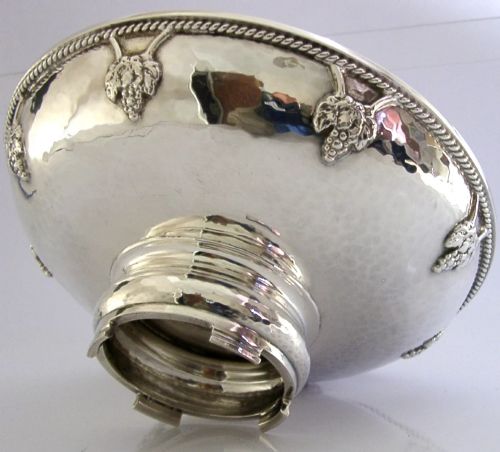
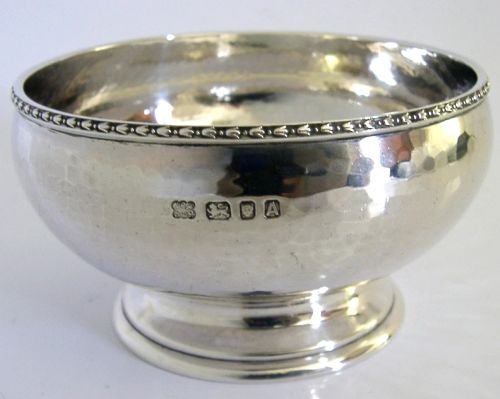
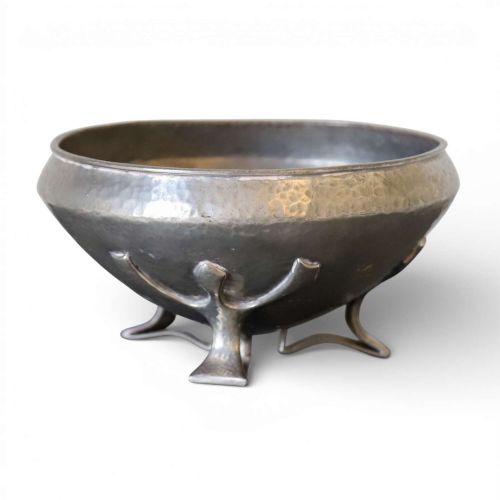
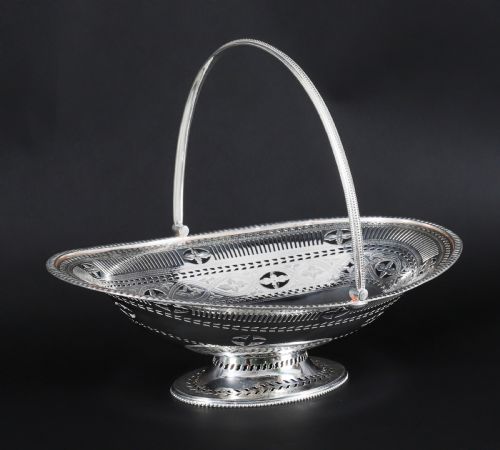
The selection ranges from early Georgian ironstone and cut glass standing bowls to mid-Victorian silver-plated baskets and porcelain tazzas. Later examples extend into the twentieth century with Arts and Crafts hammered silver, Art Deco designs, and oak centrepieces.
Origin points span English, French, German, Chinese Canton, and Anglo-Indian workshops, demonstrating diverse regional interpretations of raised serving vessels across the nineteenth and twentieth centuries.

Materials and construction
Silversmiths and metalworkers shaped sterling silver, silver plate, pewter, and gilt bronze through casting, piercing, repoussé work, and planished hammering. Many pieces mount glass, crystal, or porcelain bowls into metal frames or onto integrated metal pedestals.
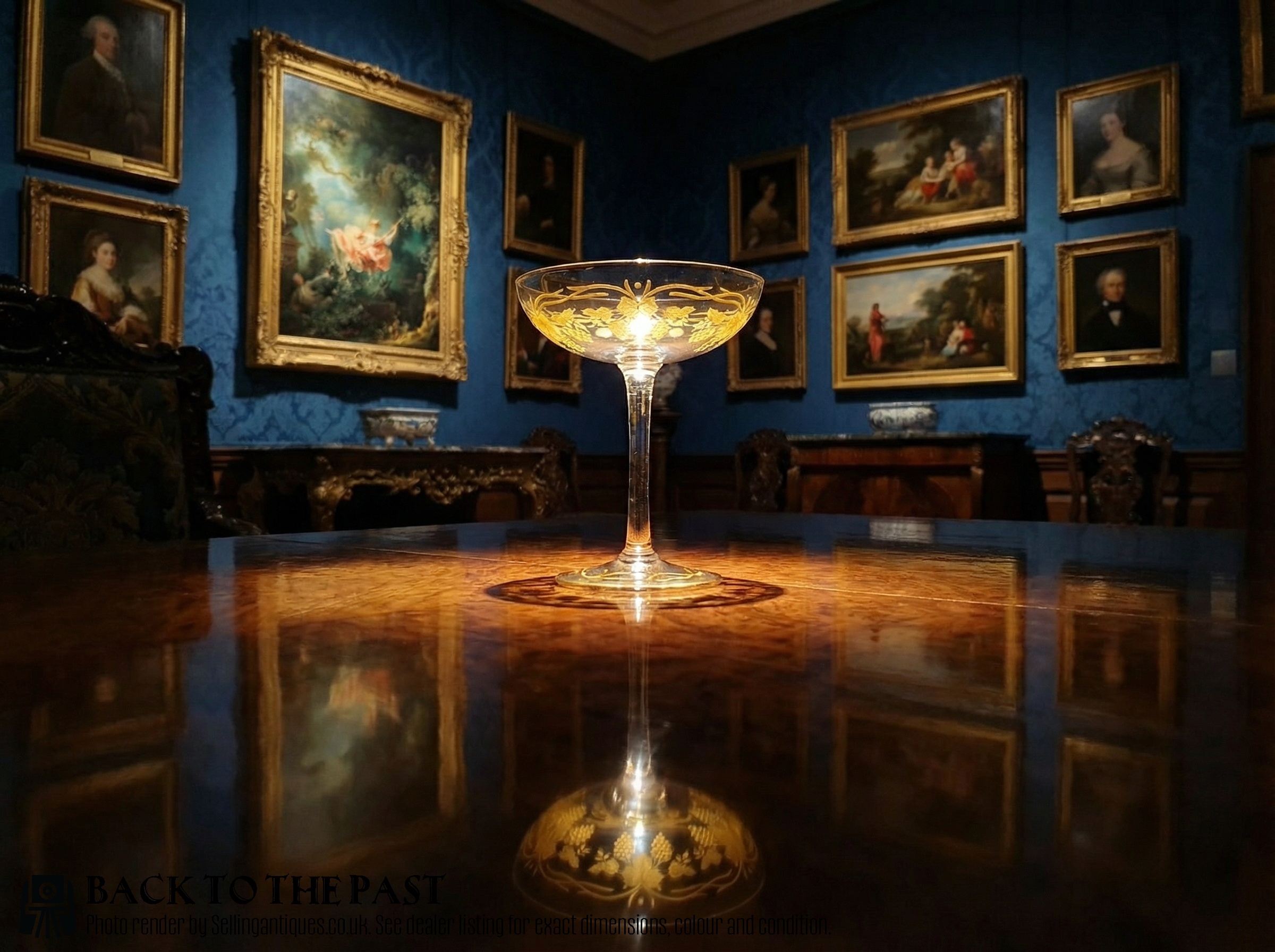
Ceramic examples employ earthenware, bone china, ironstone, and majolica, decorated with printed transfer patterns, hand painting, or moulded botanical motifs like begonia leaves and fruiting vines. Glass pieces utilise heavy cut crystal, pressed glass, or cameo techniques to catch the light from multiple angles.
Pedestal Fruit Bowl Retail Price Guide 2026
Typical asking prices for pedestal fruit bowl among the pieces listed under this phrase on Sellingantiques today, from the lower quarter to the upper quarter. They describe what is for sale here now, not the wider market.
Materials span sterling silver, porcelain, cut glass, earthenware, pewter, and gilt bronze across multiple centuries.
Judging quality and execution
Quality rests upon the crispness of the casting, the depth of hand-chased or hammered detail, and the harmony of proportions between the bowl and its supporting foot. Superior examples display careful finishing on hidden surfaces and precise registration of maker marks or signatures.
The weight of the metal, the clarity and ring of the cut glass, and the complexity of ceramic glazing separate standard production items from exceptional workshop commissions.
A E Jones·Goldsmiths and Silversmiths Company·Liberty & Co·Oliver Baker·Charles Boyton·George W. Scott and Sons·Walker and Hall·Joseph Rodgers·Elizabeth Graydon Stannus
The Pedestal Fruit Bowl Glossary
- Tazza
- A shallow bowl or flat-topped dish raised on a standard or foot. This form derives from Renaissance dining traditions and often functions for serving fruit or small cakes.
- Comport
- A footed dish or bowl used on the dining table for fruit or sweetmeats. The term appears frequently in nineteenth-century ceramic and glass descriptions.
- Repoussé
- A metalworking technique where the artisan hammers the design from the reverse side to create a raised relief pattern on the front. It requires considerable skill to maintain even wall thickness.
- Planished
- A metal surface finished by striking with a small-faced hammer, leaving regular, flat facets that catch the light. This finish is a hallmark of the Arts and Crafts movement.
- Ironstone
- A heavy, durable type of earthenware patented in the nineteenth century to imitate porcelain. It provides a robust body for transfer-printed and hand-painted table wares.
Pedestal Fruit Bowl: Frequently Asked Questions
What is a tazza?
A tazza is a shallow footed dish designed to hold fruit, sweetmeats, or small decorative items on a table.
Unlike deep bowls, the open form places the contents on display at an elevated level.
How were centrepieces used?
Centrepieces occupied the middle of large dining tables during formal meals, often holding fruit or flowers.
They served as decorative focal points that demonstrated the host's taste and wealth to assembled guests.
How do I clean silver bowls?
Silver bowls require gentle cleaning with a specialist polish and a soft cloth to protect the metal surface.
Avoid abrasive materials that can wear away thin silver plating or soften hand-hammered details.
Are glass bowls fragile?
Cut glass and crystal bowls feature thick, heavy walls that provide stability during normal handling and use.
Care must still be taken to hand wash them in lukewarm water, as thermal shock can crack antique glass.