


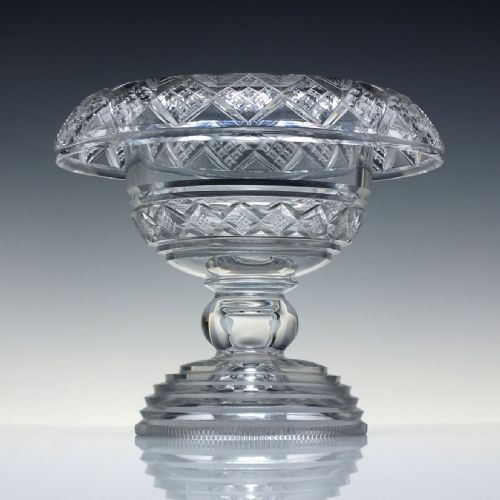

Cut Glass Fruit Bowl
A cut glass fruit bowl brings weight, sparkle and architecture to a dining table.
Cut Glass Fruit Bowl
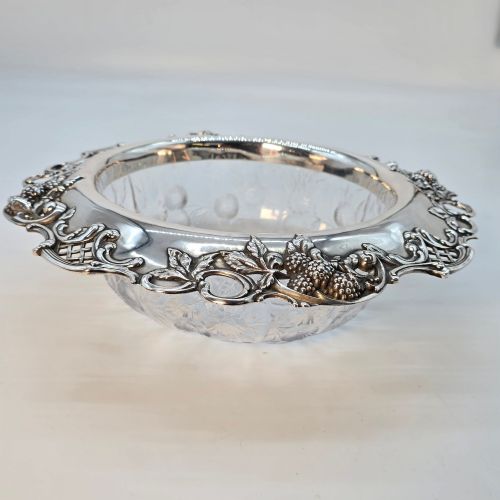
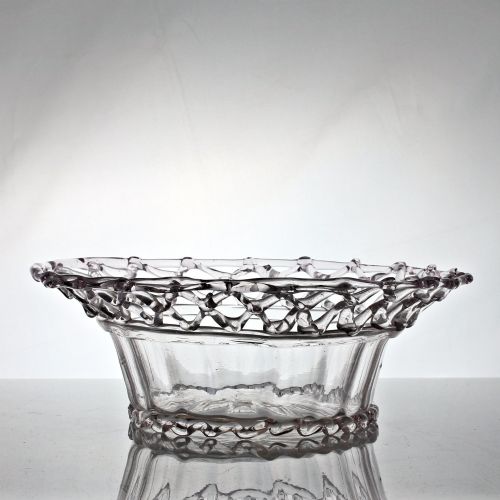
A cut glass fruit bowl is a heavy, faceted vessel designed for display and serving, appearing across Victorian, Edwardian and Georgian periods.
You will most commonly meet Edwardian and Victorian examples on this page, alongside earlier Georgian standing bowls and later Art Deco iterations.
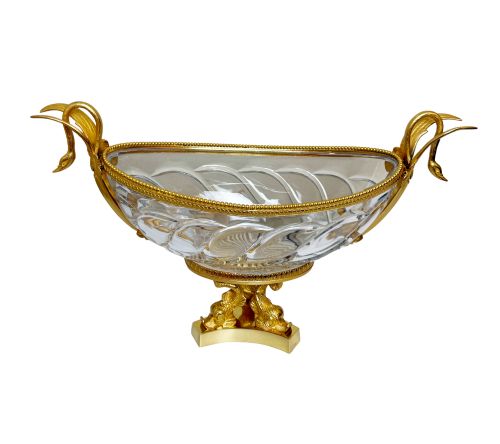
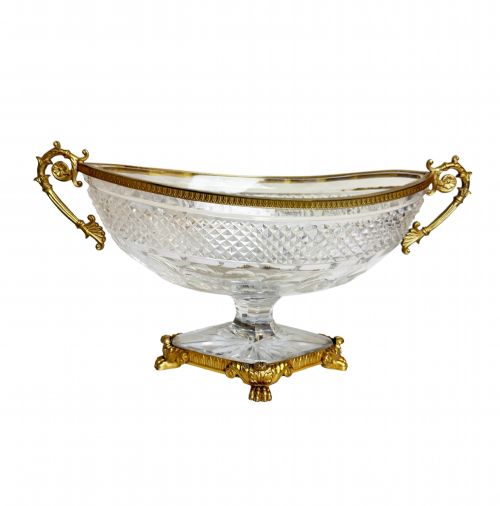
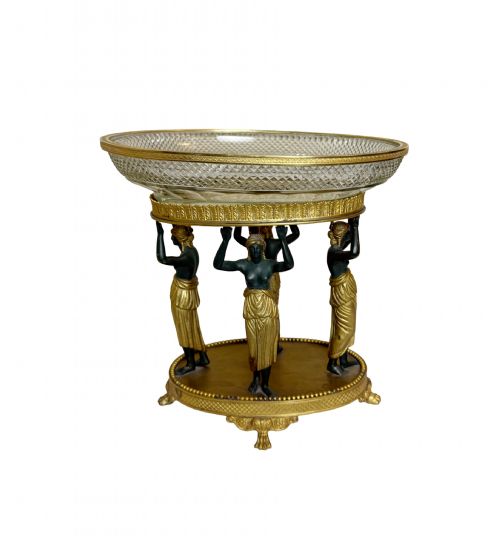
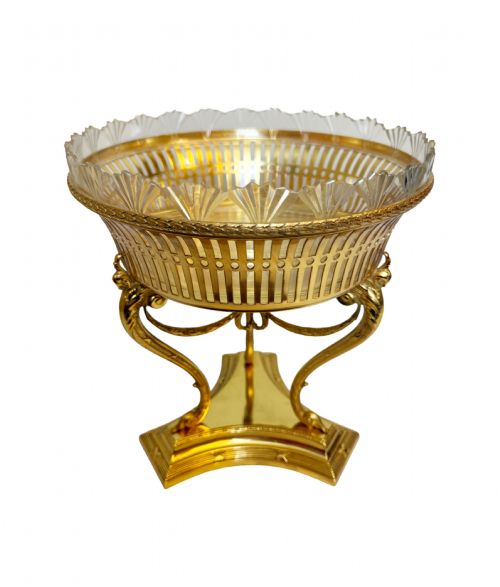
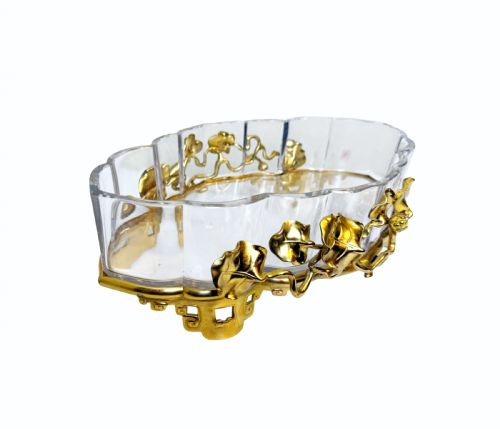
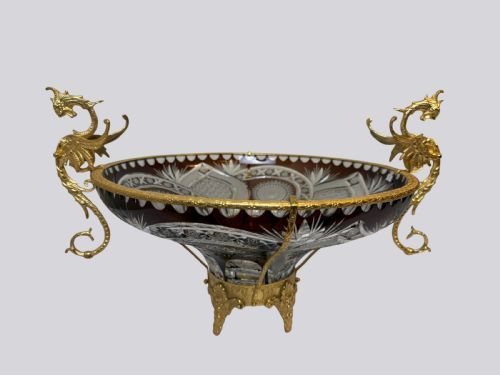
Makers combine cut lead crystal and clear glass with metal mounts in forms ranging from simple dishes to elaborate table centrepieces.
Materials and technique
Glassmakers form these bowls using lead crystal and heavy glass, often shaping them by hand-blowing or moulding before cooling.
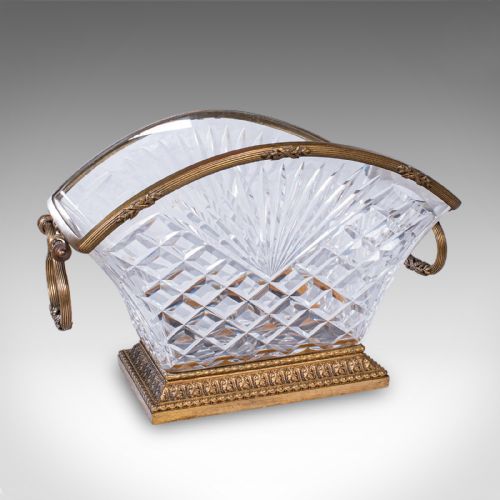
Craftsmen then cut deep geometric patterns, flutes or star motifs into the surface using wheels, achieving sharp refraction.
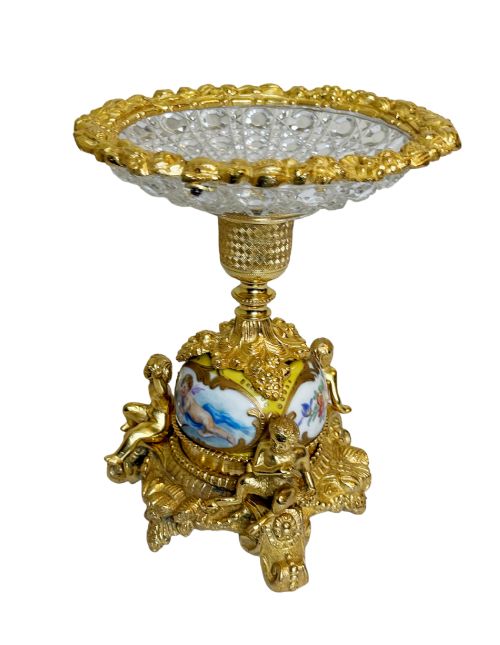
Mounts utilise gilt bronze, ormolu, silver plate and sterling silver, securing the glass inserts with cast metal framing and cherub or nautical detailing.
Listings feature lead crystal, silver plate, gilt bronze and coloured glass across Victorian, Edwardian and Georgian eras.
What separates the best from the rest
Quality rests in the depth and crispness of the wheel-cut facets, where superior examples show sharp edges and brilliant light refraction.
The weight and clarity of the crystal define the grade, alongside the thickness and integrity of the metal mounts in silver plate or gilt bronze.
Tiffany and Co·Val St Lambert·Stuart Crystal·Waterford·Christofle et Cie
The Cut Glass Fruit Bowl Glossary
- Cut glass
- Glass decorated by holding it against rotating wheels to grind linear or geometric patterns into the surface. This technique produces deep facets that catch and scatter light.
- Lead crystal
- Glass containing a high proportion of lead oxide, which increases weight, brilliance and softness for cutting. It forms the heavy body of superior bowls.
- Centrepiece
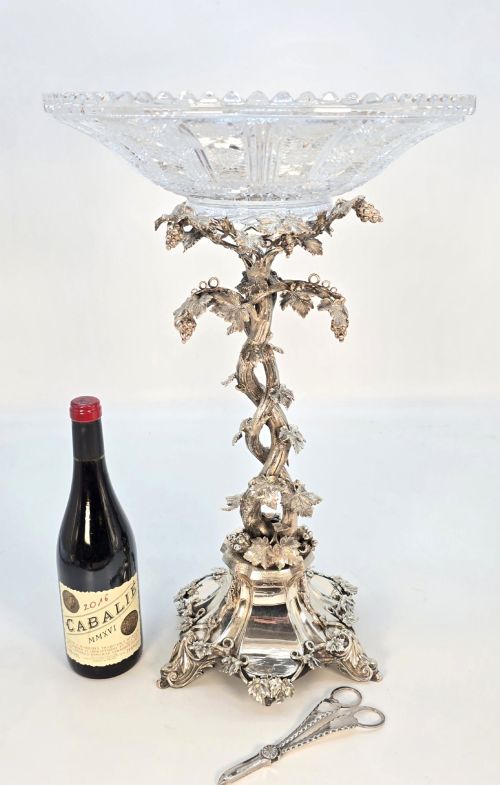
- A large decorative vessel placed in the middle of a dining table. These often combine glass bowls with metal stands or epergne frames.
- Ormolu
- Gilt bronze ornamentation applied to furniture and glassware mounts. It adds a warm metallic contrast to clear and coloured crystal.
- Tazza
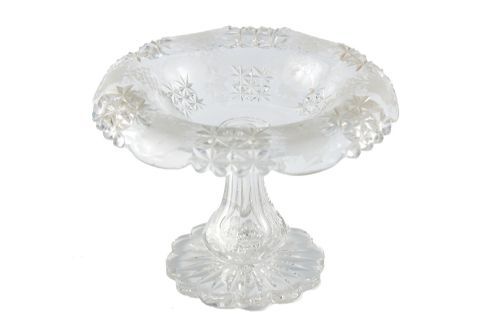
- A shallow bowl or dish raised on a pedestal foot. They appear frequently in Victorian and Edwardian dining arrangements.
- Hobnail pattern
- A raised, diamond-shaped glass-cutting motif resembling the hobnails on rustic boots. It creates a tactile, highly refractive surface texture.
Cut Glass Fruit Bowl: Frequently Asked Questions
How were they used?
These bowls served as table centrepieces holding fresh fruit, flowers or decorative displays during formal meals. They occupied the middle of the dining table to catch candlelight.
Larger versions often functioned as salad bowls or standing comports, sometimes accompanied by matching stands or silver-plated serving hardware.
How can I tell a Georgian bowl from a Victorian one?
Georgian and early 19th-century pieces often display hand-blown irregularities, thicker pontil marks on the base and simpler, broader cutting styles. Irish production from this era is particularly heavy.
Victorian and later bowls tend to feature more mechanical precision in the hobnail or star cutting, alongside machine-pressed elements and standardised metal mounts.
Can I use them for serving food?
Yes, lead crystal and glass bowls remain functional for serving dry fruit, salads or desserts during gatherings. Acidic foods should not remain in antique silver-plated mounts for extended periods.
Careful handling during washing prevents chipping on the heavy cut rims and pedestals.