


Tiffany and Co Silver
These tiffany and co silver pieces are crafted objects in sterling silver, crystal and glass that bring sophisticated period design to any dining table.
Tiffany and Co Silver
When you search for tiffany and co silver, you encounter functional tableware and decorative items spanning the nineteenth century through the mid-twentieth century. The selection ranges from flatware sets and condiment ladles to cocktail goblets and inkwells, reflecting the varied output of the maker.
Edwardian and Art Deco examples dominate the available forms, alongside Victorian pieces and mid-century items like envelope moisteners. These objects showcase distinct stylistic shifts from ornate neoclassical revival motifs to the geometric lines of the 1920s.
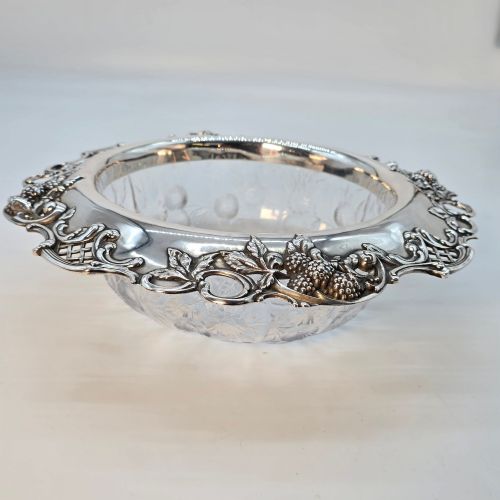
Most pieces on this page utilise sterling silver, frequently paired with crystal, glass, leather, or silk. Forms such as sauce boats, decanter labels, and decorative bowls represent the domestic utility and refined aesthetic expected from the workshop.
How they were made
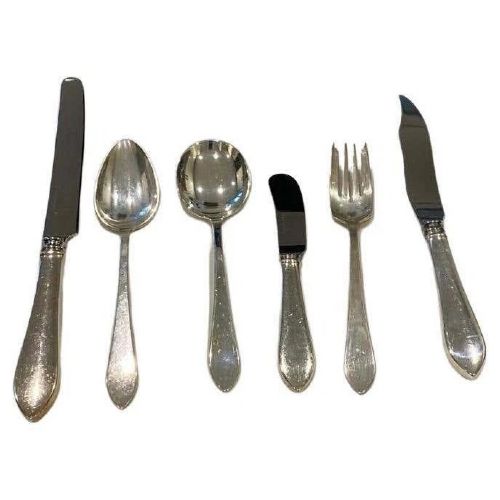
Makers utilised sterling silver as the primary medium, often combining it with hand-cut crystal, moulded glass, and vermeil finishes. Metalwork techniques included casting, chasing, and detailed engraving, visible on patterned flatware handles and decorative trays.
Mixed media items integrate leather, silk, and stainless steel components into the silver mounts. This construction requires precision fitting between the metalwork and fragile elements such as glass inkwells and crystal bowls.
An envelope moistener from the mid-twentieth century proves that correspondence once required dedicated silver machinery.
What varies in quality
Quality rests upon the crispness of the chased decoration, the weight of the sterling silver, and the proportion of the design. Heavier flatware sets and substantial hollowware show greater structural integrity during daily use.
The integration of secondary materials like crystal and glass affects the overall standard of the object. Clean, well-fitted mounts and unblemished glass elevate the piece above simpler utilitarian versions.
JC Moore·Paloma Picasso
The Tiffany and Co Silver Glossary
- Sterling silver
- An alloy containing ninety-two point five percent silver and seven point five percent other metals, chosen for durability. This standard defines the majority of the metal objects listed on this page.
- Vermeil
- Sterling silver plated with a thin layer of gold. This technique provides a rich two-tone appearance frequently utilised in decorative tableware.
- Hollowware
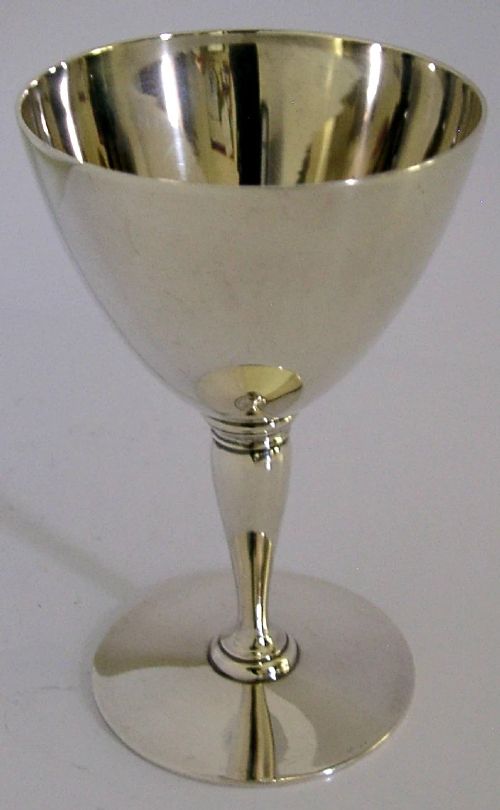
- Tableware items such as bowls, sauce boats, and goblets formed from sheet metal rather than cast solid. These pieces rely on skilled raising and spinning techniques during manufacture.
- Decanter label
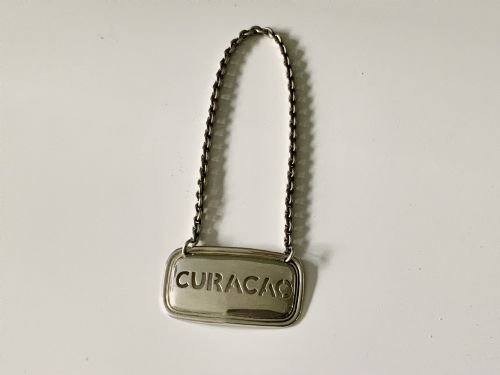
- A small silver tag hung by a chain around the neck of a decanter to identify the contents. They often feature cast or engraved ornamentation.
- Flatware set
- A coordinated collection of cutlery utilised for dining. Sets vary from individual place settings to comprehensive services spanning numerous pieces.
Tiffany and Co Silver: Frequently Asked Questions
How do I date these silver items?
Dating relies on maker marks, style periods, and documentary evidence associated with the specific object. Pieces often reflect the design vocabulary of their decade of manufacture, from Victorian ornamentation to Art Deco geometry.
Examination of stamps and hallmarks provides additional chronological context for when the workshop produced the item.
Are these pieces suitable for daily use?
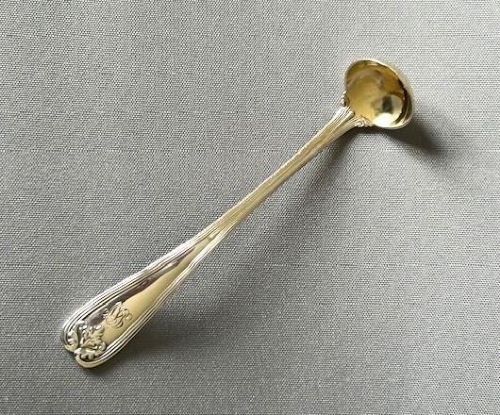
Many items, including flatware sets and condiment ladles, were designed for practical domestic service. Regular handling requires careful cleaning methods appropriate for sterling silver and associated materials like crystal.
Delicate items such as inkwells or decorative bowls require more cautious placement to preserve their structural condition.
What styles are common in this silver?
The inventory records pieces spanning Victorian, Edwardian, Art Nouveau, and Art Deco aesthetics. Colonial Revival forms also appear among the nineteenth and early twentieth-century offerings.
Each style dictates the ornamentation, from floral motifs to restrained geometric patterns.
What materials accompany the silver?
Silver works frequently incorporate crystal, glass, leather, silk, and stainless steel. Combined media pieces, such as silver-mounted inkwells and crystal bowls, demonstrate varied manufacturing techniques.
Vermeil finishes also appear, adding a layer of gold over the base sterling metal.