



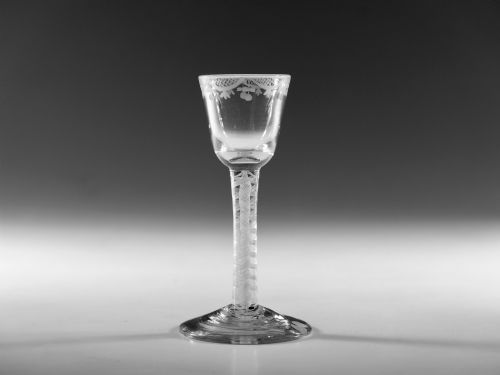
Georgian Crystal Bowl
A genuine georgian crystal bowl brings the unmistakable clarity and heavy feel of eighteenth-century glass to a modern table.
Georgian Crystal Bowl
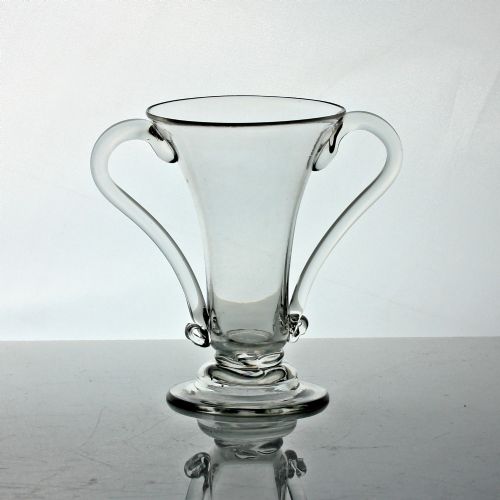
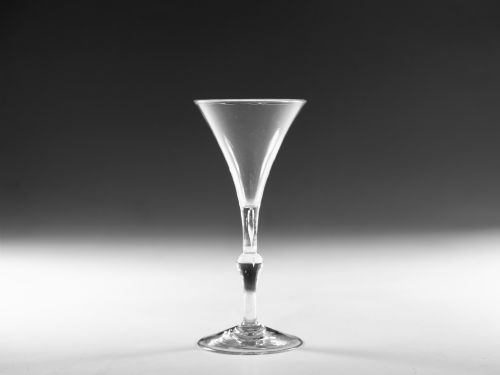
A georgian crystal bowl spans substantial standing fruit vessels, tea mixing bowls, and lidded butter dishes made during the eighteenth and early nineteenth centuries. These items are encountered alongside related drinking vessels and table glass from the same era.
The pieces originating from this period reflect domestic dining habits of Georgian households, where thick lead glass served both decorative and functional purposes. Surviving examples demonstrate the heavy substance and luminous quality characteristic of early British and Irish glasshouses.
How they were made
Makers utilised lead glass, flint glass, and lead crystal, compounds that allowed for deep facet cutting and superior refractive clarity. Molten metal was blown into moulds or gathered freehand before being shaped by skilled hands at the glasshouse furnace.
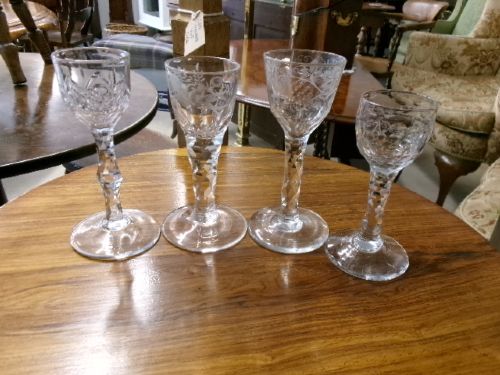
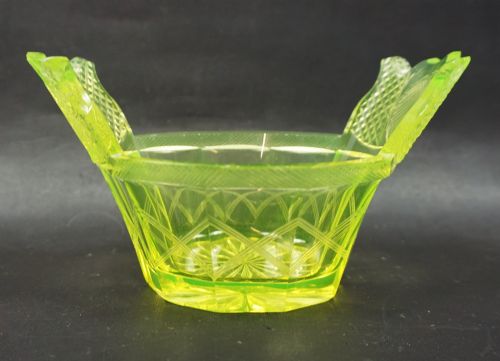
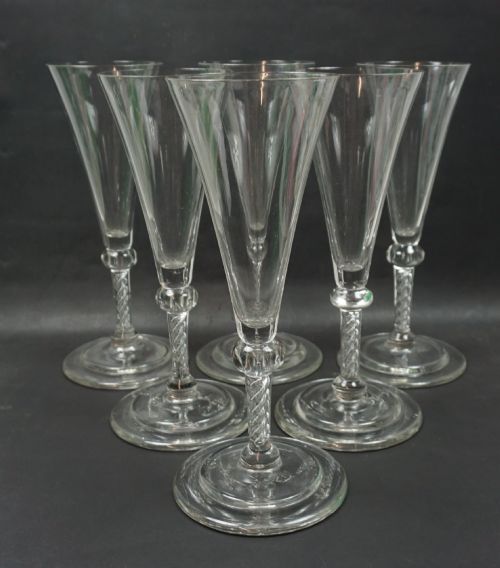
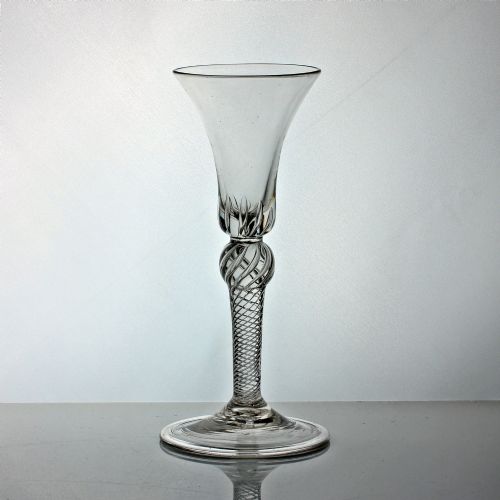
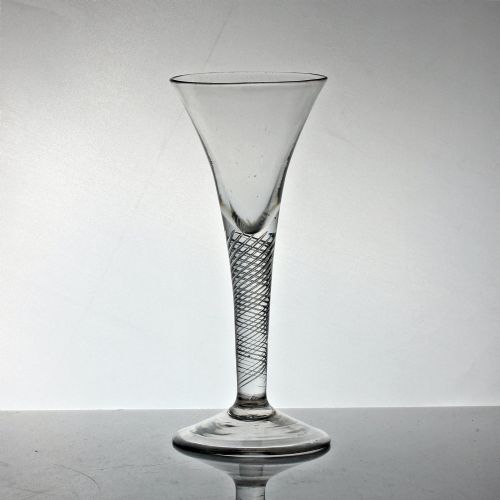
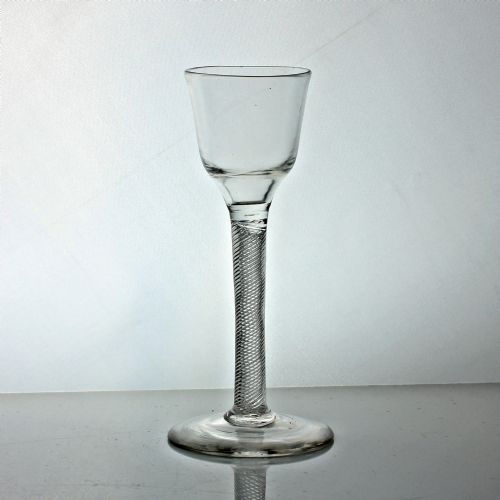
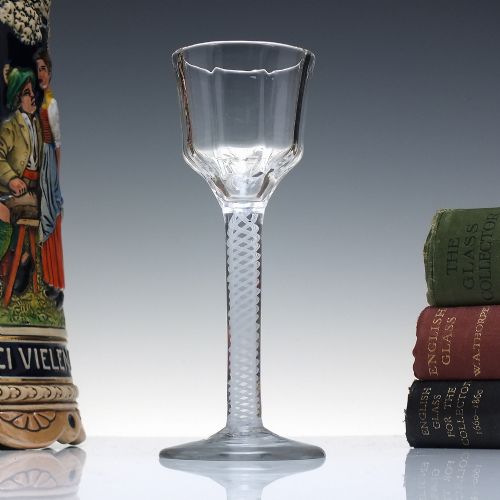
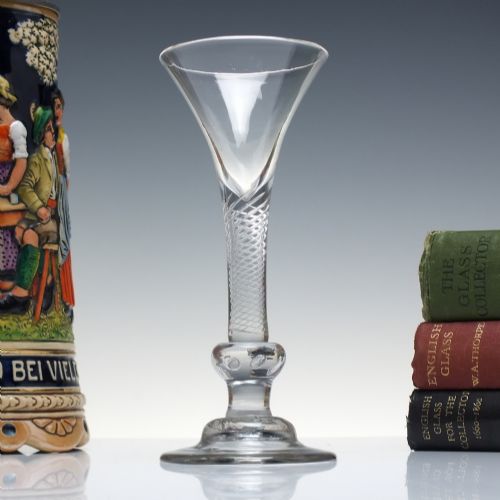
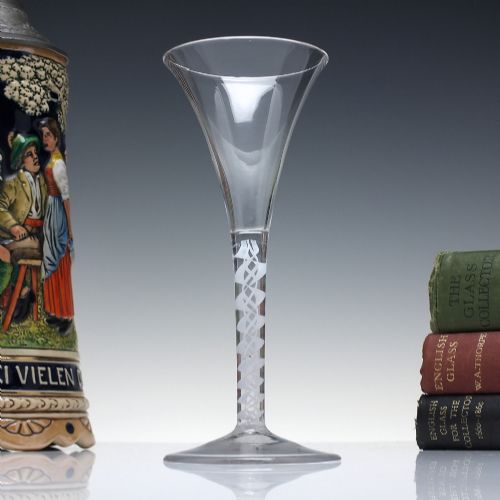
Surface decoration was achieved through wheel cutting, creating sharp geometric patterns like hobnails, or through internal manipulation such as air twists and opaque twists found in stemware. Final smoothing and polishing gave the glass its characteristic gleam.
What varies in quality
Quality rests upon the weight and purity of the metal, where heavier lead content yields a more resonant ring and deeper brilliance. Superior pieces display crisp, uniform cutting that feels sharp and deliberate to the touch rather than rounded or softened by over-polishing.
Proportion and stability also dictate the standing of a vessel, with better examples maintaining balanced walls and well-formed bases. The presence of natural manufacturing bubbles or minor tool marks often confirms age without detracting from the overall harmony of the form.
The Georgian Crystal Bowl Glossary
- Lead glass
- A type of glass containing lead oxide, which increases weight, clarity, and the ease of decorative cutting. This heavier composition defines the best Georgian table wares.
- Flint glass
- An early British term for high-clarity glass resembling quartz crystal. It provides the bright sparkle seen in period bowls and drinking vessels.
- Hobnail cut
- A raised, faceted surface pattern resembling the iron nails used on heavy boots. It catches the light across the body of rummers and bowls.
- Ogee bowl
- A bell-shaped vessel profile curving out at the rim and in at the base. This graceful contour appears frequently on eighteenth-century drinking glasses.
Georgian Crystal Bowl: Frequently Asked Questions
Can I use these bowls for food?
Most eighteenth and nineteenth-century bowls are safe for serving dry or cold foods like fruit, nuts, or sugar. Avoid exposing them to hot liquids or acidic contents for prolonged periods.
While functional, many collectors prefer to display these delicate vessels to protect them from modern kitchen wear and accidental chips.
How can I tell genuine Georgian glass?
Examine the piece under natural light for a soft greyish or warm tone rather than the bright green tinge common in later soda-lime glass. Look for a polished pontil mark on the underside where the vessel was snapped from the blowing iron.
Genuine examples often display minor surface wear and small air bubbles trapped within the heavy metal. These irregularities point to traditional hand-production methods before industrial automation.
What is the difference between lead glass and crystal?
Historically, the terms overlap significantly in British glassmaking, with lead glass forming the basis for what contemporaries termed crystal. Both contain high levels of metallic oxides that increase density and refractive power.
Modern legal definitions set precise percentages for crystal, but antique pieces rely on weight, ring, and clarity to demonstrate their superior composition.