




Lead Crystal Bowl
A lead crystal bowl brings weight, clarity, and brilliant refraction to a table, uniting centuries of glass-cutting skill in a single heavy vessel.
Lead Crystal Bowl
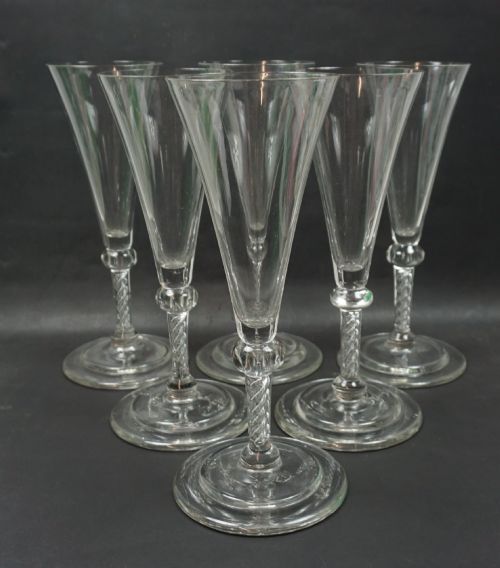
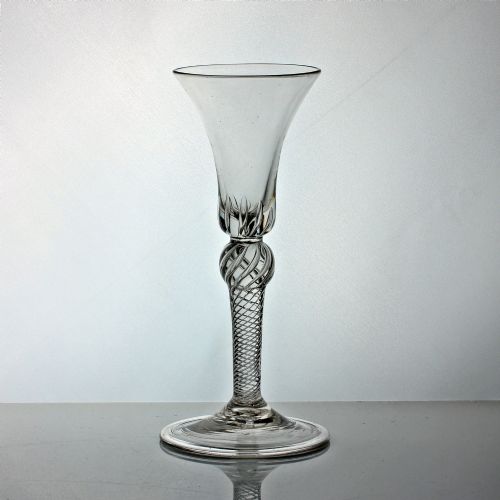
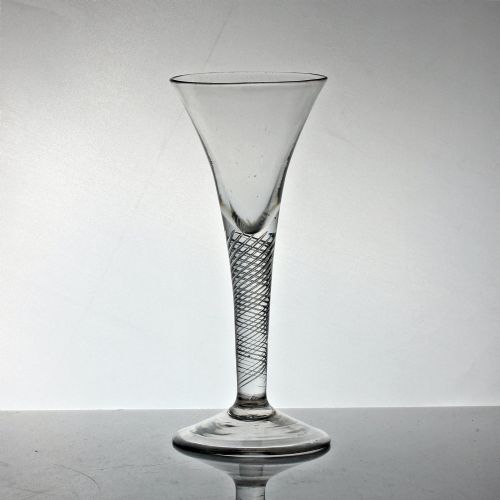
When you search for a lead crystal bowl, you encounter table vessels shaped across multiple periods from the eighteenth century to the twentieth. The selection spans Georgian, Victorian, Edwardian, and Art Deco eras, encompassing items designated as decorative bowls, centrepiece bowls, and lidded dishes.
The heavy vessels meeting this description include Irish cut glass standing bowls, late Georgian oval fruit bowls, and Victorian pedestal bowls. Alongside these larger table centrepieces, the listings contain smaller serving pieces such as cut glass dishes and butter tubs originating from Georgian and Edwardian workshops.
Materials and cutting techniques
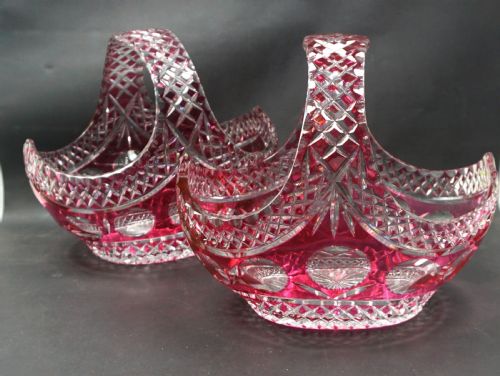
The physical substance of these items relies on lead glass, flint glass, and clear glass formulas, occasionally enhanced with white enamel or coloured overlayers. The inclusion of lead oxide increases the density and refractive index of the material, allowing the glass to be worked deeply.
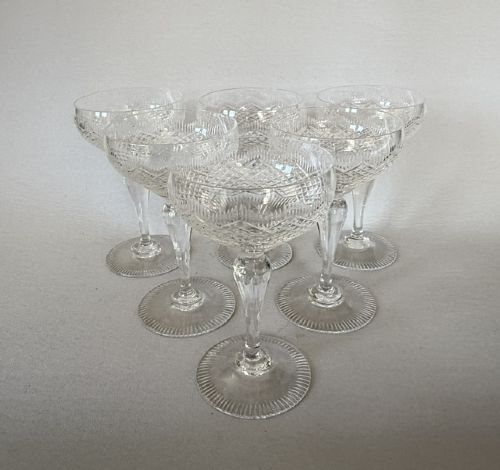
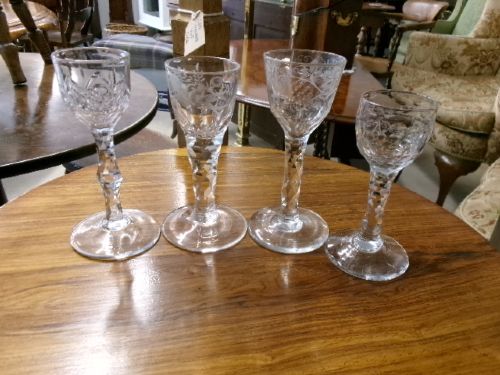
Surface ornamentation is achieved through wheel-cutting, hobnail cutting, and etching, producing geometric facets and patterns that catch light. Moulding techniques are also evident in petal-moulded and ribbed vessel bodies produced during the eighteenth and nineteenth centuries.
Listings for lead crystal bowls span periods from the 18th century through the Georgian, Victorian, Edwardian, and Art Deco eras.
Distinctions in craftsmanship and clarity
The upper tier of these vessels is distinguished by exceptional optical clarity and the crispness of the wheel-cut facets. Heavy metal content in the formulation yields a clear resonant ring when struck and prevents the dullness seen in lesser glass.
Design harmony and balance separate standard vessels from superior examples. The depth of the cutting, the precision of the hobnail patterns, and the stability of the pedestal base or foot determine the overall accomplishment of the piece.
Val St Lambert
The Lead Crystal Bowl Glossary
- Lead Crystal
- A type of glass containing metallic lead oxide, which increases weight, brilliance, and workability for cutting. This high-density material allows artisans to produce deep, sharp facets.
- Hobnail Cut
- A raised, pointed diamond pattern cut into the surface of the glass in a regular grid. This decorative technique creates numerous tiny refractive planes.
- Pedestal Bowl
- A vessel elevated upon a central stem and foot, lifting the display above the table surface. Such forms are common in Victorian and Edwardian tablewares.
- Ogee Bowl
- A cup shape with a characteristic S-curve profile, curving inward at the rim and outward below. This contour appears frequently on eighteenth-century drinking vessels and related forms.
- Flint Glass
- An early term for high-clarity glass, often historically associated with formulas containing lead. It provided the clear foundation necessary for eighteenth-century cut tablewares.
Lead Crystal Bowl: Frequently Asked Questions
What is a lead crystal bowl?
A lead crystal bowl is a heavy glass vessel formed from a batch containing lead oxide, which improves clarity and softness for cutting. These pieces range from Georgian fruit bowls to Victorian centrepieces.
They were traditionally utilised for serving fruit, punch, or condiments at formal dining tables, catching the candlelight through cut facets.
How do I date an old bowl?
Dating relies on observing manufacturing traits such as pontil marks, glass colour, cutting styles, and vessel forms. Eighteenth-century pieces often display distinct weight and hand-cut facets compared to later machine-pressed items.
Period characteristics like late Georgian oval rims or Edwardian dish profiles help place an item within a specific design era.
How should I clean my bowl?
Cleaning requires warm water and mild detergent, avoiding sudden temperature changes that can crack heavy lead glass. Hand washing with a soft cloth preserves the polished surface and sharp facet edges.
Harsh abrasives and modern dishwashers should be avoided to prevent scratching the soft crystal surface and clouding the clarity.
Can I use these bowls daily?
These vessels suit regular use for serving dry foods, fruits, or display purposes on sideboards and tables. Their robust lead glass construction withstands careful handling during normal household service.
Care must be taken with heavy centrepieces and pedestal items to avoid chipping the delicate rims and cut edges against hard surfaces.