

Regency Cut Glass
Regency cut glass encompasses heavy, brilliant lead crystal vessels and lighting shaped by precise wheel-cutting during the early nineteenth century.
Regency Cut Glass
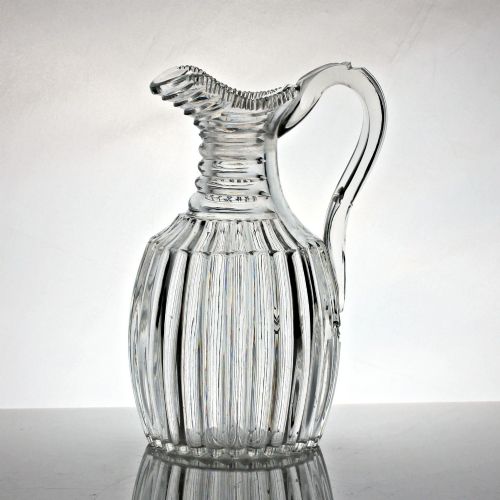
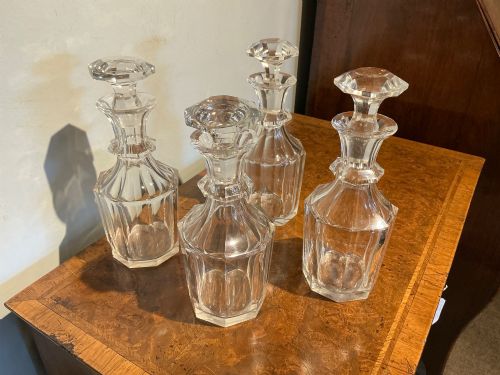
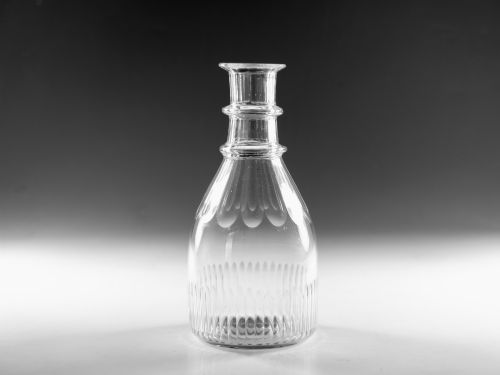
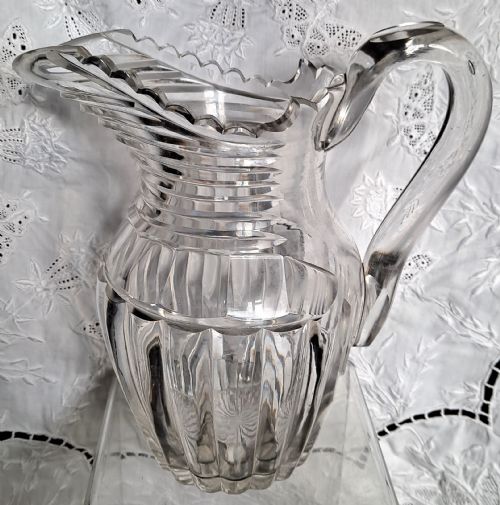
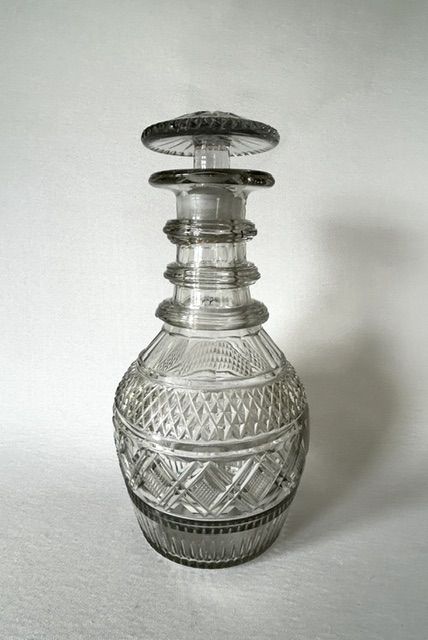
When searching for regency cut glass, buyers encounter a diverse array of tablewares and lighting originating predominantly from Georgian and Regency periods, alongside later revivals. Common domestic forms include decanters, rummers, fruit bowls, butter dishes, and salts, often featuring Anglo-Irish manufacture.
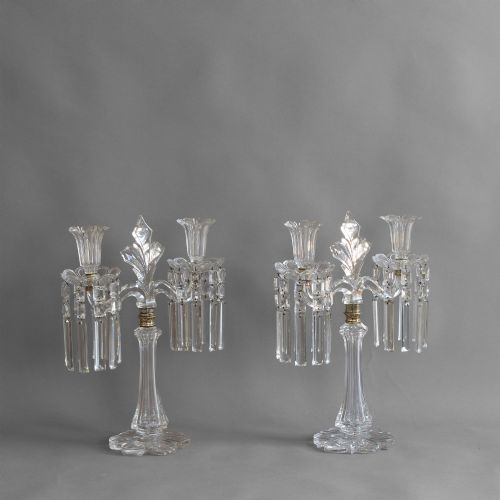
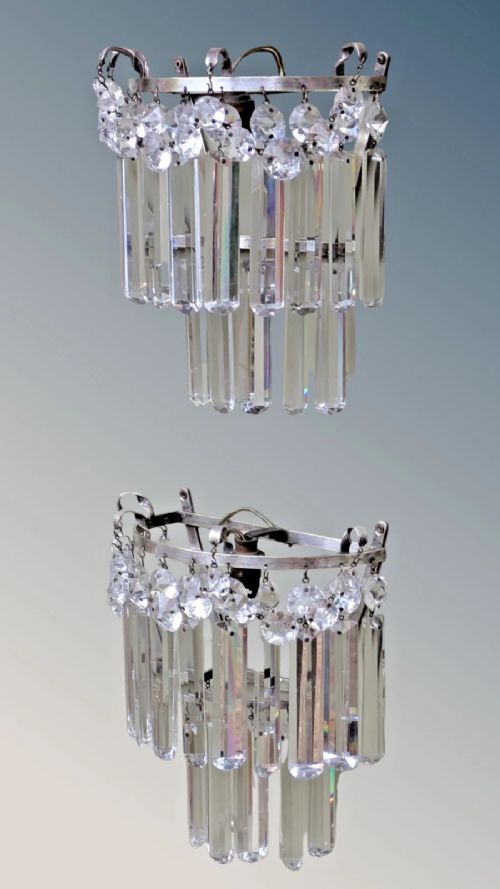
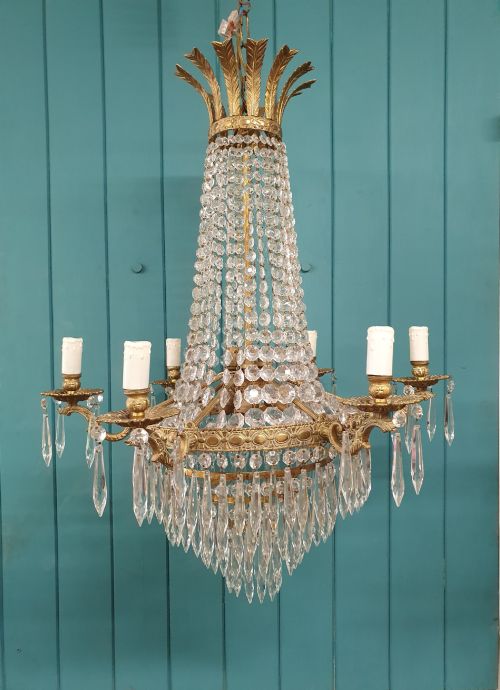
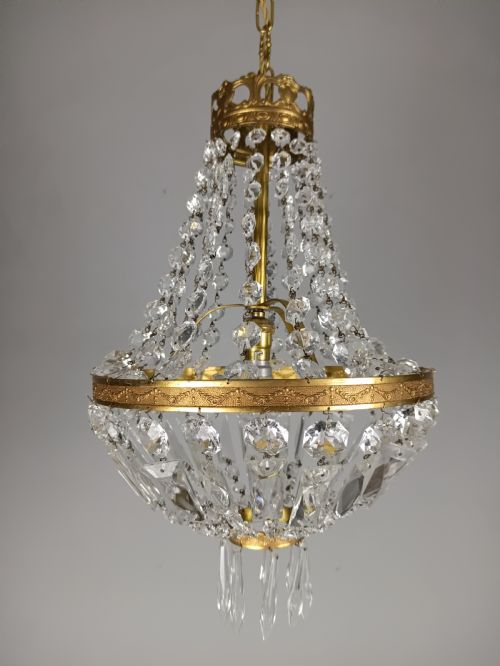
Lighting fixtures also feature prominently among these listings, ranging from small wall lights and candle lustres to larger tent and bag chandeliers decorated with brass and gilt bronze mounts. These objects reflect the sophisticated interior tastes of the early nineteenth century through functional elegance.
How they were made
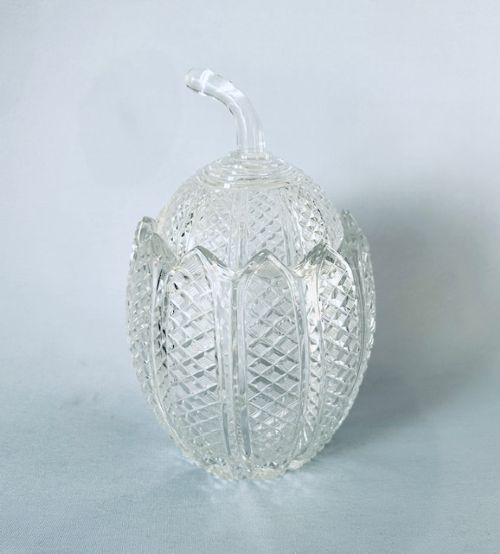
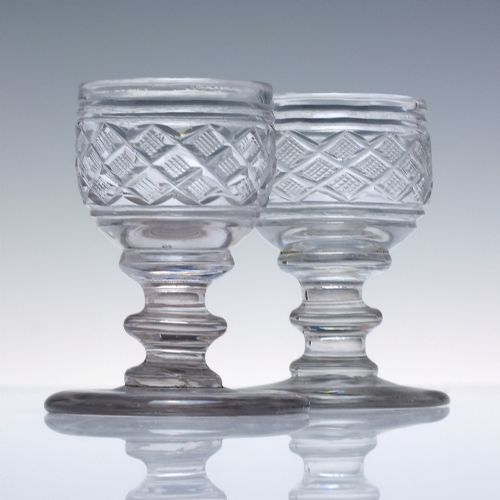
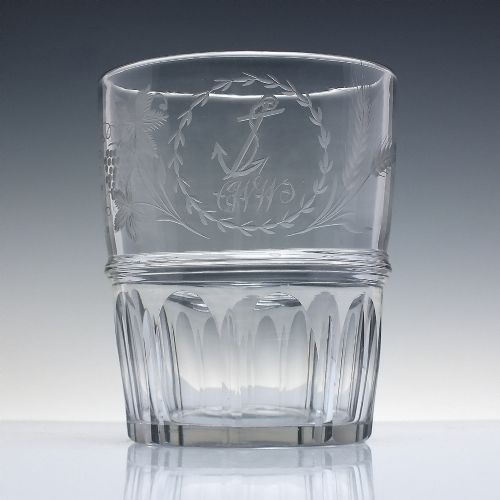
Makers fashioned regency cut glass primarily from heavy lead crystal, utilising high lead content to achieve maximum brilliance and weight. Artisans shaped vessels by blowing molten metal into moulds or free-blowing, then applied deep wheel-cut geometric patterns such as flutes, diamonds, prisms, and hobnails.
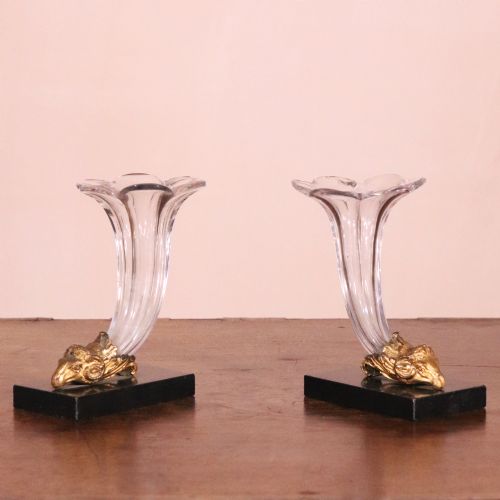
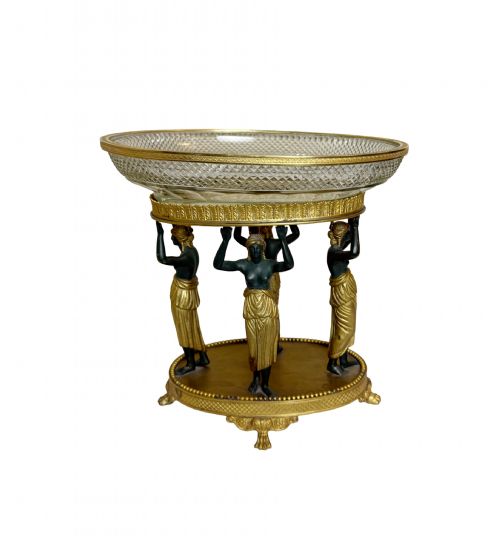
Metal components such as brass, gilt bronze, and old Sheffield plate frequently complement the glass bodies in items like decanter coasters, tea caddies, and chandeliers. These mixed-media pieces required collaborative craftsmanship between glass cutters, metal founders, and silversmiths.
Melon-shaped biscuit barrels and lemon-squeezer feet prove that Regency dining took its geometry with a sense of humour.
What varies in quality
The distinction between ordinary and exceptional examples rests upon the crispness of the wheel-cutting and the clarity of the metal. Superior pieces display sharp, deeply incised facets that refract light brilliantly, whereas lesser items show softer, shallower grinding.
Proportion and weight also dictate standard, with premier vessels possessing a substantial heft and balanced silhouette. Furthermore, the integration of matching mounts in brass or gilt bronze elevates the overall refinement of the finished object.
William Rudkins London·Charles Thomas Fox
The Regency Cut Glass Glossary
- Rummer
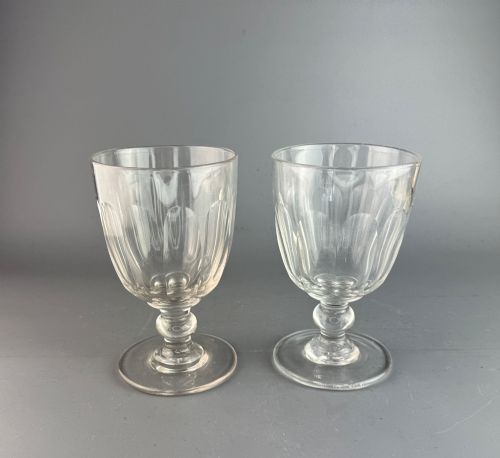
- A large, heavy drinking glass intended for ale, wine, or punch during the Georgian and Regency eras. These sturdy vessels often feature bucket bowls and faceted stems.
- Lemon squeezer foot
- A square, pressed glass base utilised on rummers and decanters, named for its superficial resemblance to a domestic citrus press. This distinctive form dates firmly to the early nineteenth century.
- Hobnail cut
- A raised, diamond-shaped decorative pattern produced by intersecting wheel cuts across the surface of the glass. It creates a tactile, highly reflective texture typical of high-end Anglo-Irish production.
- Tent and bag chandelier
- A prominent lighting form featuring an upper conical tent of strung glass beads cascading down to a gathered bag shape below. These fixtures are frequently adorned with brass mounts and crystal drops.
- Standing bowl
- An elevated vessel mounted upon a central pedestal foot, utilised for serving fruit or sweetmeats at formal dining tables. They often exhibit elaborate panel and prism cutting.
Regency Cut Glass: Frequently Asked Questions
How do I identify genuine regency cut glass?
Authentic pieces from the period typically display heavy lead crystal composition, deep wheel-cutting with crisp edges, and appropriate wear to the unglazed base. Items often incorporate period forms such as square lemon-squeezer feet or three-ring decanters.
Examining the metal mounts, where present, can also help confirm age through period construction techniques and patination.
What is the difference between Georgian and Regency glass?
Georgian glass spans a broader eighteenth and early nineteenth-century timeline, encompassing lighter soda-metal tablewares as well as heavier lead crystal. Regency pieces specifically reflect the refined neoclassical tastes of the 1800 to 1830 era.
During the Regency period, cutting became deeper and more architectural, heavily influenced by Anglo-Irish manufacturing standards.
Were these items used daily or displayed?
Many regency cut glass objects served functional roles on wealthy dining tables, containing wine, spirits, butter, condiments, or fruit. Decanters and rummers were designed for regular hospitality use, while items like celery vases and sweetmeat dishes graced formal dinners.
Chandeliers and lustres were permanently installed to illuminate grand drawing rooms and halls.
How should I care for antique crystal?
Antique crystal requires gentle hand washing in lukewarm water using mild detergent, avoiding sudden temperature changes that can crack old metal or glass. Drying with a soft lint-free cloth preserves the polished surface without scratching the facets.
Metal mounts should be cleaned separately to prevent harsh chemical exposure to the surrounding glass.