

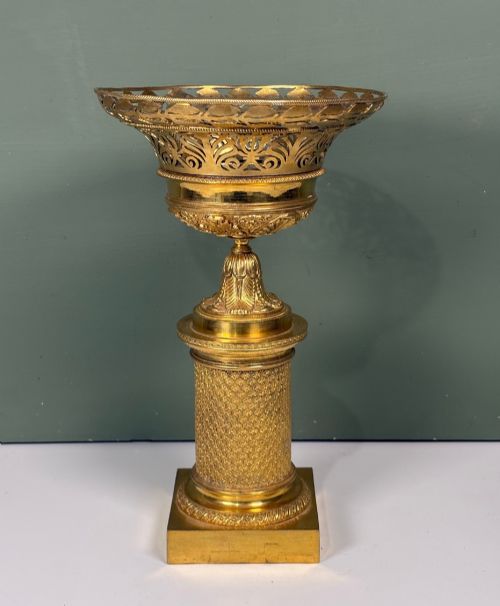
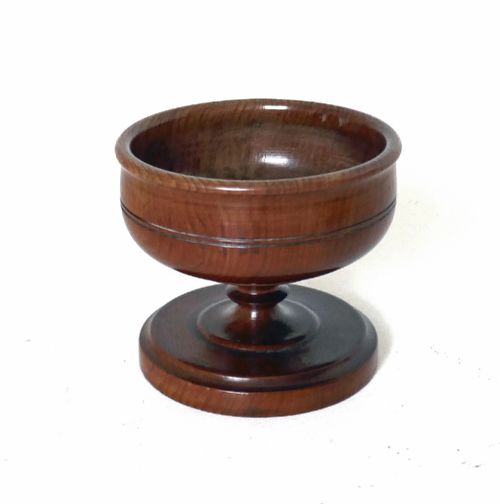
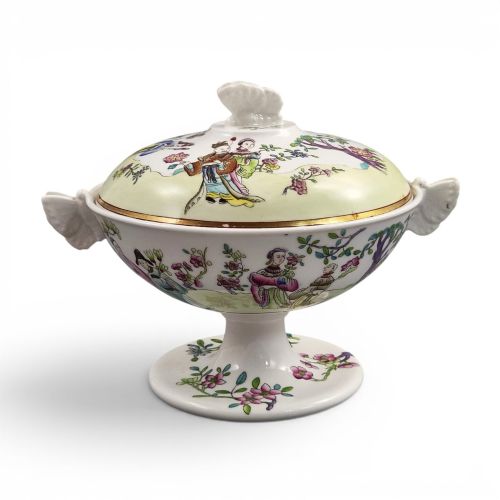
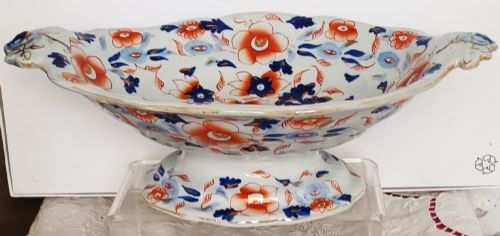
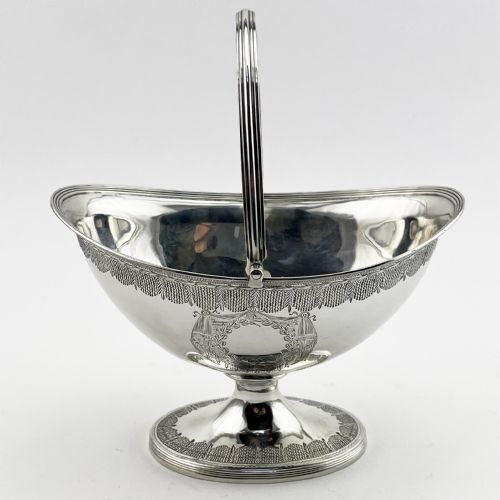
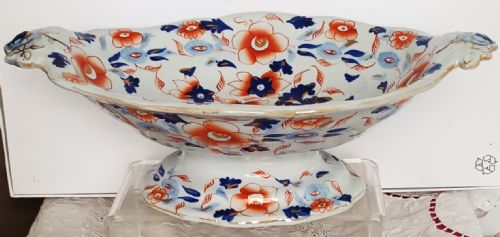
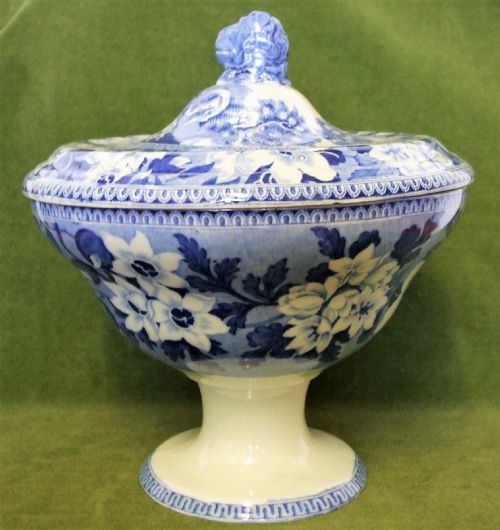

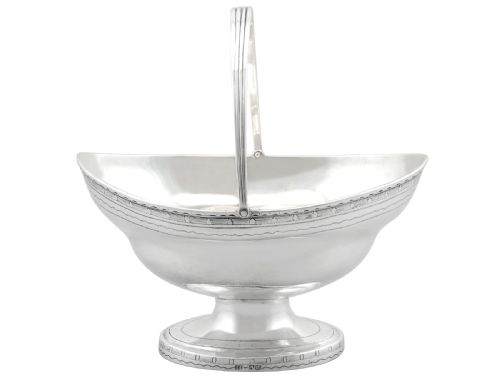




Georgian Pedestal Bowl
A georgian pedestal bowl brings height and refined proportion to a table, combining raised stems with deep, generous vessels.
Georgian Pedestal Bowl
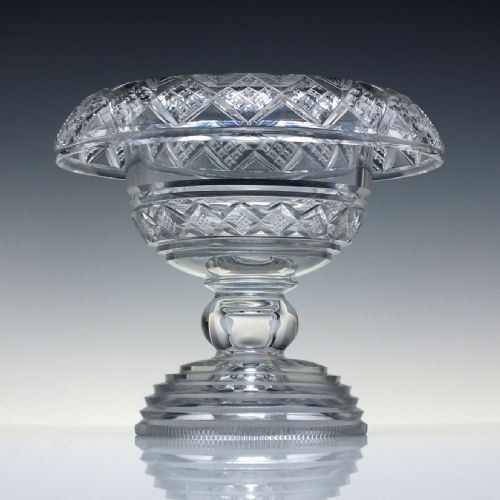
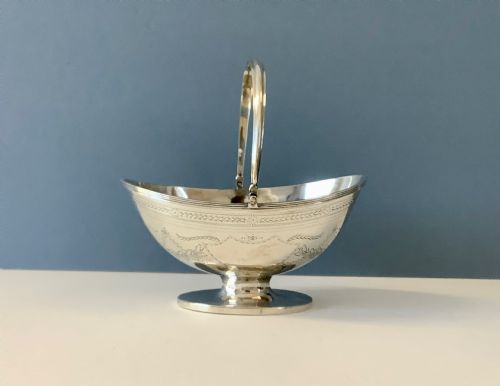
When searching for a georgian pedestal bowl, you are looking at elevated serving vessels created across the eighteenth and nineteenth centuries, often taking the form of footed comports, sugar baskets, sweetmeat glasses, and centrepiece bowls. These pieces lift sweetmeats, fruit, and sugar above the surface of the table on slender stems or raised bases, giving them a distinct vertical presence.
The most common examples you will encounter on this page span the Georgian and Regency periods, rendered in bright lead crystal, Staffordshire pottery, ironstone, pearlware, and sterling silver. Many of these items were designed for specific dining rituals, such as holding fruit or presenting delicate preserves, while others served a purely decorative function in wealthy homes.
Materials and construction methods
Glass vessels in this group rely on lead crystal, shaped through blowing and finished with hand-cut facets or rib-moulded ogee profiles that catch the light. Craftsmen shaped these items by hand, resulting in subtle optical distortions and deep, tactile surface patterns.
Silver and plated examples employ hammering, piercing, and casting techniques to create intricate baskets and dishes, frequently featuring gilt interiors or swing handles. Ceramic pieces utilise earthenware, ironstone, and porcelain bodies finished with transfer-printed blue and white designs or hand-painted enamel highlights.
Georgian Pedestal Bowl Retail Price Guide 2026
Typical asking prices for georgian pedestal bowl among the pieces listed under this phrase on Sellingantiques today, from the lower quarter to the upper quarter. They describe what is for sale here now, not the wider market.
Some nineteenth-century potters painted cheerful butterflies on porcelain bowls just to keep dinner conversation buzzing.
Evaluating craftsmanship and condition
Quality in these pieces rests upon the crispness of the cutting in glass, the weight and balance of the metalwork, and the clarity of transfer printing on ceramics. Superior examples exhibit sharp facet edges, well-defined silver hallmarks, and perfectly aligned pedestal bases that sit firmly without wobble.
The sophistication of the form also dictates standing, where master silversmiths and potters achieved harmonious proportions between the vessel body and the supporting foot. Wear consistent with age is expected, but the preservation of original gilding, handles, and crisp surface detail separates ordinary domestic wares from finer studio output.
Spode·John Rogers and Son·Henry Chawner·Davenport·Walter Brind·William Bennett
The Georgian Pedestal Bowl Glossary
- Comport
- A shallow dish raised on a high foot or pedestal, used for serving fruit or sweetmeats at the end of a meal. These pieces are frequently found in ceramic and glass.
- Sweetmeat glass
- A small, stemmed glass vessel specifically designed for holding rich confections, nuts, or preserved fruits. They often feature ogee bowls and rib-moulded stems.
- Pearlware
- A refined earthenware developed in the late eighteenth century featuring a fine white body and a subtle bluish glaze. It served as a popular canvas for blue and white transfer printing.
- Old Sheffield Plate
- A composite material made by fusing a thin sheet of silver to a thicker copper base. This technique was widely used for baskets and tureens before modern electroplating.
- Ogee
- An S-shaped profile curving alternately concave and convex, commonly seen in the rims and bodies of eighteenth-century bowls and glasses.
Georgian Pedestal Bowl: Frequently Asked Questions
What were pedestal bowls used for?
These elevated vessels served primarily during the dessert course of formal meals, holding seasonal fruits, nuts, and delicate sugar-spun confections. Their height allowed them to create visual variety and tiered arrangements across large dining tables.
In addition to fruit and sweets, smaller versions functioned as sugar baskets or sweetmeat dishes, passing around the table for guests to help themselves during tea or after-dinner hospitality.
How do I distinguish glass from crystal?
Glass of this era varies in lead content, with true lead crystal offering a heavier weight, a clearer ring when struck, and a higher refractive index that makes cut facets sparkle intensely. Standard glass items tend to feel lighter and display a softer lustre.
Cut glass pieces often show slight irregularities in the facets due to hand-cutting on a wheel, which helps separate genuine antique work from later pressed glass reproductions.
How should I clean silver sugar baskets?
Sterling silver and Old Sheffield Plate require gentle cleaning with a soft cloth and a specialised silver polish designed to remove tarnish without harming the metal. Avoid harsh abrasive cleaners that can wear away thin silver plating, particularly on older plated wares.
Store silver in dry environments away from direct sunlight and humidity to minimise the rate at which tarnish returns to the surface of the metal.
Can I use these bowls daily?
While these pieces were built for functional use, their age and delicate materials mean they require careful handling during modern dining or display. Hand washing in warm, soapy water is essential, as dishwashers can ruin fragile glass, old ceramic glazes, and thin metal surfaces.
Placing felt pads beneath heavy glass or ceramic feet can protect both the antique base and your furniture from accidental scratches during movement.