
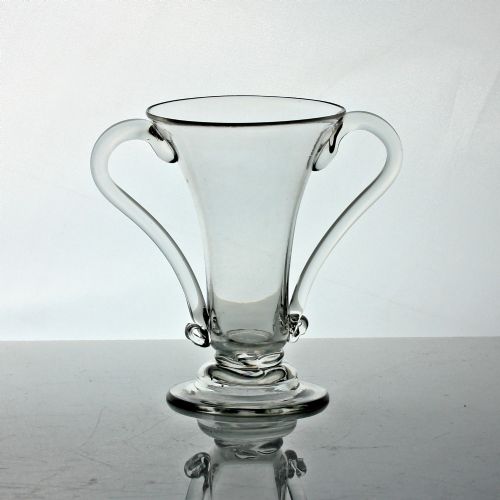
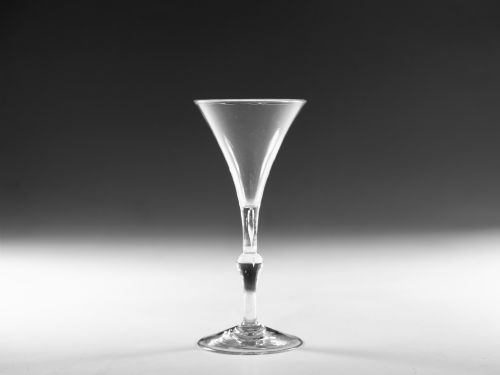
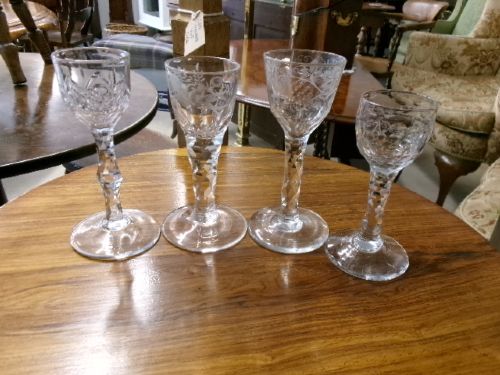
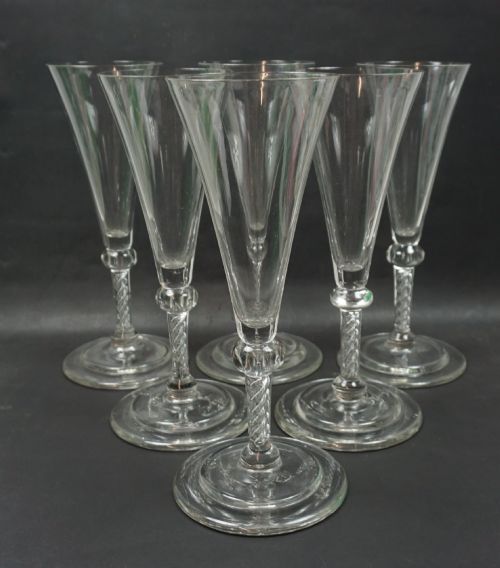

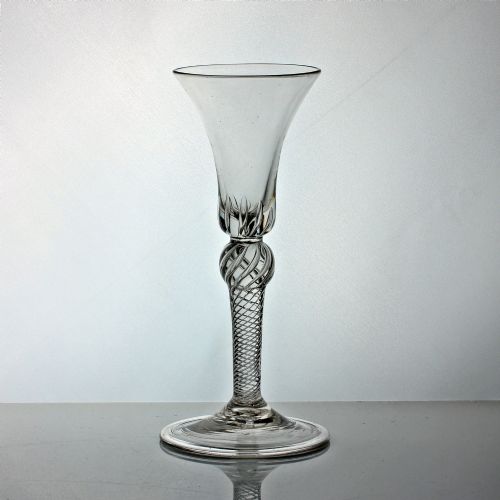
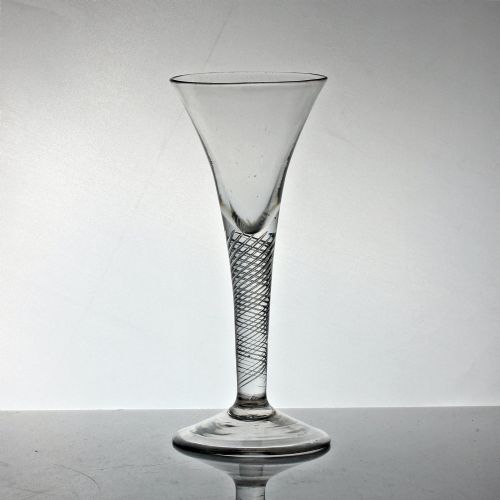
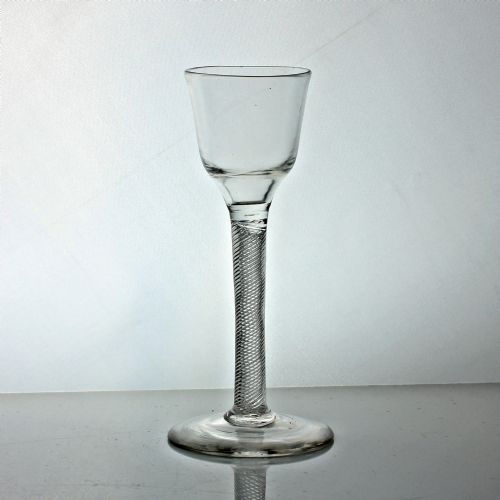

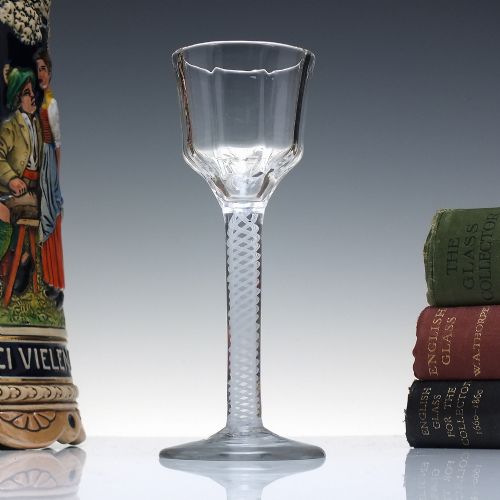

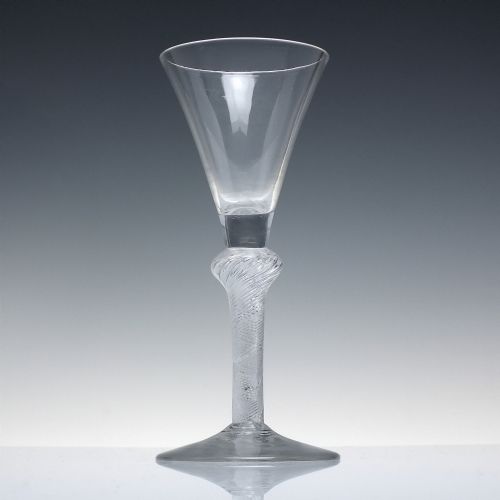
Georgian Lead Crystal Bowl
Georgian lead crystal bowl pieces combine heavy refractive metal with crisp wheel-cut detail, offering a tangible link to eighteenth-century dining.
Georgian Lead Crystal Bowl
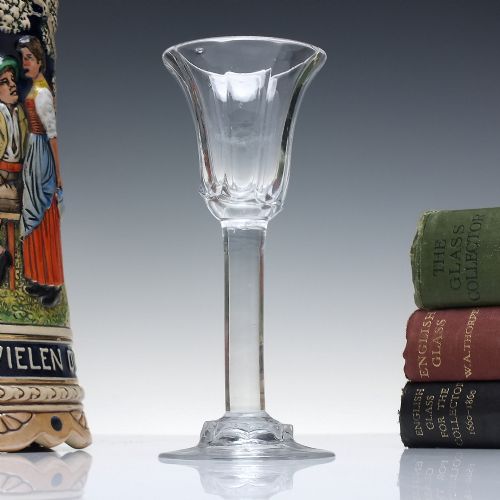
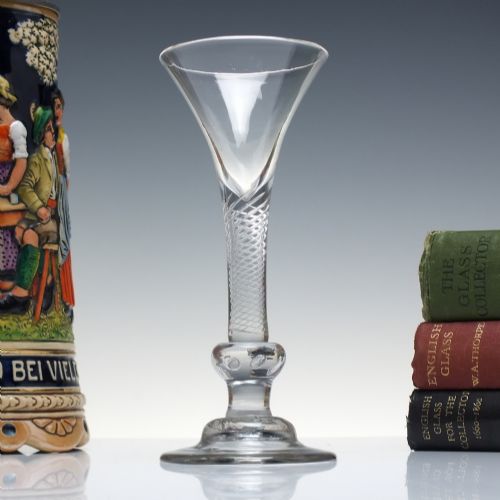
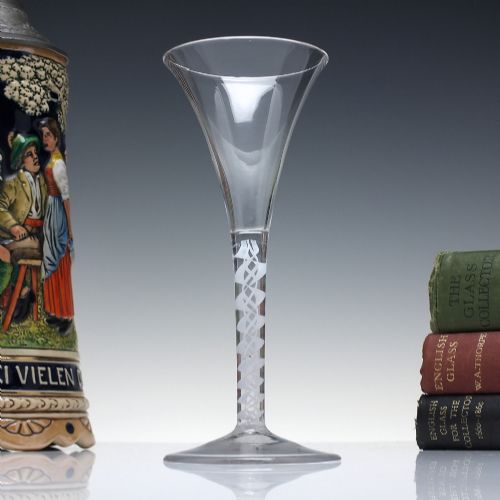
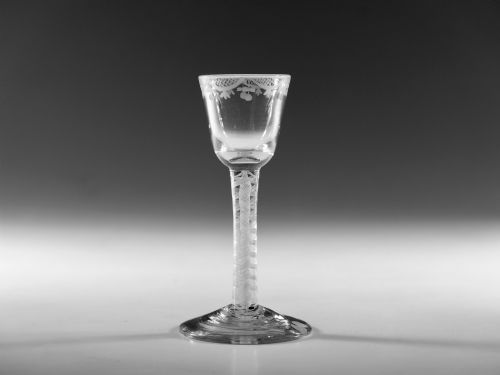
When you search for a georgian lead crystal bowl, you encounter hollowware created for eighteenth-century and Regency tables, including tea mixing vessels, fruit bowls, butter dishes, and standing bowls.
The selections on this page span the eighteenth and nineteenth centuries, featuring forms intended for practical service as well as display.
Originating largely from English workshops, these items reflect the domestic habits of polite society through heavy, resonant glass.
How they were made
Glassmakers utilised heavy formulations of flint glass and lead crystal, incorporating lead oxide to increase density, weight, and light refraction.
Craftsmen shaped vessels through glassblowing, sometimes employing moulds such as petal or flute patterns before finishing surfaces with wheel-cutting and engraving.
Listings for this phrase include eighteenth-century and Regency items rendered in lead crystal, clear glass, and flint glass.
What varies in quality
The quality of a piece rests upon the purity of the metal and the depth of the wheel-cut facets, which produce sharp refraction rather than dull reflection.
Proportion and weight distinguish superior examples, where the thickness of the body balances the clarity and resonance of the lead glass.
The Georgian Lead Crystal Bowl Glossary
- Lead crystal
- Glass containing a significant proportion of lead oxide, which increases the weight, refractive index, and clarity of the vessel. This high lead content allows the material to be deeply cut without fracturing easily.
- Flint glass
- An early term for high-clarity glass resembling quartz, often used interchangeably with lead glass during the eighteenth century. It provided the clear, heavy medium necessary for brilliant wheel-cut decoration.
- Hobnail cut
- A decorative pattern of raised, pointed facets resembling the hobnails used in heavy boots, popular during the Regency period. This geometric cutting catches light across multiple sharp angles.
- Tea mixing bowl
- A large open bowl used during the eighteenth century to blend green and black teas before serving. These capacious vessels frequently display heavy cutting or fine engraving.
- Standing bowl
- A bowl raised on a pedestal foot or stem, elevating the vessel above the surface of the table. These were utilised for serving fruit or sweetmeats during formal dining.
Georgian Lead Crystal Bowl: Frequently Asked Questions
What is a georgian lead crystal bowl used for?
These vessels originally served practical functions on dining tables, holding fruit, tea leaves, or condiments during formal meals. Today, they serve as decorative centrepieces or display items.
Their substantial weight and reflective surfaces make them suitable for holding floral arrangements or standing alone on a sideboard.
How do I date a glass bowl?
Dating relies on observing manufacturing techniques, such as pontil marks on the base, stylistic traits of the cutting, and the chemical composition of the metal. Eighteenth-century pieces often show different optical qualities and foot construction compared to later Regency items.
Consulting the specific form and decorative motifs provides further clues to the decade of manufacture.
What is lead crystal?
Lead crystal is glass manufactured with the addition of lead oxide, which softens the material for easier cutting and increases its weight and brilliance. This composition gives the glass a distinct ring when struck.
The high refractive index bends light sharply, creating the characteristic sparkle seen in antique tableware.
How should I clean antique glass?
Cleaning requires warm water and mild detergent, avoiding harsh abrasives or sudden temperature changes that can stress the aged material. Hand washing is essential to protect delicate rims and cut surfaces.
Dry the vessel promptly with a lint-free cloth to maintain the clarity of the lead crystal.