




George III Glass
When you handle george iii glass, you hold drinking vessels, decanters and tazze shaped by eighteenth-century furnaces and wheel-cut decoration.
George III Glass
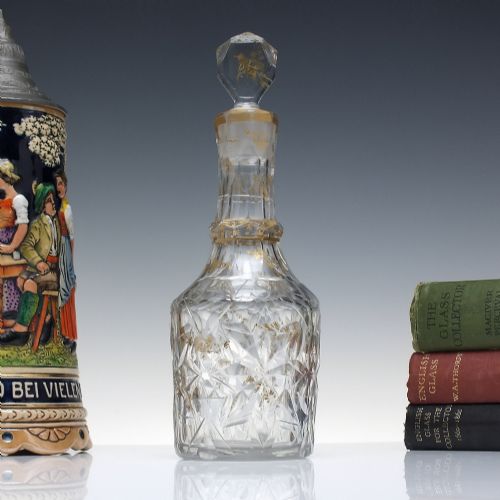
Collectors seeking george iii glass examine tablewares and serving pieces produced during the Georgian period, spanning wine glasses, decanters, tazze and cruet bottles. These objects served elite dining rooms and parlours, combining functional utility with decorative wheel-cut or engraved motifs.
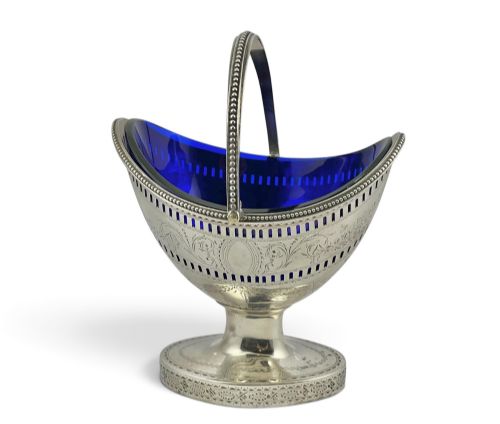
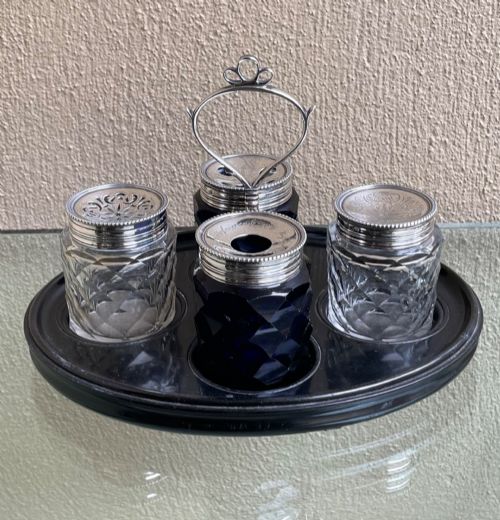
The pieces most frequently encountered on this page include heavy cut-glass decanters, tall tazze on spreading feet, and drinking vessels featuring opaque twist stems or engraved bowls. Alongside table glass, the selection includes fitted silver cruet sets with original blue glass liners.
Origins trace directly to English glasshouses operating during the late eighteenth and early nineteenth centuries, often associated with domestic dining traditions. Surviving examples demonstrate the versatility of lead glass manufacture during a period of significant design change.
Materials and Technique
Maker operations relied heavily upon lead crystal formulas that yielded high refractive brilliance and substantial weight, distinguishing these vessels from soda-lime alternatives. Craftsmen manipulated molten metal into moulds or free-blown forms before applying cooling techniques.
Decoration required specialised cold-working methods, utilising iron and stone wheels to cut geometric facets, flutes and star motifs into the hardened surface. Engravers added delicate floral sprays or armorial crests using copper wheel apparatus and abrasive pastes.
George III Glass Retail Price Guide 2026
Typical asking prices for george iii glass among the pieces listed under this phrase on Sellingantiques today, from the lower quarter to the upper quarter. They describe what is for sale here now, not the wider market.
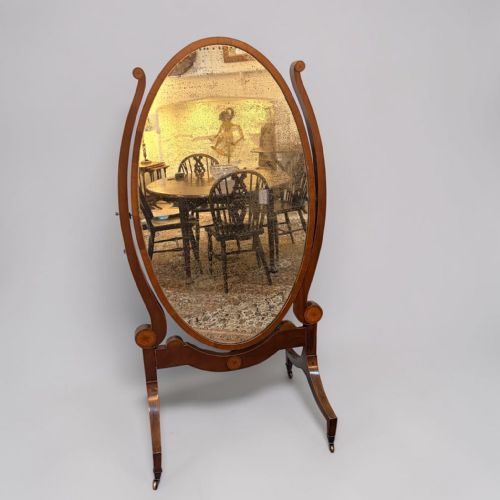
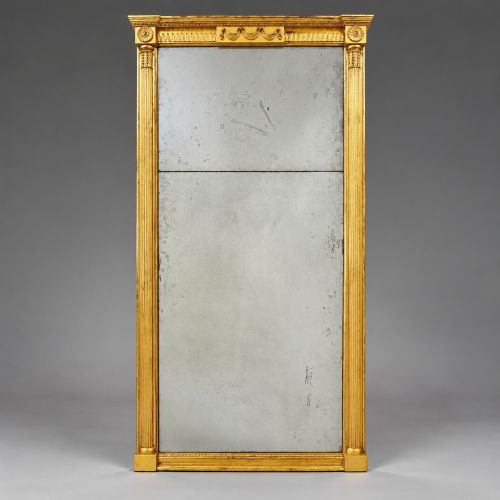
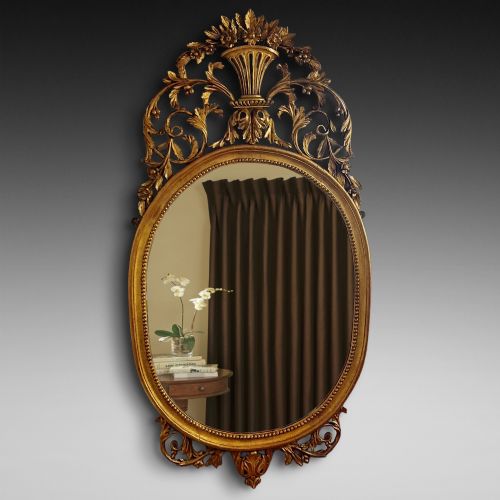
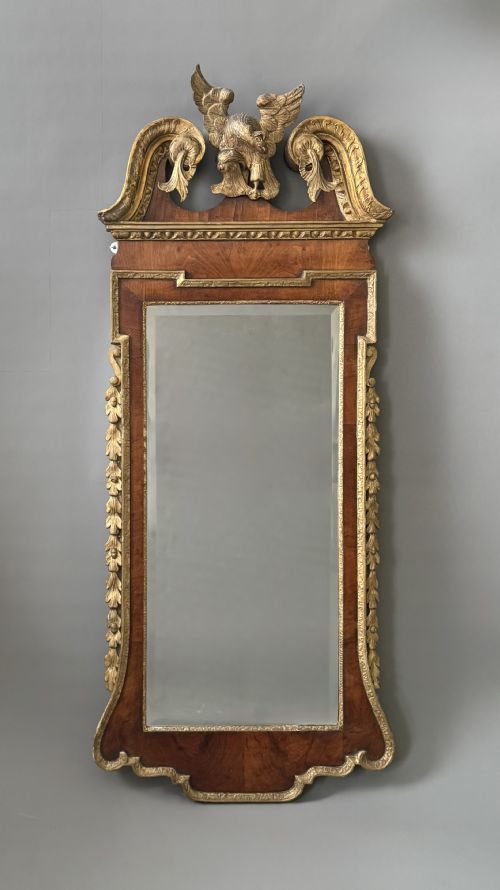
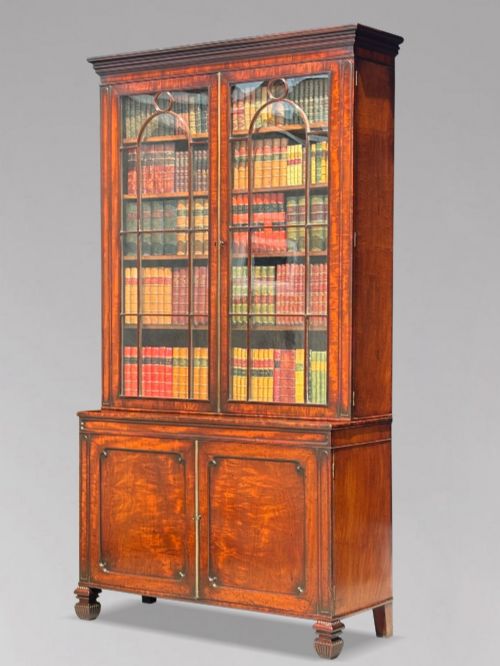
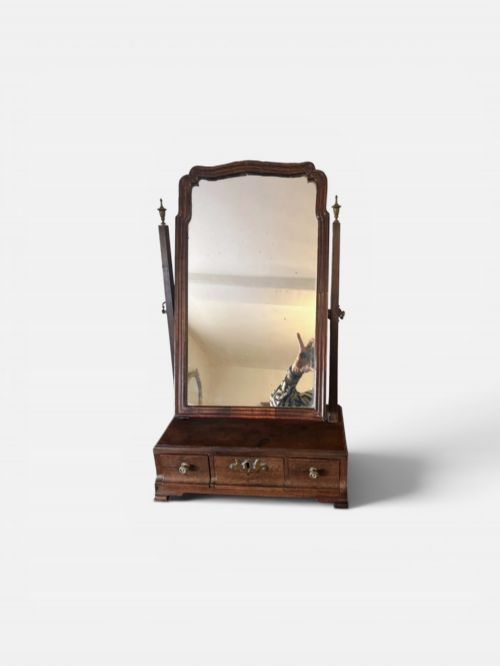
Listings feature eighteenth-century and Regency glass alongside mahogany, silver, and giltwood furnishings.
Distinctions in Quality
Excellence in george iii glass rests upon the clarity of the metal, the crispness of the wheel-cutting, and the overall balance of the vessel. Superior items display minimal internal bubble inclusions and deep, sharp facets that catch ambient light distinctly.
Proportion and finishing separate ordinary utility vessels from exhibition pieces, particularly in the symmetry of drawn stems and the stability of faceted bases. The retention of original stoppers on decanters and matching components in cruet sets alters the integrity of the surviving object.
James Giles·Robert and David Hennell·Rebecca Emes and Edward Barnard I·Thomas Jones
The George III Glass Glossary
- Tazza
- A shallow bowl raised upon a central foot, utilised for serving fruit or confectioneries during formal dessert courses.
- Lead crystal
- Heavy glass produced by adding lead oxide to the batch, increasing density, brilliance and workability for cutting.
- Opaque twist
- A stem formation in drinking glasses created by drawing white or coloured enamel glass rods through clear metal.
- Ships decanter
- A serving bottle characterised by a broad, stable base and tapered body designed to prevent tipping at sea.
- Cruet
- A small glass bottle or set of bottles mounted in a frame, intended for holding oils, vinegars or condiments at the dining table.
George III Glass: Frequently Asked Questions
How do I identify genuine George III glass?
Authentic pieces exhibit the characteristic greyish tone, weight and surface wear associated with eighteenth-century lead metal. Examine the pontil mark on the base, which should show a rough, ground-out scar from the snapping rod.
Decoration provides another indicator, as period wheel-cutting feels sharp and distinct to the touch rather than smooth or mould-formed. Comparing the object against documented examples helps confirm period manufacturing traits.
What were glass tazze used for?
These elevated dishes held sweetmeats, fruit and small cakes during the multi-course dessert service that followed formal Georgian dinners. Their height allowed them to create tiered arrangements on the dining table alongside matching decanters and glassware.
Guests would help themselves from the central plateau as servants passed the dishes around the room. Surviving examples often show surface scratching from cutlery use during these gatherings.
Why do some decanters have wide bases?
Vessels described as ships decanters feature a conical profile that lowers the centre of gravity to prevent rolling during carriage. This stability proved essential for dining aboard naval vessels or rolling country houses.
The wide base also accommodates sediment settling across a larger surface area inside the bottle.