

English Lead Crystal
English lead crystal brings heft and clarity to the table, spanning drinking glasses, decanters and rummers from the Georgian era onward.
English Lead Crystal
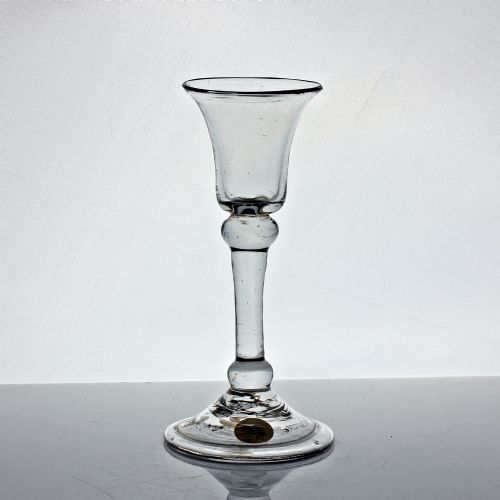
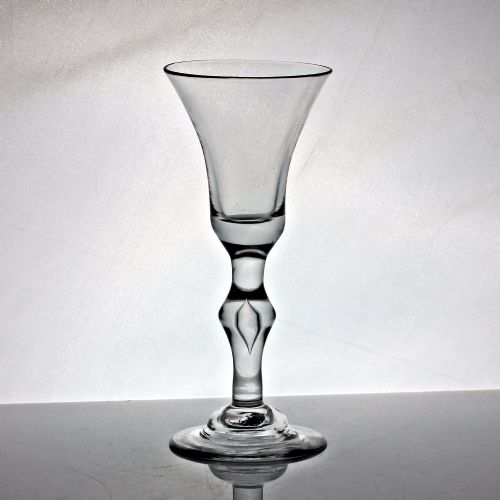
English lead crystal encompasses centuries of drinking vessels and tableware designed for daily use and formal dining. When searching for english lead crystal, collectors encounter everything from heavy eighteenth-century wine glasses to nineteenth-century rummers and decanters.
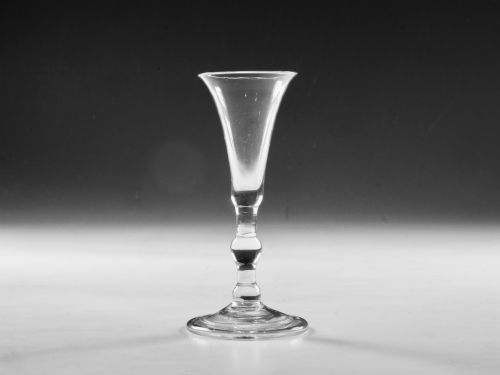
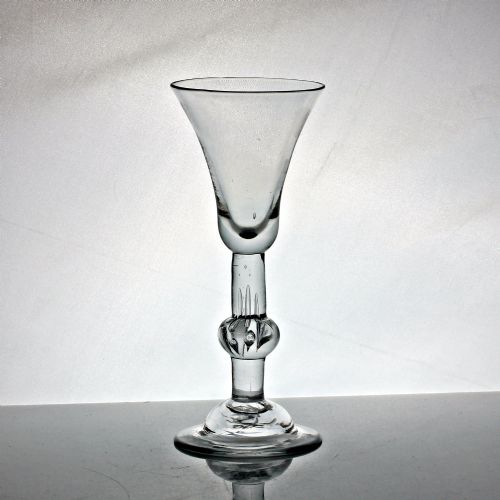
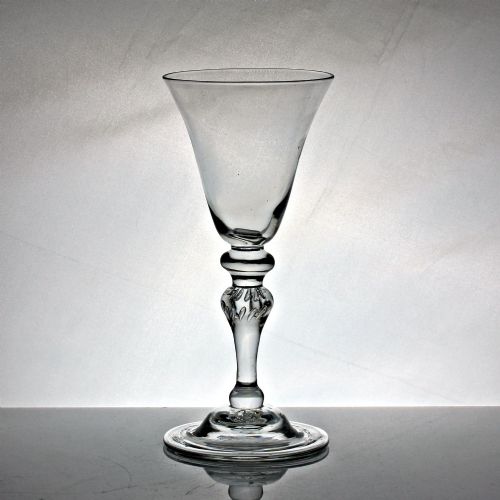
Originating across English workshops, these pieces showcase changing tastes in domestic glassware from plain stems to elaborate cut and engraved decoration. Rummers, tumblers, and ale glasses represent the primary utilitarian forms preserved from these periods.
What varies in quality
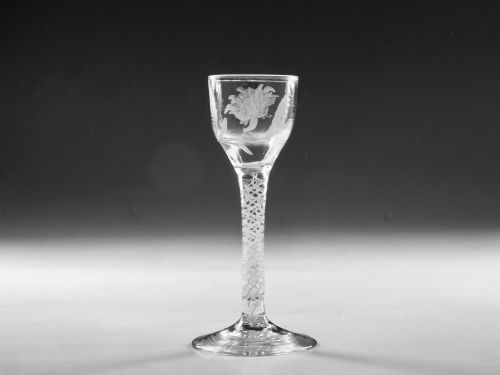
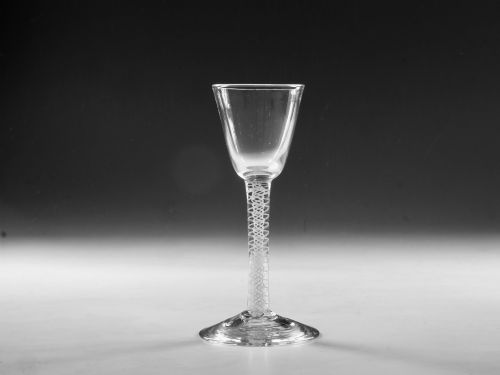
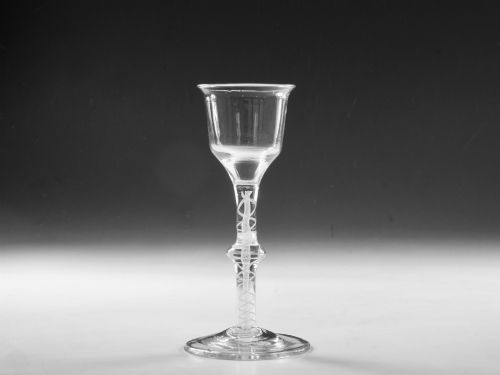
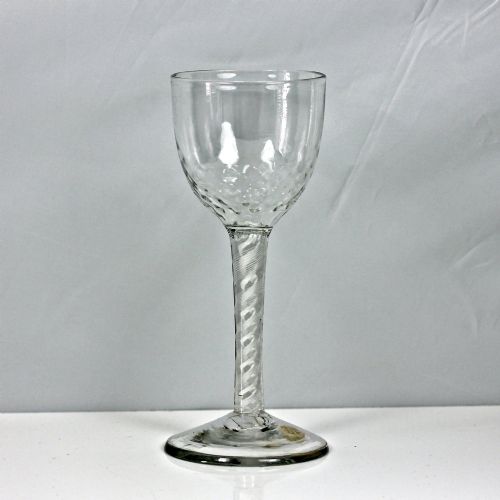
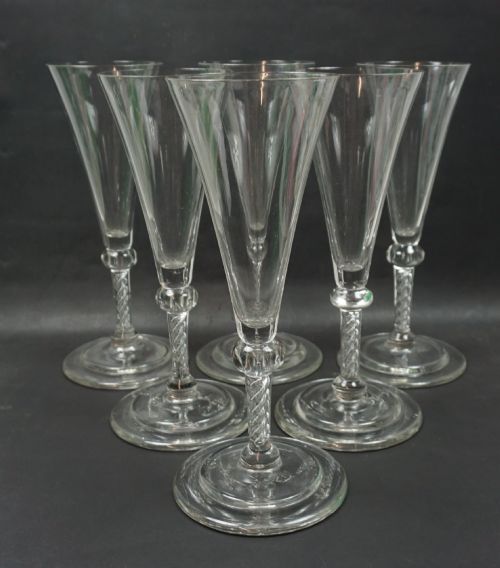
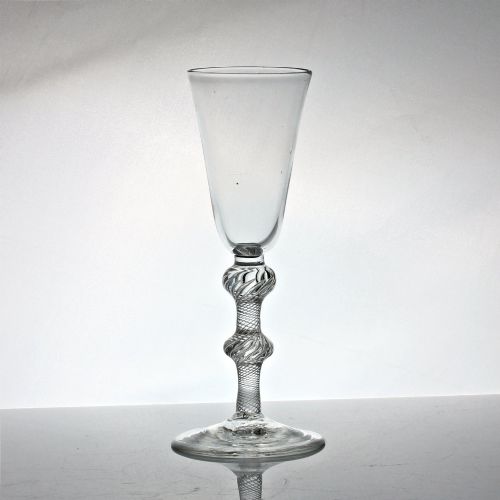
Clarity of the metal and crispness of the optical effects determine the standing of an individual piece of english lead crystal. Multi-spiral air twists and clean double series opaque twists require exceptional skill from the glasshouse hand.
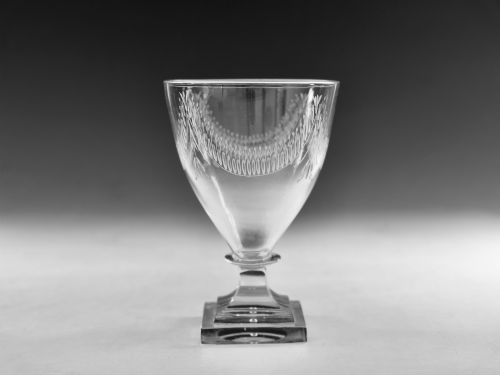
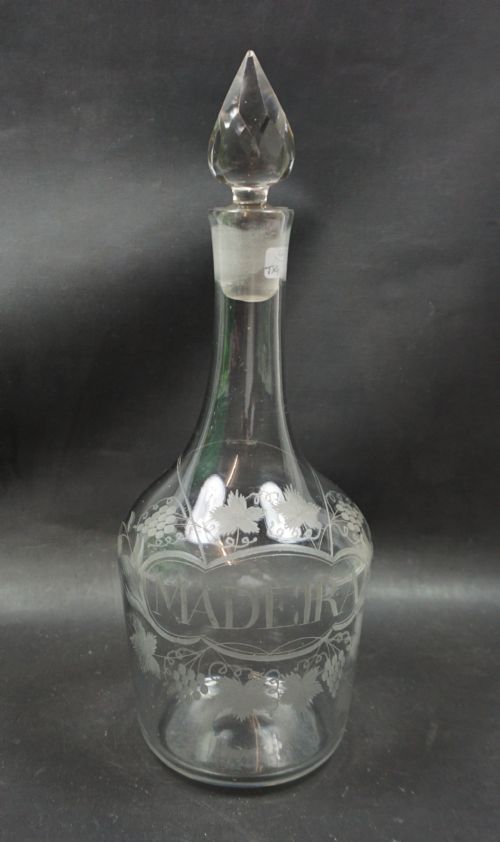
Depth and precision in intaglio engraving or facet cutting separate standard domestic items from finer examples. The balance of the vessel, the evenness of the bowl, and the presence of a properly folded foot mark the work of superior makers.
A thirsty eighteenth-century drinker could rely on a hefty rummer engraved with barley to survive a long evening.
The English Lead Crystal Glossary
- Air twist
- A decorative stem formation containing elongated spiral bubbles trapped inside the clear glass. This technique was developed during the eighteenth century.
- Opaque twist
- A stem containing fine white enamel threads arranged in single or double series spirals. These threads contrast sharply with the surrounding clear metal.
- Rummer
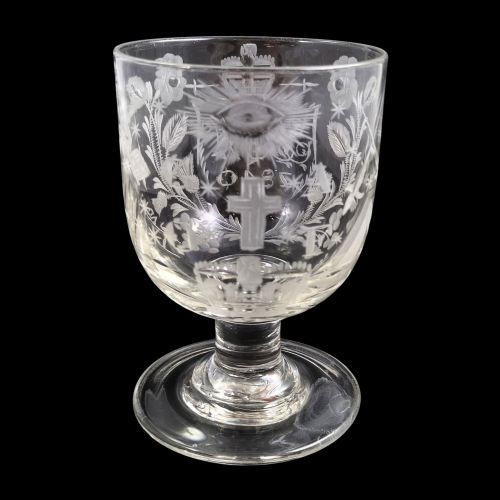
- A large, sturdy goblet used for serving wine, punch, or ale during the Georgian and Victorian periods. They often sit on a short stem with a substantial foot.
- Intaglio
- A method of engraving where the design is carved into the surface of the glass rather than raised. This produces a sunken, detailed motif.
- Folded foot
- A rim turned under the base of a glass to add strength and stability. This feature appears frequently on eighteenth-century drinking vessels.
English Lead Crystal: Frequently Asked Questions
What is lead crystal?
Lead crystal is a heavy, durable glass containing lead oxide, which increases the refractive index and gives the material its distinct brilliance.
This composition allowed makers to cut deeper facets and produce clearer vessels than standard soda-lime glass.
How do I date a wine glass?
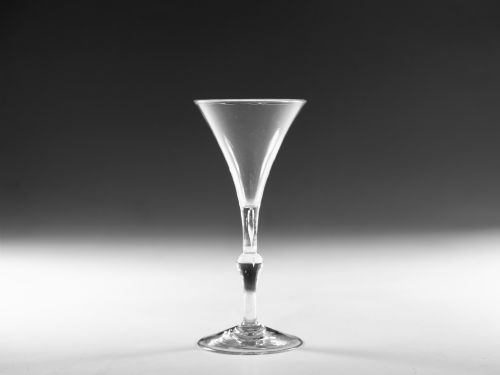
Dating relies on the bowl shape, stem construction, and foot style, moving from heavy balustroid forms down to slender Edwardian profiles.
Twist stems and folded feet point firmly to the eighteenth century, while cut decoration aligns with the nineteenth.
What were rummers used for?
Rummers served as robust drinking vessels for ales, wines, and spirits in homes and taverns across the Georgian and Victorian periods.
Their generous capacity and sturdy build made them practical for everyday communal dining.
Can I use antique glassware?
Antique drinking glasses can be used carefully, though hand washing is necessary to protect the fragile lead metal and engraved surfaces.
Many collectors prefer to display them or reserve them for special occasions to preserve the antique glass.