




Decorative Crystal Bowl
A decorative crystal bowl brings weight and light to a room, drawing the eye with deep cuts and polished facets.
Decorative Crystal Bowl
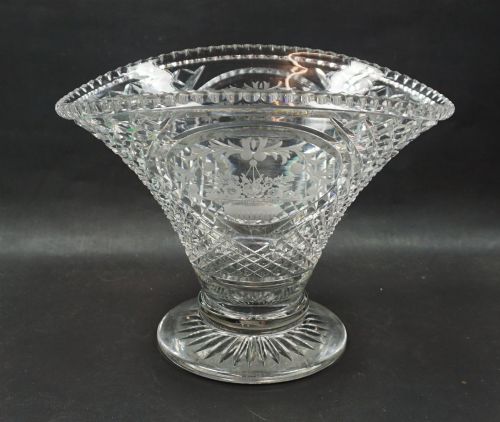
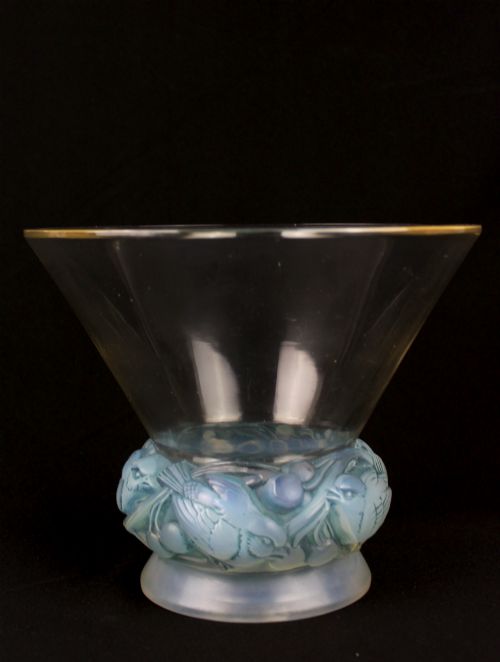
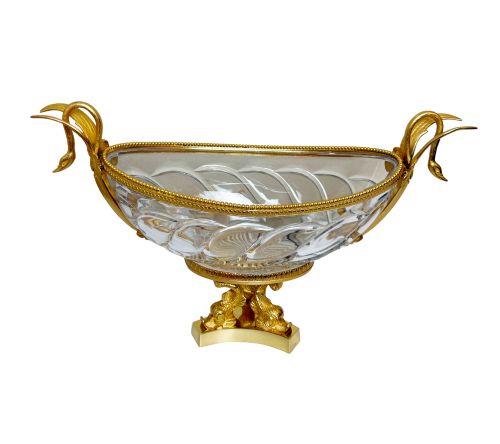
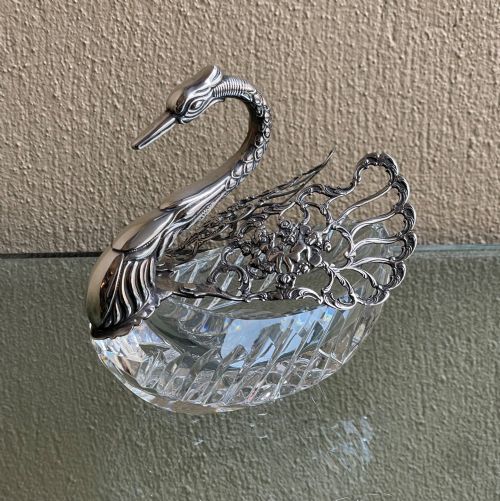
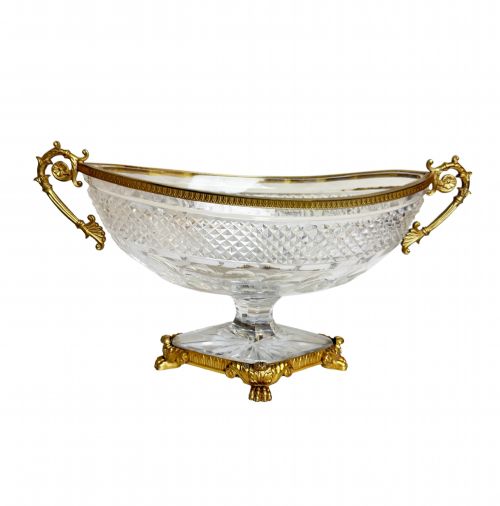
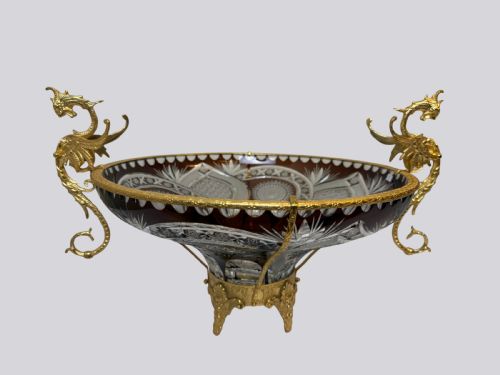
A decorative crystal bowl serves as a striking table focal point, drawing on forms from the Victorian, Edwardian, and Art Deco periods. These pieces range from grand centrepieces mounted in gilt bronze and ormolu to smaller coloured glass dishes and tazzas.
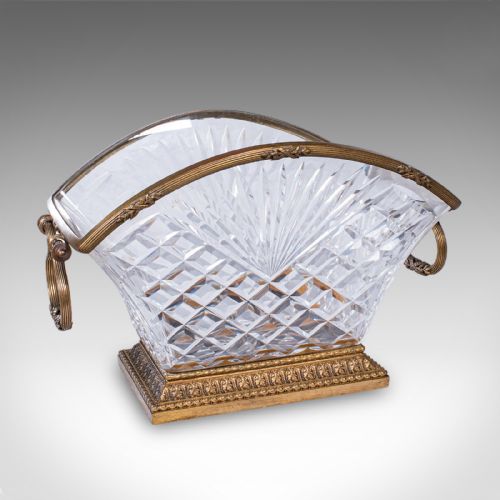
The selection on this page leans heavily towards nineteenth-century French Empire styles and English cut glass vessels. Many incorporate metal mounts, swing handles, or stands in silver plate and bronze, bridging the gap between functional tableware and sculptural display.
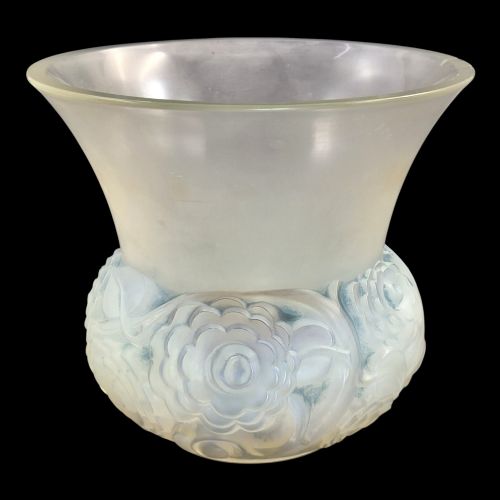
Makers such as Baccarat, Daum, Lalique, and Val St. Lambert represent the heights of this tradition, alongside English makers like Stuart. Buyers find everything from heavy potted crystal to delicate opalescent and pâte de verre bowls.
How they were made
Makers shaped these vessels using traditional hot-glass techniques, blowing molten crystal into moulds or free-handing forms before applying coloured overlays. Artisans then employed cold-working methods, using wheels to cut deep facets, flutes, and geometric patterns into the thick glass surface.
Metal components such as ormolu, gilt bronze, and silver plate required separate foundry work involving casting and chasing. Craftsmen fitted these mounts securely to the glass bodies, frequently employing pinned brackets or bespoke bezels to unite the two materials.
Decorative Crystal Bowl Retail Price Guide 2026
Typical asking prices for decorative crystal bowl among the pieces listed under this phrase on Sellingantiques today, from the lower quarter to the upper quarter. They describe what is for sale here now, not the wider market.
Listings feature pieces spanning from the mid-nineteenth century through the 1960s, uniting cut glass, gilt bronze, and pâte de verre.
What varies in quality
The clarity and purity of the crystal set the foundation for a piece's visual impact, distinguishing heavy lead-rich glass from simpler pressed alternatives. Crispness of the wheel-cut facets dictates the refinement of the optic play, where sharper edges catch light more cleanly.
The integration of metalwork distinguishes superior examples, noting the weight and chased detail of the ormolu or gilt bronze mounts. Maker attribution and factory marks also elevate a piece, reflecting the skill of houses like Baccarat or designers like Joseph Simon.
François-Eugène Rousseau·Baccarat·Daum France·Val St Lambert Belgium·Stuart England·William Comyns
The Decorative Crystal Bowl Glossary
- Ormolu
- Gilt bronze mounted onto decorative objects. This technique involves applying a fine layer of gold to a bronze base, adding a warm metallic contrast to clear crystal.
- Pâte de verre
- A glass-casting method where crushed glass is packed into a mould and fused in a kiln. This creates a dense, frosted texture with mottled colour variations.
- Tazza
- A shallow bowl raised on a stem and foot. Often used for serving fruit or sweets, it lifts the glass surface above the table level.
- Over crystal
- A technique of casing one layer of coloured glass over a clear or contrasting crystal base. Subsequent cutting reveals the lower layer through the windows of the top coat.
Decorative Crystal Bowl: Frequently Asked Questions
Can I use these antique bowls for serving food?
Many of these vessels functioned originally as serving dishes, potpourri holders, or fruit bowls, making them suitable for dry or cold foods today. Take care with acidic items like citrus fruits, which can occasionally etch older crystal or tarnish exposed silver plating.
Inspect the interior for any historic repairs or chips before putting the bowl into active service. Displaying them empty often preserves their decorative impact best.
How do I distinguish Victorian cut glass from Art Deco pieces?
Victorian designs favour dense, deep wheel-cuttings, heavy lead crystal, and ornate gilt bronze or silver-plated mounts. The forms often lean towards traditional classical revivals or elaborate floral motifs.
Art Deco bowls introduce stylised symmetry, geometric colour overlays, and frosted or opalescent textures characteristic of mid-century makers. Signatures and acid-etched factory marks become more common on these later twentieth-century works.
What is the best way to light a crystal centrepiece?
Position the vessel near natural light sources such as a window to let the cut facets refract sunlight across the room. Overhead spotlights also activate the prism effect in lead crystal.
Avoid placing heavy pieces near the edge of furniture where vibrations might cause movement. A mirrored plateau underneath can enhance the upward reflection through the base.