






Antique Crystal Pedestal Bowl
An antique crystal pedestal bowl commands attention on any dining table, bringing light and height to fruit and sweet displays.
Antique Crystal Pedestal Bowl
When you search for an antique crystal pedestal bowl, you encounter footed vessels designed to elevate fruit, flowers, and sweets above the surface of the table. The examples listed here span from the Georgian era through to the Edwardian period, encompassing grand centrepieces, comports, and tazze.
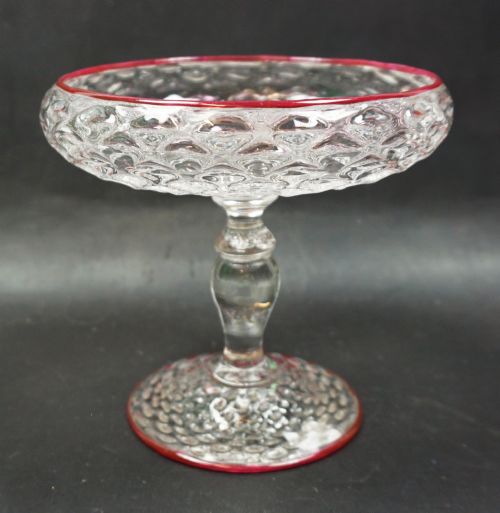
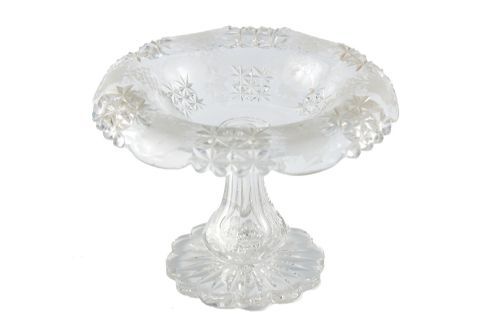
You are most likely to meet Victorian cut glass pedestal bowls on this page, often featuring deep hobnail patterns or delicate etching. These pieces combine heavy lead crystal bodies with raised stems, serving both decorative and practical functions in formal dining settings.
Materials and construction
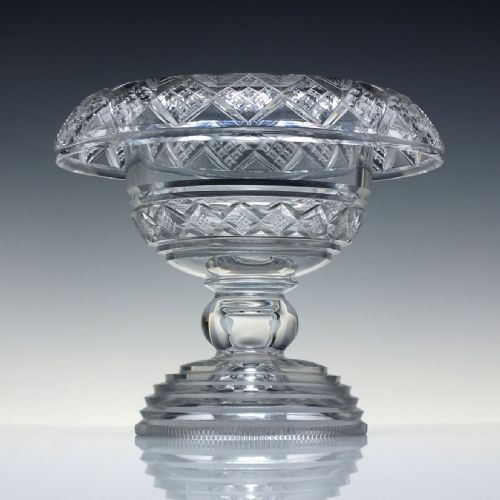
The primary material is lead crystal or cut glass, shaped by hand blowing and wheel cutting to create sharp facets that catch the light. Workshops utilised traditional glassblowing techniques before applying wheel-cut geometric patterns across the surface.
Many elevated bowls incorporate mounts and stands made from silver plate, gilt bronze, or Dutch silver. These metal components are secured to the glass bowls to form sturdy centrepieces and tazze.
Antique Crystal Pedestal Bowl Retail Price Guide 2026
Typical asking prices for crystal pedestal bowl among the pieces listed under this phrase on Sellingantiques today, from the lower quarter to the upper quarter. They describe what is for sale here now, not the wider market.
Assessing the range
The distinction between standard and superior pieces lies in the crispness of the cutting and the clarity of the metal. Fine examples exhibit deep, clean facets with precise geometry and minimal surface wear.
Weight and balance also dictate quality, as heavier lead crystal provides a more stable pedestal and a clearer ring when struck. Elaborate mounts in gilt bronze or silver plate further elevate the status of the vessel.
Waterford·Christofle et Cie
The Antique Crystal Pedestal Bowl Glossary
- Tazza
- A shallow bowl or saucer mounted on a stem and foot, used traditionally for serving fruit or small sweetmeats. This form dates back to the Renaissance but remains prominent in Victorian tablewares.
- Comport
- A large standing dish or bowl used for dessert or fruit service. Comports often match smaller tazze to form a graduated set on the dining table.
- Hobnail
- A raised, faceted glass pattern resembling the hobnails used on heavy boots. This dense cutting style creates intense refraction of light across the bowl.
- Lead crystal
- Glass containing lead oxide, which increases the weight, brilliance, and workability for deep cutting. It produces a distinct resonant ring when tapped.
Antique Crystal Pedestal Bowl: Frequently Asked Questions
How were pedestal bowls used originally?
These vessels stood in the centre of dining tables during the course of a meal to hold fruit, sweetmeats, or confections. Their elevated design allowed guests to converse underneath while adding height and visual drama to the table arrangement.
In grander settings, matched pairs or sets of comports and tazze served multiple courses of dessert. They functioned as both practical serving dishes and status symbols for the host.
Can I use these bowls for serving food?
These bowls remain suitable for serving dry foods such as fruit, nuts, or individually wrapped sweets. Acidic foods should not be left in contact with older lead crystal or metal mounts for extended periods.
Care must be taken with pieces featuring delicate etching or gilt bronze mounts, which benefit from gentle handling during domestic use. Most owners choose to display them empty or filled with decorative items.
How do I date a cut glass bowl?
Dating relies on examining the weight of the glass, the style of the cutting, and the presence of any accompanying metal mounts. Georgian pieces often display deeper, hand-polished facets and slightly irregular hand-blown forms.
Victorian and Edwardian examples introduce machine-assisted precision, heavier lead content, and specific decorative motifs like hobnails or naturalistic etching. Maker marks or stamps on attached silver plate also provide precise manufacturing dates.