



Antique Glassware Centrepiece
An antique glassware centrepiece sits at the heart of the table, drawing the eye with cut crystal, opalescent glass, and vibrant colour.
Antique Glassware Centrepiece
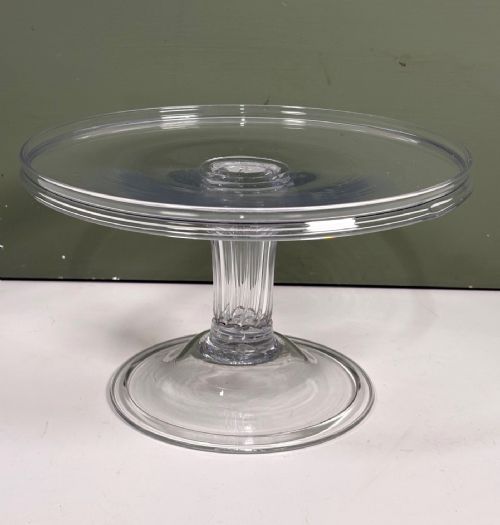
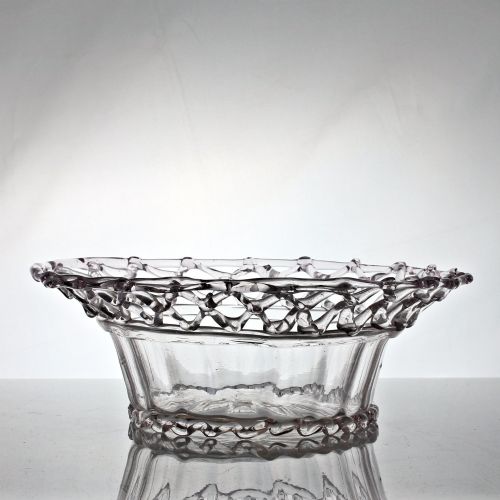
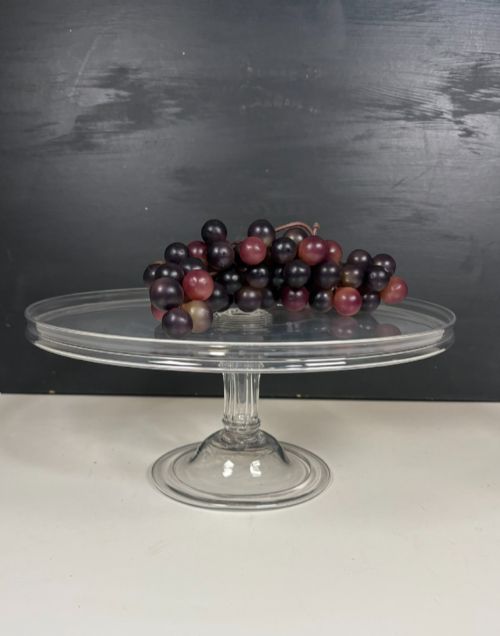
When you search for an antique glassware centrepiece, you encounter a varied selection of table vessels designed to command attention in a room, ranging from Georgian glass tazzas to Victorian cranberry glass epergnes.
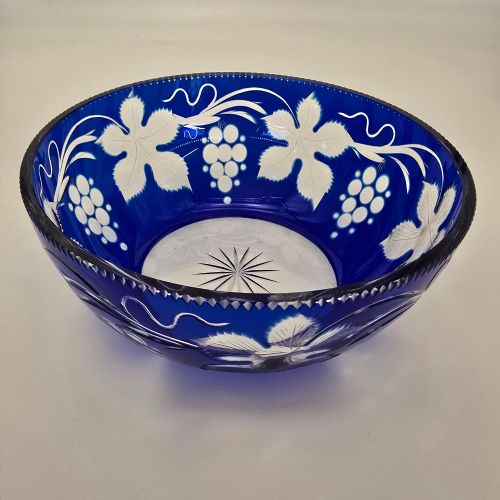
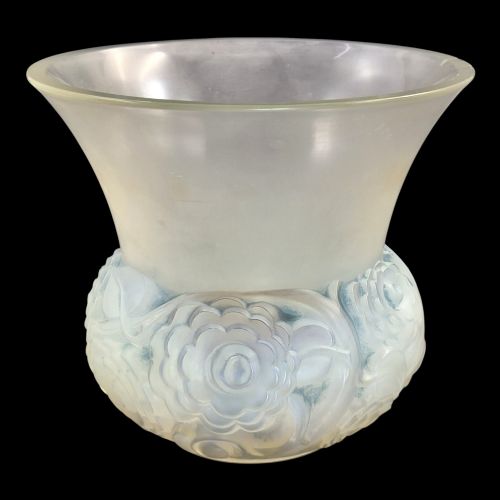
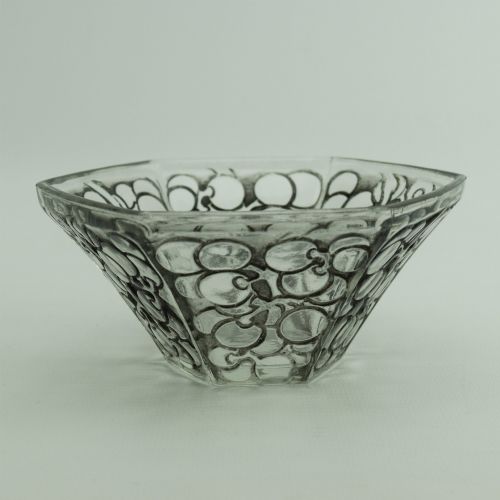
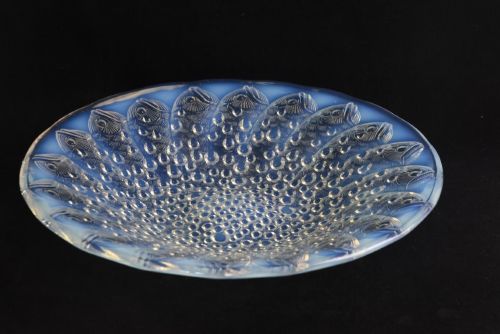
The pieces on this page span several eras and styles, including 18th century Irish turnover bowls, Art Deco opalescent bowls, and robust Edwardian cut glass dishes intended for fruit or display.
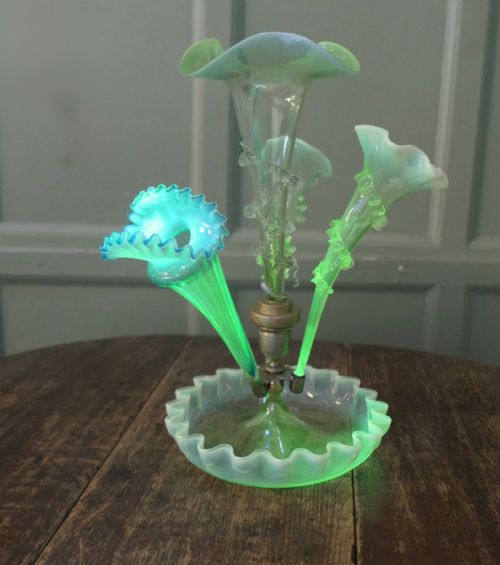
Pedestal bowls, multi-trumpet epergnes, and heavy comports form the backbone of these listings, representing both functional dining items and pure decorative objects from British, French, Belgian, and Bohemian makers.
Materials and methods
Maker's workshops relied on hand-blown glass, heavy lead crystal, and moulded opalescent glass, often shaping vessels with wheel-cutting, hobnail patterns, and delicate engraving.
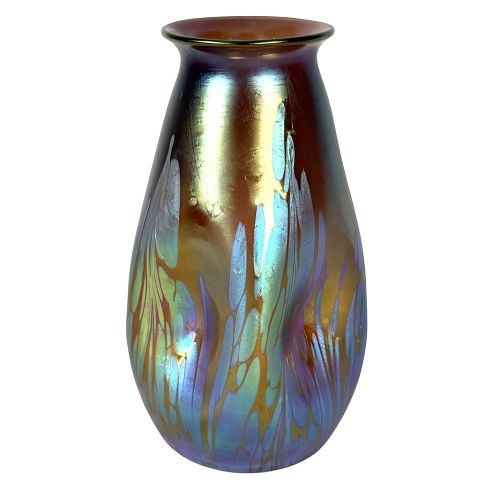
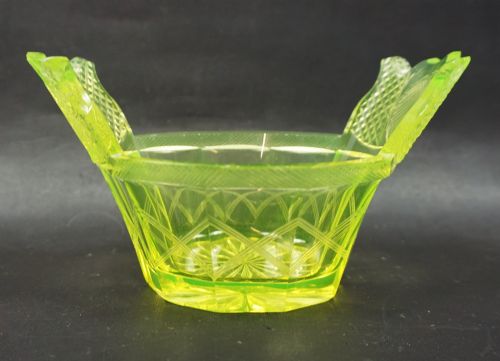
Colour came from chemical additions in the molten batch, producing deep ruby, vibrant green, cobalt blue, and uranium glass that glows under ultraviolet light.
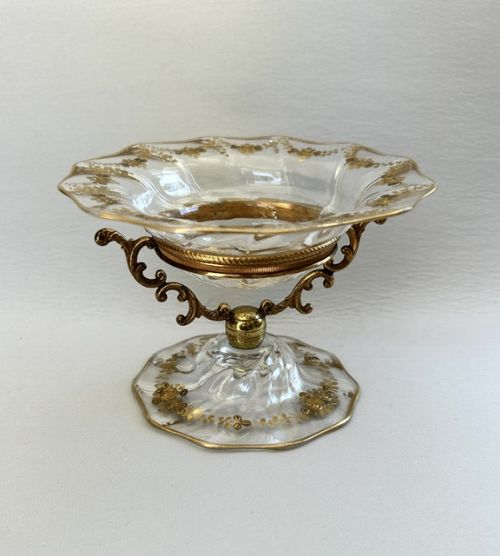
Many glass bodies incorporated metal mounts, such as French ormolu stands, gilded accents, or sterling silver dessert dish liners.
Antique Glassware Centrepiece Retail Price Guide 2026
Typical asking prices for glassware centrepiece among the pieces listed under this phrase on Sellingantiques today, from the lower quarter to the upper quarter. They describe what is for sale here now, not the wider market.
Several pieces require UV light to reveal their hidden uranium glow.
Judging quality
Distinction in these centrepieces lies in the crispness of the cutting, the weight and clarity of the lead crystal, and the depth of relief in moulded designs.
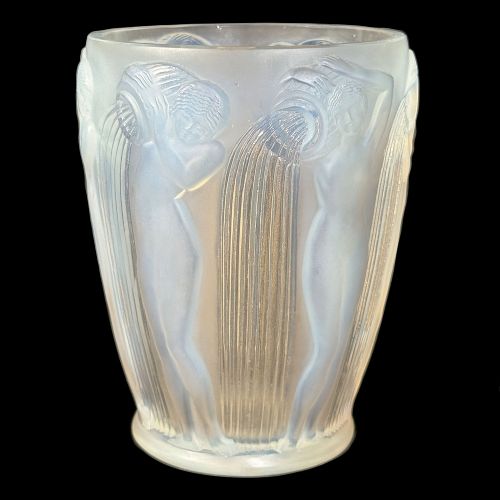
Artistic execution dictates value, separating standard production glassware from signed works by notable designers featuring intricate moulded motifs or hand-gilding.
R Lalique·Val St Lambert·Stuart
The Antique Glassware Centrepiece Glossary
- Epergne
- A tiered table centrepiece, typically featuring a central trumpet flanked by smaller matching horns or baskets for fruit and flowers.
- Tazza
- A shallow ornamental bowl or cup set upon a high foot and pedestal, frequently used for serving fruit or sweets.
- Comport
- A large pedestal bowl designed to stand in the centre of a dining table for fruit or dessert presentations.
- Traforato
- Pierced or openwork glass decoration found on specific Georgian and continental bowls.
- Opalescent glass
- Type of glass that displays milky, translucent blue or amber tones when light passes through the moulded relief.
Antique Glassware Centrepiece: Frequently Asked Questions
How were glass centrepieces used on dining tables?
These vessels held fruit, sweetmeats, or floral arrangements to decorate the table during formal meals.
Larger pedestal bowls and multi-trumpet epergnes served as visual focal points for guests.
What is uranium glass?
Uranium glass contains trace amounts of uranium oxide added to the batch as a colouring agent, producing a distinctive yellow-green hue.
These pieces emit a bright green glow when exposed to ultraviolet light.
How do I date an antique glass bowl?
Dating relies on stylistic markers, pontil marks on the base, cutting techniques, and factory signatures where present.
Georgian and Victorian pieces display different handling of lead content and weight compared to 20th century moulded glass.
Can I use these antique bowls for serving food?
Most antique glass bowls can accommodate dry foods or fruit, though older lead crystal requires gentle hand washing.
Pieces with delicate gilding, enamel, or ormolu mounts demand careful handling to preserve the surface.