






Cut Crystal Compote Bowl
These cut crystal compote bowl examples bring heavy glass and polished metal to a dining table.
Cut Crystal Compote Bowl
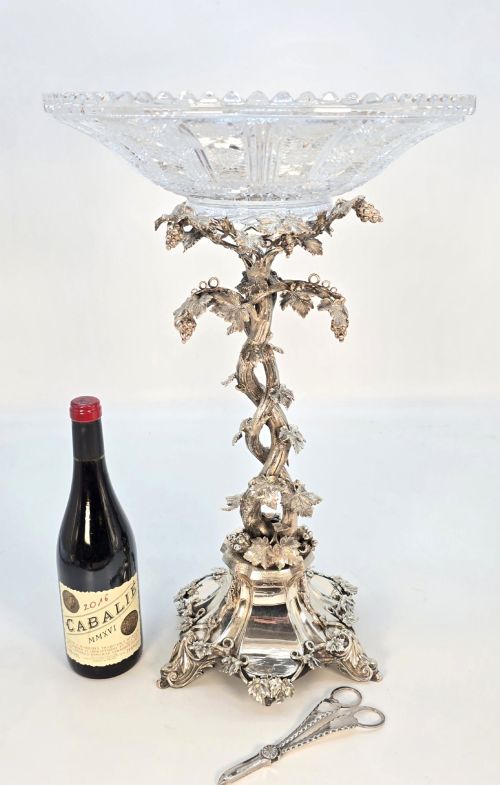
A cut crystal compote bowl serves as a raised vessel for fruit or table display, drawing on Georgian, Victorian, and Edwardian forms. These pieces stand upon pedestals or mounts, combining deep glass cutting with structural frames.
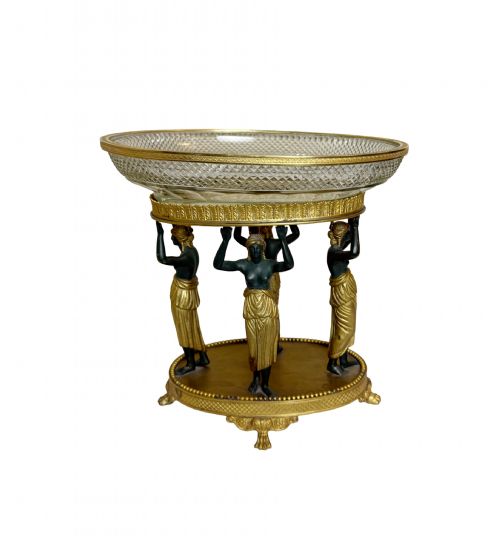
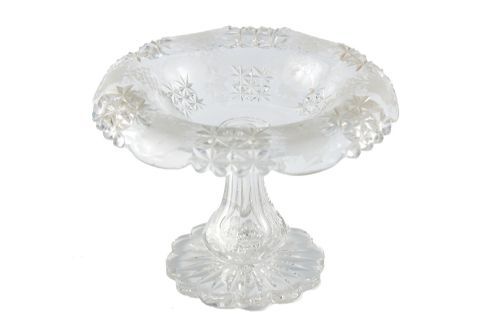
The varieties seen here range from simple hand-blown pedestal bowls to elaborate silver plate and gilt bronze mounts. Centrepieces and fruit bowls dominate the selection, often featuring hobnail patterns and etched details.
Origins stretch across English workshops and Irish glasshouses, alongside French Empire and Rococo Revival metalwork. Buyers encounter both standalone glass vessels and composite objects incorporating patinated bronze or silvered bronze.
Materials and construction
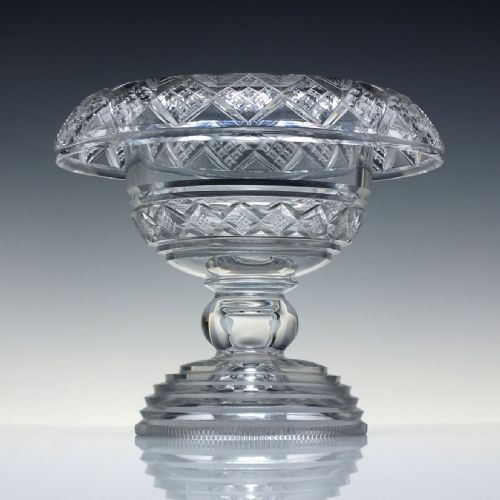
Makers formed these bowls using lead crystal and cut glass, shaping the hot metal by hand-blowing before applying wheel-cutting techniques. The resulting facets scatter light through dense glass bodies.
Metal mounts utilise silver plate, gilt bronze, and patinated bronze, securing the glass vessels via fitted collars or cherub figures. These mixed-media pieces fuse heavy metal casting with intricate glasswork.
Cut Crystal Compote Bowl Retail Price Guide 2026
Typical asking prices for cut crystal compote bowl among the pieces listed under this phrase on Sellingantiques today, from the lower quarter to the upper quarter. They describe what is for sale here now, not the wider market.
Listings feature lead crystal and cut glass combined with silver plate, gilt bronze, and porcelain across the 19th and early 20th centuries.
Factors of quality
Depth and crispness of the glass cutting separate standard bowls from superior examples. Sharp facets and clear ringing metal indicate high lead content and skilled execution.
The integration of the metal mount defines the upper tier of these objects. Cast bronze details, silver plating, and secure seating show the hand of dedicated metalworkers.
The Cut Crystal Compote Bowl Glossary
- Compote
- A raised bowl on a stem used for serving fruit or sweets. These footed vessels elevate the contents above the surface of the dining table.
- Tazza
- A shallow bowl mounted on a pedestal foot. It shares similarities with the compote but typically presents a flatter display surface.
- Hobnail pattern
- A raised, faceted glass design resembling the hobnails on stout boots. This texture appears frequently on 19th-century cut glass bodies.
- Silver plate
- A thin layer of silver fused to a base metal armature. Makers utilised this technique to achieve the look of solid silver on large centrepiece frames.
- Grand Tour
- A cultural journey undertaken by wealthy Europeans that inspired the acquisition of continental bronzes and decorative works. Objects from this context often blend neoclassical motifs with crystal bowls.
Cut Crystal Compote Bowl: Frequently Asked Questions
What is a compote bowl used for?
These vessels served primarily to present fruit, preserves, or sweetmeats at the conclusion of a formal meal. Their elevated position allowed them to act as central decorative ornaments on the dining table.
Over time, owners also utilised them simply as decorative centrepieces without food contents, displaying the cut glass facets to catch the light.
How do I date a cut crystal bowl?
Dating relies on examining the cutting style, glass colour tone, and any accompanying metal mounts. Georgian and early 19th-century pieces often feature thick lead glass with distinct hand-cut facets.
Victorian and Edwardian examples introduce machine polishing, silver-plated frames, and specific stylistic revivals such as French Rococo or nautical themes.
Are Irish crystal bowls different from English ones?
Irish crystal from the Georgian period is often noted for its slightly darker, heavier metal and distinct blue-grey tinge in the glass. The cutting on these pieces tends to be deep and bold.
English production ran parallel, sharing many decorative traits while incorporating local styles and varying lead crystal formulations through the 19th century.
How should I clean a antique crystal bowl?
Wash the glass gently in lukewarm water using mild detergent, avoiding sudden temperature changes that can stress old material. Dry thoroughly with a soft cloth to prevent water spots on the cut facets.
Keep abrasive pads away from any silver-plated or bronze mounts attached to the bowl, treating the metal components according to their specific surface finish.