





1930s Cut Glass
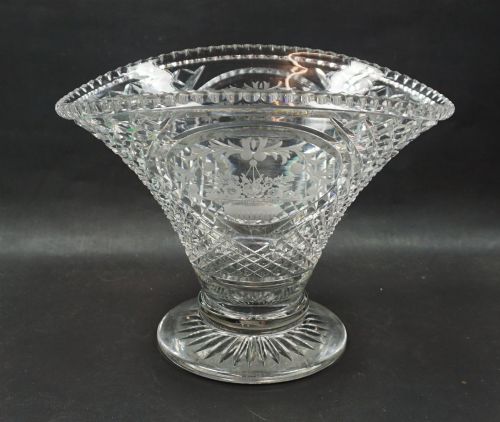
1930s cut glass encompasses heavy lead crystal lighting, dressing table bottles, and geometric tableware shaped by the bold aesthetic of the period.
1930s Cut Glass
When browsing 1930s cut glass, expect to encounter functional items intended for daily display and practical service during the interwar period. The selection on this page centres heavily on domestic lighting, including mushroom table lamps and bag chandeliers, alongside dressing table accessories.
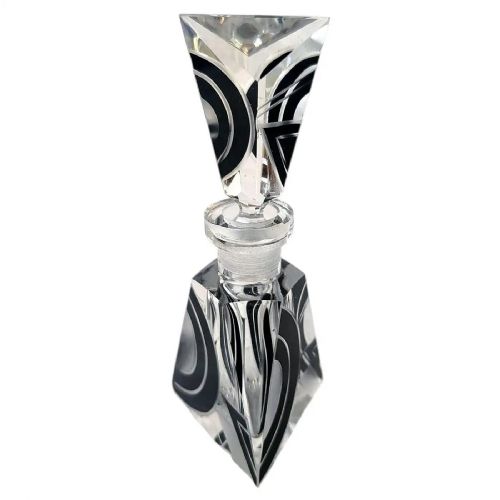
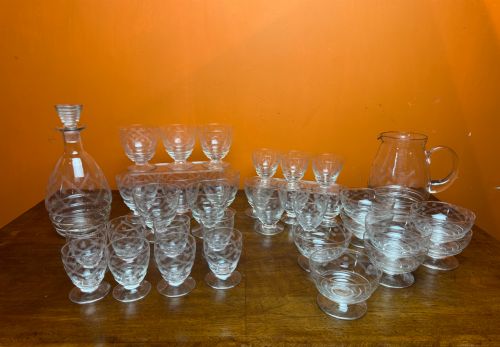
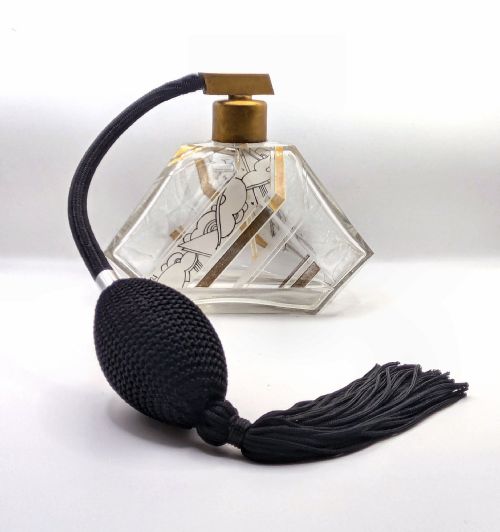
Vases, decanters, perfume bottles, and vanity jars dominate the forms recorded in both current listings and archive records. These pieces often combine heavy lead crystal with contrasting materials such as sterling silver, enamel, and chrome mounts.
Stylistically, French Art Deco and geometric cutting define the visual output of the decade. Makers from across Europe utilised sharp lines, overlaid crystal colours, and precise wheel-cut facets to catch the light.
Materials and manufacturing techniques
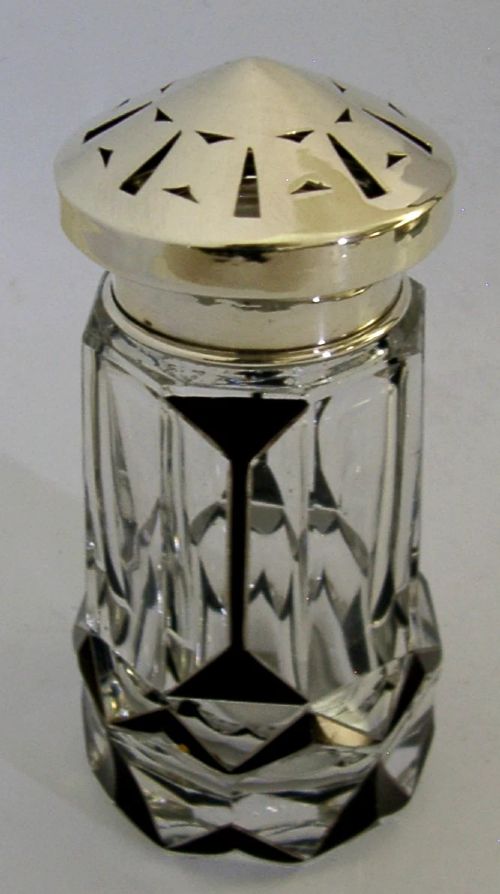
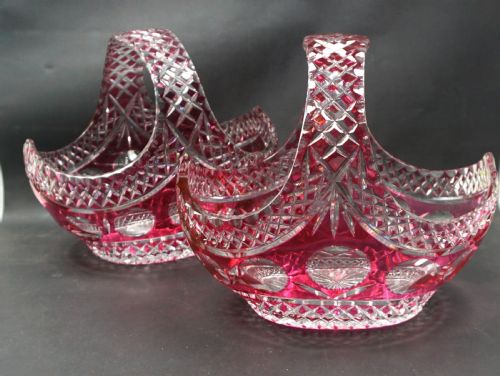
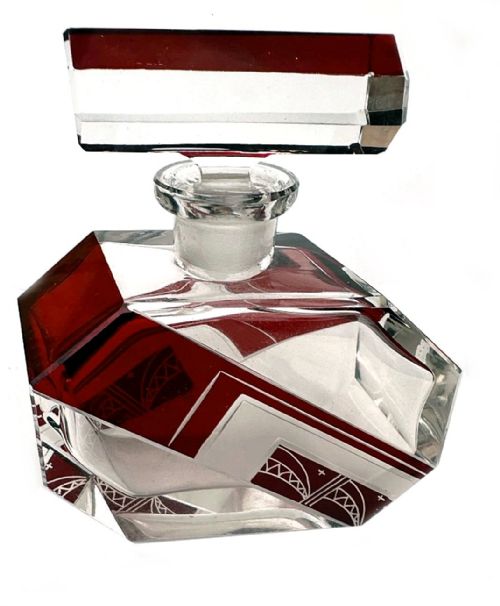
The primary material is lead crystal or heavy glass, often manipulated through complex overlay techniques where a coloured layer of glass coats a clear crystal body. Artisans then cut through this outer layer on a wheel to expose the contrasting clear crystal underneath, producing sharp geometric patterns.
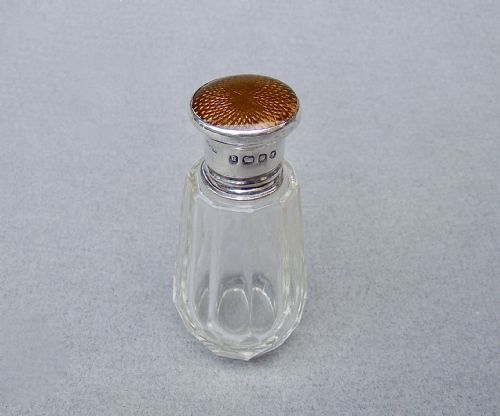
Metalwork frequently supplements the glass elements, incorporating sterling silver, silver-plate, brass, and chrome for mounts, lids, and frames. Guilloché enamel and coloured enamel details additionally decorate the silver components of scent bottles and vanity jars.
1930s Cut Glass Retail Price Guide 2026
Typical asking prices for 1930s cut glass among the pieces listed under this phrase on Sellingantiques today, from the lower quarter to the upper quarter. They describe what is for sale here now, not the wider market.
Several cocktail accessories include sterling silver cherry sticks housed in dedicated cut glass holders for sophisticated evening service.
Distinctions in standard and execution
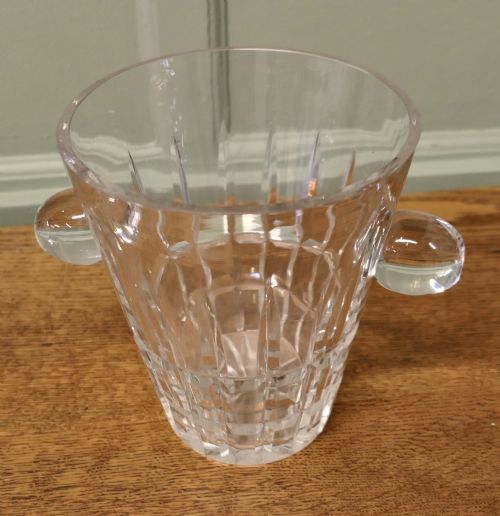
The precision of the wheel-cutting separates standard production from finer examples, with superior pieces showing crisp, deep facets that maintain exact symmetry across the geometric design. The weight and clarity of the underlying lead crystal also dictate the overall substance and brilliance of the object.
The integration of secondary materials marks another tier of quality. Superior vanity and lighting pieces incorporate hallmarked sterling silver and intricately worked guilloché enamel rather than basic chrome or plated substitutes, while signed works by known designers command greater attention.
Karl Palda·Val St. Lambert·Baccarat·Henry Perkins
The 1930s Cut Glass Glossary
- Cut glass
- Glass decorated by grinding facets and patterns into the surface using a rotating wheel. This technique creates sharp edges and high optical refraction.
- Lead crystal
- Heavy glass containing a high percentage of lead oxide, which increases brilliance, weight, and malleability for deep cutting. It forms the basis of quality table lamps and decanters.
- Guilloché enamel
- Enamel applied over a metal surface that has been machine-engraved with a repetitive geometric pattern. It appears frequently on the silver lids of 1930s vanity jars and scent bottles.
- Bag chandelier
- A light fixture featuring a metal frame enclosed in a gathered mesh of small crystal drops or beads. These fixtures hang flush or semi-flush to the ceiling.
- Overlay crystal
- A vessel formed from multiple layers of different coloured glass fused together before cutting. Cutting through the outer coloured layer reveals the contrasting base glass.
1930s Cut Glass: Frequently Asked Questions
How do I identify 1930s cut glass lighting?
Look for heavy lead crystal components, geometric forms, and specific silhouettes such as the mushroom table lamp or bag chandelier. These lighting pieces typically utilise single or twin bulb setups mounted on chrome, brass, or silver-plated bases.
The wiring may have been updated for modern safety standards, but the physical structure retains the characteristic heavy crystal shades and beaded glass configurations typical of the interwar period.
What is overlay glass?
Overlay glass involves fusing a layer of coloured glass over a clear crystal base during the blowing process. Artisans then cut specific patterns through the coloured exterior to expose the clear crystal beneath.
This technique creates a striking two-tone visual effect, frequently seen in vases and baskets produced in shades of blue, green, and red.
Are dressing table sets marked?
Many perfume bottles, powder jars, and scent atomisers feature hallmarks on their sterling silver mounts indicating the assay office and year of manufacture. Maker marks may also appear stamped into the metal components.
Glass bodies themselves occasionally carry factory acid stamps or signatures, though many attribution details rely on documented pattern books and known stylistic traits.
How should I clean antique crystal?
Clean crystal items using lukewarm water and mild soap, avoiding harsh abrasives that might scratch the surface or damage accompanying silver and enamel mounts. Dry thoroughly with a soft cloth to preserve the clarity of the cut facets.
Items with metal collars or fitted enamel should be immersed with care to prevent moisture from seeping beneath the mounts.