



Regency Wine Glasses
Regency wine glasses are drinking vessels of lead crystal and coloured glass from the Georgian and Regency periods, prized for heavy cutting and rich hues.
Regency Wine Glasses
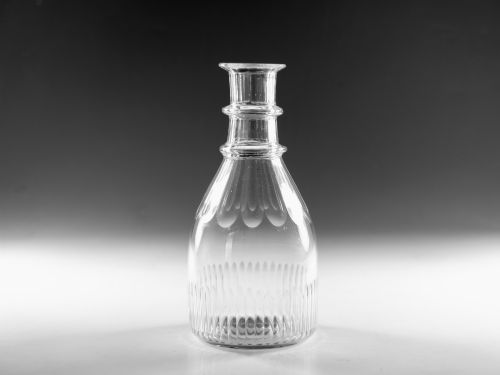
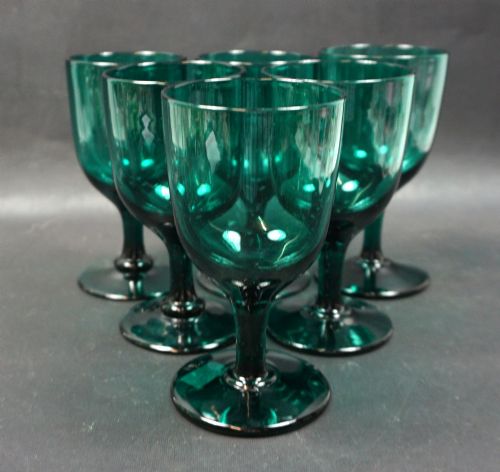
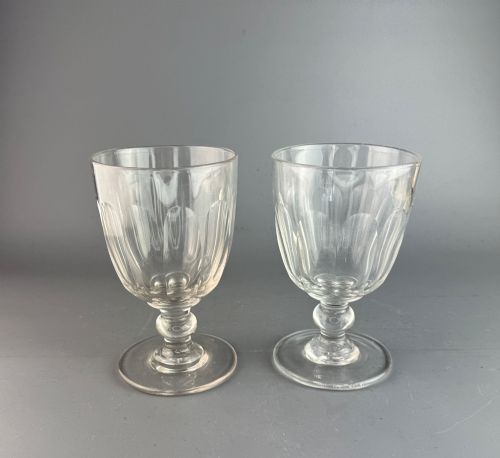
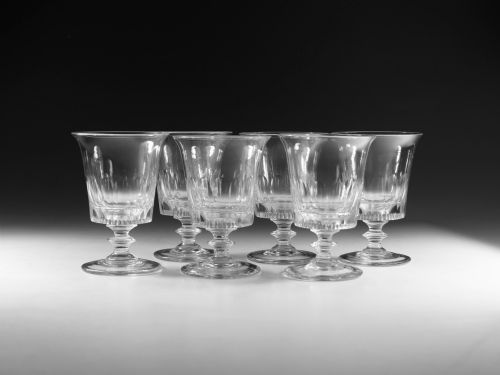
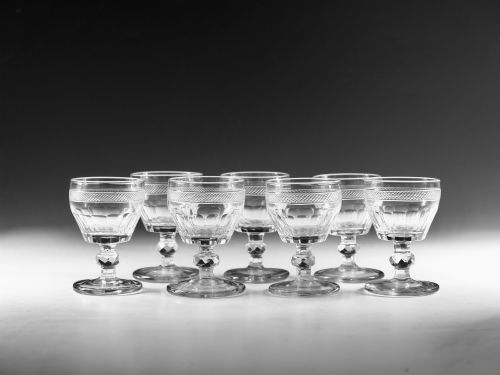
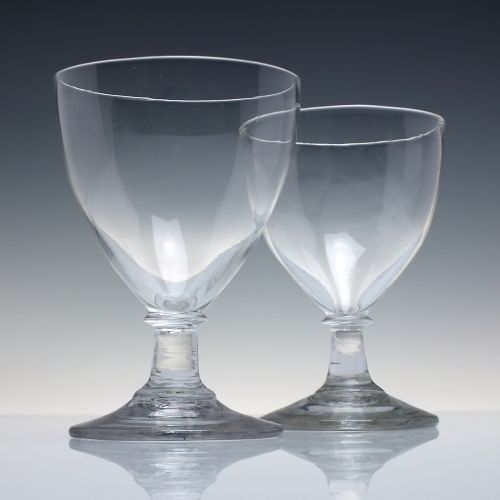
Regency wine glasses encompass drinking vessels produced during the late Georgian and Regency eras, alongside related forms such as rummers and port glasses. Buyers seeking regency wine glasses will encounter clear lead crystal alongside striking coloured examples in Bristol green, turquoise, peacock blue, and red.
The evidence shows these drinking vessels appearing individually, in pairs, or in matched sets of four and six. They sit alongside broader glass categories including decanters, carafes, rinsers, and champagne coolers from the same nineteenth century periods.
Materials and production
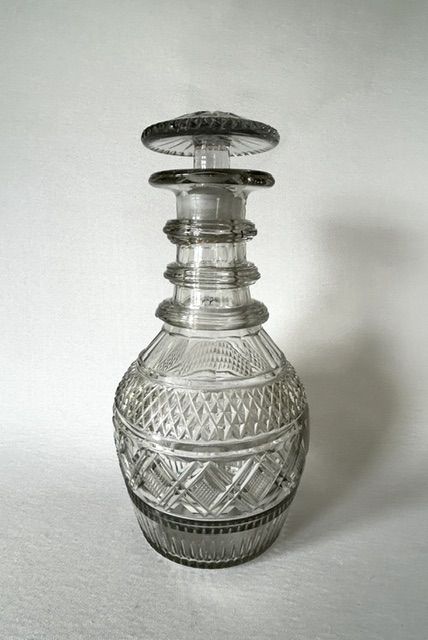
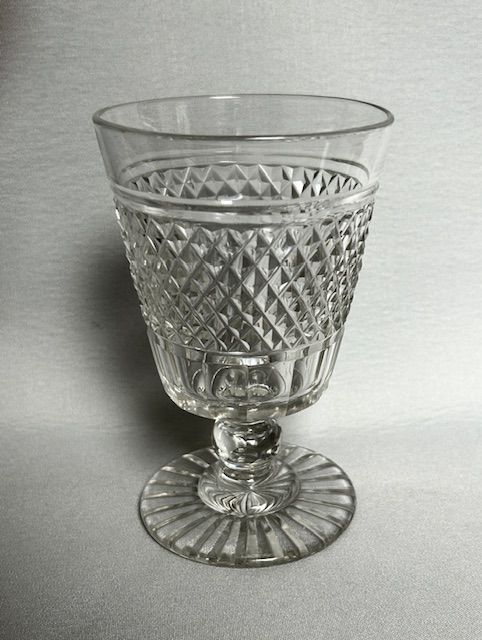
These items were shaped from lead crystal, flint glass, and clear or coloured glass, utilising heavy metal compositions that allowed for deep facet cutting. Artisans employed cutting, engraving, and pillar or prism techniques to manipulate the thick glass walls.
Anglo-Irish workshops and English glasshouses produced sturdy tablewares designed for heavy use, often featuring square lemon squeezer feet or moulded details. Gilt bronze mounts occasionally complemented larger vessels like champagne coolers.
The inventory records tablewares spanning decanters, rummers, port glasses, champagne coolers, and toddy lifters.
Distinctions in quality
Quality rests upon the crispness of the cutting, the weight of the lead crystal, and the depth of colour in tinted examples. Superior pieces display precise geometric facets and clear ring resonance without distracting bubbles or surface distortion.
Completeness of a set elevates desirability, particularly among matched groupings of coloured wine glasses or rummers. The finesse of hand engraving and the stability of thick bases further separate standard utility wares from superior specimens.
The Regency Wine Glasses Glossary
- Rummer
- A heavy drinking glass with a large ovoid bowl, short stem, and sturdy foot, commonly used for wine, ale, or rum during the Georgian period.
- Lead crystal
- A heavy glass containing lead oxide that increases brilliance, weight, and suitability for deep facet cutting.
- Lemon squeezer foot
- A square, moulded glass base with sloping sides resembling a Victorian citrus juicer, typical of the early nineteenth century.
- Anglo-Irish
- Pertaining to glassware manufactured in Ireland during the period of union with Great Britain, known for thick walls and heavy prismatic cutting.
- Prism cut
- A linear, prismatic surface decoration that refracts light through parallel facets cut into the glass body.
Regency Wine Glasses: Frequently Asked Questions
What is a rummer?
A rummer is a capacious, sturdy drinking vessel featuring a thick bowl and short stem designed for everyday dining and robust toasts.
These pieces often display heavy hobnail or prism cutting near the base of the bowl to catch the candlelight on a nineteenth century dinner table.
Were these glasses used for wine?
Yes, many vessels served specific pours including port, sherry, and general table wines alongside cordials.
Coloured variants in green, blue, and red added visual variety to the dining service, often matching the contents or seasonal table arrangements.
How do I care for antique glass?
Hand washing in lukewarm water with mild detergent protects the fragile lead crystal and historic surfaces.
Harsh dishwashers and sudden temperature changes risk thermal shock and permanent clouding of the ancient material.
How can I tell the period?
Stylistic markers such as square lemon squeezer bases, three ring necks on decanters, and deep pillar cutting point toward the Georgian and Regency eras.
Weight, pontil marks on the underside, and the specific hues of coloured glass provide further clues to their nineteenth century origins.