

19th Century Wine Glasses
These 19th century wine glasses span Georgian restraint and Victorian exuberance, offering distinct historical character for daily dining.
19th Century Wine Glasses
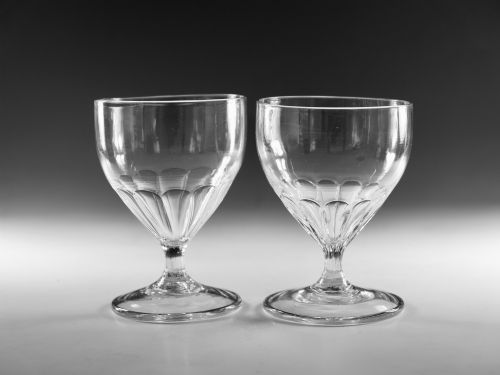
Forms vary from robust rummers and port glasses to delicate champagne flutes and hock glasses. Many survive in matched pairs or larger sets, reflecting the sociable dining habits of the period.
How they were made
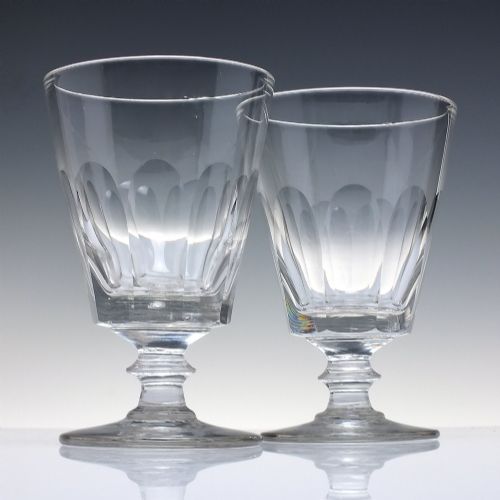
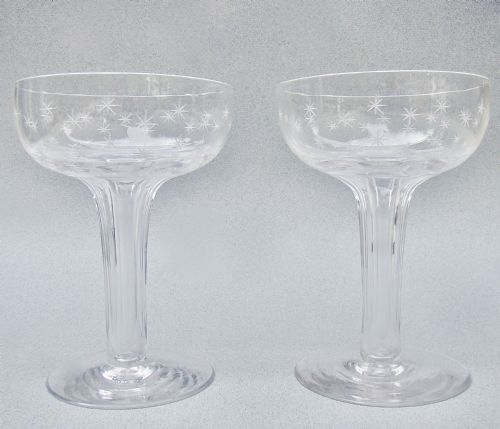
Glassmakers utilised lead glass and crystal formulations, shaping vessels through free-blowing, mould-blowing, or hammer moulding. Artisans then applied wheel-cut geometric patterns, delicate star-etching, or enamel painting to the surfaces.
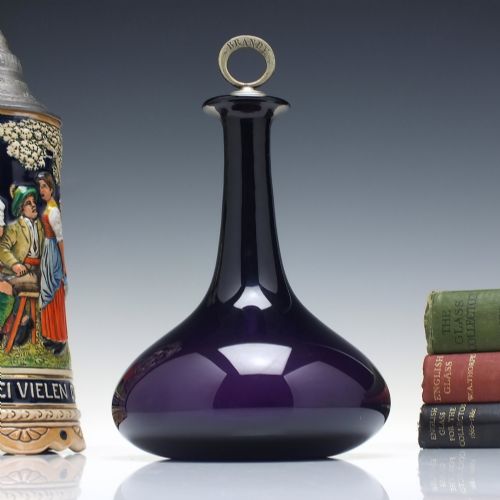
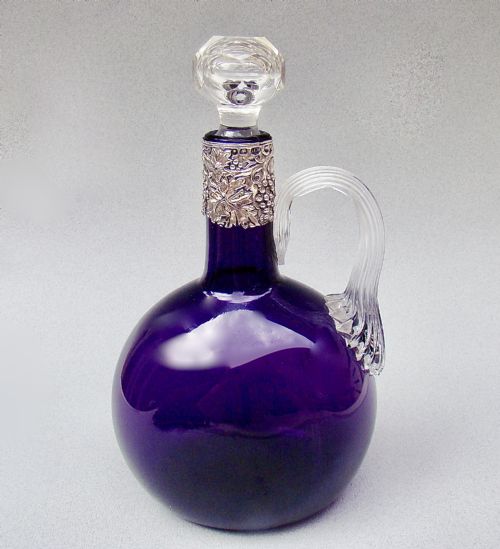
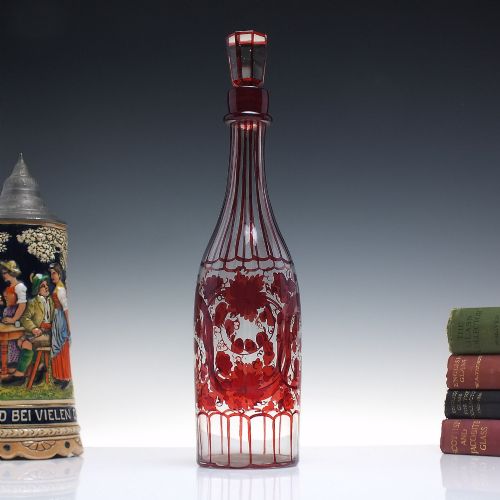
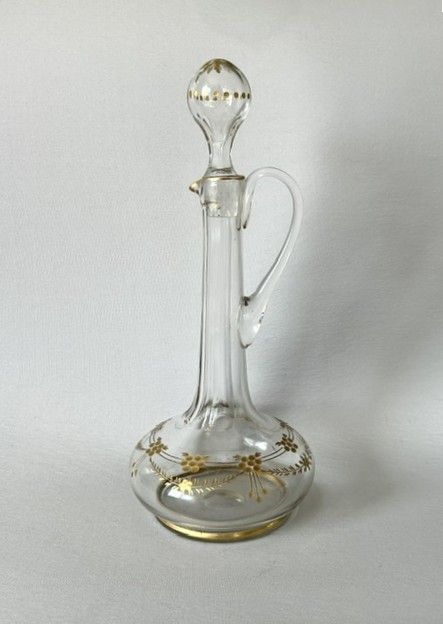
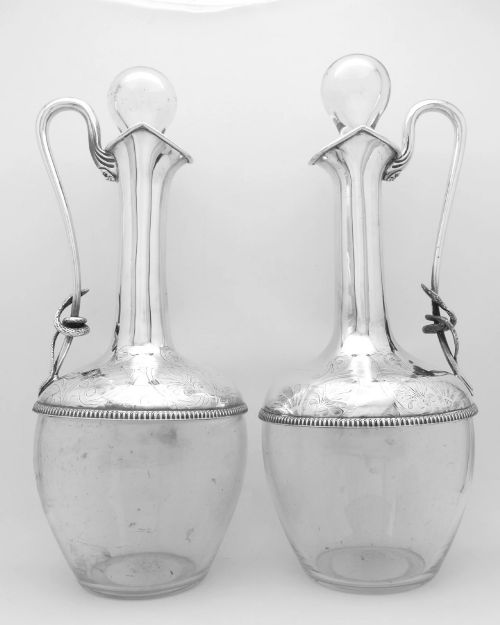
Many examples incorporate applied silver mounts, gilding, or overlay techniques where a layer of coloured glass is fused over a clear core before cutting.
19th Century Wine Glasses Retail Price Guide 2026
Typical asking prices for 19th century wine glasses among the pieces listed under this phrase on Sellingantiques today, from the lower quarter to the upper quarter. They describe what is for sale here now, not the wider market.
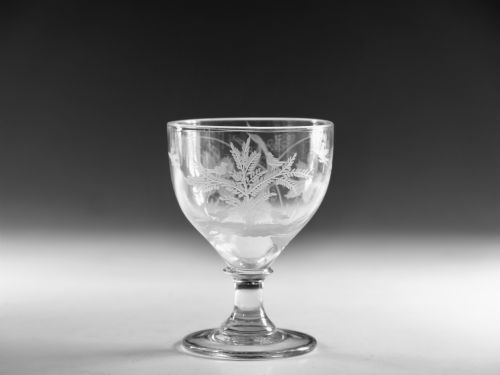
Some glasses feature tiny etched spiders and butterflies, bringing Victorian whimsy directly to the dinner table.
What varies in quality
Quality rests on the clarity of the metal, the precision of the cutting, and the crispness of any wheel engraving. Superior pieces display thin, even walls and well-proportioned stems without heavy surface distortion.
The depth and consistency of coloured glass layers, alongside the finesse of hand-painted enamel or gilding, separate standard production ware from finer studio or exhibition pieces.
Henry Matthews·James Powell·Joseph Keller·Baccarat·Stevens and Williams
The 19th Century Wine Glasses Glossary
- Rummer
- A large, sturdy drinking glass popular in the Georgian and early Victorian periods, often featuring a short stem and cut bowl.
- Cranberry glass
- A distinctive pinkish-red transparent glass coloured with gold chloride, widely utilised for Victorian stemware and decanters.
- Lead crystal
- Glass containing lead oxide that increases weight, brilliance, and the refractive index, allowing for deep wheel cutting.
- Roemer
- A traditional European Germanic wine glass featuring a wide, often green bowl resting on a cylindrical, prunt-adorned stem.
- Hobnail cut
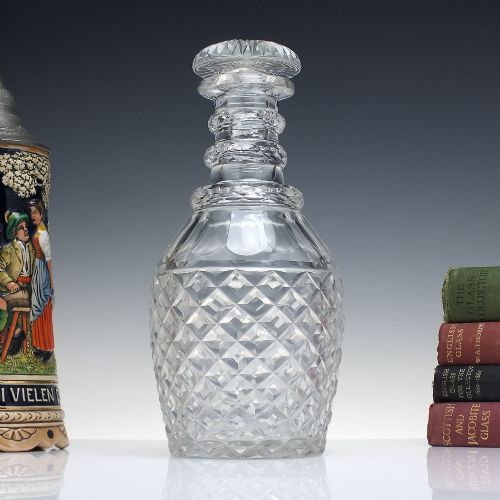
- A raised, multi-faceted geometric pattern resembling the iron nails on rustic boot soles, frequently seen on Regency decanters and rummers.
- Hammer moulding
- A technique where molten glass is expanded into a patterned mould to create subtle fluting or panel effects on the bowl.
19th Century Wine Glasses: Frequently Asked Questions
How do I clean antique wine glasses?
Wash them gently by hand in lukewarm water using mild detergent. Avoid sudden temperature changes to prevent thermal shock.
Dry them immediately with a soft, lint-free cloth to maintain the brilliance of the glass.
Can I use them for dining?
These glasses are durable enough for careful occasional use during special meals. Hand-washing remains essential after every use.
Keep them away from modern dishwashers and harsh drying cycles.
Why are some coloured differently?
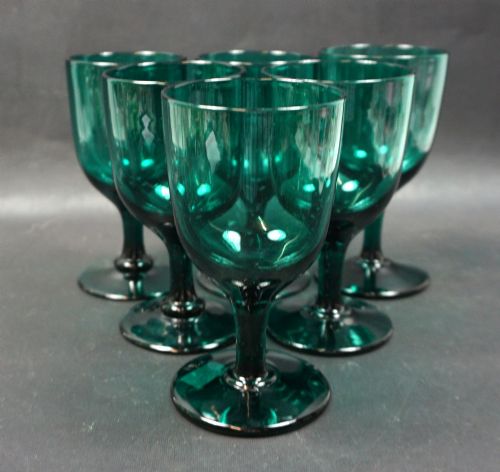
Glassmakers added various metallic oxides to the molten batch to achieve specific tones. Cobalt created blues, gold chloride produced cranberry reds, and copper achieved greens.
These chemical additions defined the regional styles of English and continental European glasshouses.