

Antique Glass Wine Goblets
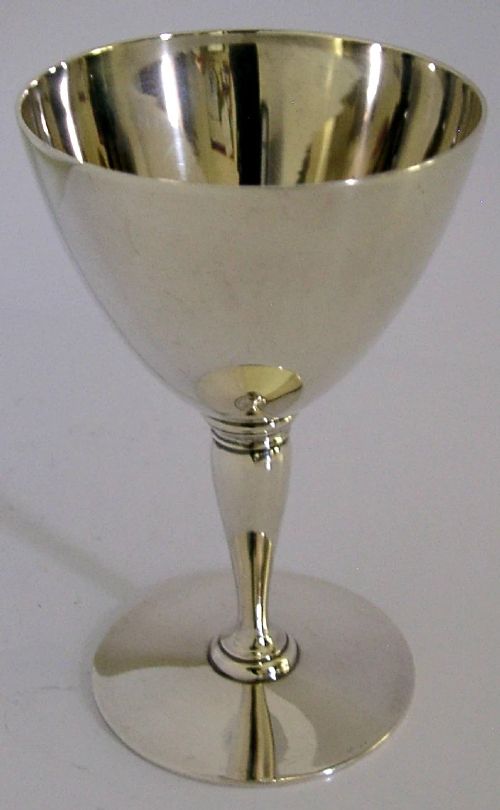
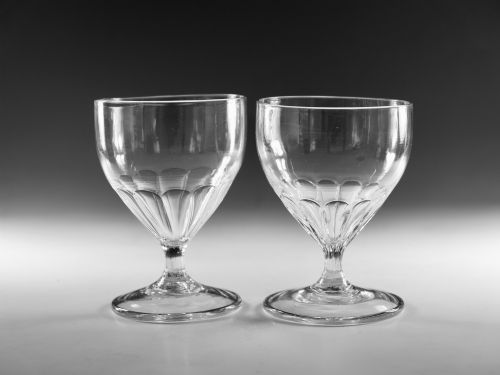
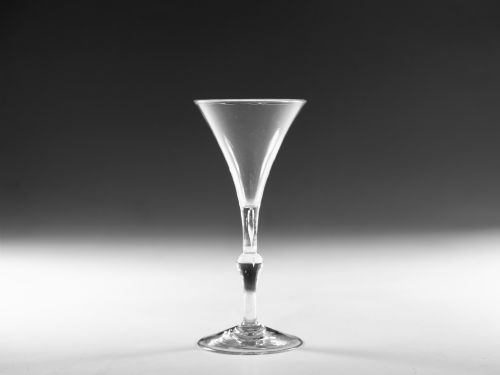
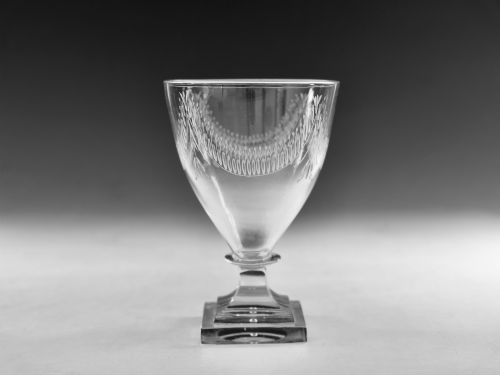
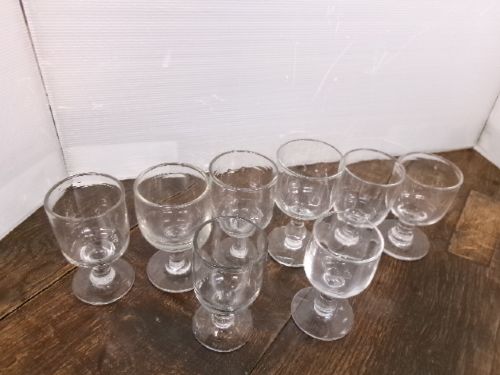
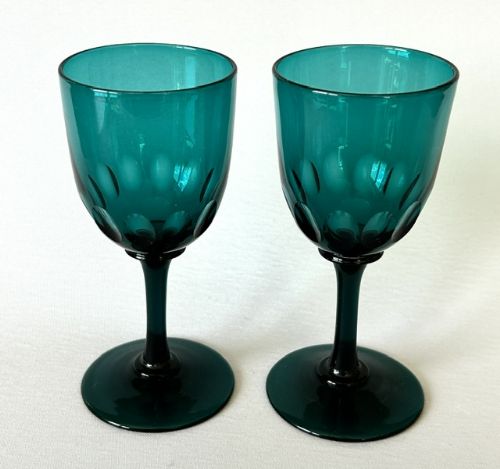
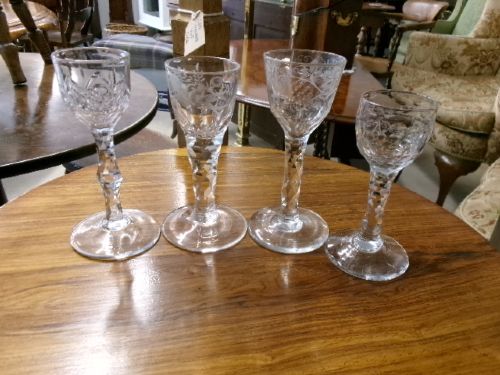
Antique glass wine goblets bring unmistakable weight and colour to the table, and these pieces are chosen for their genuine period character.
What antique glass wine goblets are
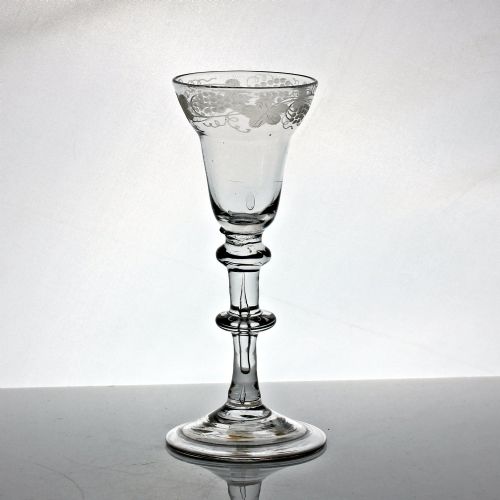
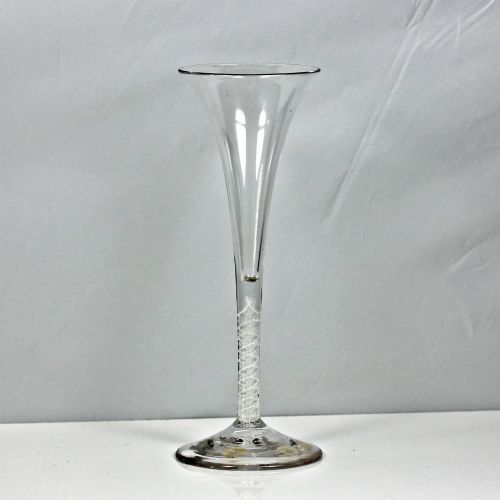
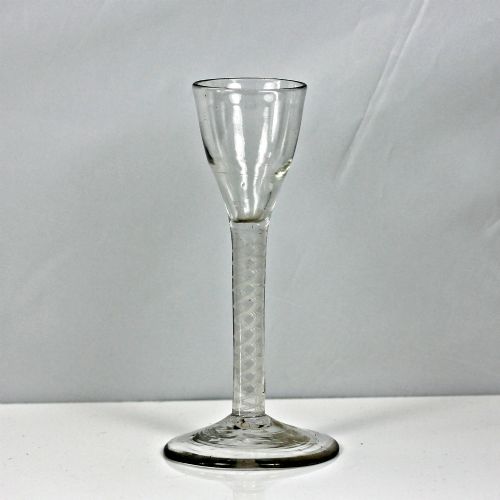
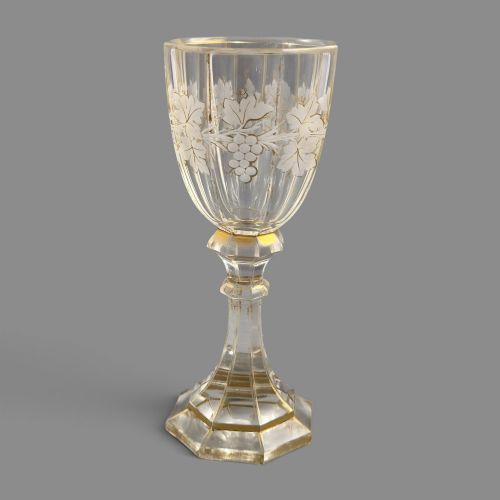
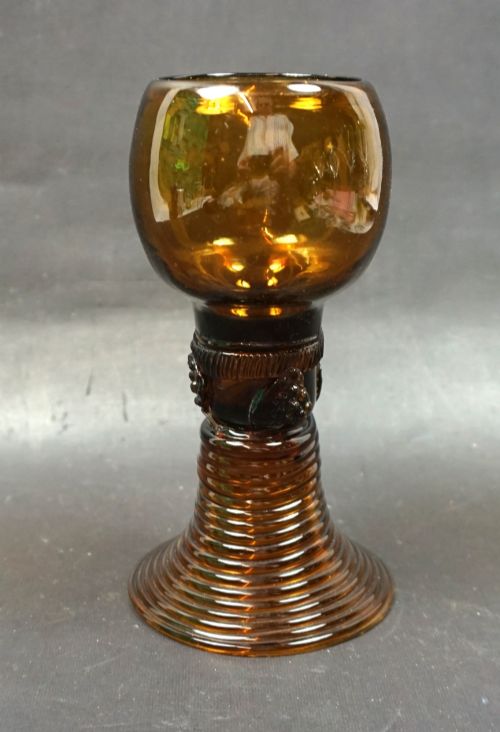
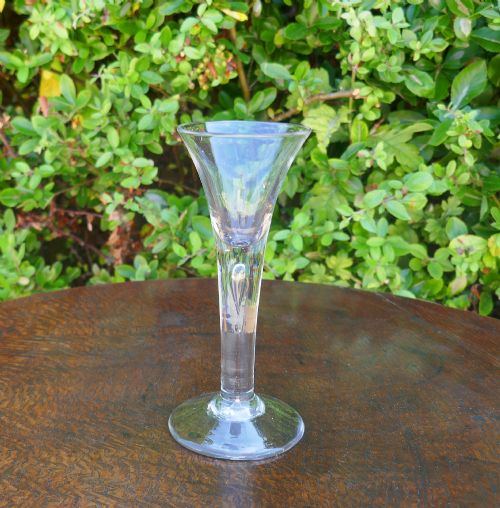
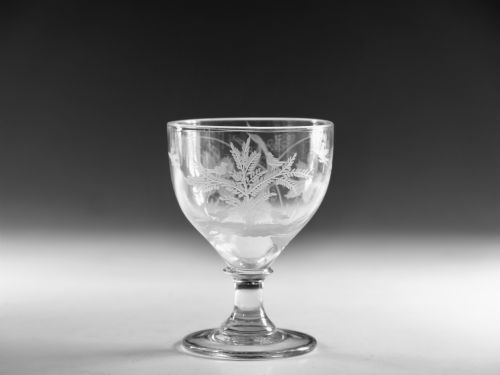
When you search for antique glass wine goblets, you encounter drinking vessels spanning the Georgian, Victorian, and Edwardian eras. The selections on this page typically appear as sets of six or smaller pairings, suited to traditional dining.
Forms range from amethyst glass with bobbin stems to green cut glass and cranberry wine glasses. Pieces from these periods reflect the distinct domestic tastes of the nineteenth and early twentieth centuries.
How they were made
The material across these listings is glass, often appearing in specific colourways such as cranberry glass, clear glass, and amethyst glass. Makers employed hand-blown stemware techniques alongside machine engraving to shape the bowls and stems.
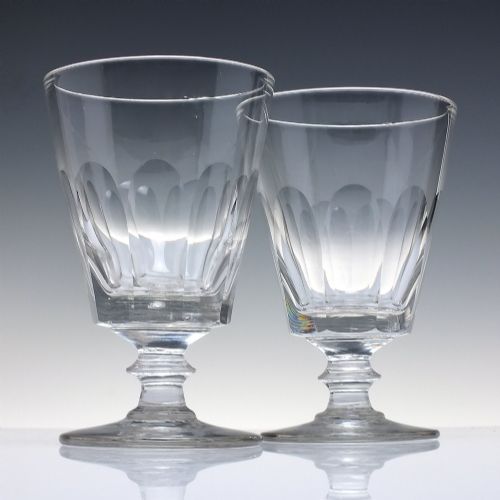
Cut glass examples demonstrate the manipulation of thick material through wheel-cutting to reveal contrasting facets and colour layers. Such methods demand steady hands and precise temperature control during shaping.
Retail Price Guide 2026
Typical UK retail prices for glass wine goblets, calculated from the Sellingantiques database of over a million retail prices indexed since 2003. This retail price guide relies exclusively on Sellingantiques data; no external sources or auction records are used, so the figures do not describe the wider market.
Listings span periods from the Georgian era through to 1910, utilising clear, cranberry, and amethyst glass.
What varies in quality
Quality rests on the depth of colour saturation, the crispness of cutting, and the balance of the stem. Examples featuring hand-blown cranberry glass or detailed bobbin stems display superior artisanal handling compared to plain utilitarian counterparts.
Uniformity across a matched set elevates a group above mixed assemblages. The clarity of the material and the absence of heavy optical distortion separate standard output from finer work.
The Antique Glass Wine Goblets Glossary
- Cranberry glass
- A rich red-pink transparent glass created by adding gold chloride to the molten batch. This technique produces the characteristic warm tint seen in Victorian stemware.
- Bobbin stem
- A stem formed with a series of rounded, spool-like nodes. This shape provides a tactile grip and decorative silhouette on nineteenth-century vessels.
- Cut glass
- Glass decorated by abrasive wheels that grind away surface material to form geometric or floral patterns. Deep cutting catches candlelight effectively.
- Hand-blown
- Formed by gathering molten metal on a blowpipe and shaping it with breath and hand tools. This method leaves subtle variations unique to each vessel.
Frequently Asked Questions
How do I clean antique wine goblets?
Wash them gently by hand using lukewarm water and mild detergent. Avoid sudden temperature changes to protect the old material.
Dry them immediately with a lint-free cloth to maintain clarity and prevent water spots from forming on the surface.
Can I use these goblets for daily dining?
These pieces can certainly be used for special meals and formal gatherings. Their historical nature simply calls for careful handling during use and storage.
Hand-washing is essential to preserve the integrity of hand-blown stems and cut surfaces over time.
What defines a Victorian wine glass?
Victorian wine glasses often feature vibrant hues like cranberry alongside hand-blown forms. They reflect the decorative preferences of the later nineteenth century.
Design elements frequently include bobbin stems or engraved detailing suited to contemporary dining rituals.
How are periods identified?
Periods are determined through a combination of form, colour chemistry, and manufacturing technique. Evaluators look at stem construction and cutting styles.
Archival parallels and stylistic traits from eras such as the Georgian and Edwardian periods provide further context for dating.