



Vintage Green Wine Glasses
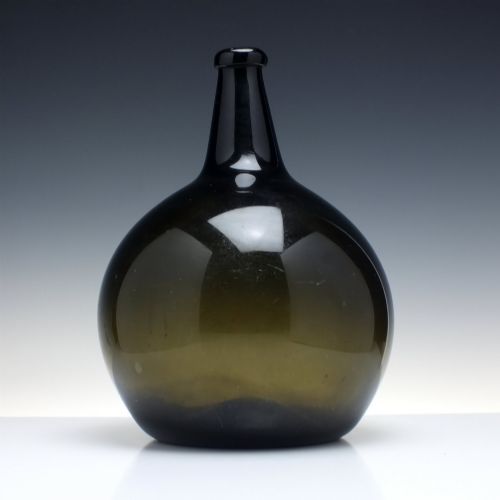
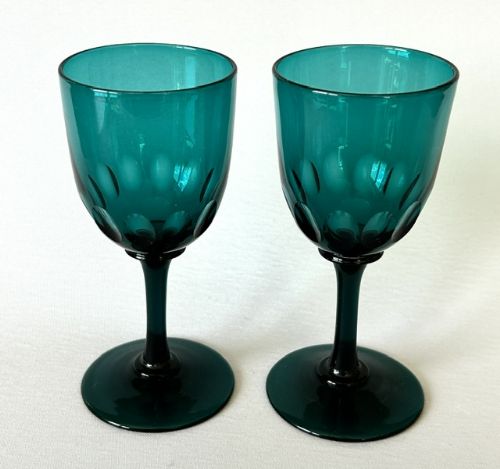
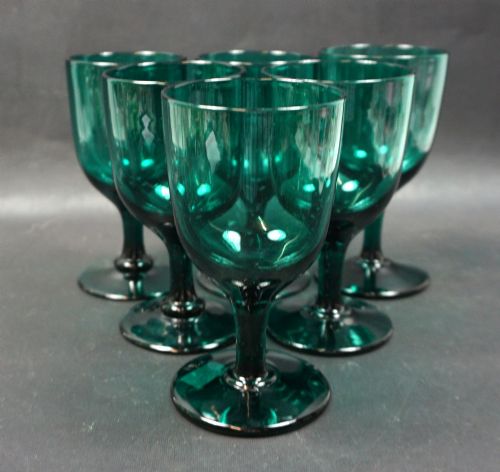
These vintage green wine glasses bring rich colour and historic character to the table, spanning Georgian, Victorian, and later periods.
Vintage Green Wine Glasses
When searching for vintage green wine glasses, buyers encounter a diverse selection of drinkware ranging from Georgian table glass to twentieth-century hock glasses. The offerings include matched sets, pairs, and individual pieces in various shades of green, alongside related items like decanters and jugs.
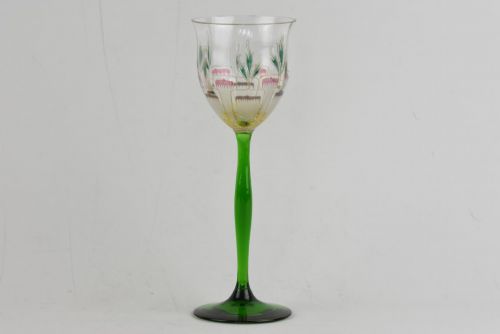
Victorian examples dominate the selection, often featuring deep tones, vaseline glass, or delicate enamel painting. Earlier Georgian specimens and later Art Nouveau or Art Deco pieces from continental makers also appear frequently among the listings.
The assortment extends beyond standard wine glasses to encompass rummers, liquor glasses, and tall hock glasses designed for specific table settings. Each period contributes distinct silhouettes and methods of green coloration, from Bristol green to pale Bohemian roemers.
How they were made
Makers utilised glass and lead glass as the primary mediums, shaping vessels through hand-blowing and conventional blowing techniques. Many pieces incorporate coloured glass or colour over crystal overlays, creating deep saturation or striking contrast when cut.
Surface ornamentation involved intricate enamel decoration, floral enamel painting, and applied gold leaf. Certain vessels feature pewter or silver mounts, combining metalwork with blown glass forms.
Vintage Green Wine Glasses Retail Price Guide 2026
Typical asking prices for vintage green wine glasses among the pieces listed under this phrase on Sellingantiques today, from the lower quarter to the upper quarter. They describe what is for sale here now, not the wider market.
Listings span Georgian, Victorian, Edwardian, and Art Deco periods, featuring hand-blown glass, enamel, and gold leaf.
What varies in quality
The refinement of the glass body and the precision of the cut or blow separate standard items from finer works. Superior pieces display crisp faceting, even colour distribution, and well-balanced proportions.
Artistry in surface decoration dictates distinction at the higher end, particularly where hand-painted enamel or precious metal mounts are involved. Workshop execution by recognised European makers elevates the distinction of individual items.
Baccarat·Theresienthal·St Louis Massenet·Frits Hechert
The Vintage Green Wine Glasses Glossary
- Hock glass
- A tall-stemmed wine glass traditionally used for German white wine. These often feature coloured bowls or overlays.
- Roemer
- A traditional Germanic drinking vessel with a wide bowl resting on a cylindrical stem decorated with prunts. They frequently appear in green glass with enamel details.
- Vaseline glass
- A type of glass coloured with uranium dioxide that exhibits a distinct yellow-green fluorescence under ultraviolet light. It gained popularity during the Victorian era.
- Bristol green
- A deep, strong shade of green traditionally associated with English glass production from the Georgian period onward. The colour results from natural impurities in the batch or deliberate metallic oxides.
- Enamel
- Opaque glass paste applied to the surface of a vessel and fired to fuse with the body. It provides colourful floral or figurative decoration.
Vintage Green Wine Glasses: Frequently Asked Questions
How do I date vintage green wine glasses?
Dating relies on observing the silhouette, pontil mark, and manufacturing technique. Georgian pieces often show rough pontil scars and heavier lead metal, while Victorian examples introduce vibrant shades like vaseline glass and elaborate enamel work.
Twentieth-century specimens from makers like Baccarat or St Louis exhibit refined pressed or cut overlays and twentieth-century stylistic motifs. Comparing the shade of green and decorative style against known period examples clarifies the age.
Can I use these glasses for daily dining?
Many of these antique and vintage glasses remain structurally sound for gentle use at the table. Hand washing is essential to protect delicate enamel decoration, gilding, and thin historical glass.
Careful handling prevents thermal shock and accidental chips on rims and feet. Treating them with attention preserves their historic integrity for special occasions.
What is the difference between hock glasses and wine glasses?
Hock glasses traditionally feature taller stems and larger bowls intended for Germanic white wines. Standard wine glasses from the Georgian and Victorian periods generally present more compact proportions.
Both forms utilise coloured glass and crystal overlays, but the hock shape provides a taller silhouette on the table.
How do I identify Bristol green glass?
Bristol green refers to a deep, saturated green tone typical of English glasshouses from the late eighteenth and nineteenth centuries. The colour is rich and uniform, often seen in rummers, wine glasses, and ships decanters.
Examining the weight and clarity of the glass helps distinguish traditional Bristol green from later continental reproductions.