


Early 19th Century Glassware
These early 19th century glassware pieces span Regency, Georgian, and Victorian eras, offering collectors authentic lead glass, decanters, and vibrant coloured vessels.
Early 19th Century Glassware
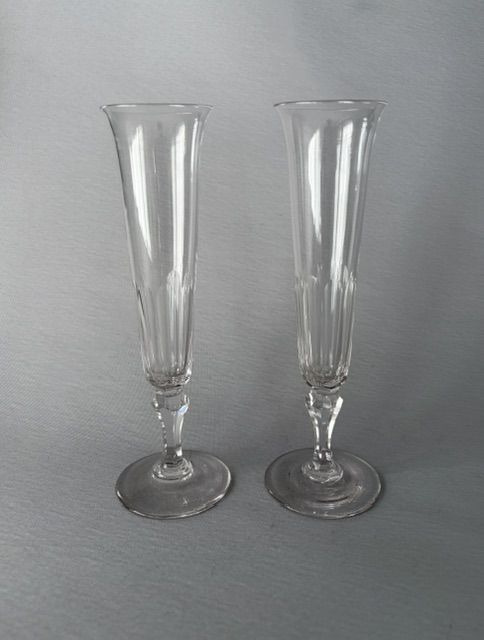
Early 19th century glassware encompasses functional and decorative vessels produced across the Georgian, Regency, William IV, and Victorian periods. When you search for early 19th century glassware, you encounter items designed for dining and display, including decanters, rummers, wine glasses, custard cups, celery vases, and dishes.
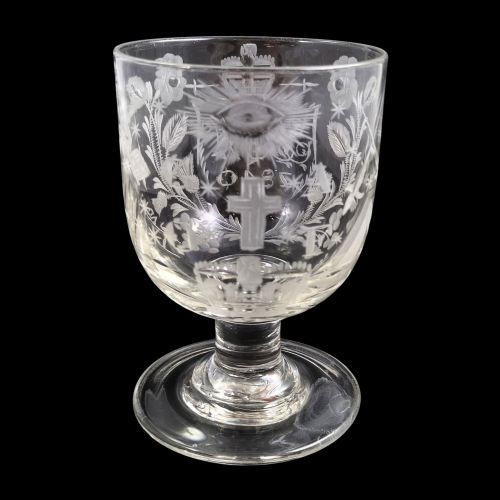
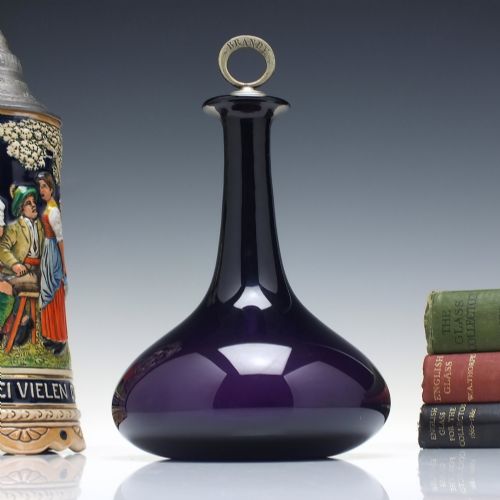
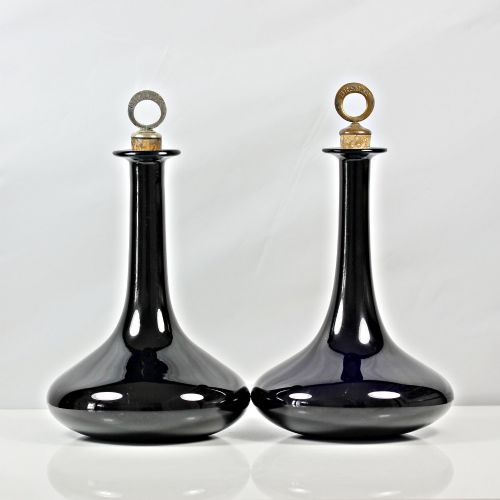
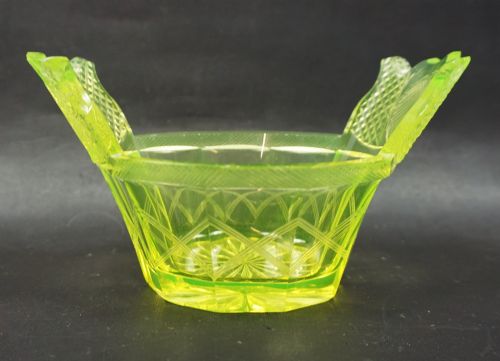
The pieces on this page originate from British and European workshops, featuring forms such as Bristol blue and amethyst mell decanters, uranium glass dishes, and engraved lead-glass rummers. These objects reflect the changing domestic habits and dining customs of the early to mid nineteenth century.
How early 19th century glassware was made
Makers utilised heavy lead glass and flint glass, valued for clarity and weight, alongside specialised coloured metals such as Bristol blue, amethyst, green, and uranium glass. These materials provided the foundation for both blown vessels and pieces shaped by hand.
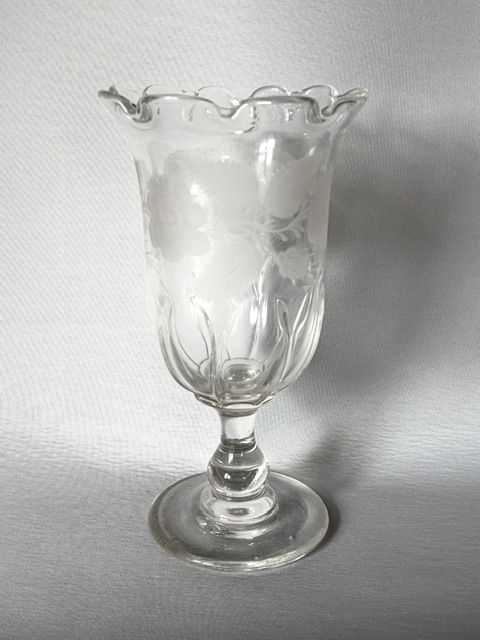
Techniques relied upon wheel-cutting, engraving, etching, and ribbing to decorate the surfaces of decanters, rummers, and celery vases. Skilled artisans shaped the molten glass before applying these cold-working methods to create faceted and patterned finishes.
Listings feature items spanning the Regency, Georgian, William IV, and Victorian periods, executed in lead glass, flint glass, and coloured variants.
What varies in quality
Quality in these items rests upon the depth and precision of the cutting, engraving, or etching on the surface. Crisp facets on cut glass spirit decanters and detailed wheel-engraving on rummers distinguish finer examples from simpler production.
The richness and consistency of the glass metal itself, whether clear lead glass or deeply saturated Bristol blue and amethyst, dictate the visual impact of the piece. Superior weight and clarity demonstrate greater skill in the melting and blowing stages.
The Early 19th Century Glassware Glossary
- Lead Glass
- Glass containing lead oxide, which increases brilliance, weight, and workability for cutting. This material is denser than standard soda-lime glass.
- Flint Glass
- A historical term for high-clarity lead glass used in quality tableware and decanters. It transmits light exceptionally well.
- Rummer
- A large, sturdy drinking glass popular in the eighteenth and nineteenth centuries, often featuring an engraved bowl on a stem. They were used for ale, cider, or wine.
- Celery Vase
- A tall vessel designed to display and serve celery stalks upright on the dining table during the nineteenth century. These pieces often feature ribbed or etched bodies.
- Custard Cup
- A small, handled or unhandled vessel used for serving individual portions of custard or creams. They frequently appear in matching sets.
Early 19th Century Glassware: Frequently Asked Questions
What is early 19th century glassware?
These items are dining and decorative vessels produced roughly between 1800 and 1860, covering the Georgian, Regency, and Victorian periods. They include practical table items like wine glasses, decanters, and dishes made from lead glass and coloured metals.
Collectors prize them for their distinct historical forms, hand-cut facets, and rich colour palettes such as Bristol blue, amethyst, and uranium green.
How were decanters used?
Decanters served to store, pour, and present wine and spirits at the dining table, often staying on the sideboard until after the meal. Their heavy stoppers kept the contents fresh.
Pairs of mell decanters or spirit decanters were standard equipment for households entertaining guests during the Regency and Victorian eras.
How do I identify period glassware?
Identification relies on observing the combination of form, material, and decorative technique typical of periods like the Regency or early Victorian eras. Characteristics such as heavy lead weight, pontil marks, and specific cutting styles offer clues.
Comparing pieces against documented examples from British and Bohemian makers helps narrow down the approximate date of manufacture.
How do I clean antique glass?
Antique glass requires gentle hand washing in lukewarm water with mild soap, avoiding sudden temperature changes that can cause thermal shock and cracking. Soft cloths prevent scratching the softer lead metal surfaces.
Harsh chemical cleaners and dishwashers must be avoided to preserve the original surface polish and any delicate engraved or etched details.