

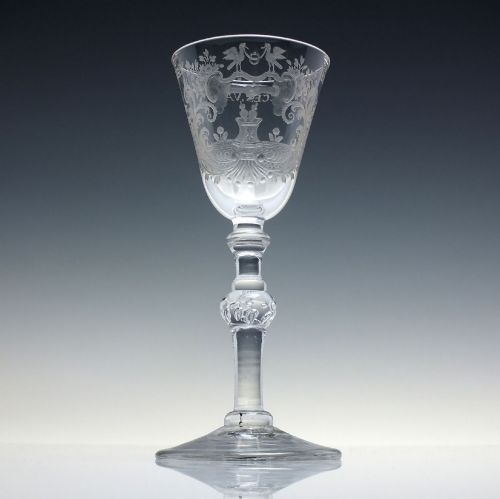
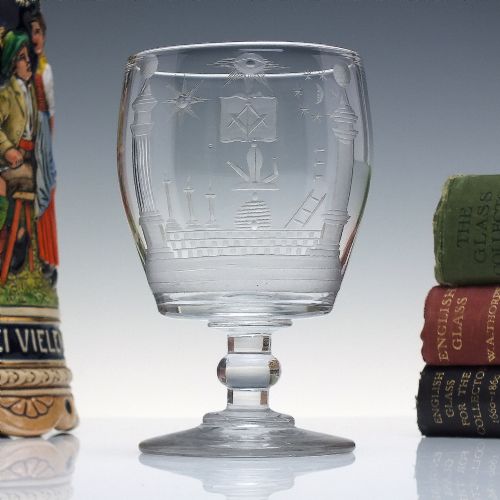


Wheel Engraved Glass Goblet
A wheel engraved glass goblet carries motifs cut into the surface by a small rotating disc, offering collectors tactile depth and historic narrative.
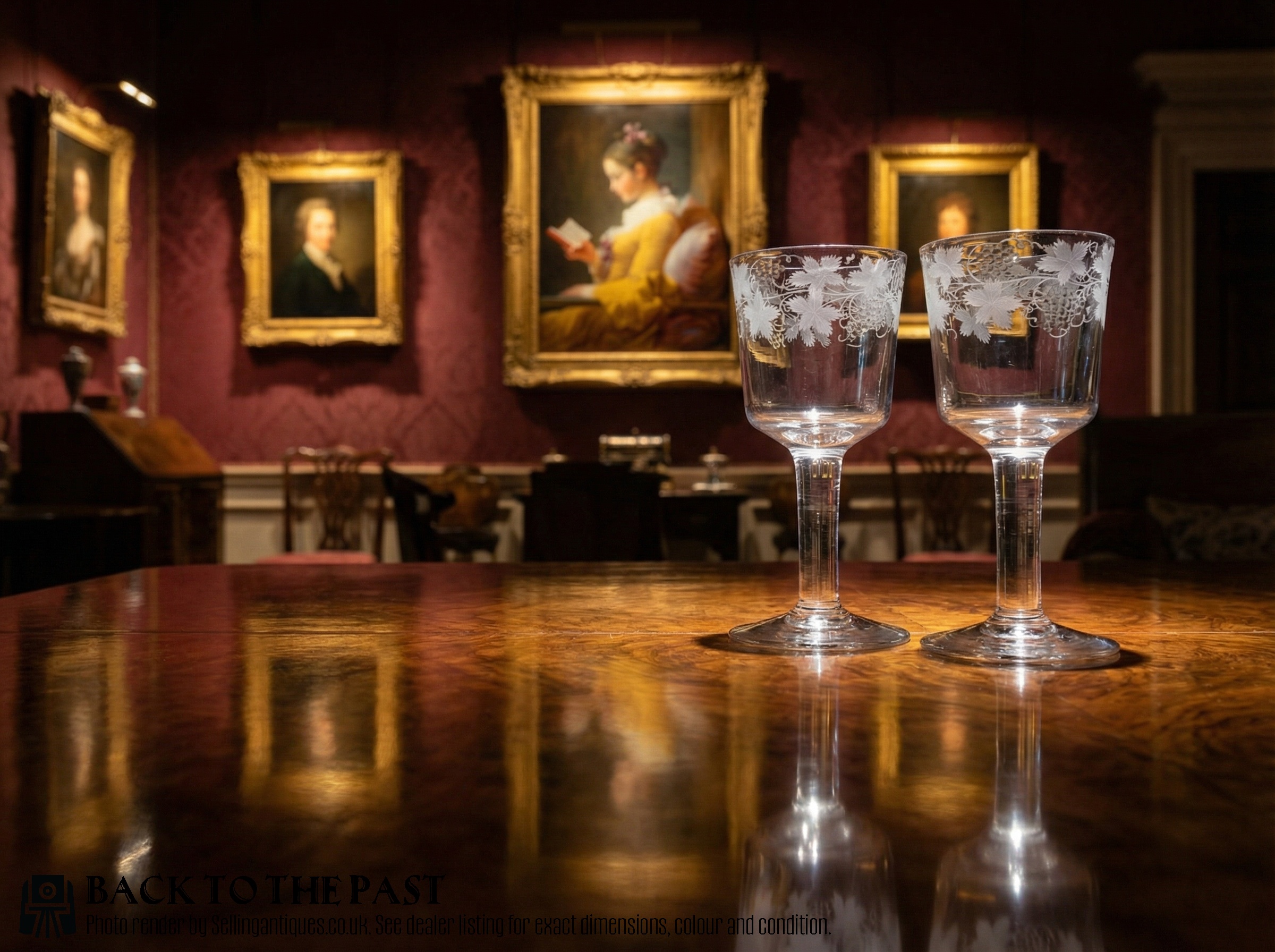
Wheel Engraved Glass Goblet
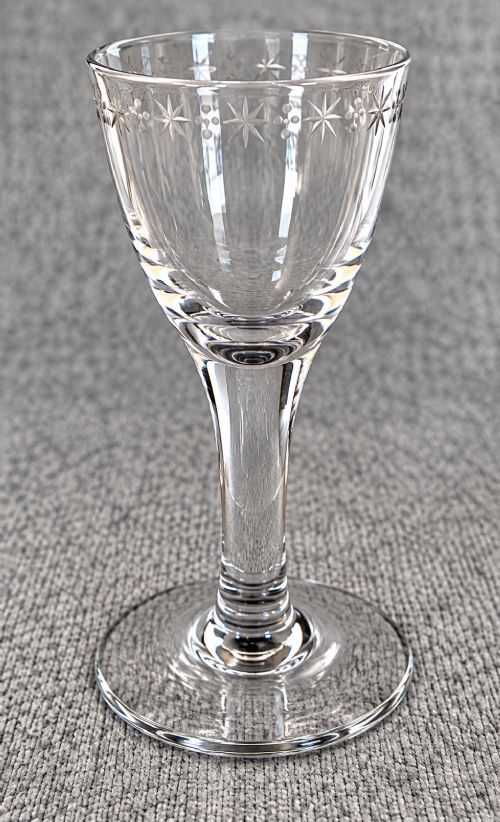
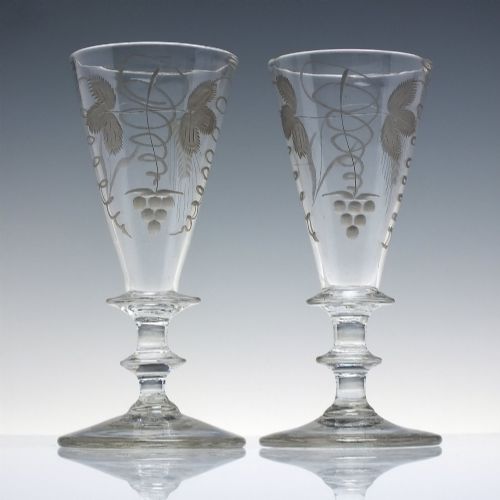
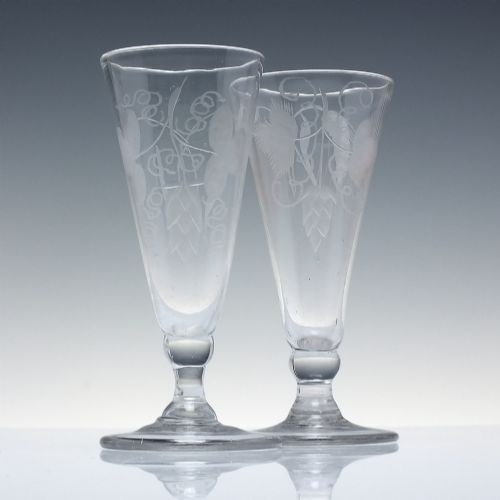
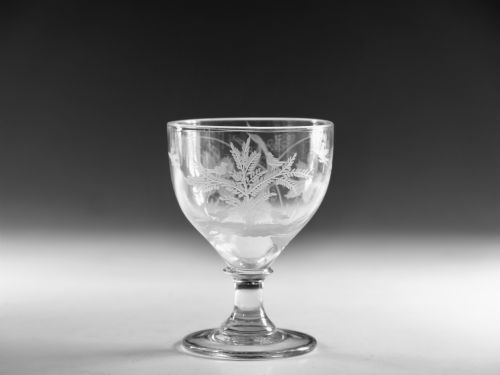
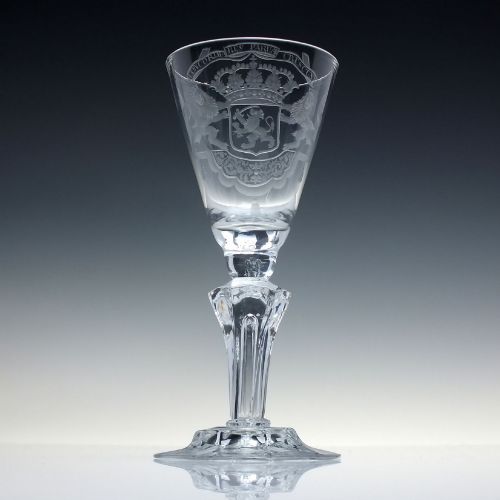
Wheel engraved glass goblets span domestic drinking vessels and ceremonial items from the seventeenth century through to the Edwardian era. Collectors encounter English lead glass rummers alongside continental bohemian pieces, often featuring hops, barley, or armorial designs.
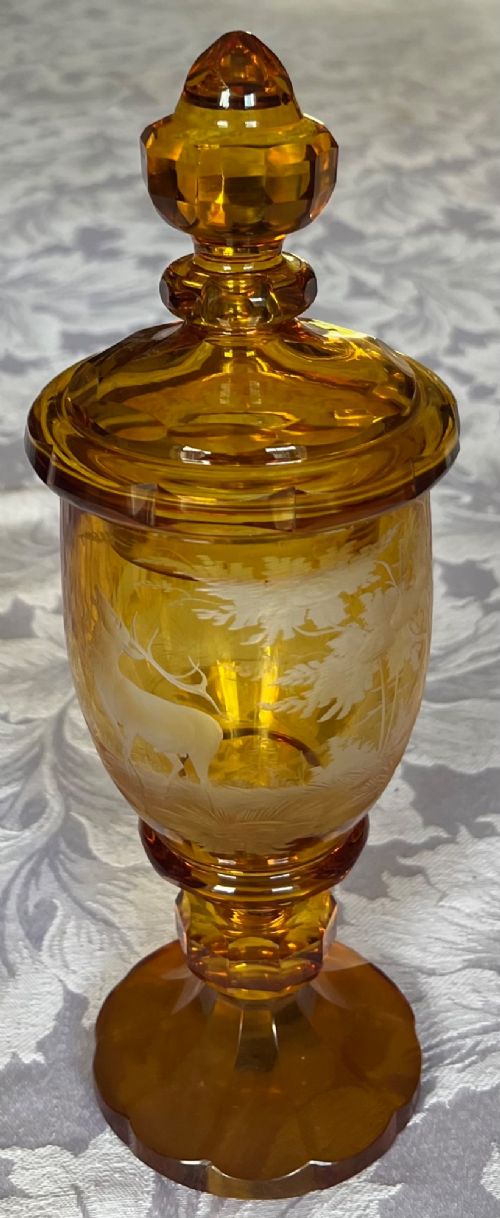
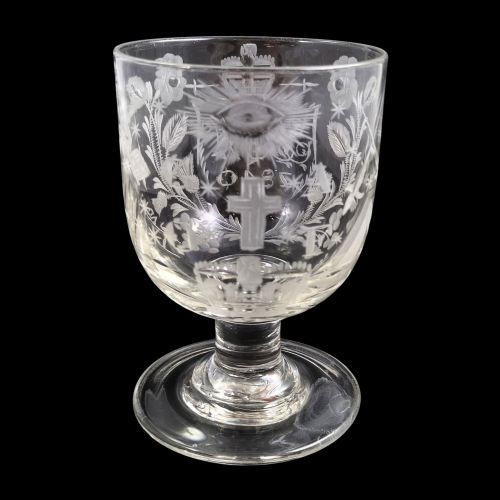
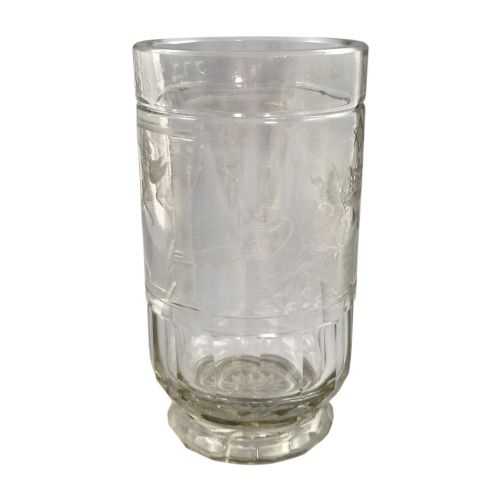
The selection ranges from early eighteenth-century marriage wine goblets with light baluster stems to nineteenth-century Masonic beakers and heavy regency table rummers. Plain stems, facet stems, and air twists appear alongside amber glass roemers and large crystal serving vessels.
English and Bohemian workshops dominate the form, producing substantial drinking vessels designed for ale, wine, and commemorative toasts. These pieces reflect shifting social habits and decorative preferences across georgian, victorian, and edwardian periods.
Materials and technique
Maker utilise lead glass, flint glass, and clear lead glass, which provide the weight and clarity necessary for deep surface cutting. The high refractive index of lead crystal enhances the light caught by the incisions made during the engraving process.
Artisans press the glass against rotating small copper or stone wheels fed with an abrasive slurry of oil and emery. This technique cuts crisp lines and shallow hollows into the vessel, allowing for detailed heraldic motifs, flora, and narrative scenes.
Listings feature lead glass, amber glass, and flint glass across georgian, victorian, and edwardian periods.
Quality variations
The depth and control of the wheel cuts distinguish superior engraving from simpler surface etching, with master carvers achieving subtle shading and rounded contours. The crispness of the motifs against the clear body determines the visual impact of the vessel.
The choice of metal influences the quality, as heavier lead glass provides a resonant ring and a brilliant lustre absent in inferior material. Proportions between the bowl, stem, and foot also govern the balance and elegance of the goblet.
The Wheel Engraved Glass Goblet Glossary
- Rummer
- A large, heavy drinking glass popular in the eighteenth and nineteenth centuries, typically used for ale or wine. These vessels often sit on a short stem with a domed foot.
- Air twist
- A decorative stem formation containing an elongated spiral of tiny air bubbles trapped within the glass. This technique requires considerable skill during the drawing of the stem.
- Facet stem
- A stem cut with flat, polished planes that reflect light from multiple angles. This finish became common on eighteenth-century drinking glasses.
- Intaglio
- A method of engraving where the design is sunk below the surface of the glass rather than raised in relief. It produces a three-dimensional effect when viewed from within the bowl.
Wheel Engraved Glass Goblet: Frequently Asked Questions
How do I date a glass goblet?
Dating relies on the form of the bowl, the construction of the stem, and the composition of the metal. Eighteenth-century examples often feature baluster or air twist stems, whilst nineteenth-century pieces tend toward heavier rummers and cut glass.
Changes in glass chemistry, such as the introduction of heavier lead crystal, also help narrow the period of manufacture alongside the specific style of the wheel engraving.
What were rummer glasses used for?
Rummers served as everyday and celebratory drinking vessels for ale, beer, wine, and punch during the georgian and victorian eras. Their generous bowl capacity suited the social drinking habits of the period.
Larger ceremonial rummers commemorated marriages, fraternal memberships, or naval victories, bearing specific heraldic devices or initials alongside botanical motifs like hops and barley.
How do English and Bohemian goblets differ?
English goblets typically showcase lead glass with restrained intaglio engraving, focusing on clear metal and balanced proportions. Traditional forms include dram glasses, ale stems, and heavy table rummers.
Bohemian pieces frequently incorporate coloured glass, such as amber, alongside elaborate architectural cutting and pictorial or Masonic scenes. They often appear as larger beakers, vases, or roemers.