
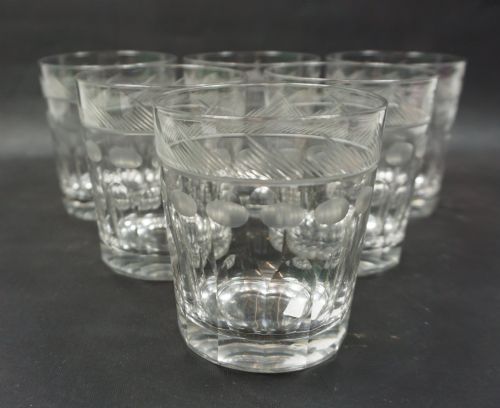
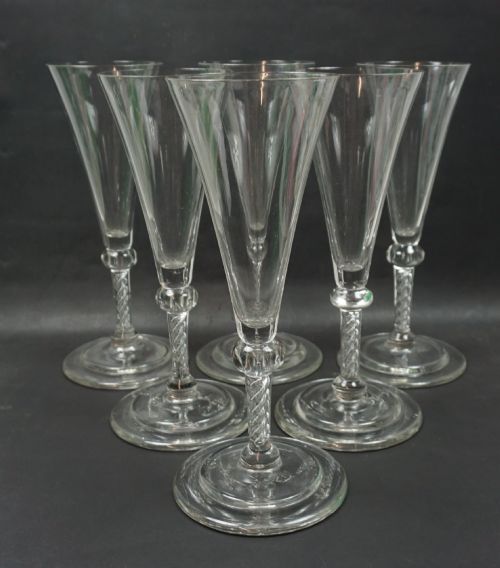
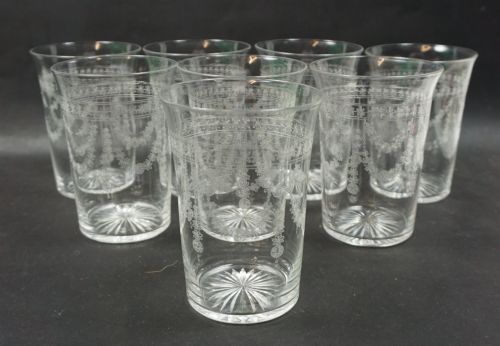

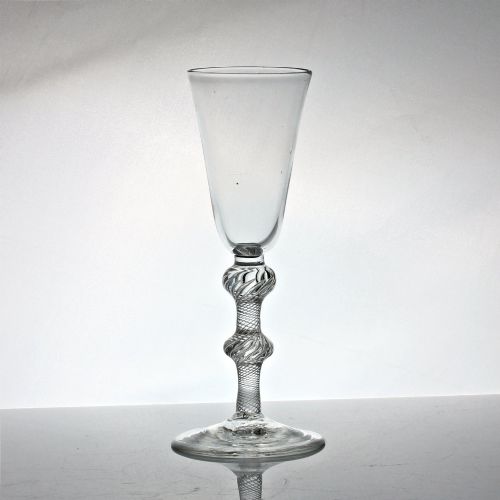
Lead Crystal Drinking Glass
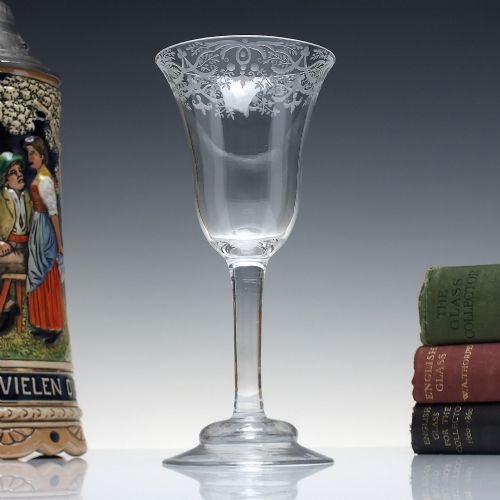
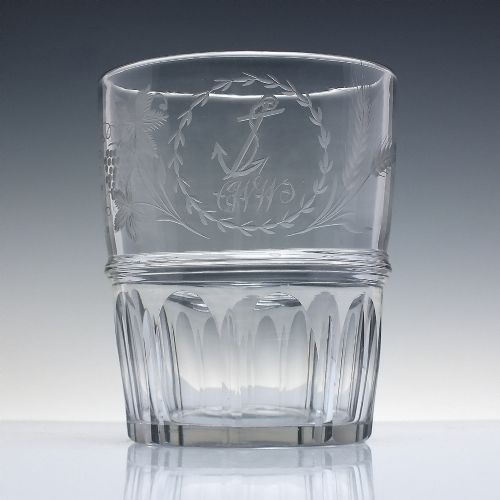
These lead crystal drinking glass items are tactile eighteenth-century pieces that bring authentic Georgian character to a modern table.
Identifying lead crystal drinking glass pieces
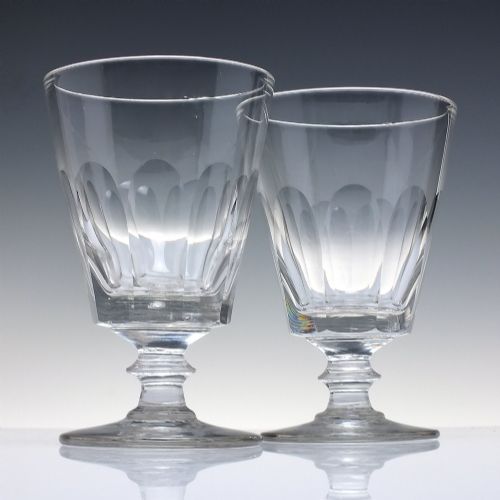
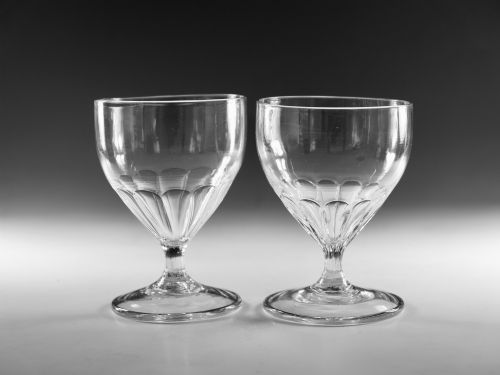
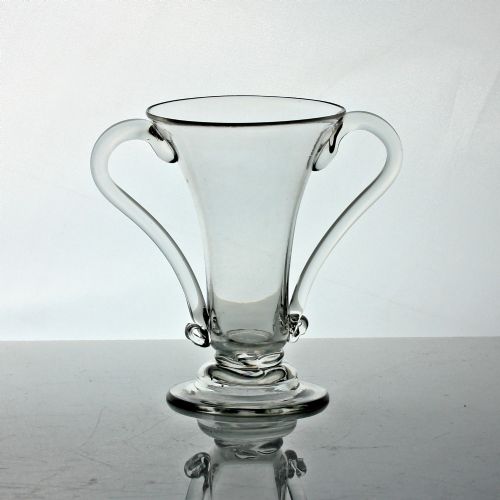
A lead crystal drinking glass is an eighteenth-century drinking vessel produced in English workshops during the Georgian period. These items appear primarily as wine glasses, ale glasses, goblets, and cordial glasses.
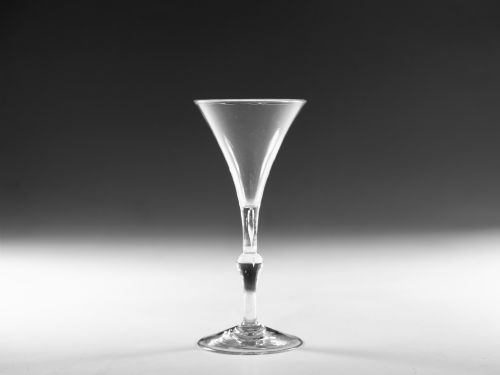
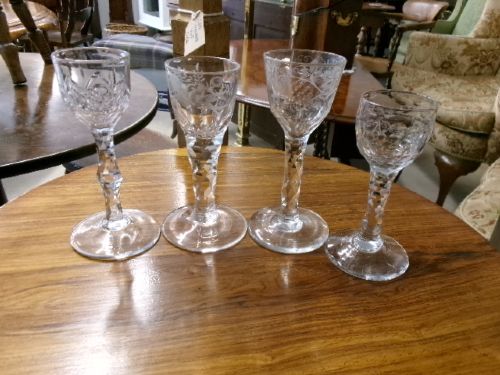
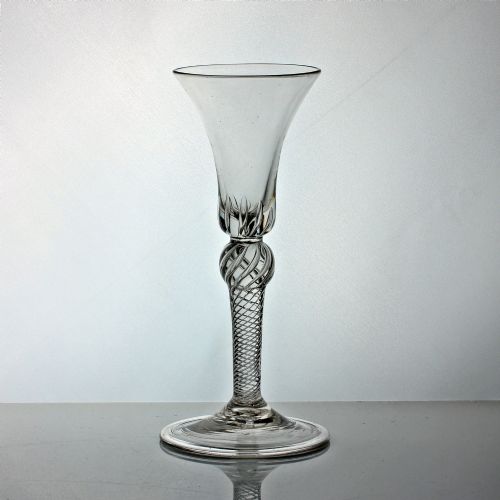
The material distinguishes these vessels from ordinary domestic glassware through a heavier weight and a distinct refractive clarity. Collectors encounter specific stem forms including air twists, opaque twists, plain stems, nut-moulded designs, and facet stems.
Most surviving examples date from the middle decades of the eighteenth century, specifically between seventeen-fifty and seventeen-seventy. They reflect the refined drinking habits and social rituals of Georgian Britain.
Materials and manufacture
Maker-gatherers formed these vessels using lead glass, flint glass, and clear lead glass, integrating lead oxide into the molten batch to increase brilliance and weight. This formulation allowed artisans to manipulate the metal while hot and achieve slender, balanced forms.
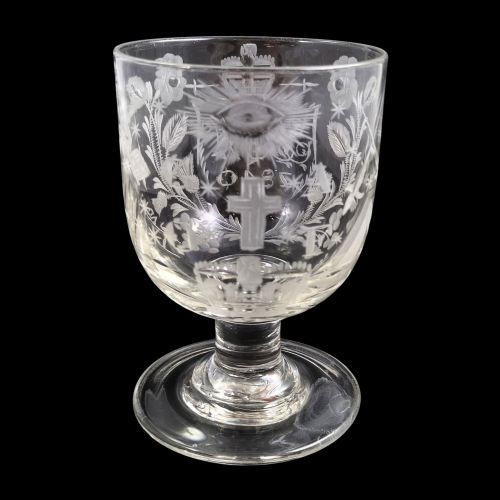
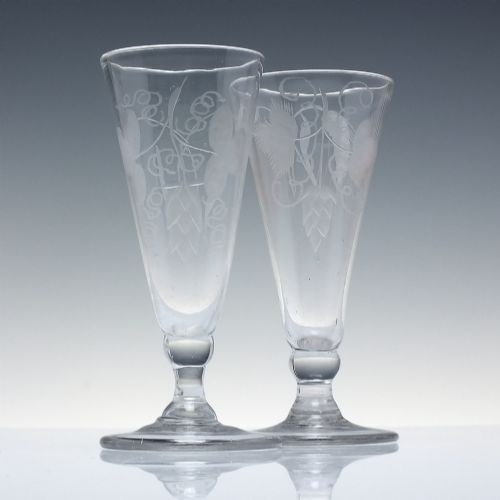
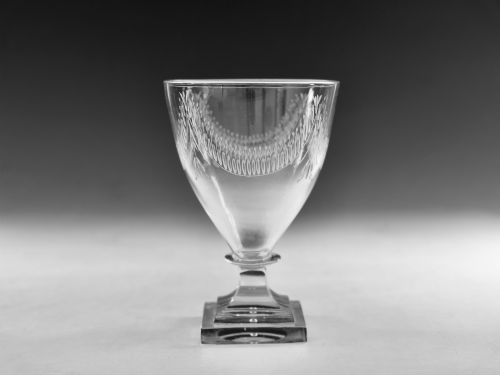
Engraving and moulding techniques decorated the bowls, while specialised drawing and twisting methods created internal air bubbles or opaque white enamel threads inside the stems.
Retail Price Guide 2026
Typical UK retail prices for lead crystal drinking glass, calculated from the Sellingantiques database of over a million retail prices indexed since 2003. This retail price guide relies exclusively on Sellingantiques data; no external sources or auction records are used, so the figures do not describe the wider market.
Assessing quality
Quality rests upon the precision of the stem formation and the crispness of any engraved or moulded surface detail. An air twist with regular, unbroken threads shows greater technical mastery than a distorted internal structure.
The purity of the clear lead glass and the balanced proportion between bowl, stem, and foot dictate the visual success of the piece. Subtle variations in thickness and tool marks evidence the hand of the eighteenth-century glasshouse worker.
The Lead Crystal Drinking Glass Glossary
- Air twist
- A stem containing elongated internal air bubbles drawn into spiral threads. This technique requires exceptional skill from the glassblower to maintain uniformity.
- Opaque twist
- A stem featuring white or coloured enamel glass rods twisted inside clear metal. These threads create striking linear patterns visible through the glass.
- Plain stem
- A straightforward cylindrical or slightly tapered stem without internal twists or facets. These vessels rely on clean proportions and material clarity for their appeal.
- Facet stem
- A stem cut and polished into multiple flat planes that catch the light. This decorative approach became popular in the later decades of the eighteenth century.
- Nut-moulded
- A bowl pattern featuring moulded flutes or gadroons resembling the surface of a shelled nut. This tactile detail adds texture to the lower portion of the bowl.
Frequently Asked Questions
How do I date a glass?
Dating relies upon stylistic markers such as stem construction, bowl shape, and foot profile. Eighteenth-century pieces exhibit distinct manufacturing traits characteristic of Georgian glasshouses.
Changes in fashion from plain stems to air twists and facet cuts provide reliable chronological guideposts for collectors.
What is lead crystal?
Lead crystal is glass produced with a significant proportion of lead oxide added to the silica batch. This formula increases the density and refractive index of the material.
Georgian craftsmen utilised this composition to create drinking vessels with superior weight and brilliance compared to standard lime glass.
How were air twists formed?
Artisans trapped air inside a hot gather of metal and manipulated the glass while pulling and twisting the stem. This imprisoned the air into delicate helical channels.
Mastering this technique demanded precise temperature control and steady hands in the hothouse.
Can I use these glasses?
These eighteenth-century vessels are delicate antiques intended for careful handling and display rather than daily modern dining. Hand washing in lukewarm water without harsh detergents preserves the historic surface.
Collectors generally reserve them for special occasions or appreciate them within a cabinet display.