







Georgian Glass Chalice
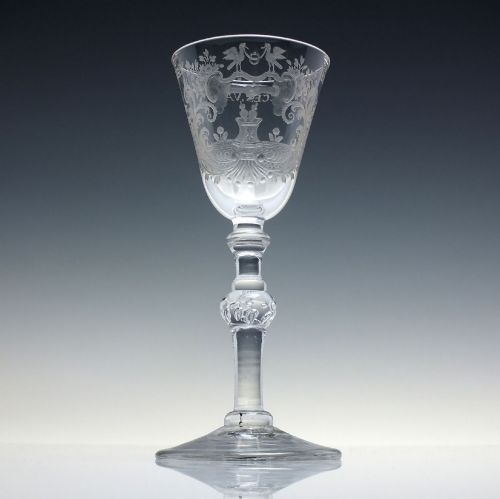
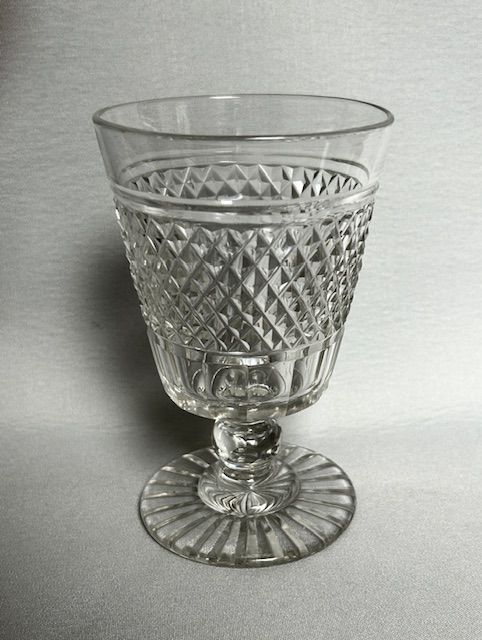
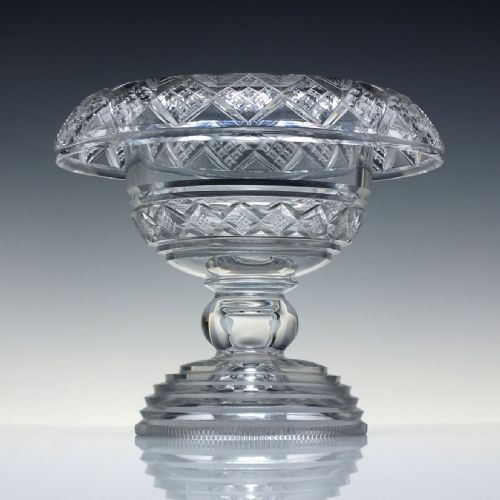
A georgian glass chalice carries the weight and clarity of eighteenth and nineteenth-century drinking vessels, prized for heavy lead metal and deep wheel-engraving.
Georgian Glass Chalice
A georgian glass chalice encompasses drinking vessels, goblets, and rummers spanning the eighteenth and nineteenth centuries, including Regency and early Georgian periods. The forms range from plain stem wine glasses and light balusters to massive serving rummers and standing bowls.
Most examples originate from English houses, alongside continental pieces such as moulded Liege glassware. Buyers encounter both small engraved marriage goblets and large ovoid bowl table rummers shaped for toast drinking and celebratory use.
Materials and Construction
Makers utilised lead glass, lead crystal, and flint glass, yielding heavy vessels with deep refraction and substantial presence in the hand. Artisans formed these pieces using hand-blown techniques before applying wheel-engraving, hobnail cutting, and honeycomb moulding.
Georgian Glass Chalice Retail Price Guide 2026
Typical asking prices for georgian glass chalice among the pieces listed under this phrase on Sellingantiques today, from the lower quarter to the upper quarter. They describe what is for sale here now, not the wider market.
Listings feature lead glass, flint glass, and green glass formed into wine glasses, rummers, and centrepiece bowls across Georgian and Regency periods.
Distinctions in Quality
The finest pieces demonstrate superior metal weight, exceptional clarity of lead crystal, and crispness in wheel-engraving such as detailed hops and barley. Balance in hand and proportion between bowl, stem, and foot separate masterwork vessels from simpler production.
Colour depth in green and turquoise metal alters visual impact, while precise facet cutting and deep relief moulding define higher-tier Regency and Georgian examples.
The Georgian Glass Chalice Glossary
- Lead glass
- A heavy glass composition containing lead oxide that increases brilliance and weight. This metal allows deeper cutting and clearer ringing tones when struck.
- Rummer
- A large drinking glass popular in the late eighteenth and nineteenth centuries. These sturdy vessels frequently feature ovoid bowls and heavy stems.
- Baluster stem
- A thick, swelling stem form reminiscent of architectural balusters. Early examples often incorporate internal air bubbles or tears.
- Hobnail cut
- A geometric surface pattern of raised square facets resembling hobnails on boots. This technique creates tactile texture and catches ambient light.
- Plain stem
- A straight, unadorned glass stem supporting the bowl. These functional forms rely on proportions and metal quality for aesthetic appeal.
Georgian Glass Chalice: Frequently Asked Questions
What defines a rummer?
A rummer is a large, capacious drinking vessel designed for ale, wine, or punch during the Georgian and Regency periods. They typically feature sturdy ovoid bowls supported by short stems and heavy footed bases.
The scale makes them distinct from standard wine glasses, reflecting communal drinking habits of the era. Many carry wheel-engraved agricultural motifs like hops and barley.
How do air twists differ from corkscrew twists?
Air twists incorporate elongated bubbles drawn through the molten metal during forming, creating thread-like channels inside the stem. Corkscrew two-ply twists involve opaque white or clear enamel threads spun through the glass body.
Both techniques show immense skill by eighteenth-century glassmakers aiming to lighten heavy lead metal visually. They remain key indicators for dating stemware.
Why are some pieces green?
Green and turquoise glass results from natural metallic impurities in the batch or deliberate oxide additions during melting. Continental workshops and English makers utilised these coloured metals to produce striking display pieces.
Coloured rummers and wine glasses offer a distinct visual alternative to standard clear lead crystal. They highlight regional preferences across different European glasshouses.
How were these vessels decorated?
Decorating involved copper wheel engraving, facet cutting, and mould-blowing techniques. Artisans cut deep geometric patterns, ships, monograms, or botanical sprays directly into the cooled glass surface.
The depth and precision of the engraving indicate the skill of the lapidary worker. Raised hobnails and honeycomb mouldings provide tactile contrast to smooth bowls.