

Georgian Drinking Goblet
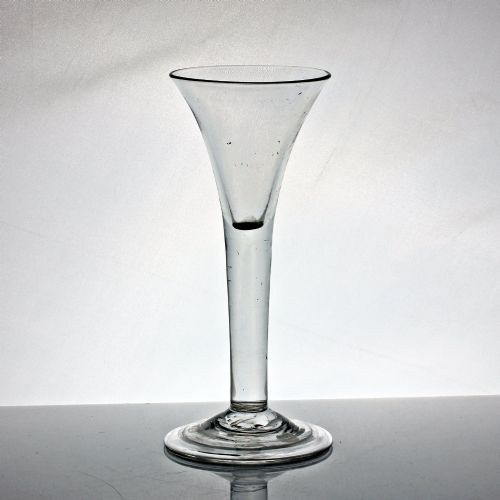
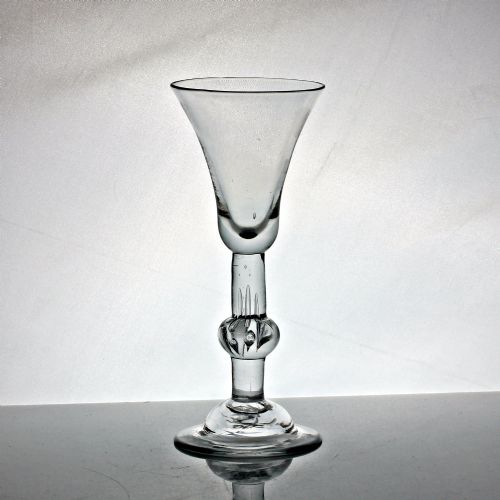
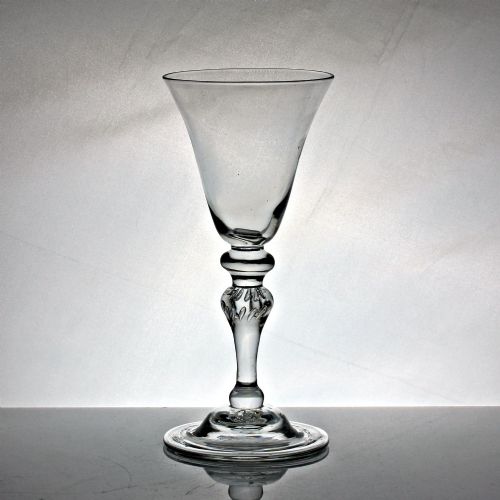
These georgian drinking goblet pieces are substantial vessels shaped by hand to hold wine, ale, and spirits, offering a direct link to eighteenth-century tavern and dining life.
Georgian Drinking Goblet
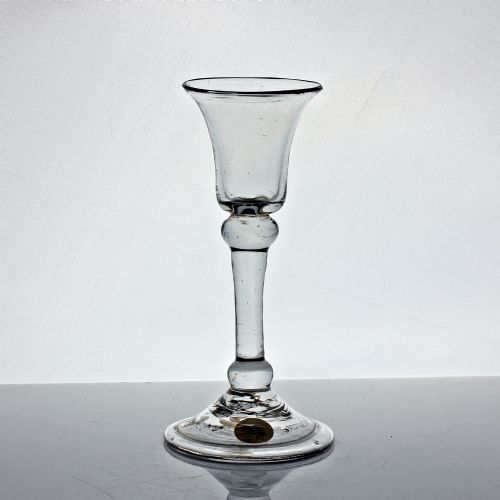
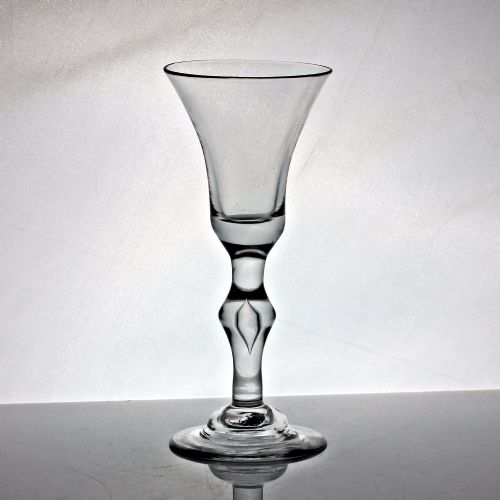
A georgian drinking goblet encompasses tall lead glass vessels and turned wood pieces produced across the eighteenth and early nineteenth centuries. Collectors encounter wine glasses, rummers, and ale glasses alongside treen fruit wood and lignum vitae pedestals.
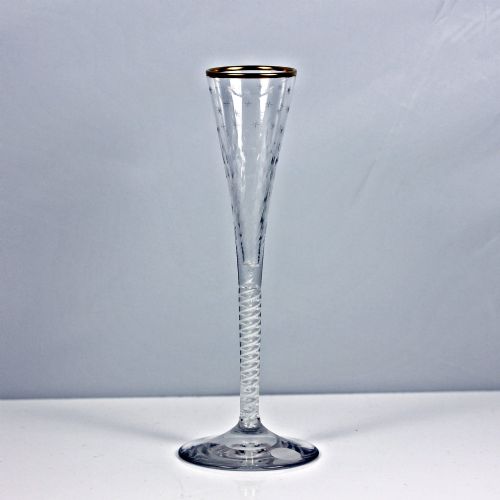
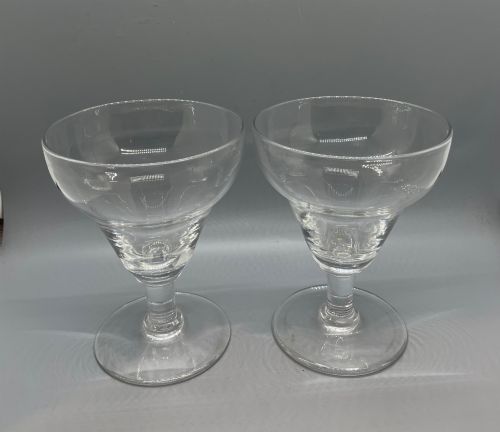
Vessels take many forms, from trumpet bowls and ogee shapes to folded feet and faceted stems. Alongside glass, turned wood pedestal goblets represent the domestic woodenware of the period.
How they were made
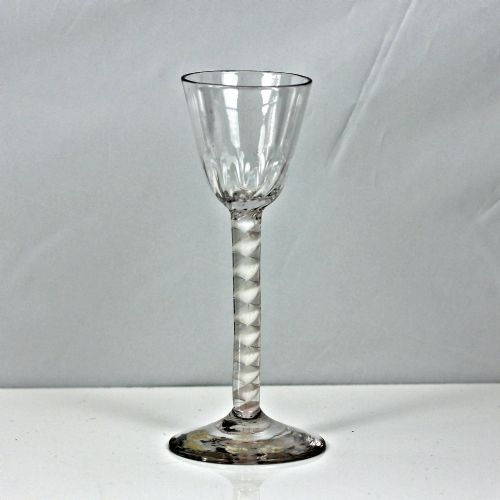
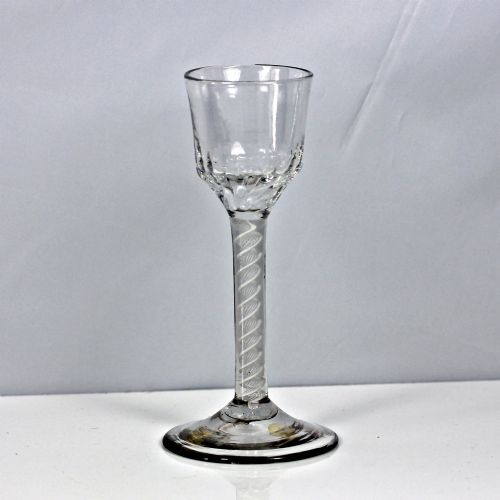
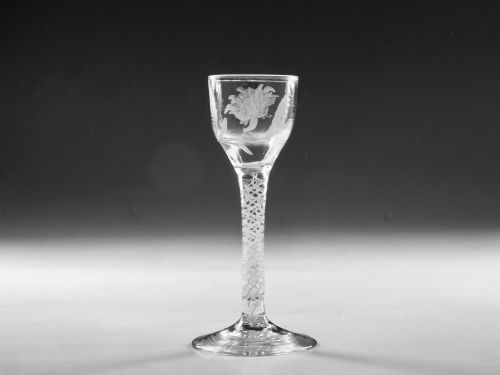
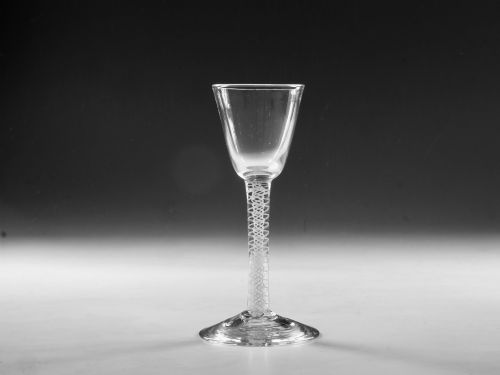
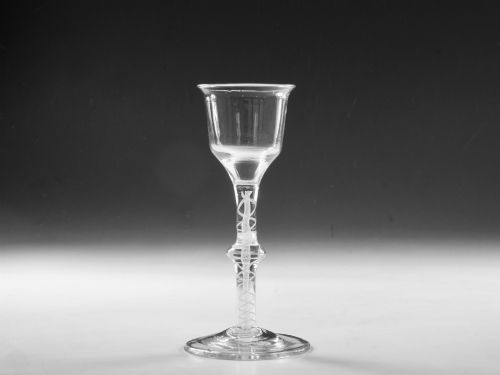
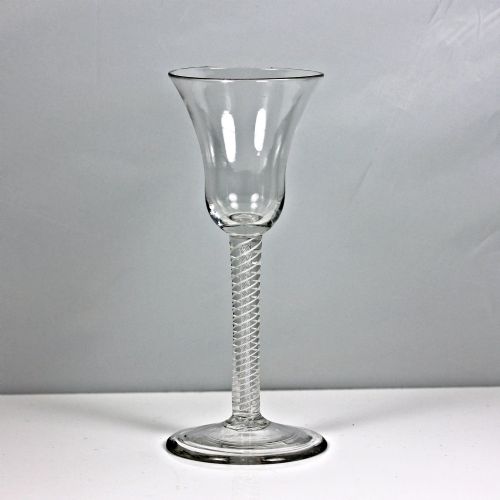
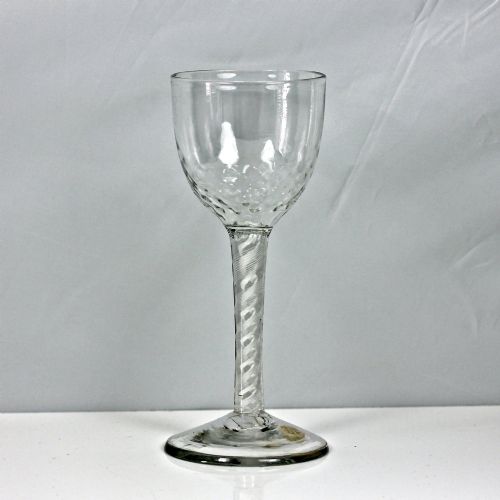
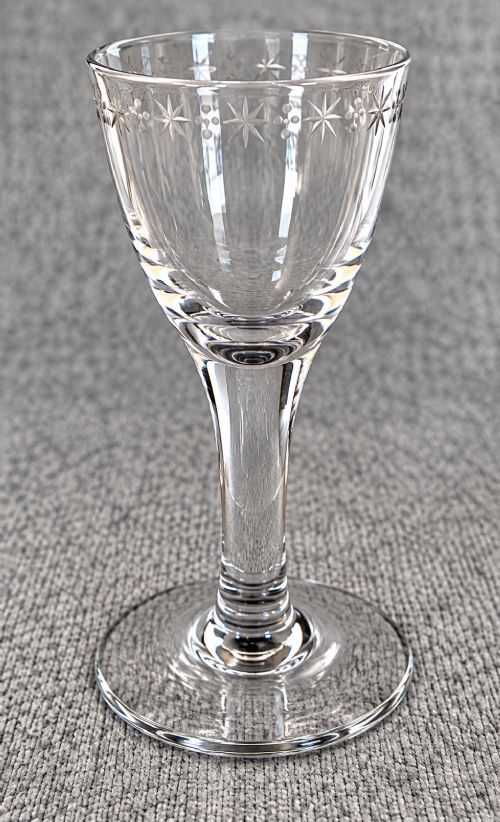
Glassmakers utilised lead glass and flint glass, blowing metal into moulds or forming bowls and stems by hand before applying decorative engraving. Air twists and opaque twists required intricate manipulation of internal glass threads while the metal remained molten.
Turned wooden goblets took shape on a lathe from dense timbers such as fruit wood and lignum vitae. Craftsmen shaped pedestals and bowls directly from solid blocks to create sturdy drinking vessels.
One small rummer carries the spirited engraving 'Women & Wine' from around seventeen-eighty.
What varies in quality
Quality rests in the clarity of the lead glass and the precision of the stem formation, particularly in complex air twists and multi-spiral threads. Superior pieces display crisp wheel engraving on the bowl rather than shallow surface scratching.
Proportion and balance dictate the distinction between standard tavern glassware and fine dining vessels. Well-turned wooden pedestals show even grain alignment and careful turning without excessive tool marks.
The Georgian Drinking Goblet Glossary
- Lead glass
- Heavy glass containing lead oxide that provides higher refractive brilliance and weight.
- Air twist
- A stem containing internal spiral channels of trapped air created during manufacture.
- Opaque twist
- A stem enclosing white enamel threads twisted within the clear glass rod.
- Rummer
- A large, sturdy drinking glass introduced in the late eighteenth century for beer or wine.
- Treen
- Small handmade wooden objects and domestic utensils turned on a lathe.
- Lignum vitae
- A dense, heavy tropical hardwood used for durable turned vessels.
Georgian Drinking Goblet: Frequently Asked Questions
What is the difference between a wine glass and a rummer?
Wine glasses from the eighteenth century typically feature slender stems, smaller bowls, and air or opaque twist formations designed for modest pours of fortified or table wine.
Rummers are larger, heavier drinking vessels with thicker bowls and shorter stems, built for ale, beer, or punch during the late Georgian period.
How can I tell an air twist stem from an opaque twist?
An air twist contains clear spiral channels formed by elongated bubbles trapped inside the molten glass stem. Light catches these internal threads to create a subtle refractive pattern.
An opaque twist incorporates solid white enamel rods drawn into twists within the clear glass, producing bright white lines visible through the stem.
Were wooden goblets used for drinking?
Treen pedestal goblets turned from fruit wood and lignum vitae served practical domestic functions for various liquids before glass became ubiquitous. Dense woods resisted liquid absorption when properly seasoned.
Many survived as display items or decorative objects due to the enduring appeal of turned timber grain.