


Edwardian Sterling Silver Box
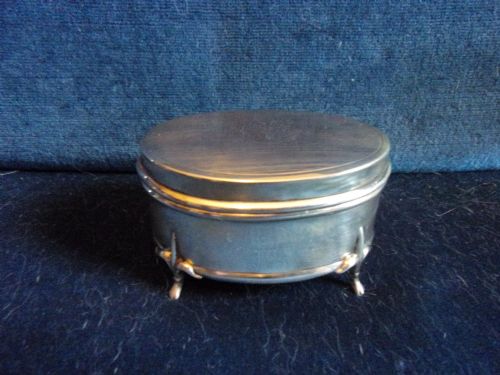
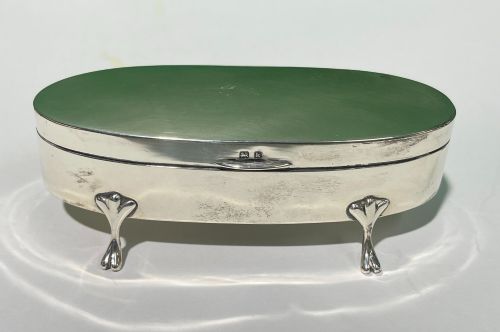
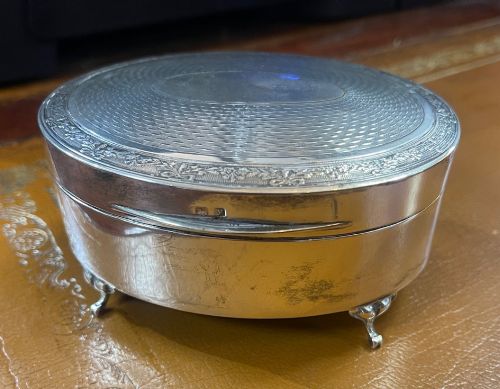
An edwardian sterling silver box holds small treasures with quiet elegance, bringing period craftsmanship directly to a modern dressing table.
Edwardian Sterling Silver Box
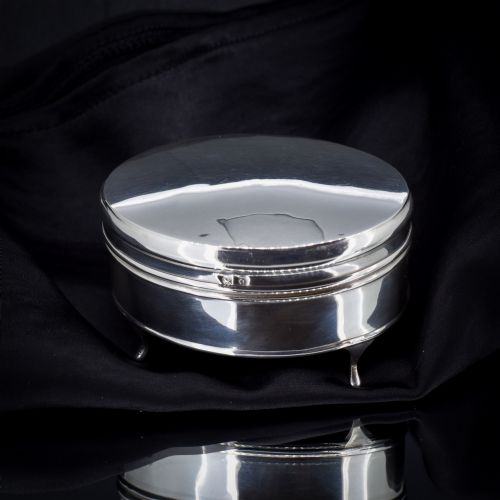
The search for an edwardian sterling silver box opens a diverse field of small containers, spanning hinged trinket receptacles, tea caddies, and specialised pocket cases produced around the turn of the twentieth century.
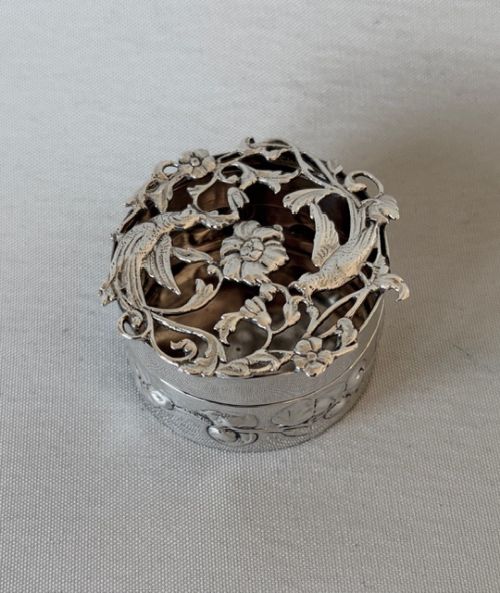
Makers of the period fashioned these items in various forms, including heart shapes, chests, table boxes, and lidded pots intended for vanity surfaces or travel use.
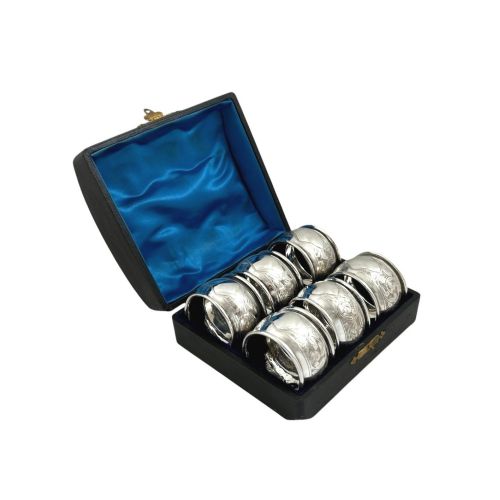
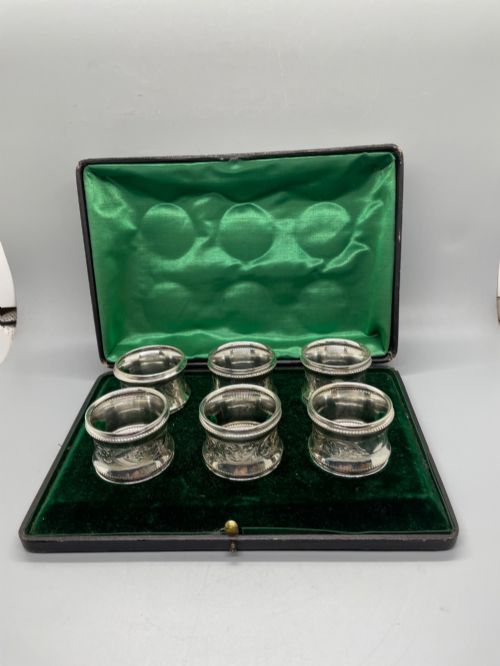
Examples frequently integrate functional compartments, occasionally lined with velvet or silk, reflecting the domestic habits of the era.
How they were made
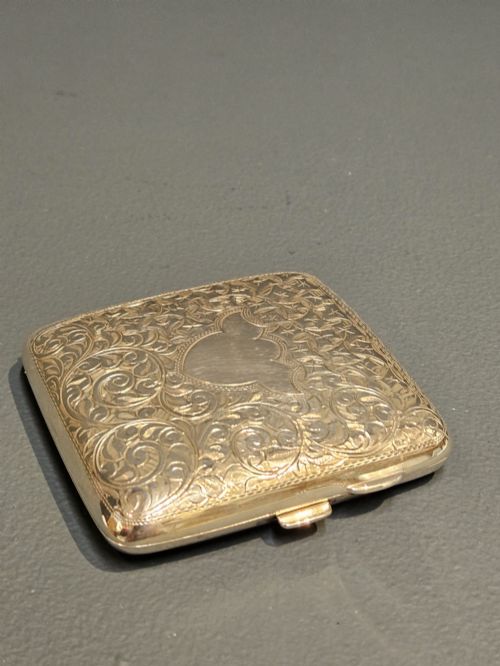
Silversmiths utilised sterling silver sheet, shaping bodies through hammering, pressing, or planishing to create textured or smooth surfaces.
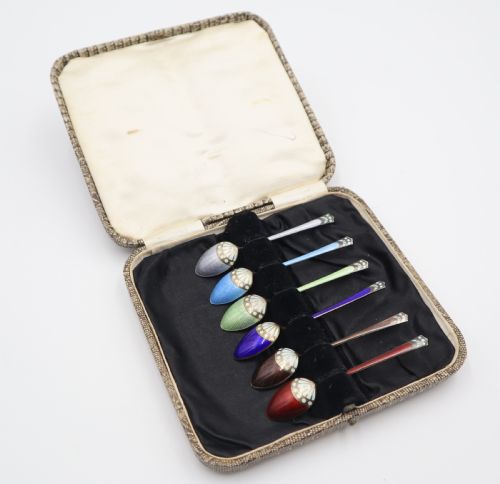
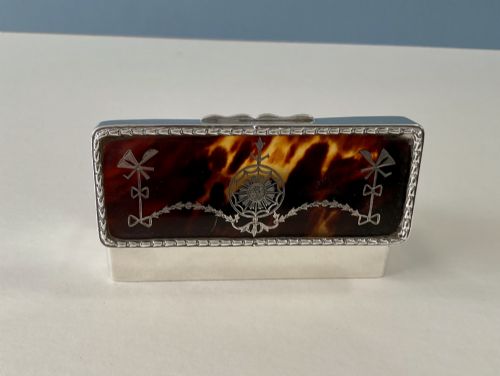
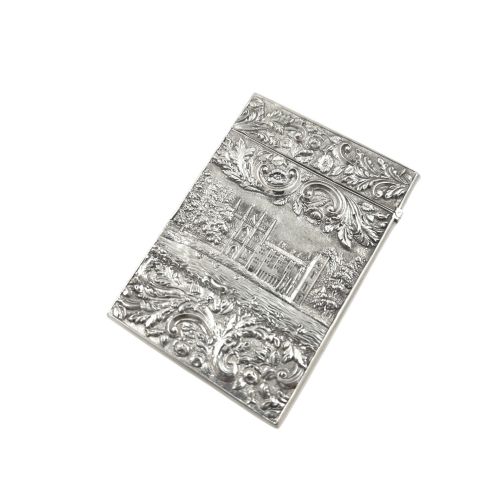
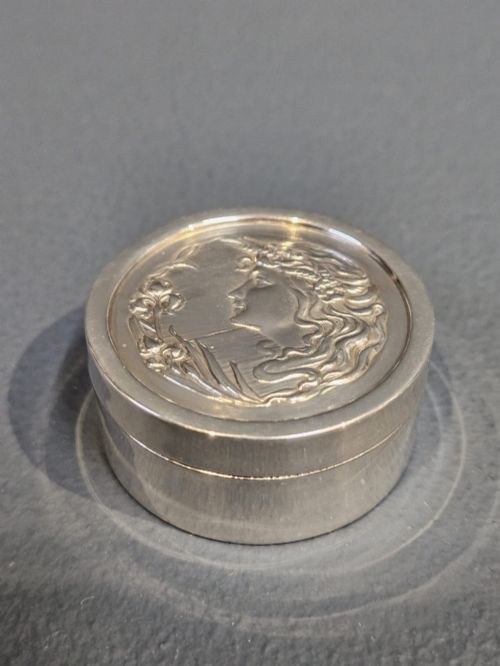
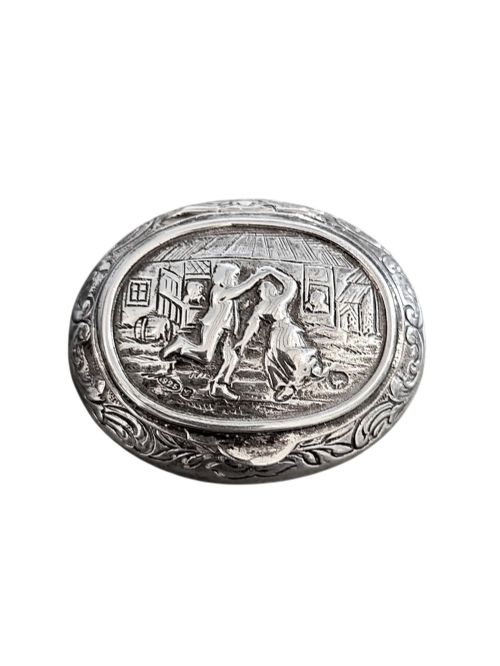
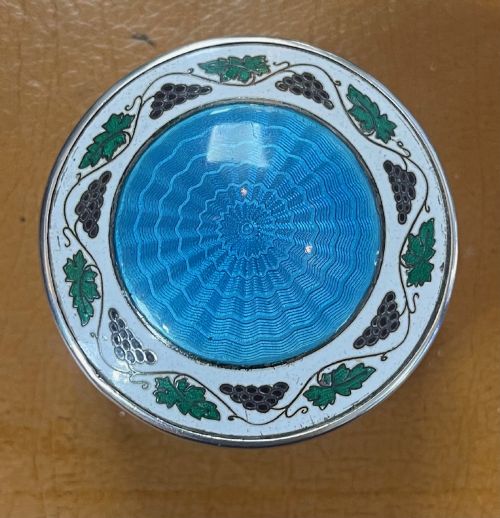
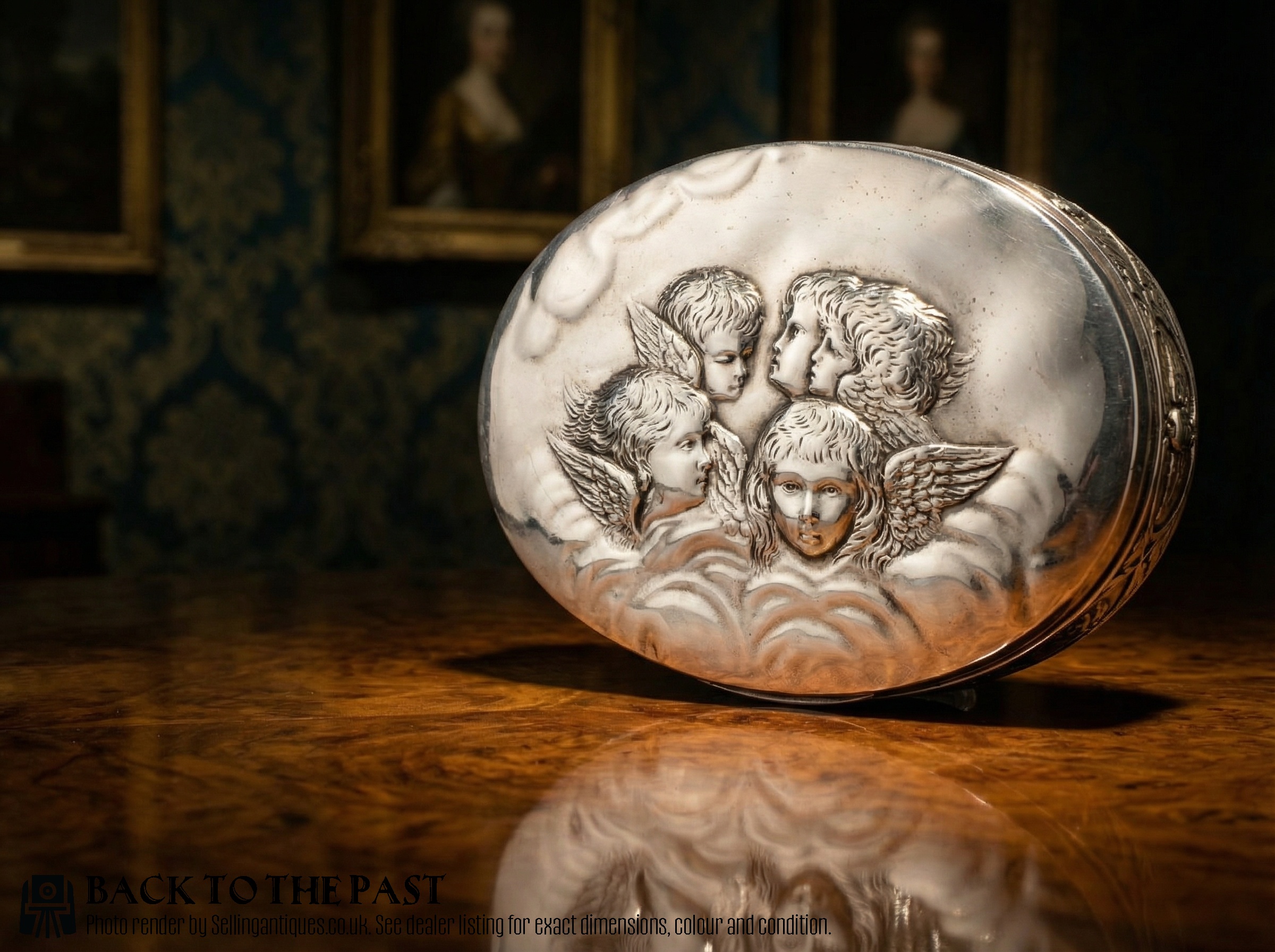
Many containers incorporate decorative techniques such as repoussé relief work, guilloché enamel inlay, or the application of mother of pearl and faux tortoiseshell panels.
Hinges and internal partitions were soldered with precision, securing lids that often protected delicate interiors of velvet or satin.
Edwardian Sterling Silver Box Retail Price Guide 2026
Typical asking prices for edwardian sterling silver box among the pieces listed under this phrase on Sellingantiques today, from the lower quarter to the upper quarter. They describe what is for sale here now, not the wider market.
Listings feature sterling silver combined with velvet, silk, leather, and enamel across diverse forms including trinket boxes, tea caddies, and vesta cases.
What varies in quality
Quality rests upon the weight of the silver and the crispness of any hand-hammered or repoussé decoration, which distinguishes mass production from bespoke workshop output.
The integrity of internal linings, the precise alignment of hinges, and the preservation of delicate enamel or inlaid materials heavily influence the overall standard of a piece.
Aaron Lufkin Dennison·Ollivant and Botsford·Mappin and Webb·Charles Edwards·Henry Clifford Davis·Goldsmiths and Silversmiths Company·A. Wilcox·A. Bromet and Co·Levi and Salaman·Thomas Hayes·Colen Hewer Cheshire·William Comyns
The Edwardian Sterling Silver Box Glossary
- Sterling silver
- An alloy consisting of 92.5 percent silver and 7.5 percent other metals, typically copper, chosen for durability in tableware and decorative objects. This standard is verified by hallmark stamps.
- Repoussé
- A metalworking technique where the smith hammers the silver from the reverse side to form a raised design in relief on the front. This method creates tactile floral or figural scenes.
- Guilloché enamel
- A decorative process involving precise mechanical engraving beneath translucent enamel layers. It produces repeating geometric patterns with a distinct depth of colour.
- Planished
- A surface texture achieved by striking metal with a small, flat-faced hammer, leaving regular, subtle facets across the silver. This finish diffuses light softly across the object.
Edwardian Sterling Silver Box: Frequently Asked Questions
What was an edwardian sterling silver box used for?
These containers served specific domestic functions on dressing tables, desks, and in pockets, holding items such as trinkets, stamps, cigarettes, or loose tea leaves.
Larger receptacles stored jewellery or playing cards, while smaller pill and vesta cases accommodated personal items during daily travel.
How do I identify an Edwardian period piece?
Authentic items from this era bear British hallmarks stamped directly into the silver, denoting the assay office, standard mark, and a date letter corresponding to the early 1900s.
Stylistic cues include graceful floral repoussé work, clean Edwardian lines, and occasional influences from Art Nouveau and Arts and Crafts movements.
How should I clean my silver box?
Regular maintenance requires a soft, dry cloth to remove dust and gentle handling of any delicate enamel, velvet, or mother of pearl elements.
Harsh chemical dips should be avoided, particularly on pieces with inset panels or patinated recesses that benefit from preserved contrast.
Are these boxes suitable for daily use?
Sturdy sterling silver construction allows these small containers to function effectively for holding modern pins, cufflinks, or daily accessories.
Care should be taken with hinged lids and lined interiors to preserve the antique fabrics and mechanical joins over time.