

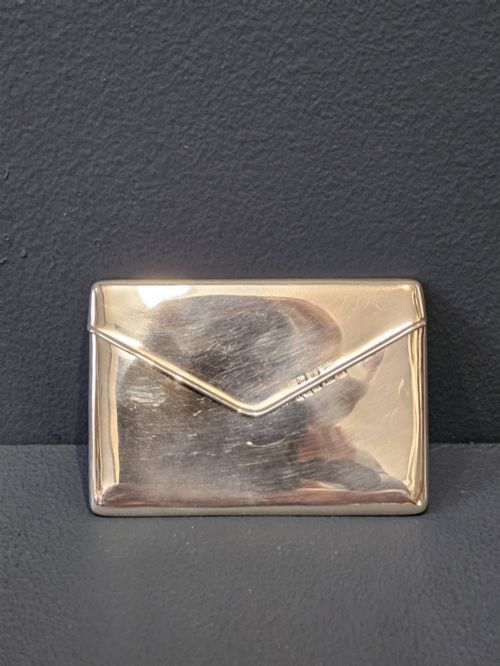
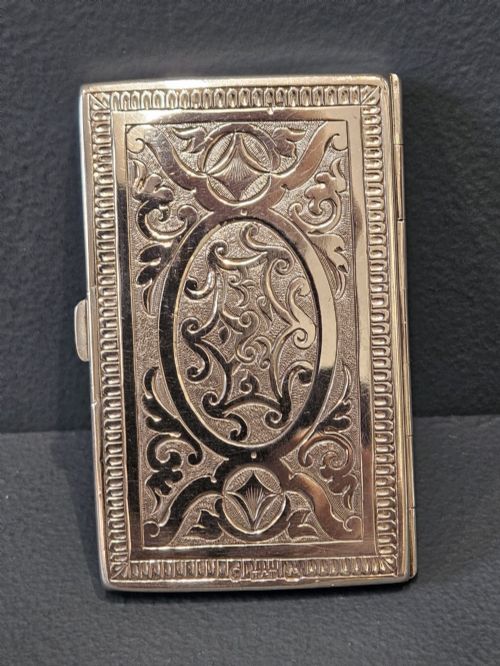
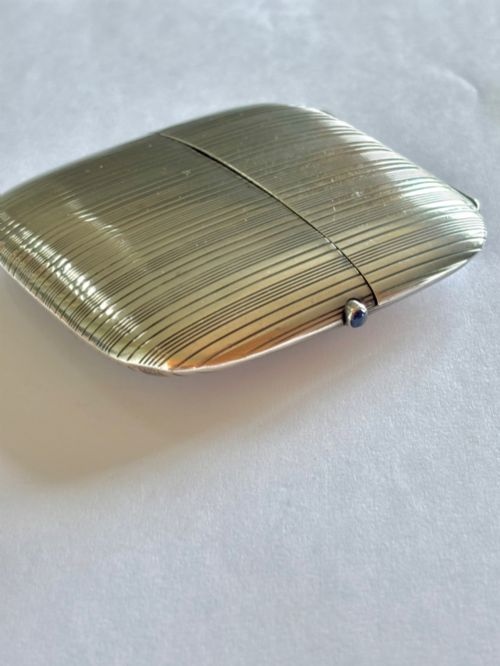
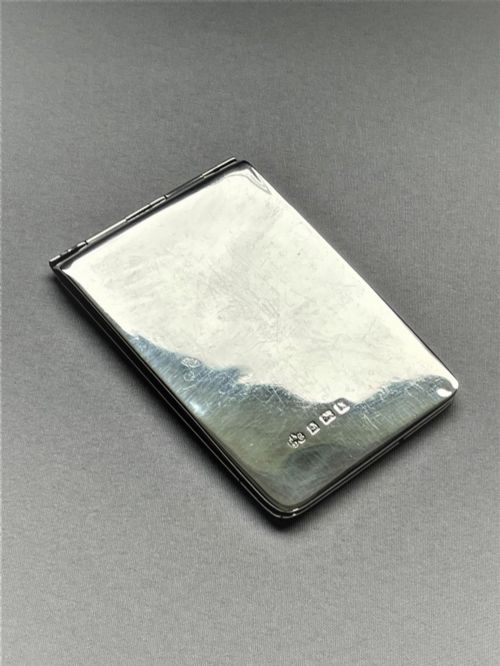

Silver Calling Card Holder
A silver calling card holder is a pocket case for visiting cards, merging social display with functional metalwork.
Silver Calling Card Holder
A silver calling card holder serves as a pocket case designed to hold visiting cards, reflecting the formal etiquette of the nineteenth and early twentieth centuries. When searching for a silver calling card holder, you meet various forms spanning the Victorian and Edwardian eras alongside later twentieth-century examples.
The selection includes flat visiting card cases, folding pocket wallets, and hinged card boxes. Many examples double as stamp cases, aide-mémoires, or cigarette cases, recording the shifting social habits of their original owners.
Origin points range from English assay offices in Birmingham and London to Continental, Russian, and American workshops. You also encounter regional work such as Anglo-Indian repoussé and pieces incorporating local materials like Connemara marble.
How they were made
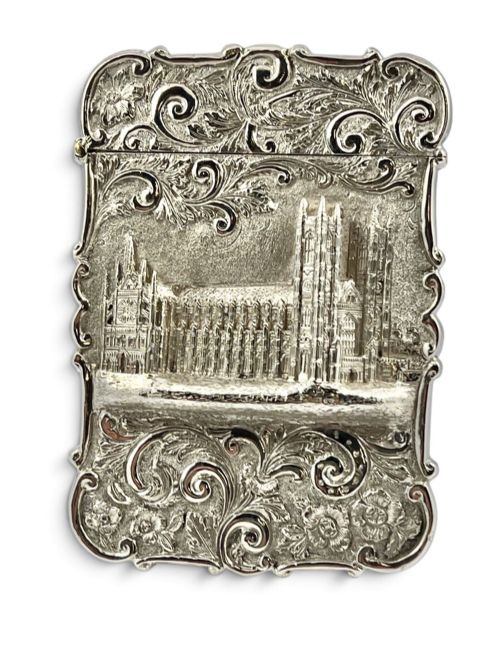
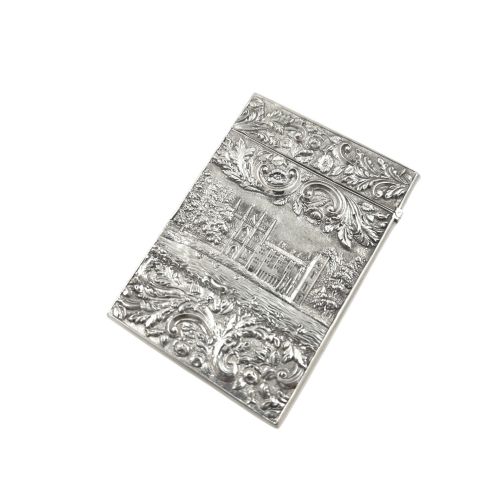
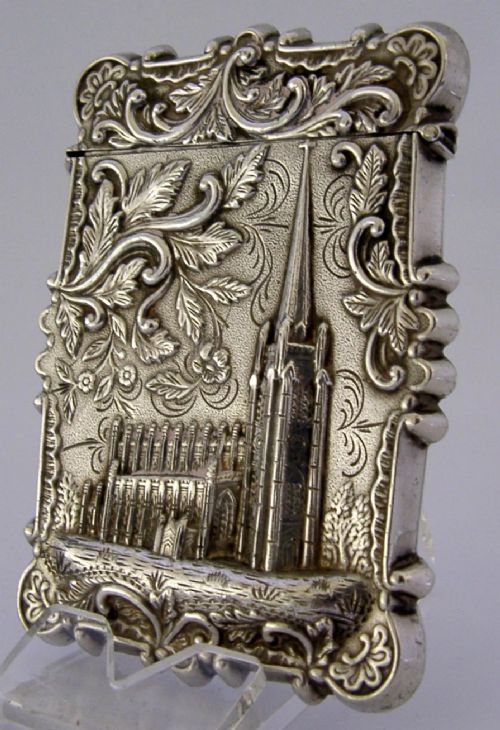
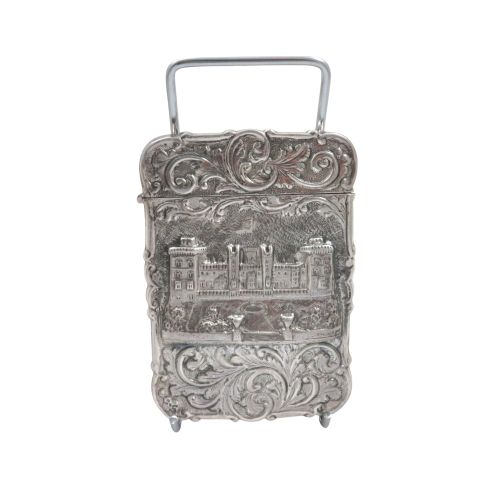
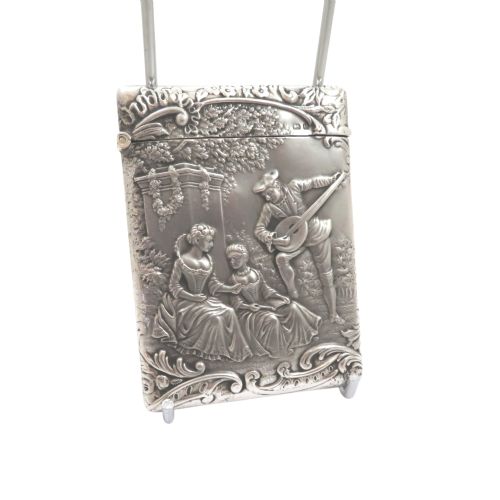
Silversmiths utilised sterling silver and solid silver alongside silver gilt, shaping sheet metal through pressing, stamping, and hand-chasing. Castle top card cases display high-relief architectural scenes struck or cast onto the metal face, depicting landmarks such as Windsor Castle, Trinity Church, and St Paul's Cathedral.
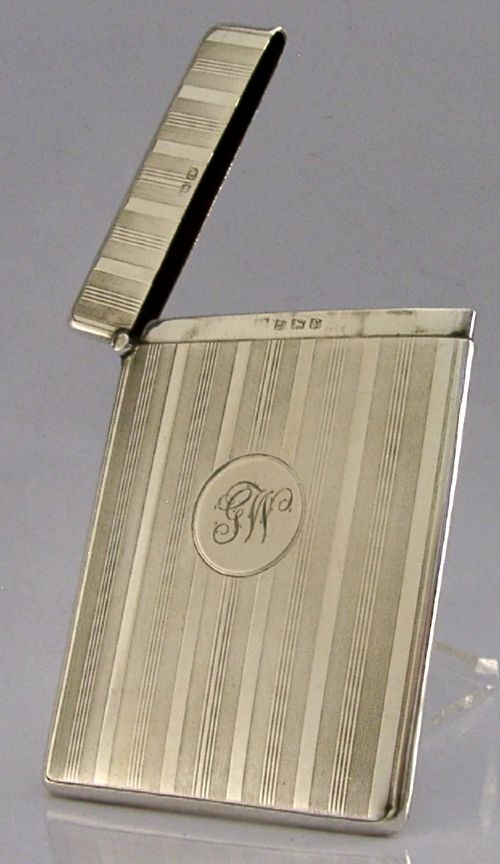
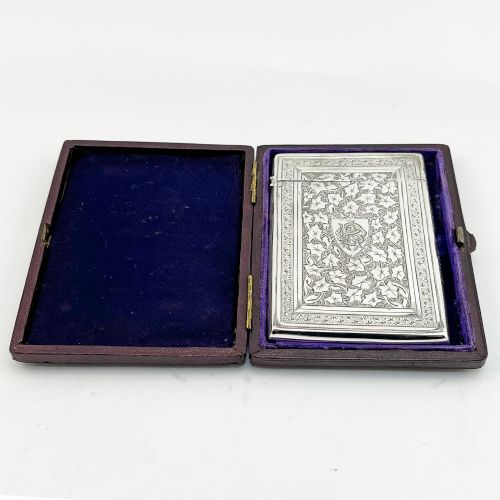
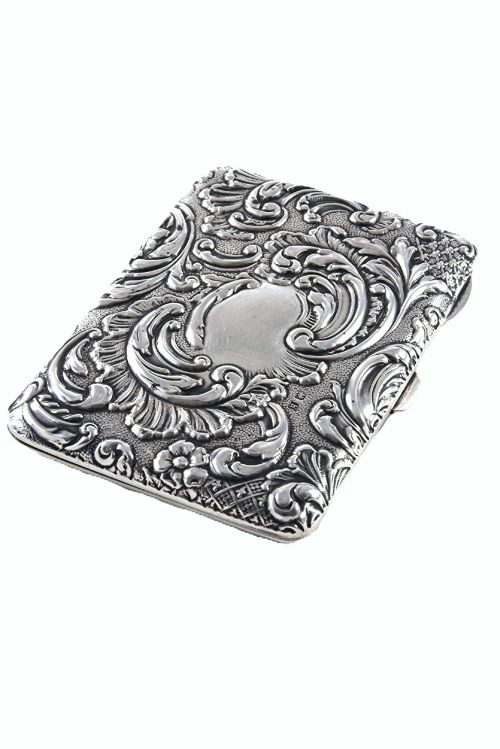
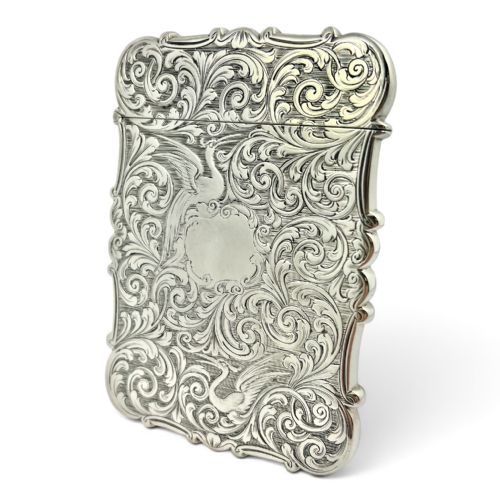
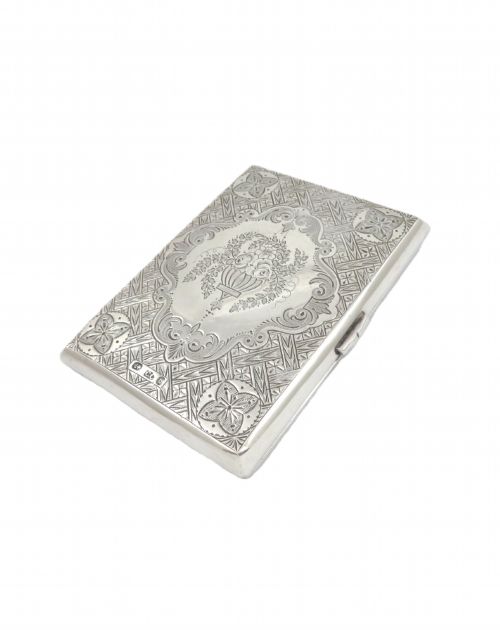
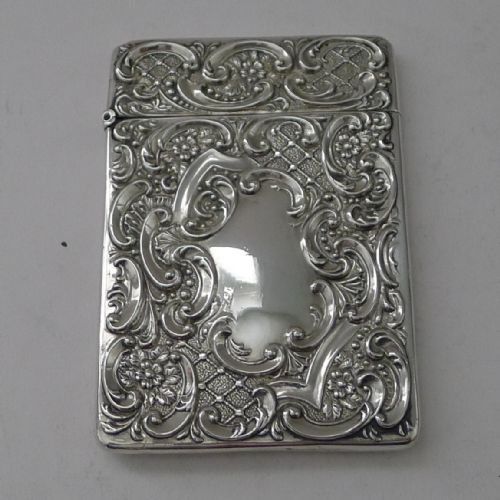
Surface decoration relies heavily on detailed engraving, repoussé work, and engine-turning, sometimes enhanced by applied enamel, tortoiseshell, mother-of-pearl, or bone. Certain functional variants incorporate internal spring clips, hinged lids, and novelty opening mechanisms to secure the contents.
Silver Calling Card Holder Retail Price Guide 2026
Typical asking prices for silver calling card holder among the pieces listed under this phrase on Sellingantiques today, from the lower quarter to the upper quarter. They describe what is for sale here now, not the wider market.
Some Edwardian card cases doubled as musical lessons, secretly instructing society members on the social notes of the day.
What varies in quality
Quality rests upon the crispness of the chasing and engraving, particularly on architectural castle top scenes and pictorial motifs depicting animals or musical themes. The depth and definition of repoussé work distinguish master silversmiths from standard commercial production.
The choice of supplementary materials dictates the character of a piece, from translucent vitreous enamel to carefully fitted tortoiseshell and mother-of-pearl panels. Precision in mechanical elements, such as hinges, spring clips, and unusual opening mechanisms, marks the better class of silver case.
Willian Aitken·Nathaniel Mills·George Unite·Foxall and Co
The Silver Calling Card Holder Glossary
- Castle top
- A silver card case featuring a high-relief architectural representation of a famous building or landmark on the front panel. These pieces were often produced by prominent Birmingham makers.
- Repoussé
- A metalworking technique where the silversmith hammers the silver from the reverse side to form a raised design in relief on the front. This method creates textured scenes of deities, foliage, or figures.
- Aide-mémoire
- A small pocket notebook or memorandum case fitted with internal leaves or ivory tablets for recording notes. They frequently share the slim proportions of visiting card holders.
- Silver gilt
- Sterling silver that has been coated with a thin layer of gold on the interior or exterior surfaces. This technique adds warmth and protects the underlying silver from tarnishing.
Silver Calling Card Holder: Frequently Asked Questions
What is a castle top card case?
A castle top card case is a silver case featuring a raised architectural depiction of a specific landmark, such as a cathedral or stately home, stamped or cast onto the cover.
These pieces represent some of the most sought-after examples of nineteenth-century silversmithing, often associated with prominent Birmingham makers.
How were calling card holders used?
Victorian and Edwardian gentlemen and ladies carried these slim cases to store and protect their printed visiting cards before social calls.
The cases kept the paper cards pristine in pockets or reticules until they were presented upon arriving at a residence.
How do I date an antique silver case?
Dating relies upon hallmarks stamped into the metal, which indicate the assay office, date letter, and standard of silver used.
Stylistic clues such as Victorian Gothic revival motifs, Edwardian pictorial engravings, or later Art Deco geometric lines also help determine the period.
Can these cases hold modern cards?
Standard business cards often exceed the dimensions of historical visiting cards, which were typically smaller to fit slim pocket formats.
Many buyers choose to use these antique silver cases for credit cards, folded notes, or modern visiting cards cut to fit the interior.