

Silver Pocket Card Case
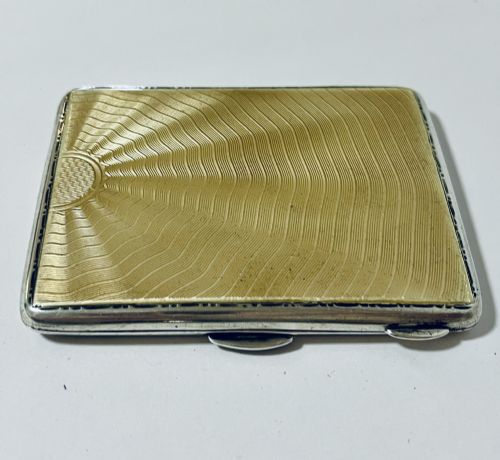
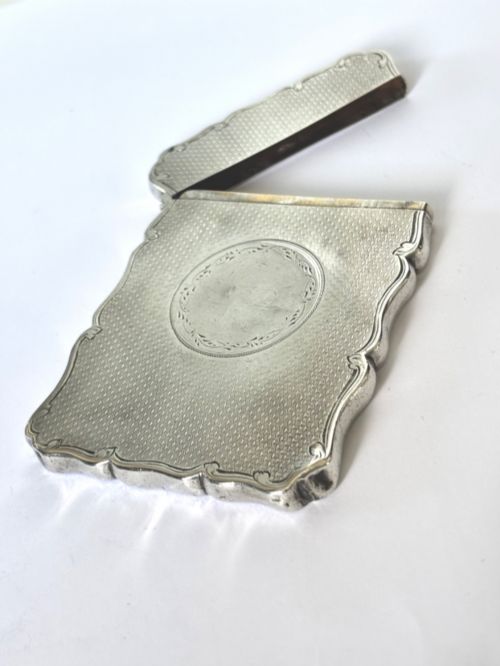
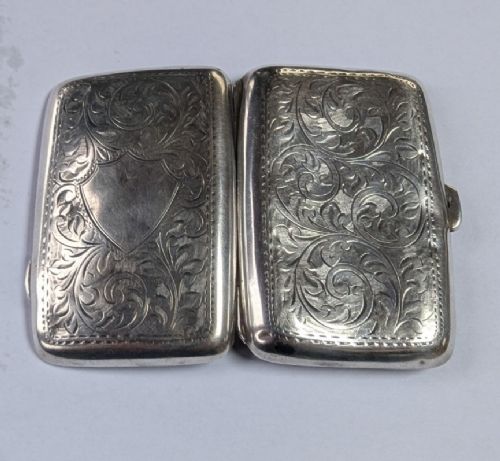
A silver pocket card case is a compact portable container for calling cards, meeting you in periods from the Victorian era to Art Deco.
Silver Pocket Card Case
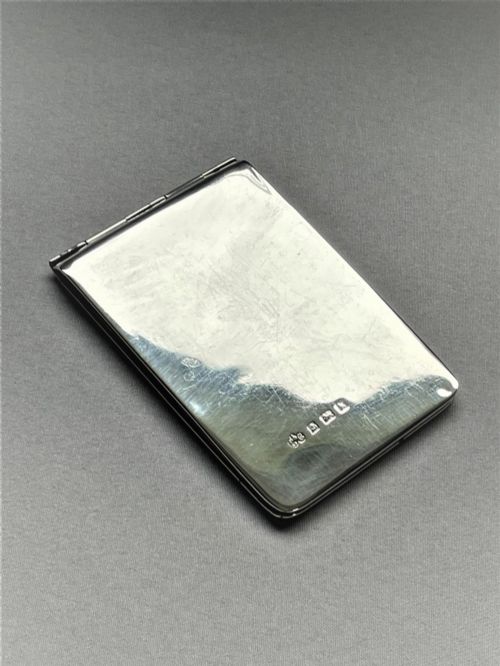
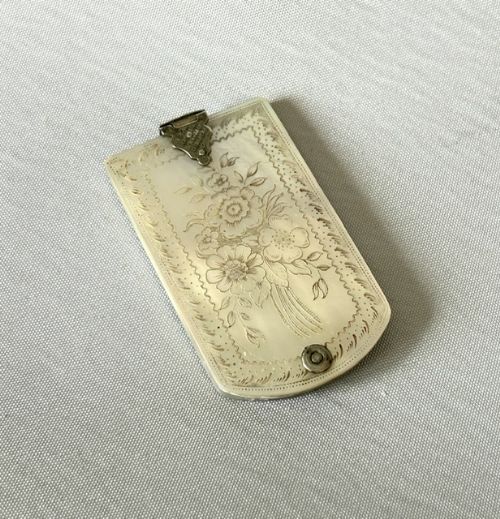
A silver pocket card case is designed to hold calling cards safely in the pocket or handbag during social visits. These pocket items appear in formats ranging from flat hinged card boxes to flexible purses and aide-memoire notebooks.
The pieces on this page span the Victorian and Edwardian periods through to the 1930s, alongside 19th Century examples. Makers utilised sterling silver and silver gilt alongside mixed materials.
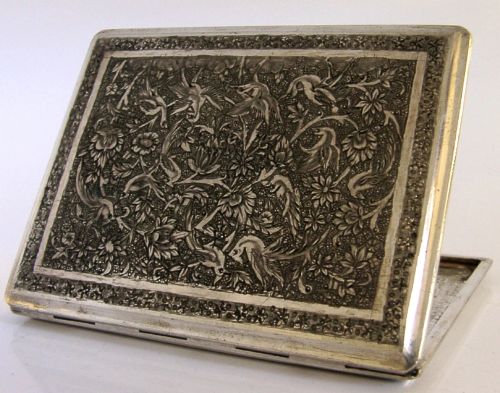
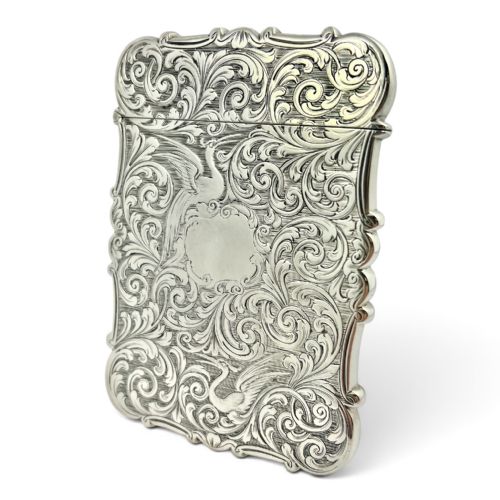
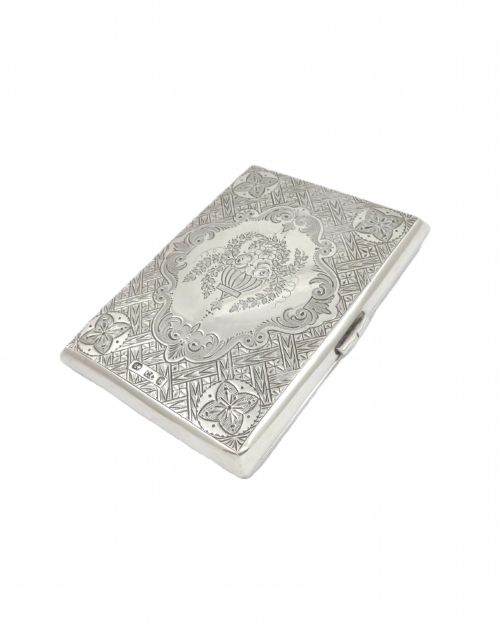
Makers produced these accessories in styles including Victorian, Edwardian, Art Deco, and Ottoman. Buyers frequently encounter castle top designs, engraved surfaces, and enamel decoration among the offerings.
Materials and construction
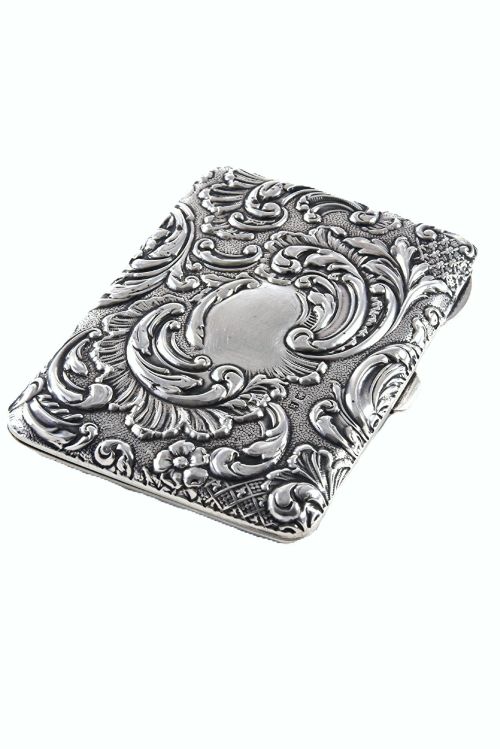
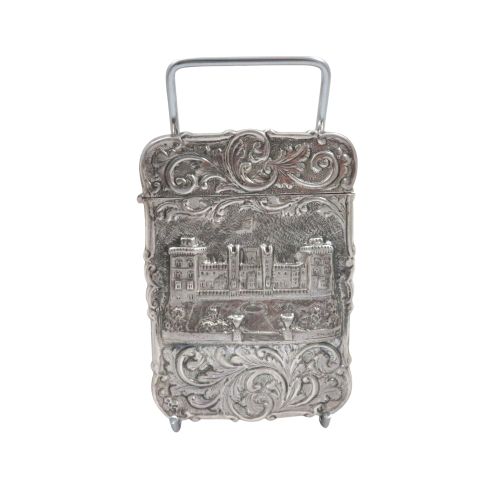
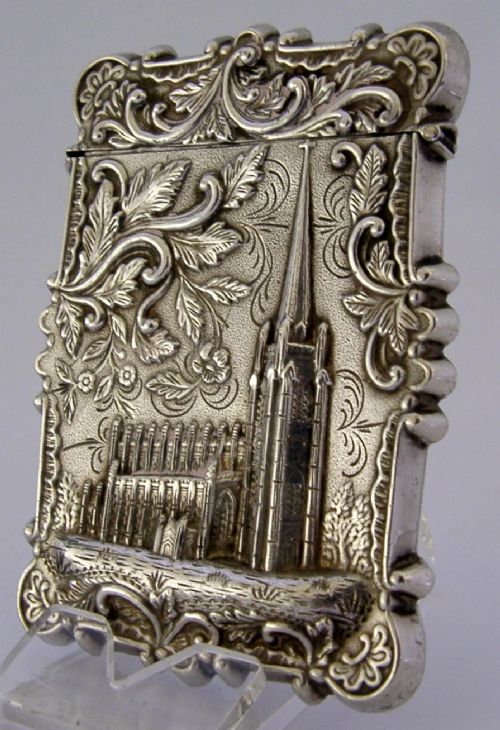
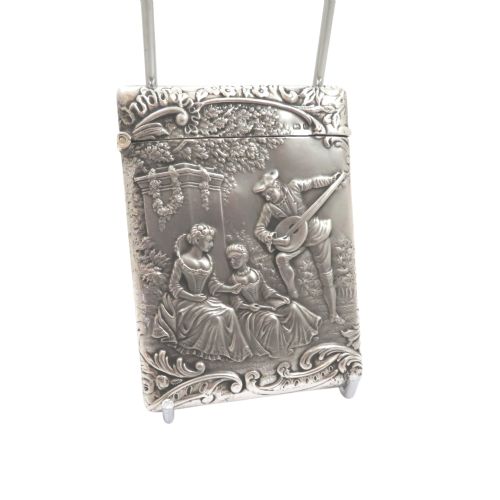
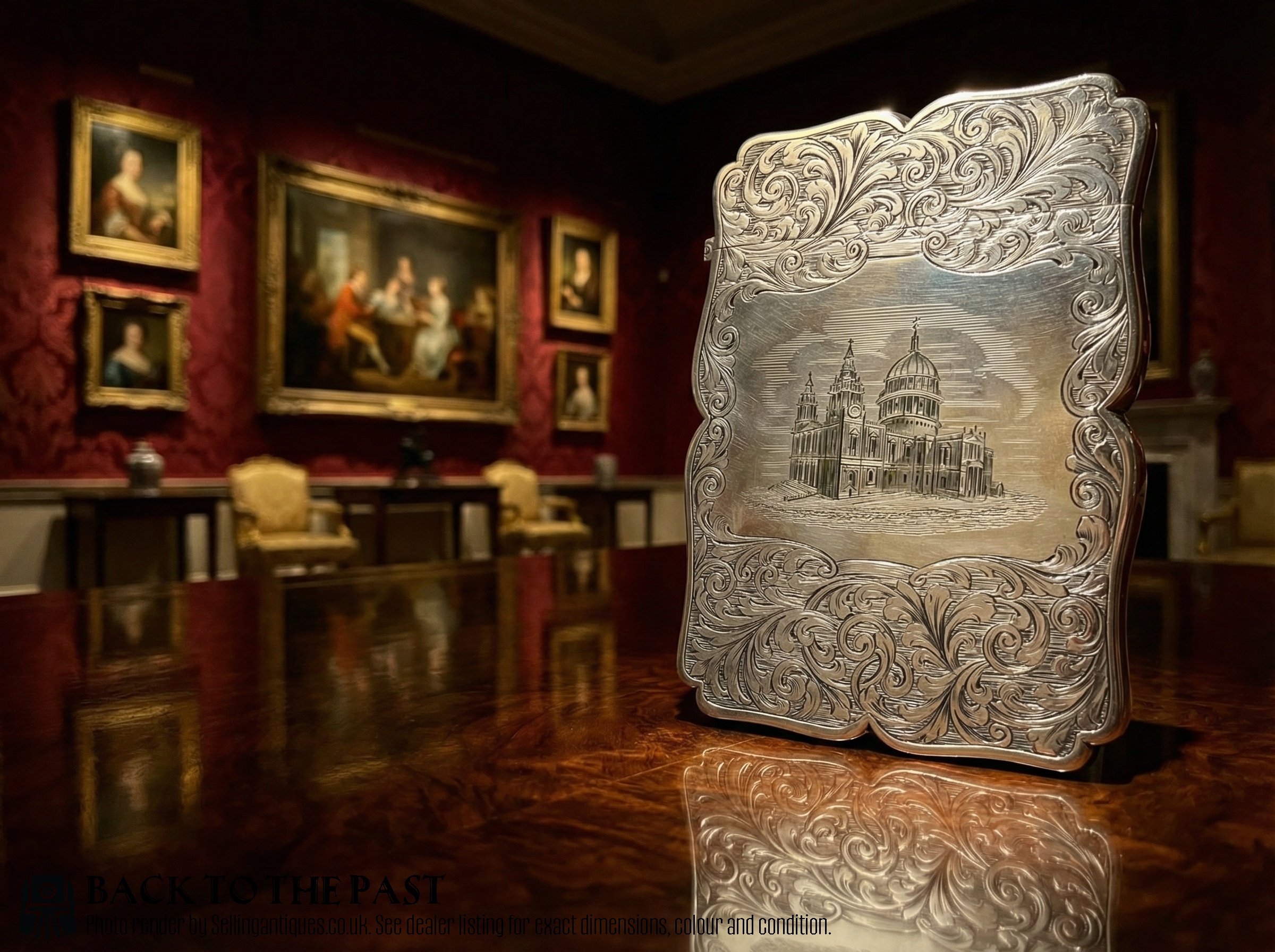
Silversmiths constructed these cases primarily in sterling silver and solid silver, frequently applying engine turned patterns, repoussé work, or detailed engraving to the exterior metal. Cast top designs required intricate relief work depicting specific buildings.
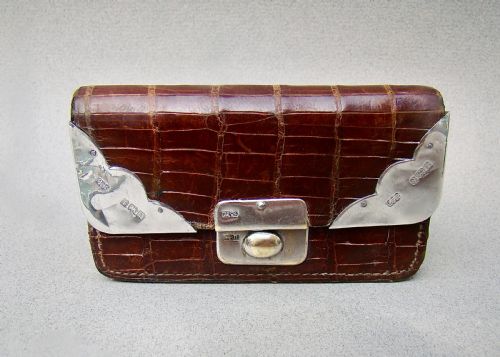
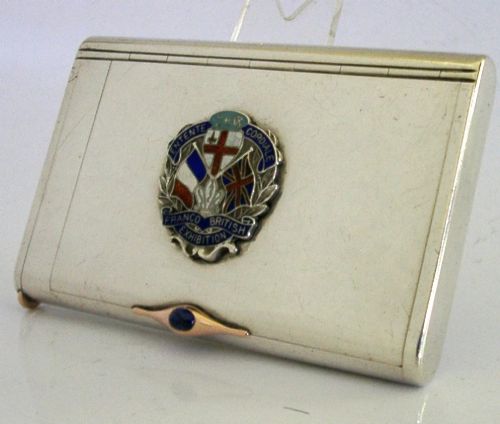
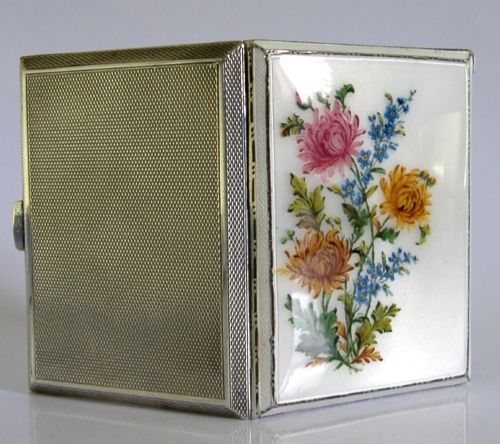
Many examples incorporate secondary materials such as enamel, mother-of-pearl, bone, leather, crocodile skin, and gold mounts. Interior gilt linings and specialised opening mechanisms appear across Victorian and Edwardian pieces.
Silver Pocket Card Case Retail Price Guide 2026
Typical asking prices for silver pocket card case among the pieces listed under this phrase on Sellingantiques today, from the lower quarter to the upper quarter. They describe what is for sale here now, not the wider market.
Materials recorded in current inventory include sterling silver, enamel, leather, crocodile skin, gold, bone, and mother-of-pearl.
Assessing quality in silver pocket card cases
Quality in a silver pocket card case rests on the crispness of the engraving, the depth of repoussé work, and the precision of castle top architectural details. Superior examples display sharp relief and tightly fitted hinges without slack.
The integration of decorative elements like hand painted enamel or gold highlights distinguishes finer pieces from plain utility items. Maker marks and clear hallmarks further separate standard production from distinguished workshops.
Charles Penny Brown·Nathaniel Mills·George Unite·Cartier·Edward Edwards·Ludwig Krumm·Liberty & Co
The Silver Pocket Card Case Glossary
- Castle top
- A style of card case featuring a high relief engraving or casting of a recognizable building or landmark on the cover. These architectural depictions often show British or international structures.
- Aide memoire
- A small notebook or memorandum tablet fitted with a pencil, designed for recording appointments and notes. They frequently combine silver covers with internal bone or paper leaves.
- Repoussé
- A metalworking technique where the silversmith hammers the metal from the reverse side to form a raised design in relief on the front. This method creates textured pictorial scenes on the surface.
- Engine turned
- A geometric decorative pattern mechanically engraved into the metal surface using a lathe. This technique produces precise, repeating lines across the silver.
- Silver gilt
- Sterling silver that has been coated with a thin layer of gold on the interior or exterior surface. This treatment provides a warm golden tone inside the case.
Silver Pocket Card Case: Frequently Asked Questions
What were silver pocket card cases used for?
These cases carried visiting cards used during formal social calls in the nineteenth and early twentieth centuries. Keeping cards rigid and clean in the pocket was essential for etiquette.
Over time, owners also used similar slim pocket containers for cigarettes, stamps, or notes. Many designs adapted to hold changing personal items while remaining pocket-sized.
How do I date a silver card case?
British pieces carry hallmarks stamped directly into the silver, indicating the assay office, standard of metal, and a specific date letter. Comparing these stamps against hallmarking records provides the exact year of manufacture.
Stylistic shifts also help narrow the period when hallmarks are absent or rubbed. Victorian pieces lean toward heavy engraving and castle top motifs, while 1930s examples favor cleaner Art Deco lines.
How should I clean antique silver?
Antique silver benefits from gentle cleaning using a specialised microfibre cloth and mild silver polish only when tarnish becomes heavy. Avoid aggressive scrubbing that can wear down delicate engraving or remove gilding.
Enamel, mother-of-pearl, and leather components require special care to keep cleaning agents away from delicate inlays and organic surfaces.