
Antique Silver Accessories
Antique silver accessories comprise small functional items for the pocket, desk, and table, offering practical utility alongside decorative craftsmanship.
Antique Silver Accessories
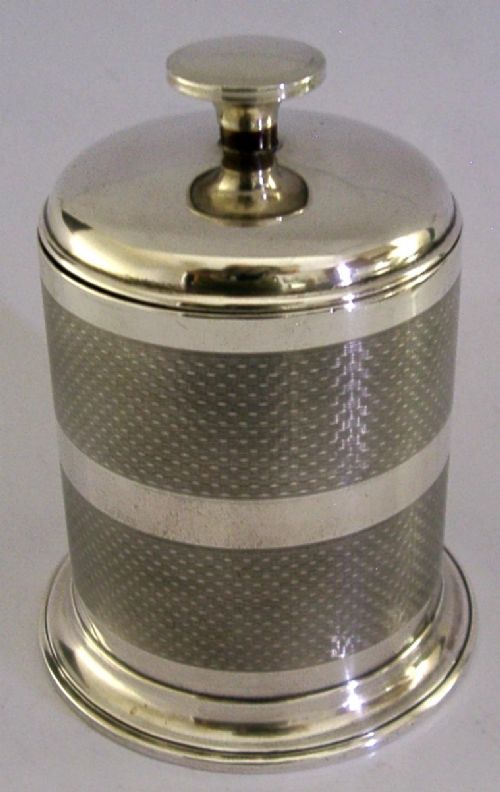
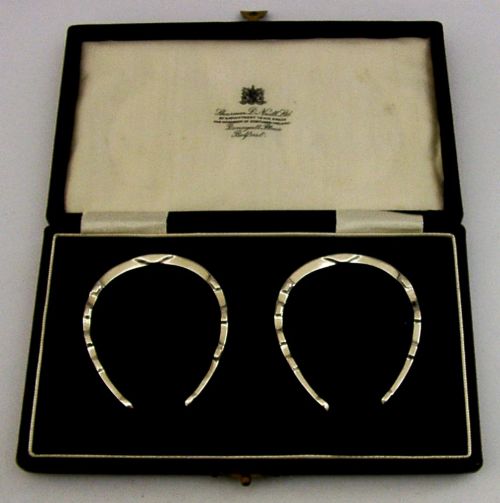
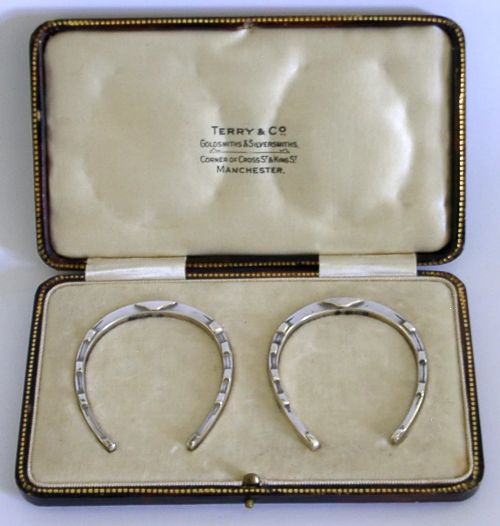
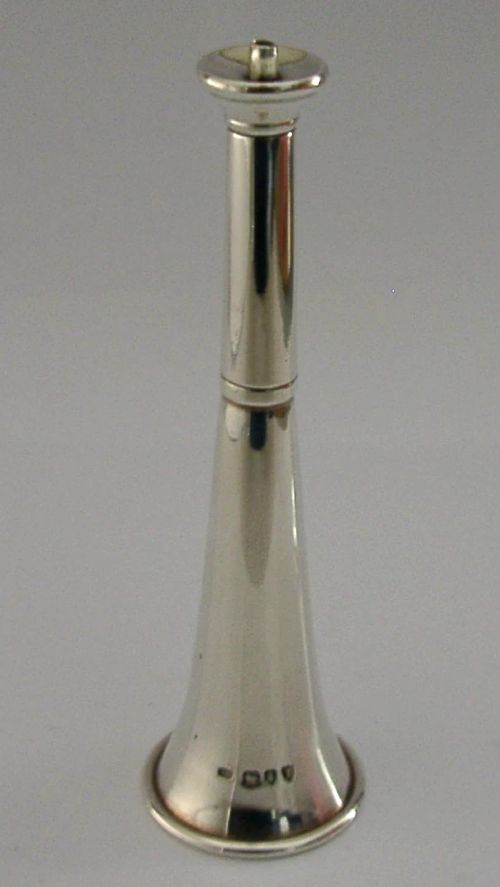
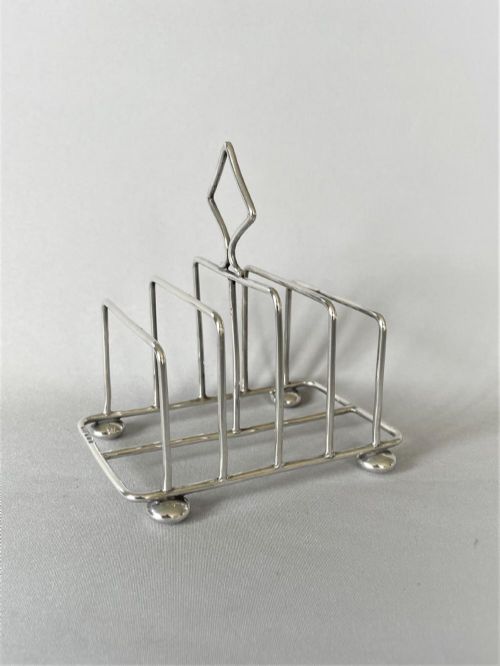
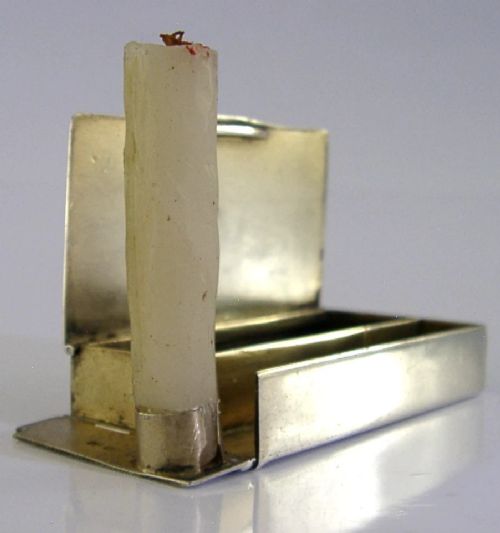
When you search for antique silver accessories, you encounter a varied assortment of personal and domestic items designed for specific tasks. The selection includes pocket items like vesta cases and sovereign holders alongside table items such as napkin rings, menu holders, and ashtrays.
Most pieces you meet on this page originate from the Victorian and Edwardian periods, stretching into the Art Deco era and mid-century modern designs. These items reflect the social habits and interior customs of their respective decades, ranging from smoking paraphernalia to desk tools.
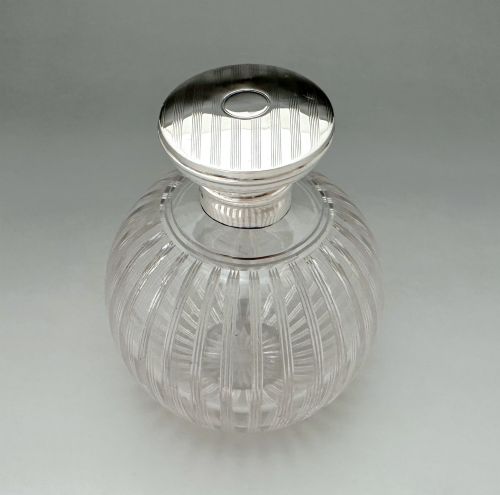
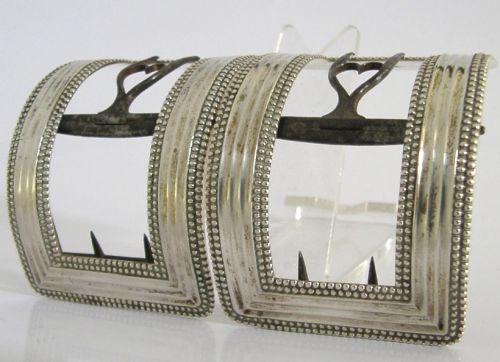
Makers utilised sterling silver and silver plate frequently, often combining the metal with glass, leatherette, velvet, enamel, tortoiseshell, or steel. Such combinations served both utilitarian and ornamental purposes, ensuring durability in daily use.
How They Were Made
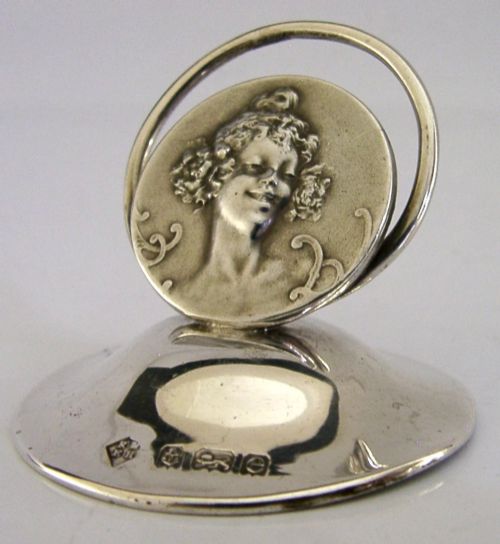
Silversmiths employed techniques such as stamping, casting, and hand engraving to shape sterling silver and silver plate into intricate forms. Articles like match safes and card cases often featured detailed repoussé work or geometric Art Deco patterns.
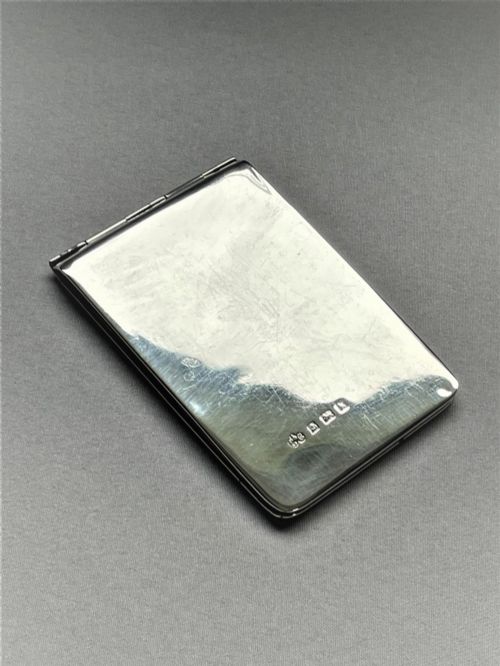
Many accessories integrated secondary materials to enhance their function or appearance, securing glass inserts, steel blades, or velvet linings within silver mounts. Makers applied hallmarks to certify metal purity, marking origins in Birmingham, Sheffield, London, and international workshops.
Antique Silver Accessories Retail Price Guide 2026
Typical asking prices for silver accessories among the pieces listed under this phrase on Sellingantiques today, from the lower quarter to the upper quarter. They describe what is for sale here now, not the wider market.
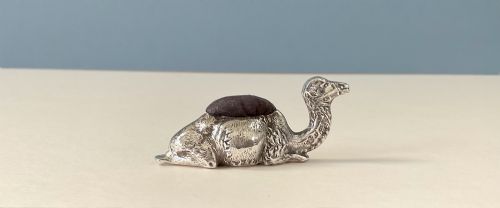
Among the smoking and desk gear, a seated camel pin cushion patiently waits to hold errant sewing needles.
What Varies in Quality
The distinction between standard items and superior examples lies in the crispness of the chasing, the weight of the metal, and the integrity of any secondary materials. Heavier gauge silver resists denting and maintains structural definition across hinges and clasps.
Pieces bearing clear hallmarks from notable makers or incorporating uncommon novelties command greater interest than plain utility items. The precision of applied enamel, tortoiseshell mounts, or paired cased sets further elevates the standard of execution.
Braham·Sampson Mordan·Aaron Lufkin Dennison·Walker & Hall·William Neale·Mappin & Webb·Levi & Salaman·EV Pledge & Son·Robert Chandler·Peter Pierre Gillois
The Antique Silver Accessories Glossary
- Vesta Case
- A small pocket container designed to hold matches, typically fitted with a striker on the base. These cases often feature hinged lids and engraved decoration.
- Hallmark
- An official stamp applied to precious metals indicating the standard of purity, the assay office, and the year of manufacture. British hallmarks provide a reliable dating method.
- Repoussé
- A metalworking technique where the artisan hammers the design from the reverse side to create a raised relief pattern on the front. This method is common on Victorian and Edwardian pieces.
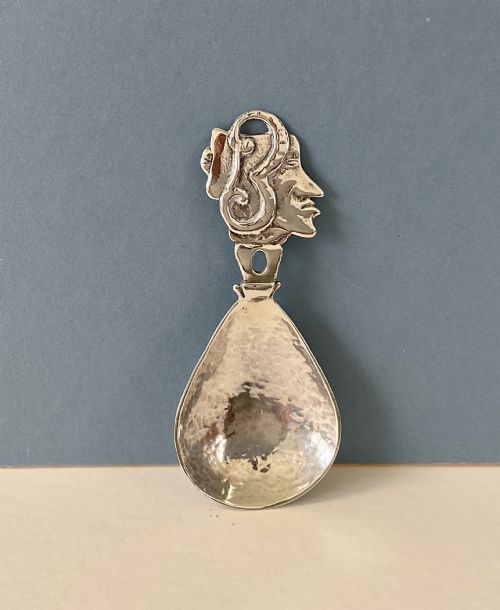
- Caddy Spoon
- A short-handled spoon specifically created for measuring loose tea leaves from a canister. These spoons frequently showcase imaginative bowl shapes and decorative handles.
- Page Turner
- A desk accessory featuring a long flat blade made of silver, ivory, or tortoiseshell with a handle, used for separating uncut book pages.
Antique Silver Accessories: Frequently Asked Questions
What are antique silver accessories?
Antique silver accessories encompass a diverse category of small, decorative, and functional objects intended for personal grooming, smoking, dining, and desk use. They include items manufactured primarily in sterling silver or silver plate during the nineteenth and twentieth centuries.
These pieces reflect the domestic habits and social rituals of periods such as the Victorian, Edwardian, and Art Deco eras, combining utility with fine metalwork.
How were silver vesta cases used?
Silver vesta cases served as pocket containers for safety matches, protecting them from moisture and accidental ignition while individuals travelled or smoked.
Users struck the matches against the serrated bottom of the case, making them an indispensable personal accessory before the widespread adoption of lighters.
How do I care for antique silver?
Caring for antique silver involves gentle cleaning with a soft cloth and specialised silver polish only when necessary to remove tarnish, avoiding abrasive materials that wear down engravings.
Storing pieces in dry, tarnish-resistant environments prevents chemical reactions with the air, preserving the original surface details and hallmarks.
How can I date my silver accessory?
Dating a silver accessory relies primarily on reading the stamped hallmarks, which include specific symbols for the assay office, metal standard, and date letter.
Stylistic cues such as Edwardian filigree, Victorian chasing, or Art Deco geometric lines also help determine the era of manufacture when hallmarks are absent or worn.