




Victorian Silver Card Holder
These Victorian silver card holders are compact pocket containers created for calling cards during the nineteenth century.
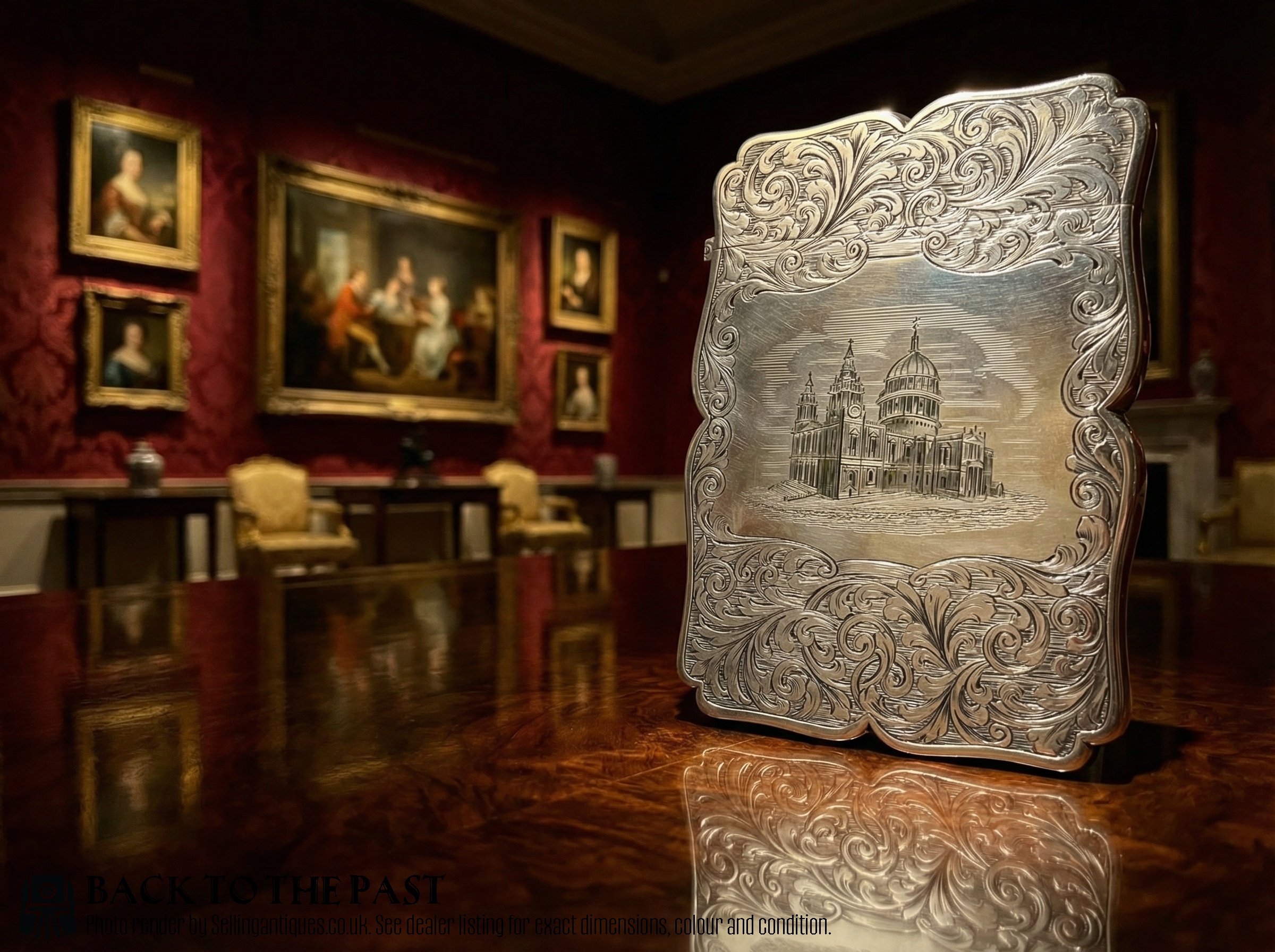
What victorian silver card holder pieces are
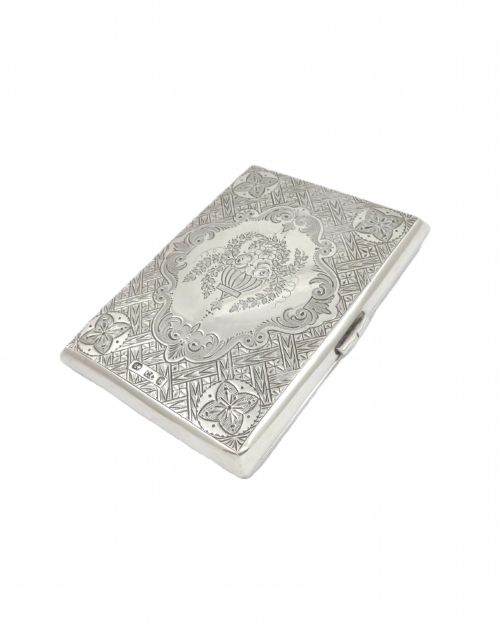
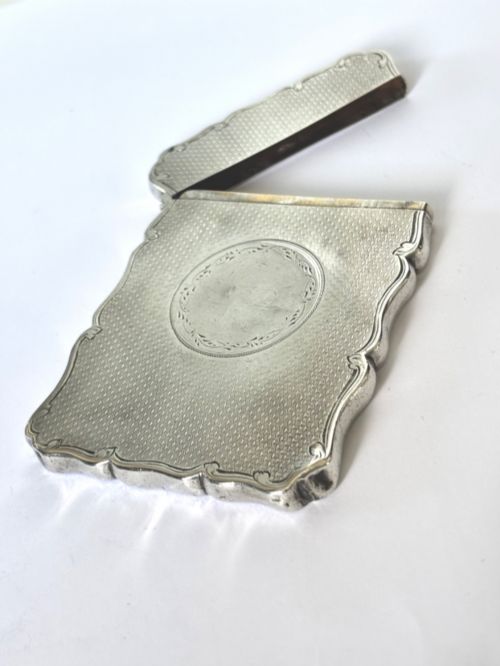
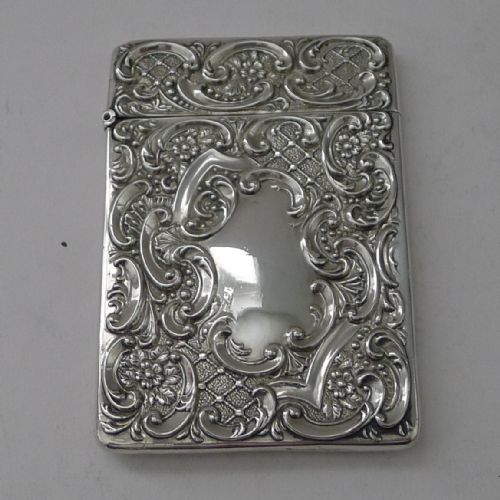
A victorian silver card holder is typically a small, hinged case designed to carry visiting cards or calling cards in the nineteenth century. The examples found here span the Victorian period, along with isolated instances carrying Edwardian or eighteenth-century dates.
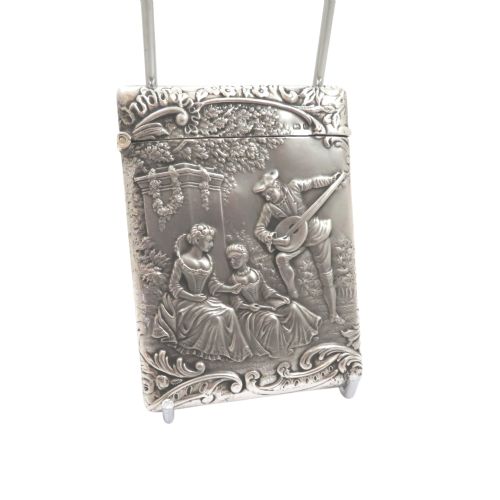
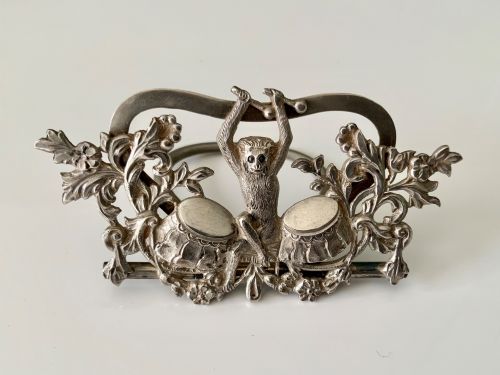
Most pieces take the form of slim card cases or visiting card cases made to fit easily into a pocket or reticule. The selection also includes menu card holders and place card holders from the same eras.
How they were made
Every piece recorded in the evidence is fashioned from sterling silver, reflecting the dominant metal standard of the period. Makers utilised sheet silver, shaping and hinging the cases to create secure storage for paper cards.
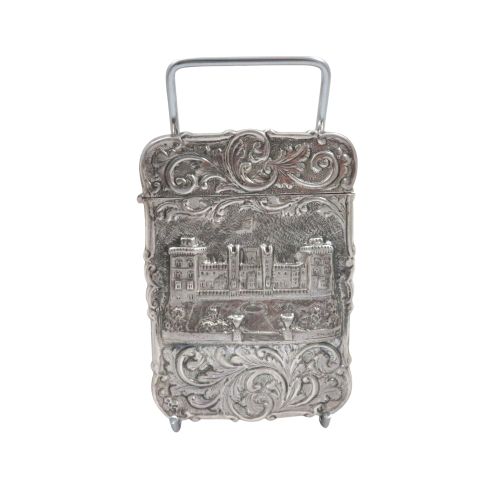
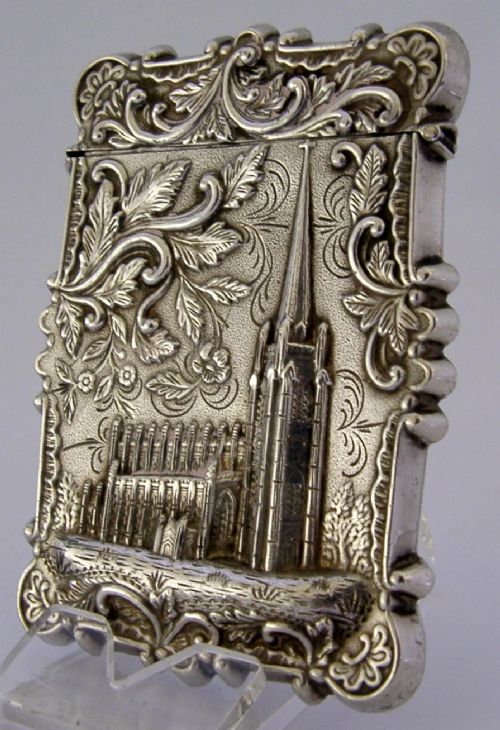
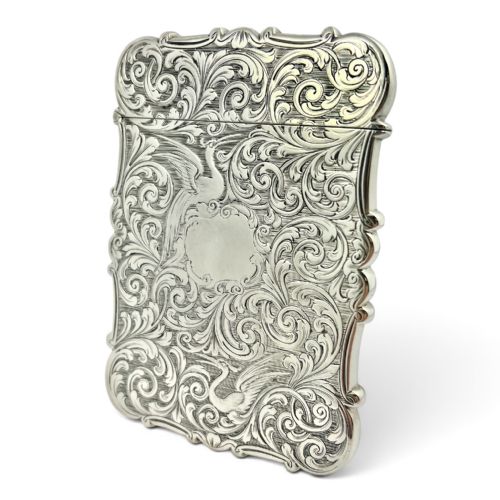
Surface decoration relies heavily on hand engraving and intricate topographical embossing, particularly on castle top examples depicting landmarks such as Windsor Castle and St Paul’s Cathedral.
Retail Price Guide 2026
Typical UK retail prices for victorian silver card holder, calculated from the Sellingantiques database of over a million retail prices indexed since 2003. This retail price guide relies exclusively on Sellingantiques data; no external sources or auction records are used, so the figures do not describe the wider market.
The listings combine strict sterling silver construction with three distinct historical periods: Victorian, Edwardian, and eighteenth century.
What varies in quality
Quality rests on the crispness of the chased or engraved architectural scenes and the precision of the maker's mark. Pieces bearing identifiable views of specific architectural landmarks command greater attention than plain surfaces.
The sophistication of the hinge mechanism and the overall weight of the sterling silver contribute to the distinction between standard production items and masterworks by notable silversmiths.
Nathaniel Mills·George Unite·Levi and Salaman
The Victorian Silver Card Holder Glossary
- Castle top
- A style of decorative metalwork featuring high relief depictions of famous buildings or country houses. These architectural scenes are characteristic of mid-nineteenth-century silverwork.
- Calling card
- A small printed paper card used during the Victorian era for social visits and introductions. Cases were specifically sized to keep these cards crisp and unbent.
- Sterling silver
- An alloy consisting of pure silver and other metals, usually copper, to increase durability. This standard is fundamental to the pieces catalogued here.
- Assay office
- An official body that tests the purity of precious metals and stamps them with hallmarks. Marks often indicate the city of origin, such as Birmingham.
Frequently Asked Questions
How were calling cards used?
In the nineteenth century, individuals used calling cards to announce their arrival at a friend or acquaintance's home. The visitor left the paper card with a servant if the host was not receiving guests.
These silver holders protected the delicate paper cards from damage while being carried in pockets or handbags during social rounds.
Are all these items from the Victorian period?
The majority of pieces originate from the Victorian era, defined by the reign of Queen Victoria. The materials and construction methods align closely with nineteenth-century British silversmithing.
A small number of related items span into the Edwardian era or carry alternative dates found in the archive records.
What material are these card holders made from?
Every item recorded in the listings and archive is made from sterling silver. This metal provided the necessary durability and polished finish suited for portable social accessories.
Silversmiths worked the metal into rigid hinged boxes or small upright stands designed to hold cards securely.