
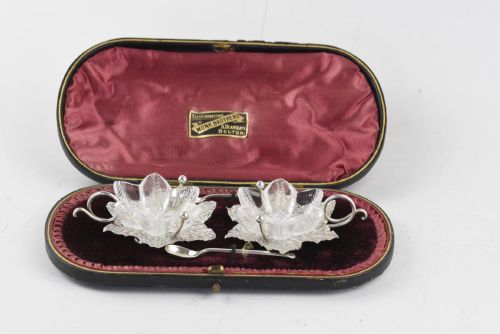
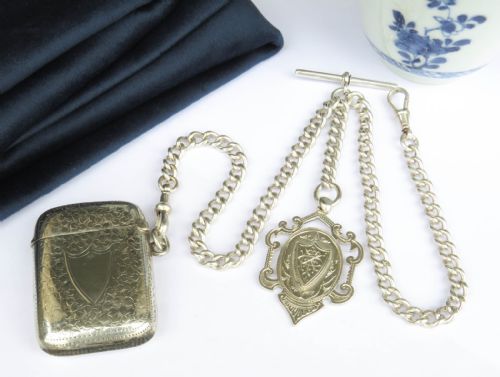
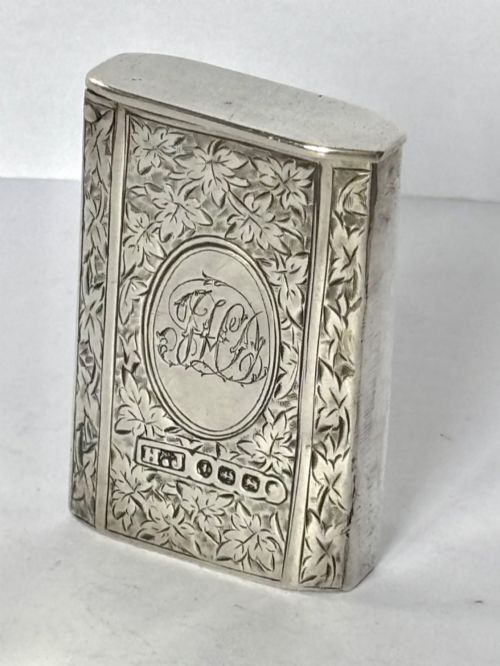
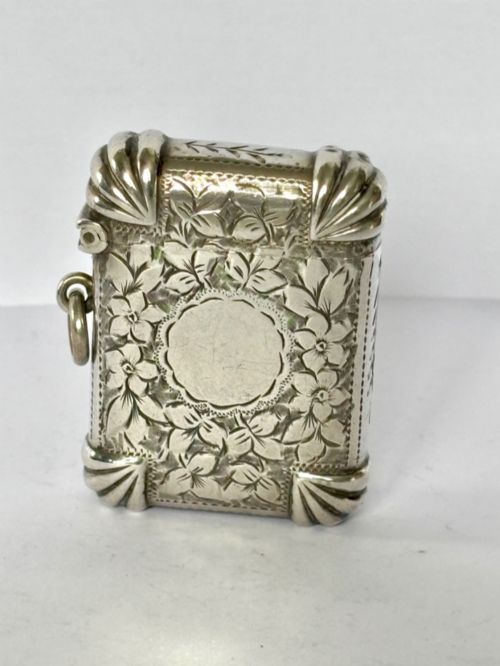
Victorian Sterling Silver Case
When you handle a victorian sterling silver case, you hold a tangible piece of nineteenth-century craftsmanship designed to protect personal valuables.
Victorian Sterling Silver Case
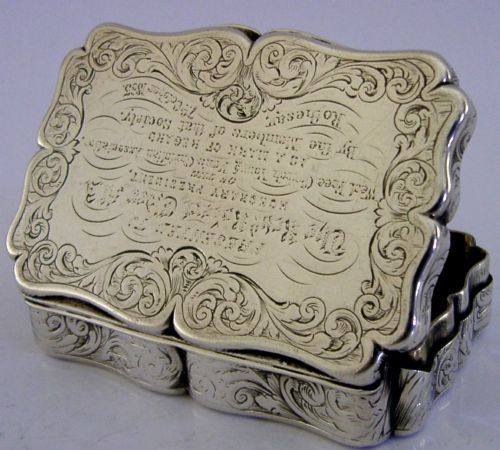
Many examples are encountered as pocket items or desktop accessories, often bearing detailed engravings, repoussé work, or specialised compartments for daily use.
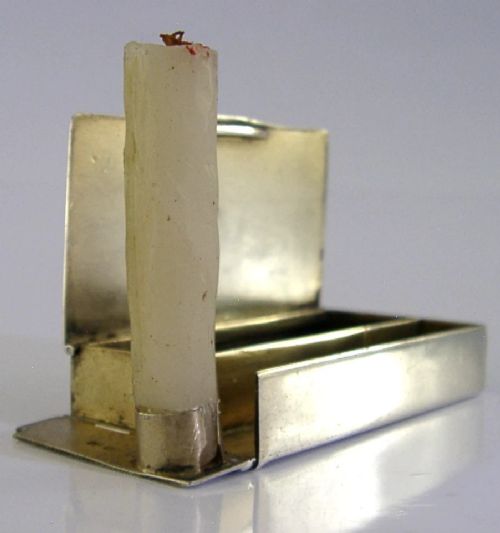
The assortment reflects the specific social habits of the period, ranging from calling card presentations to the safe storage of matches and smoking requisites.
Materials and construction methods
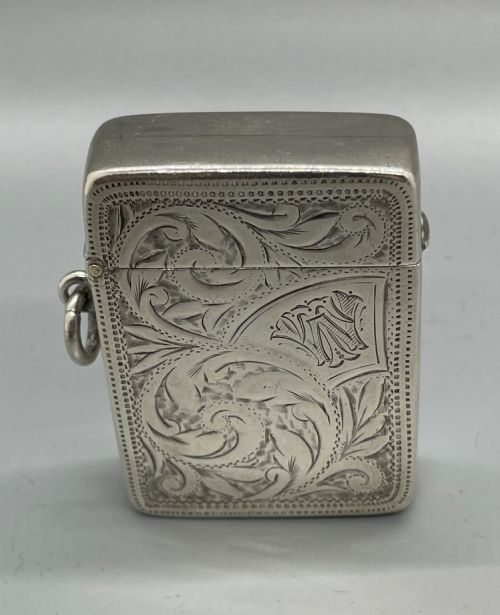
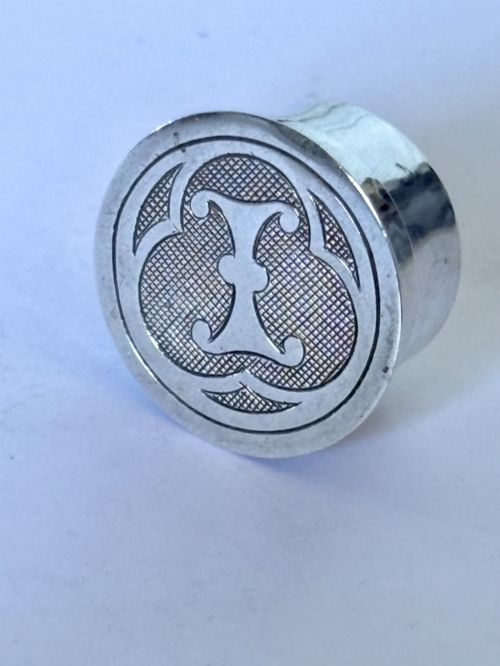
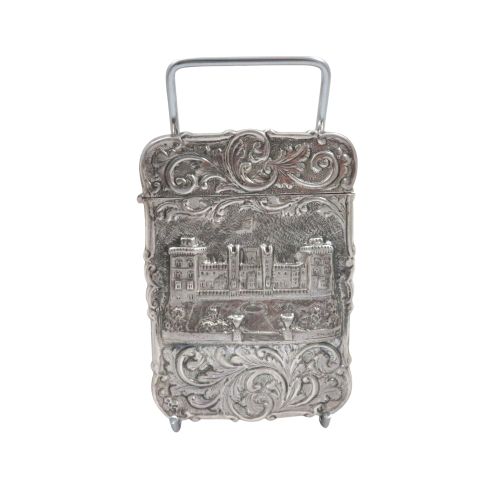
Makers utilised solid sterling silver, frequently shaped through stamping, casting, and hand-chasing to achieve complex surface patterns like floral scrolls, ivy, and architectural scenes known as castle tops.
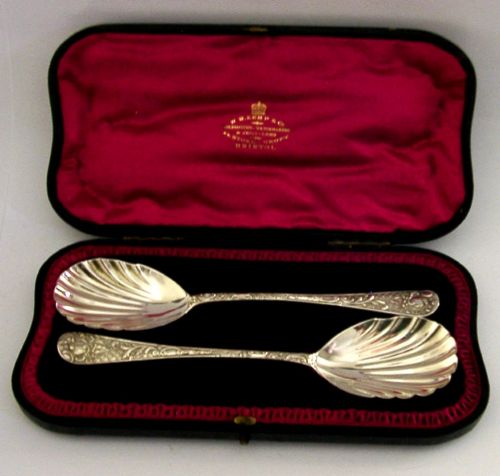
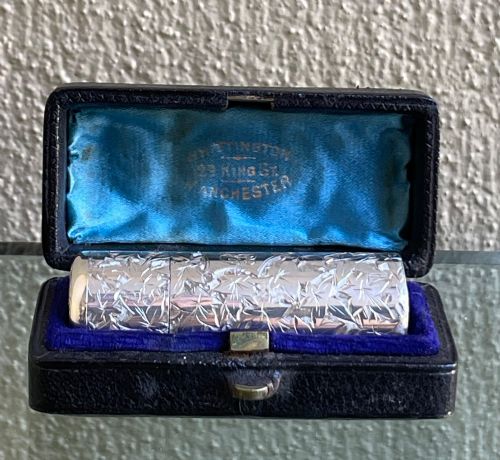
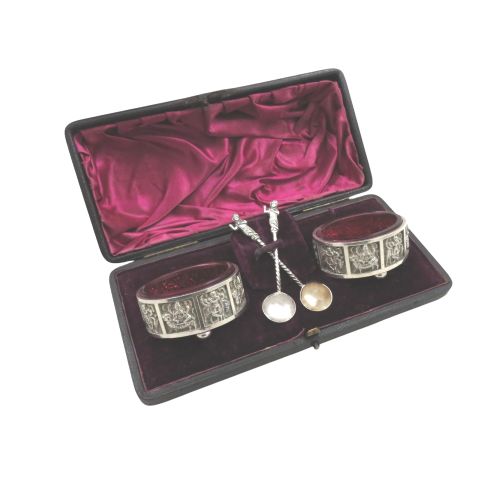
Internal components often incorporate linings of velvet, satin, silk, or leatherette to cushion contents such as pocket watches, calling cards, or delicate glass scent bottles.
Structural integrity relied on precise hinge work, tight-fitting lids, and secure clasps designed for frequent daily handling.
Victorian Sterling Silver Case Retail Price Guide 2026
Typical asking prices for victorian sterling silver case among the pieces listed under this phrase on Sellingantiques today, from the lower quarter to the upper quarter. They describe what is for sale here now, not the wider market.
Several pocket pieces doubled as combination tools, packing a matchsafe, a whistle, and a toothpick into a single pocket-sized silver cylinder.
Distinctions in craftsmanship and design
The depth and clarity of the engraved or embossed decoration separate standard production items from superior works by noted silversmiths. Crisp detailing on architectural motifs and figural scenes indicates higher workshop standards.
The weight of the silver and the mechanical precision of hinges, spring-loaded lids, and catch mechanisms demonstrate the original investment in the piece.
The presence of specialised internal fittings, intact linings, and well-preserved hallmarks adds tangible distinction to individual pieces.
Henry Wilkinson·EV Pledge And Son·Horton And Allday·FA Barrett·Sampson Mordan And Co·Nathaniel Mills·Yapp And Woodward·George Unite·William Neale·Alfred Taylor·Elizabeth Eaton
The Victorian Sterling Silver Case Glossary
- Vesta case
- A small portable box designed to hold matches, typically fitted with a striking stripe on the base. These items often feature spring-loaded lids and attachment loops for watch chains.
- Castle top
- A specialised form of card case or box featuring a high-relief engraving of a famous landmark or building on the cover. Popular subjects include Windsor Castle, the Houses of Parliament, and Crystal Palace.
- Aide memoire
- A pocket notebook or card case combined with a small ivory or bone writing tablet and a pencil. These served for recording social engagements and calling notes.
- Hallmark
- The official stamp applied by an assay office to indicate the metal standard, the maker, and the year of production. British sterling silver standard is marked with the lion passant.
- Repoussé
- A metalworking technique where the silver is hammered into relief from the reverse side. This method creates dimensional floral or figural designs across the surface of the case.
Victorian Sterling Silver Case: Frequently Asked Questions
What were silver cases used for?
These pieces served practical functions in Victorian daily life, primarily protecting delicate personal items from damage in pockets or during travel. Common contents included visiting cards, matches, cigars, and prayer books.
Their use mapped directly onto social rituals, where presenting a calling card or lighting a cigar involved physical objects that displayed personal taste and social standing.
How do I identify the date of a silver case?
Dating relies heavily on the assay office marks, maker's marks, and date letters stamped directly into the silver. Each city, such as Birmingham, Sheffield, or London, used specific cycles of letters to indicate the exact year of manufacture.
Stylistic clues, such as aesthetic movement patterns or deep floral repoussé, also help narrow the production era when marks are rubbed or difficult to read.
How should I clean antique silver cases?
Maintenance requires minimal intervention using a soft microfibre cloth and specialised silver cleaner formulated to remove tarnish without stripping the underlying metal or wearing down delicate engravings. Harsh abrasive pastes or dips should be avoided entirely.
If the piece contains original velvet, silk, or leather linings, extra care is necessary to keep moisture away from the interior materials during the cleaning process.
Can I still use a vintage vesta case today?
Many vesta cases remain mechanically sound and functional for carrying modern matches, provided the spring lid and hinge operate securely. The internal striking surface may still function if it remains clean and dry.
Collectors often prefer to treat them as display objects or pocket pieces, balancing occasional handling with the preservation of their historic finish.