

Antique Silver Pocket Accessory
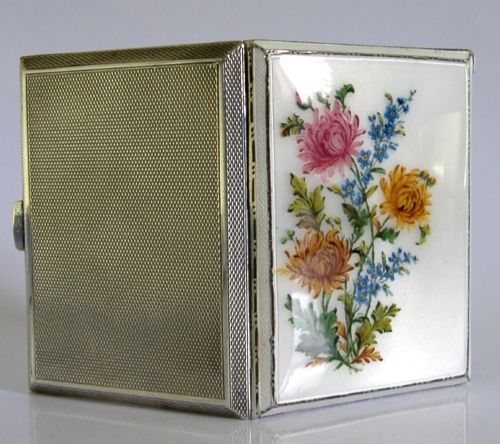
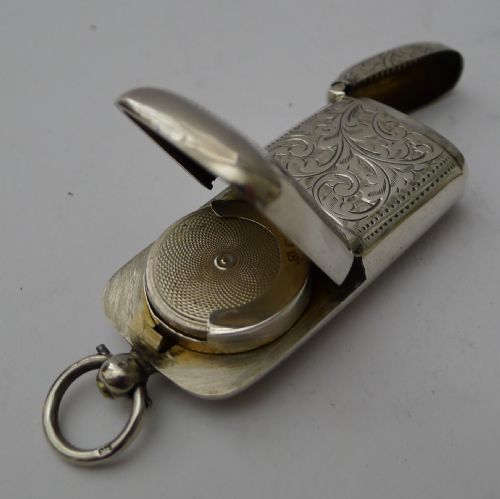
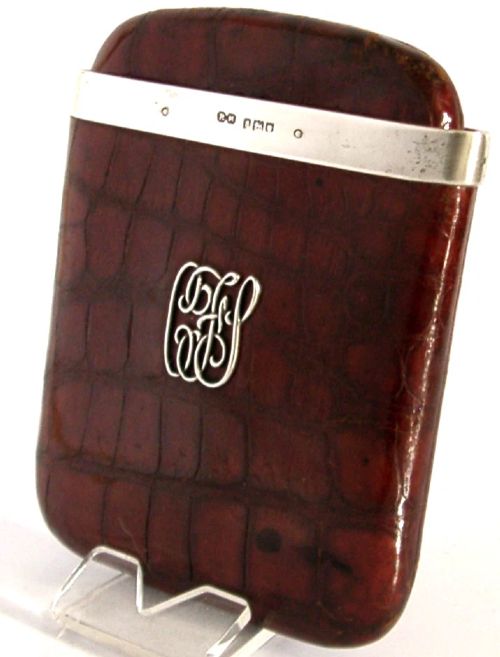
These antique silver pocket accessory pieces range from Victorian vesta cases to enamelled stamp holders, offering the refined utility collectors look for.
What these pieces are
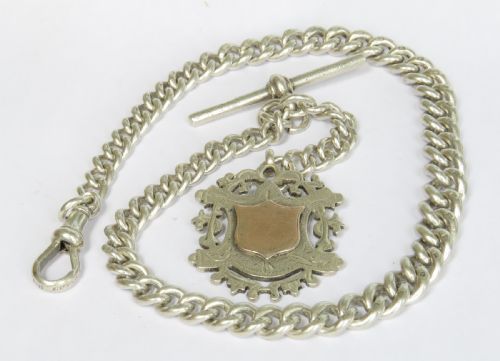
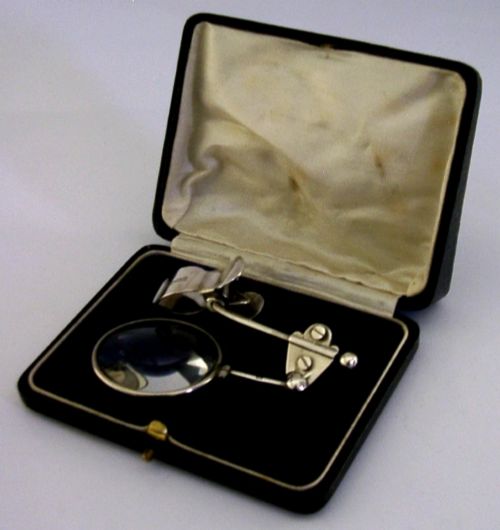
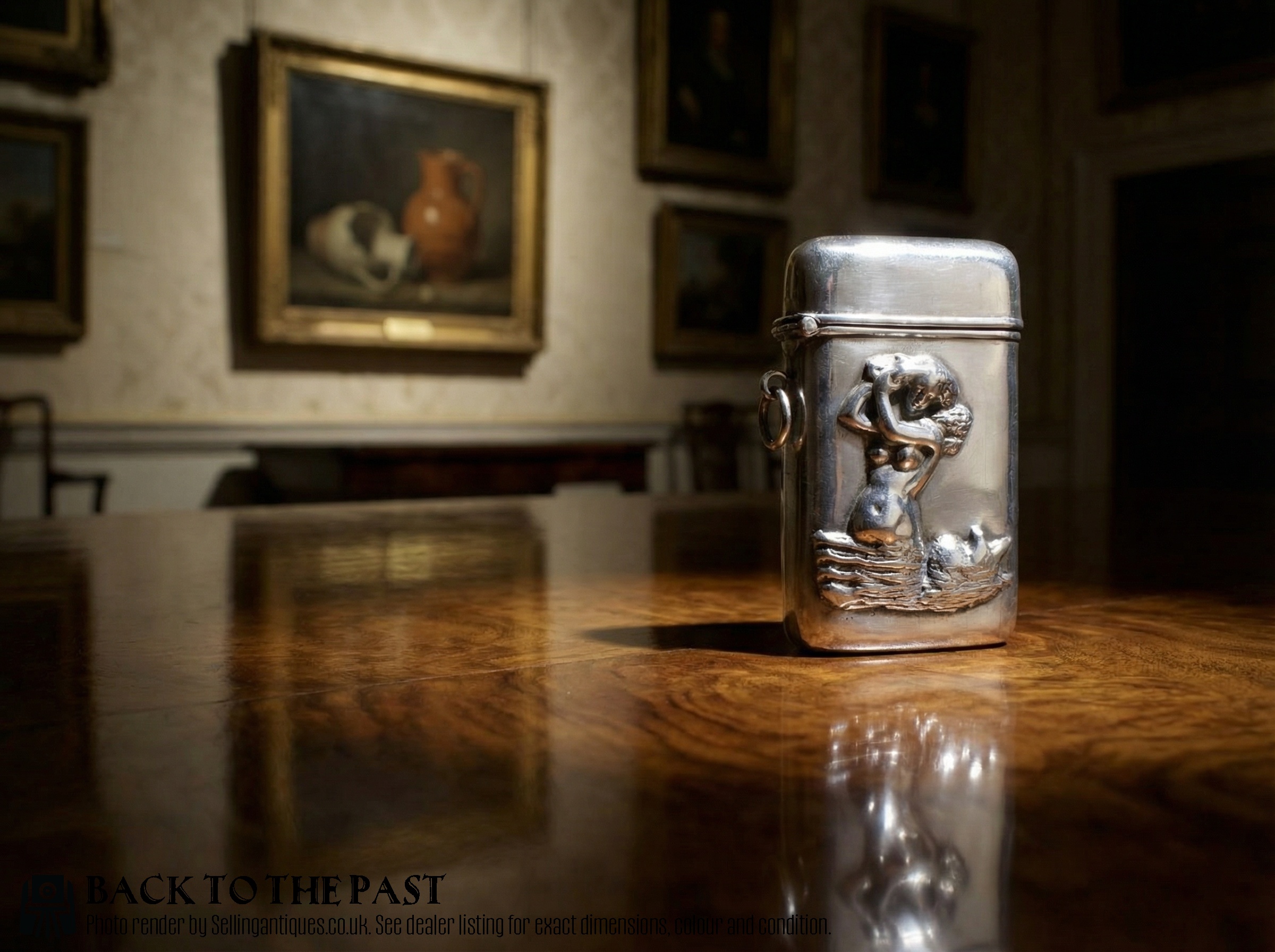
When you search for an antique silver pocket accessory, you encounter small personal containers and cases designed for everyday carry during the nineteenth and twentieth centuries. These items include match safes, card holders, and stamp envelopes manufactured to serve practical daily needs.
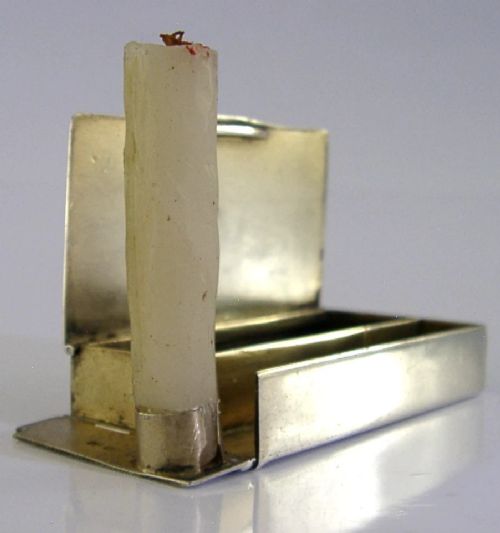
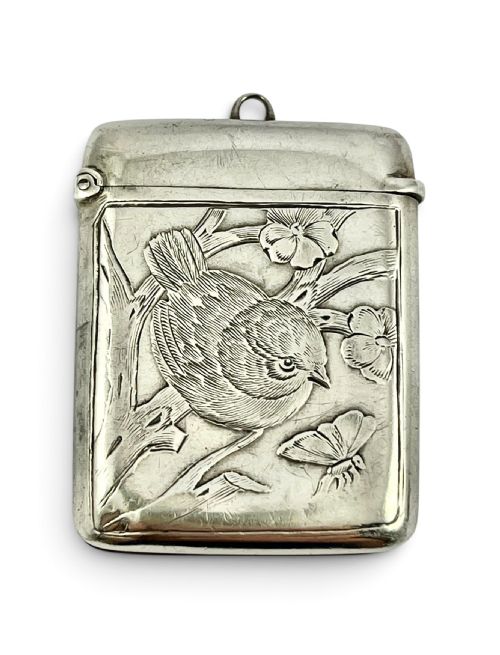
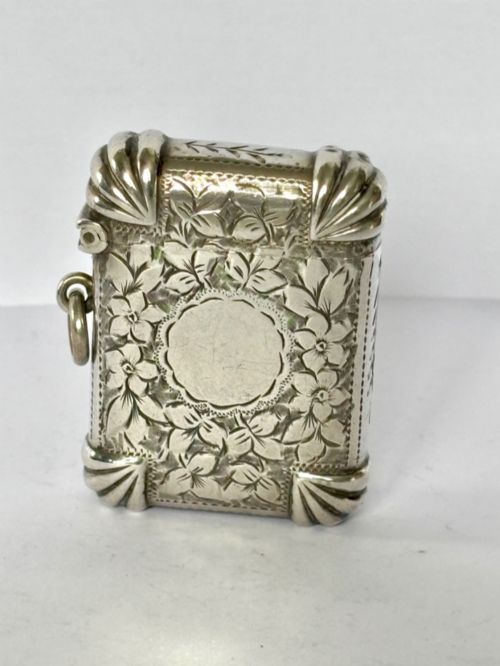
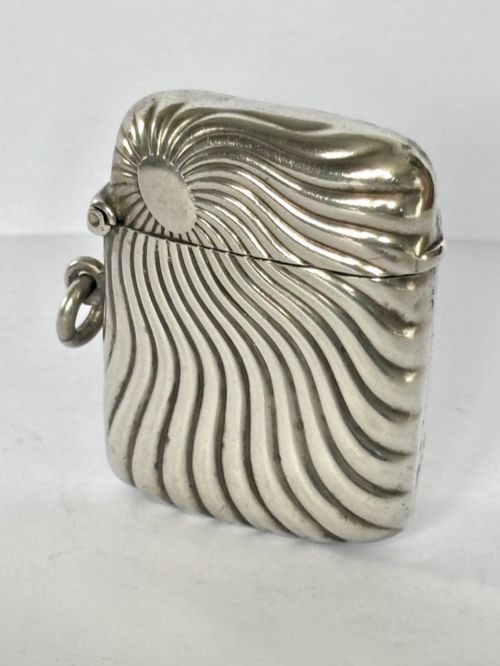
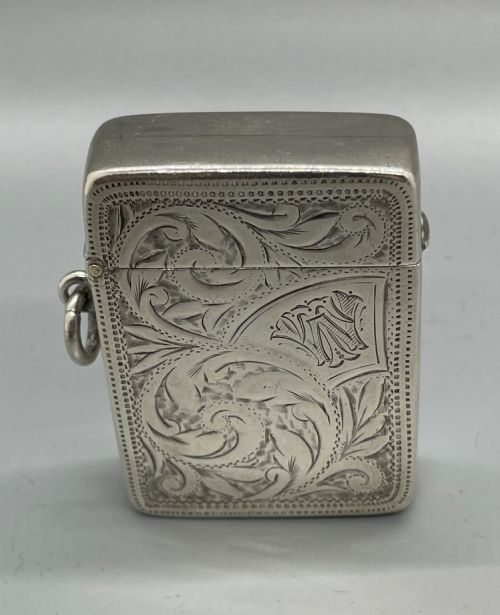
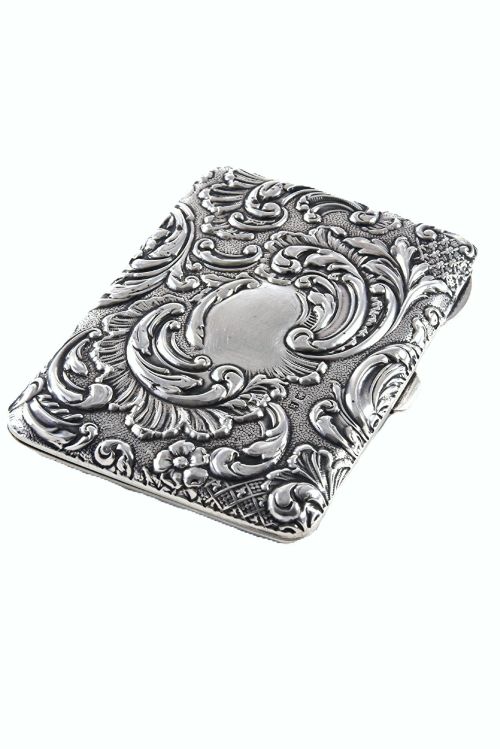
You are most likely to meet Victorian vesta cases on this page, as they form the bulk of the current selection. These small match safes often display intricate repousse work or novelty animal shapes like boars and elephants.
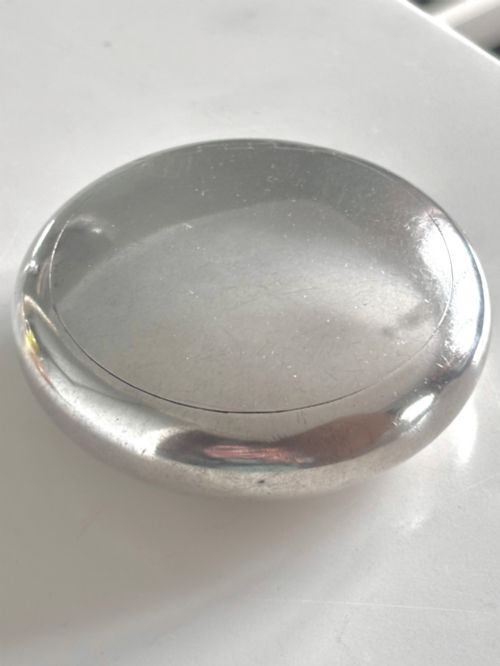
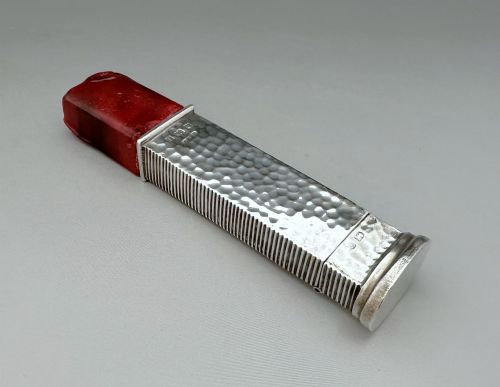
The inventory also extends to later periods, including George V sterling silver envelope stamp cases and Soviet Era cigarette cases. Card cases from the 1870s complete the range of pocket items available.
How they were made
These items rely on sterling silver and standard silver as their primary metal, shaped through techniques such as repousse and deep surface engraving. Metalworkers utilised stamping and hinged construction to create functional compartments, lids, and match-striking ridges.
Enamel provides decorative colour on specific pieces, fused directly to the silver base to create detailed depictions like pug dogs. Makers struck town and date hallmarks onto the metal surfaces to record the assay office and year of production.
Retail Price Guide 2026
Typical UK retail prices for silver pocket accessory, calculated from the Sellingantiques database of over a million retail prices indexed since 2003. This retail price guide relies exclusively on Sellingantiques data; no external sources or auction records are used, so the figures do not describe the wider market.
What varies in quality
The distinction between standard items and exceptional pieces rests upon the crispness of the engraved or repousse ornamentation. Crisp details on novelty animal forms, such as elephants or boars, indicate superior silversmithing compared to plain or heavily worn surfaces.
The integrity of applied enamel and the smooth operation of spring-loaded hinges or lids determine the overall standard of preservation. Pieces retaining clear hallmarks and undamaged decorative finishes occupy the upper tier of the selection.
EV PLEDGE & SON·ALBERT ERNEST JENKINS
The Antique Silver Pocket Accessory Glossary
- Vesta Case
- A small pocket container designed to hold matches and keep them dry. These items typically feature an integrated striking surface on the base.
- Repousse
- A metalworking technique where the silversmith hammers the design from the reverse side to form a raised relief on the front. This method creates tactile surface patterns on match cases.
- Hallmark
- An official stamp applied to precious metals to indicate purity, the maker, and the year of assay. These marks provide definitive evidence of origin and date.
- Aide Memoire
- A small memorandum book or card case equipped with a writing tablet or leaf to record notes. These pocket accessories often combine card storage with functional writing surfaces.
Frequently Asked Questions
What is a vesta case?
A vesta case is a small pocket container built to hold matches securely while preventing accidental ignition. They were essential personal items during the Victorian era.
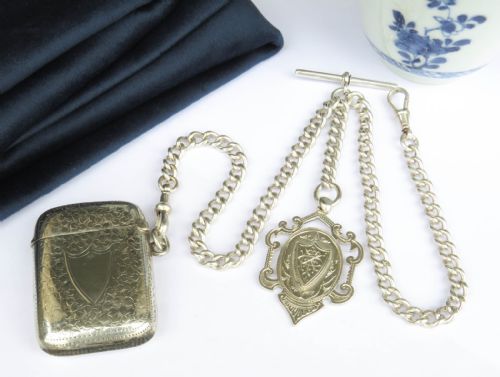
These cases usually feature a hinged lid and a striated panel on the bottom for striking matches. Their compact size allowed them to fit easily into pockets or attach to watch chains.
How do I date these silver pieces?
Dating silver items relies on the stamped hallmarks found on the metal body. These marks typically include assay office symbols, date letters, and maker initials.
Matching these stamped symbols against official assay records reveals the exact year and location of manufacture. Many pieces also display engraved presentation dates that offer clues to their history.
How were pocket card cases used?
Pocket card cases served to protect visiting cards from bending or soiling while owners made social calls. Exchanging cards was a strict etiquette requirement in the nineteenth century.
These slim containers were sized to hold paper cards neatly and often included internal compartments or aide-memoire leaves for notes. Their refined exterior finishes reflected the social standing of the owner.
Are these silver items suitable for daily use?
While these pieces remain structurally sound, modern use requires care to preserve their antique silver and delicate enamel surfaces. Frequent handling can wear down fine engravings and vintage hinges.
Collectors generally treat them as display objects or keep them carefully stored rather than carrying them daily. Proper storage prevents tarnishing and protects novelty shapes from physical damage.