
Silver Pocket Matchbox
A silver pocket matchbox, known to collectors as a vesta case, holds personal matches and protects them while carried in a waistcoat pocket.
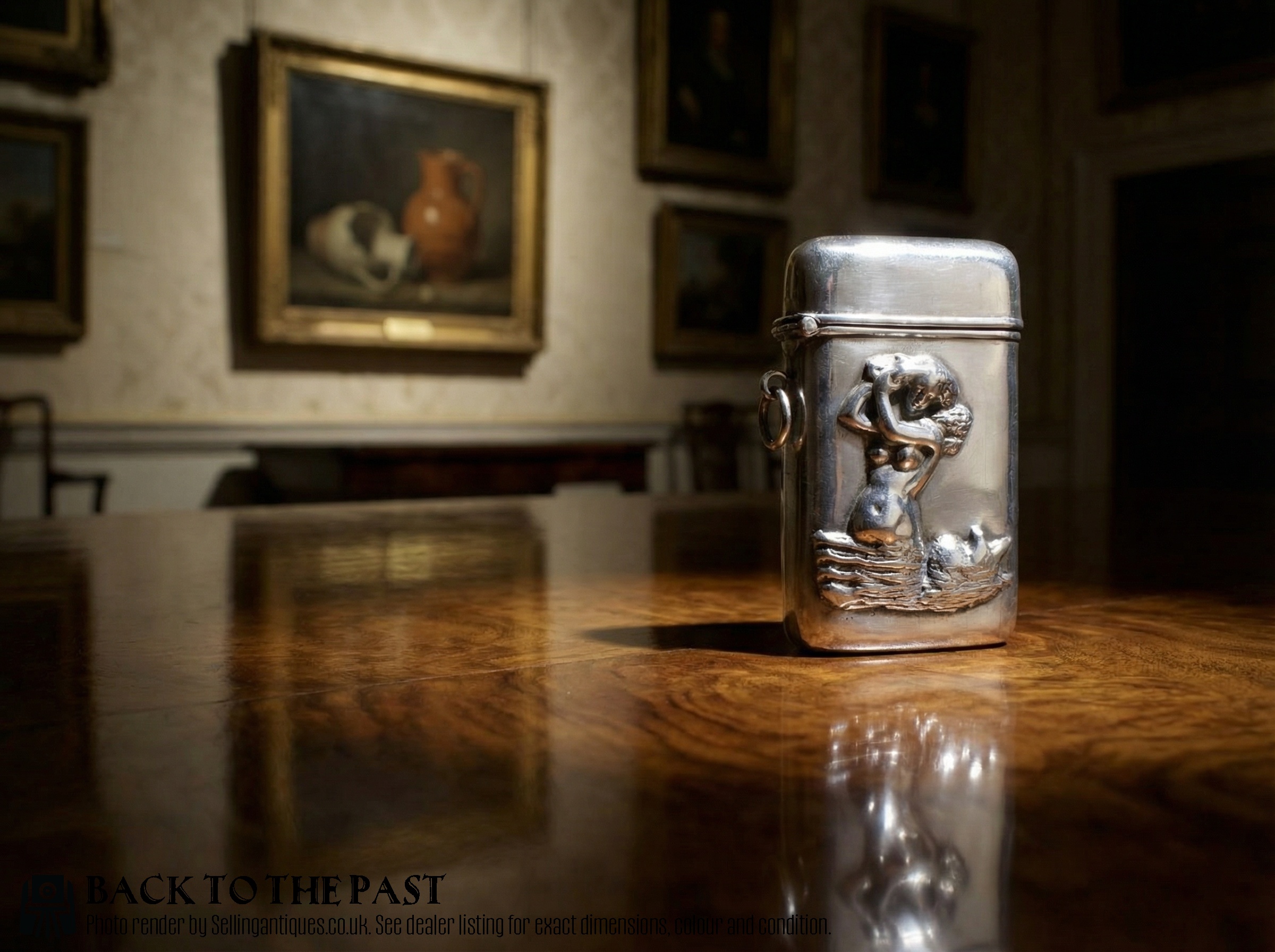
Silver Pocket Matchbox
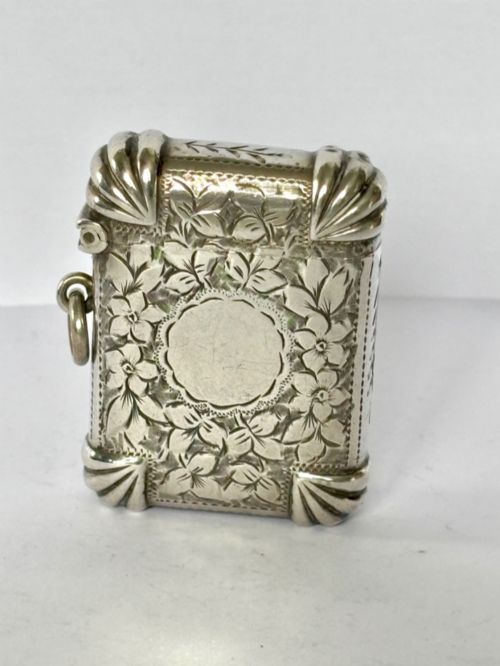
A silver pocket matchbox, frequently termed a vesta case, is a small metal container designed to hold safety matches and strike them on an integrated serrated panel. These pieces date principally from the Victorian and Edwardian eras, spanning the late nineteenth and early twentieth centuries, alongside George V examples.
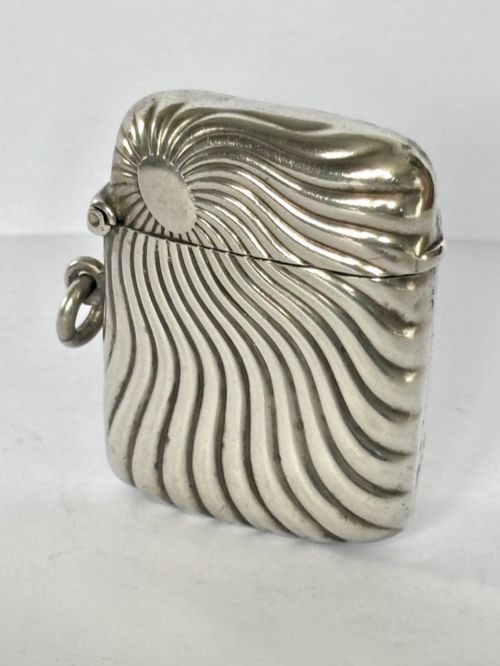
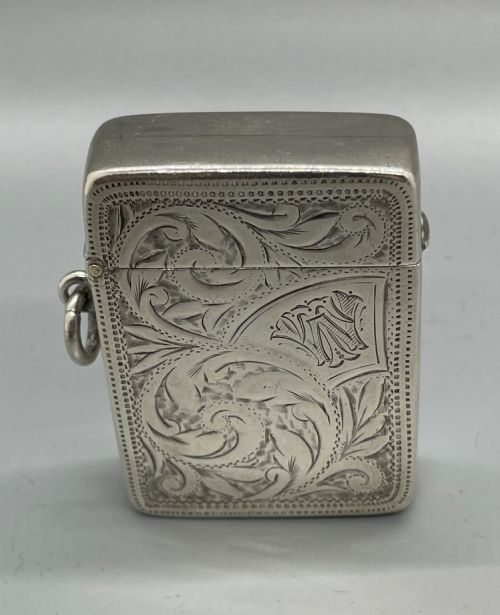
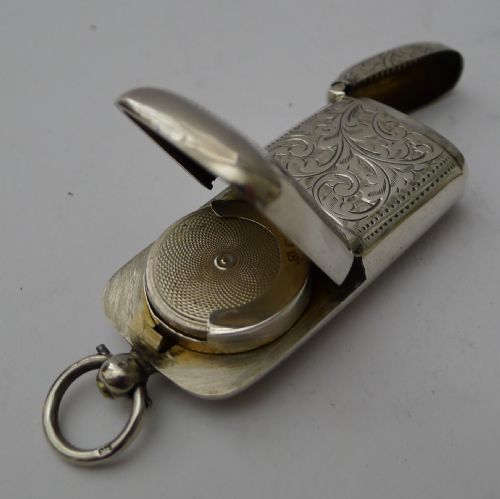
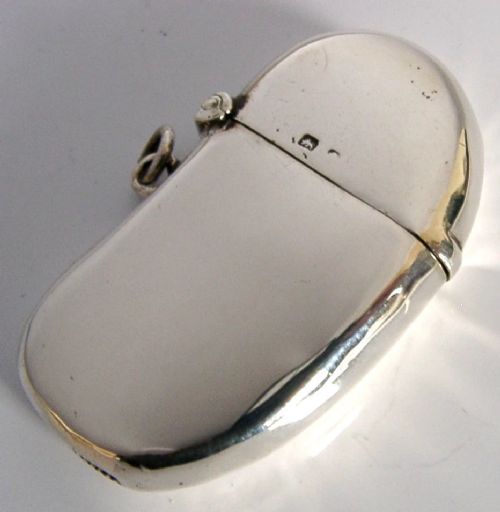
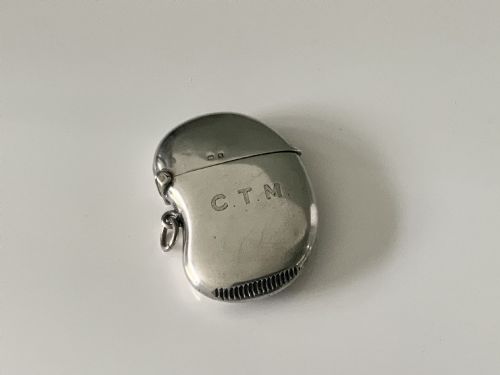
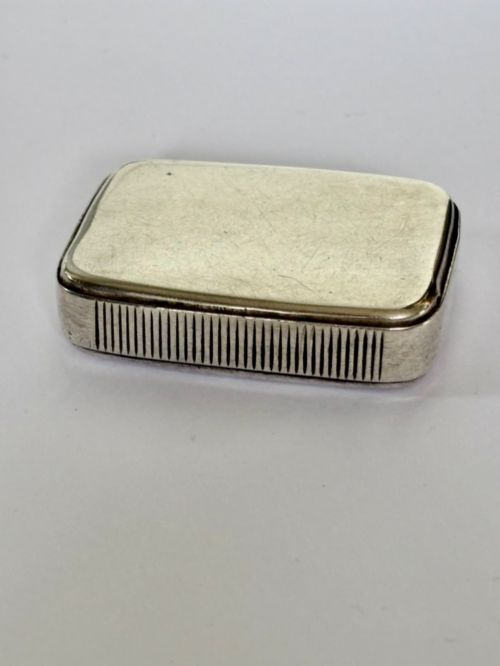
The standard form is a rectangular box with a hinged lid at the top or side, fitted with a suspension loop for attachment to a watch chain or chatelaine. Common variations include kidney shapes, round book matchbook boxes, and specialised combination items that integrate sovereign holders, stamp compartments, or writing wax.
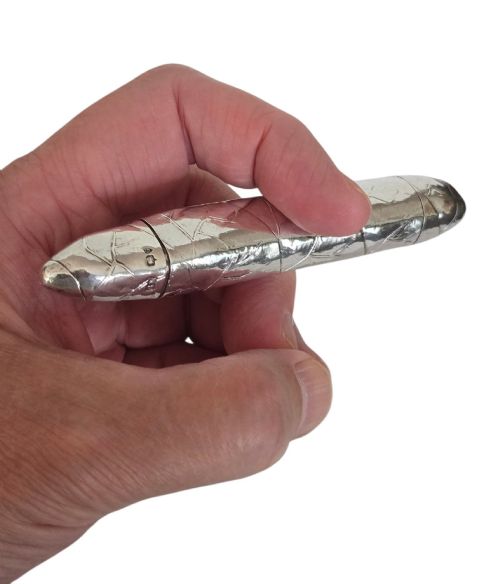
Novelty forms appear regularly, modelled as animals, figures, or objects such as sentry boxes and cigars. Most specimens originate from British silversmiths working in Birmingham, London, and Chester, though continental European 800 silver versions also occur.
How they were made
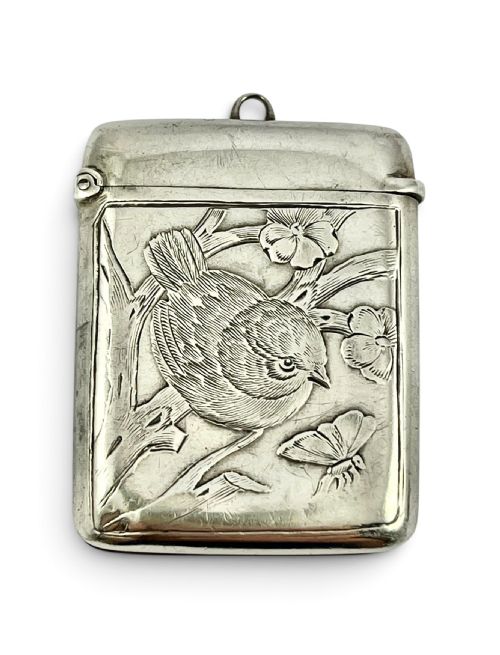
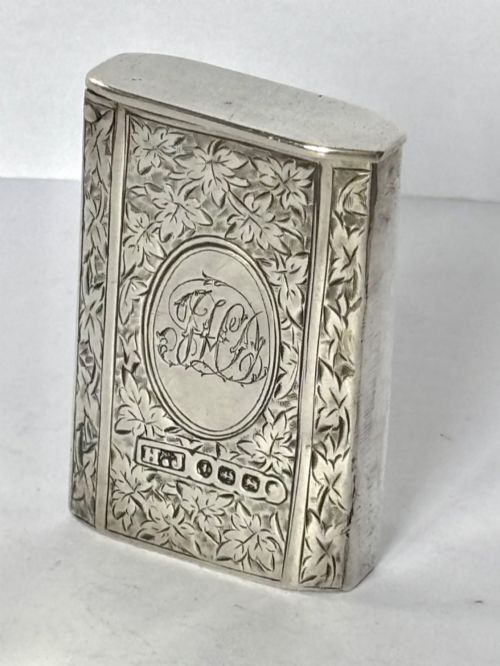
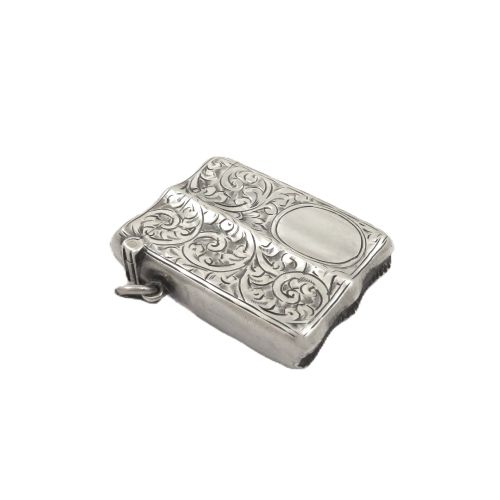
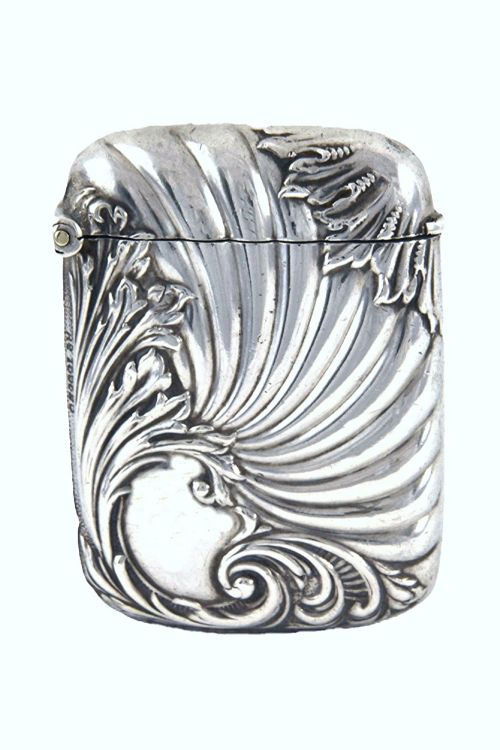
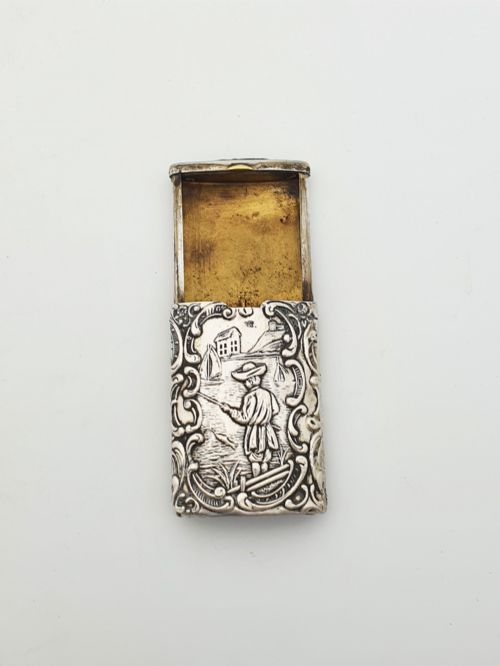
Silversmiths constructed these matchboxes primarily from sterling silver sheet, shaped by pressing, stamping, or folding. Elaborate surfaces received hand engraving, engine turning, or repoussé relief work depicting foliage, scenic views, or crests.
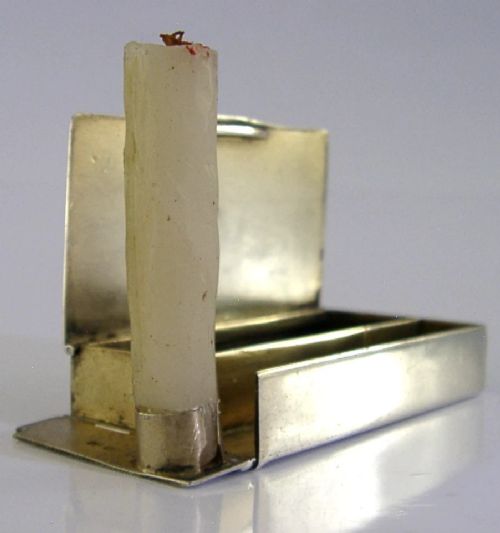
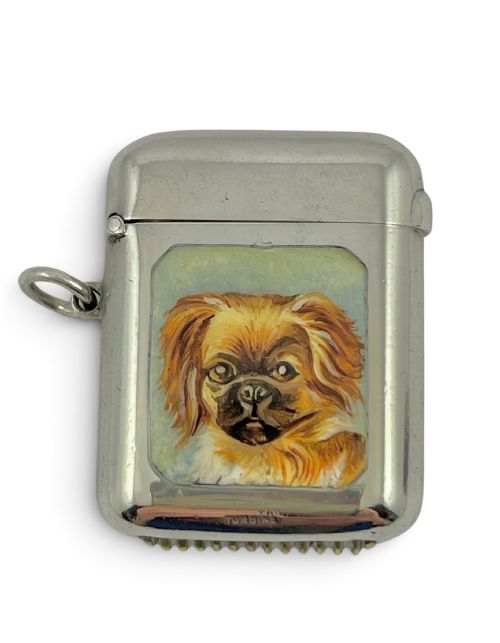
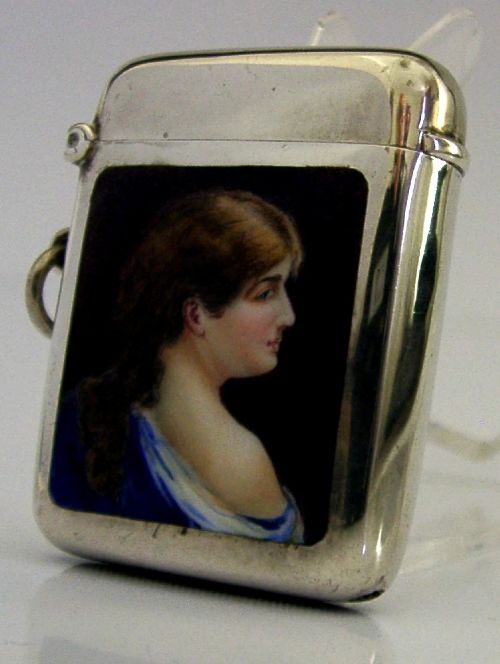
Many specimens incorporate vitreous enamel, hand painted with portraits, flowers, animals, or racing colours, bonded to the silver base through kiln firing. Interior gilt washes, known as vermeil, protected the metal from the corrosive sulphur content of early matches.
Silver Pocket Matchbox Retail Price Guide 2026
Typical asking prices for silver pocket matchbox among the pieces listed under this phrase on Sellingantiques today, from the lower quarter to the upper quarter. They describe what is for sale here now, not the wider market.
Silversmiths fashioned matchboxes as sleeping boars, pug dogs, jockey caps, and tiny sentry boxes to amuse the Victorian pocket.
What varies in quality
The distinction between standard production and top tier examples lies in the originality and complexity of the design. Standard matchboxes rely on machine engraved patterns, whereas superior pieces utilise hand painted enamel work, high relief novelty modelling, or multi functional combination mechanisms.
Maker attribution also dictates standing, with documented works by master silversmiths commanding greater interest. The crispness of the hallmark stamps and the precise alignment of the spring loaded hinge determine the structural integrity of the piece.
Howard James·EV Pledge And Son·Robert Chandler·Sampson Mordan And Co·A And J Zimmerman·William Neale·Robert Pringle·Minshull And Latimer·Alfred Clark·William Hair Haseler
The Silver Pocket Matchbox Glossary
- Vesta case
- A small pocket container designed to hold vestas, which were early matches tipped with phosphorus. They include a ribbed striking strip on the base.
- Sterling silver
- An alloy consisting of ninety two point five percent silver by mass, with the remainder being copper. British items display a lion passant hallmark to confirm this standard.
- Vermeil
- Sterling silver plated with a thin layer of gold on the interior or exterior surfaces. This technique provided a rich yellow appearance and protected the silver from tarnish.
- Hallmark
- A series of official marks stamped on precious metals in the United Kingdom. These indicate the maker, the assay office, the purity standard, and the year of production.
- Chatelaine
- A decorative belt hook worn from the waist with a series of suspended chains. Matchboxes were frequently hung from these alongside keys, watches, and sewing tools.
Silver Pocket Matchbox: Frequently Asked Questions
What is a vesta case used for?
A vesta case served to carry matches safely in a pocket before the widespread adoption of modern safety matchboxes. The rough textured base allowed the user to strike the match directly on the container.
Gentlemen and ladies carried them daily for lighting pipes, cigars, or candles while travelling or attending social events.
How do I identify a Victorian silver matchbox?
Victorian examples display British hallmarked date letters corresponding to the reign of Queen Victoria between eighteen thirty seven and nineteen oh one. Assay office marks for Birmingham, London, and Chester indicate the specific location of testing.
Stylistic cues also help, as Victorian pieces frequently feature ornate floral engraving, aesthetic movement motifs, or novelty animal forms.
How should I clean antique silver matchboxes?
Antique silver requires minimal intervention to preserve its natural patina and historical character. Gentle wiping with a soft, dry microfibre cloth removes surface dust without harming delicate engravings.
Harsh chemical dips or abrasive commercial polishes must be avoided, particularly on enamelled or gilt surfaces where the finish can be permanently stripped.