
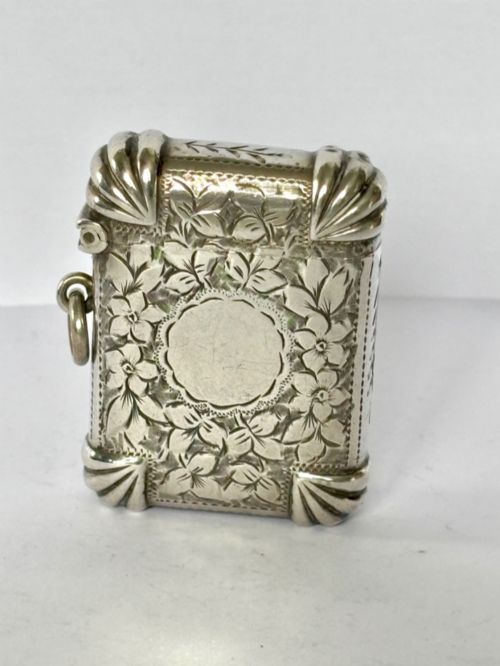
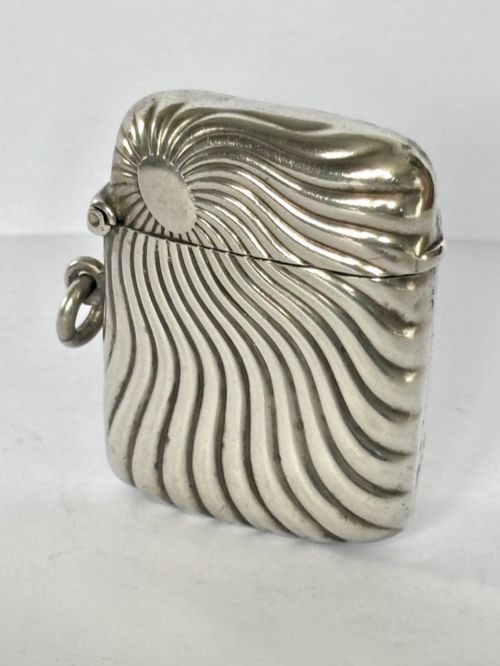
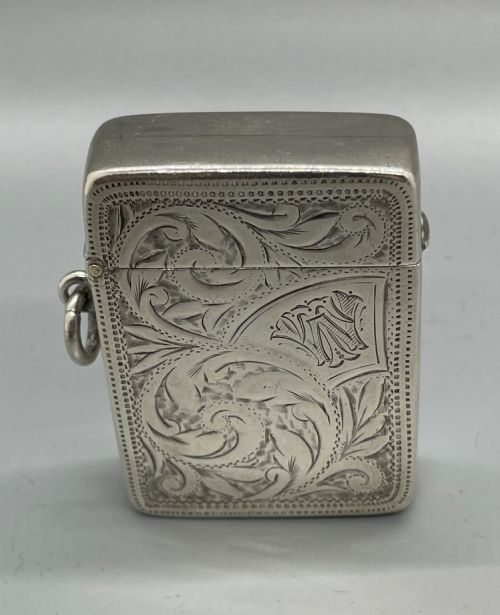
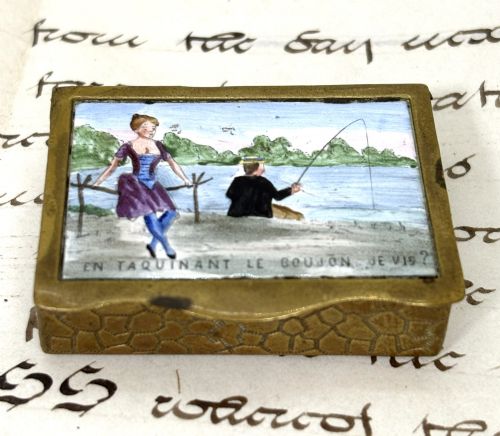
Pocket Match Safe
A pocket match safe is a sterling silver container designed to keep vestas dry and ready for use.
What they are
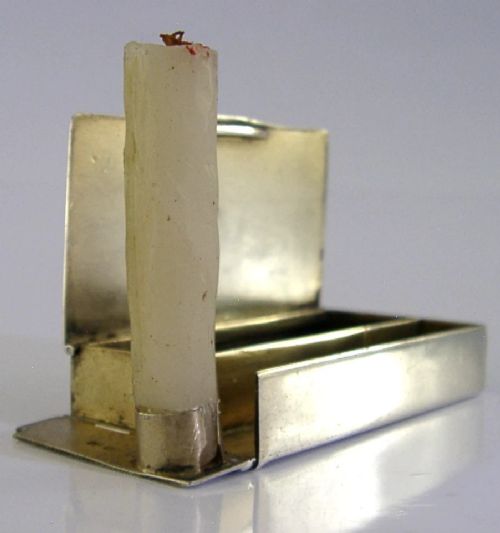
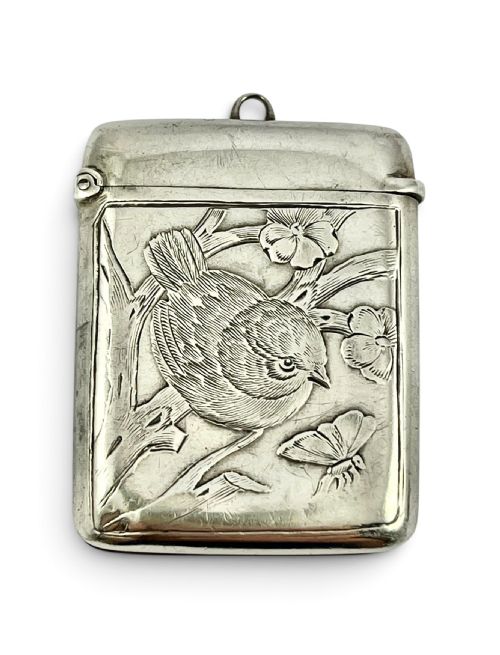
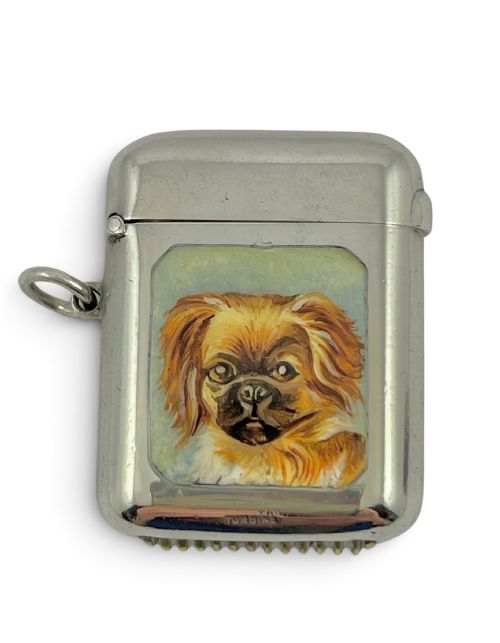
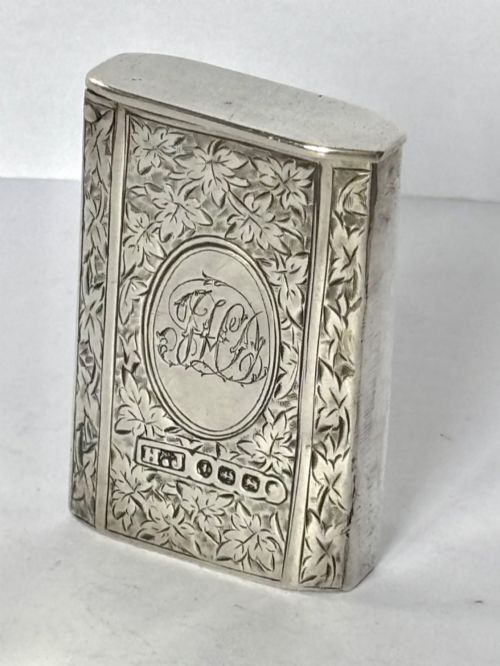
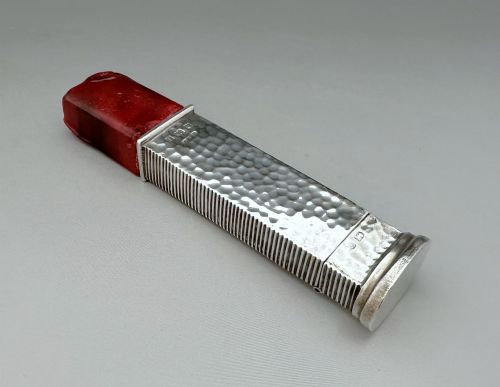
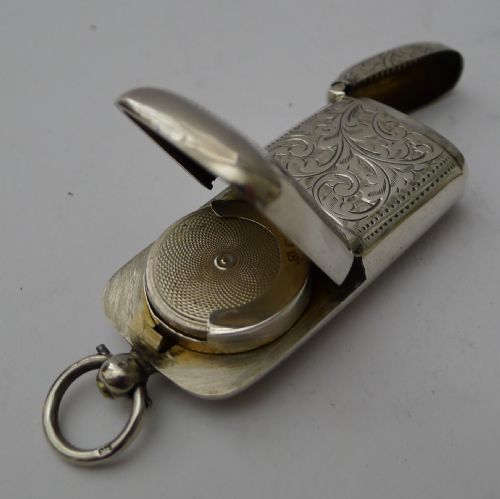
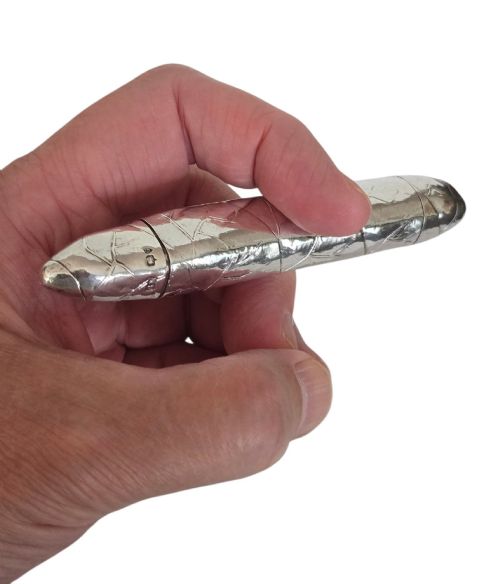
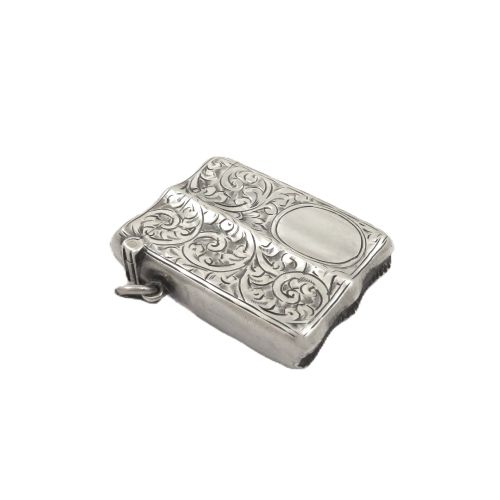
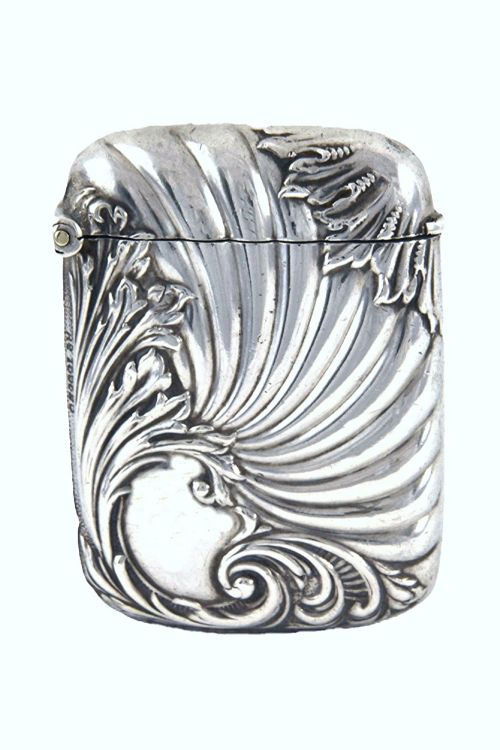
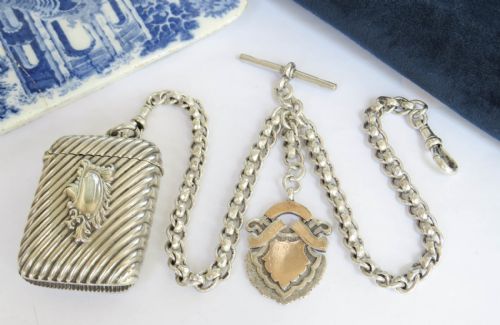
A pocket match safe, often called a vesta case, is a small sterling silver container designed to hold matches safely in a pocket or handbag. The selection on this page spans the Victorian and Edwardian periods, including pieces dated around eighteen eighty and nineteen ten.
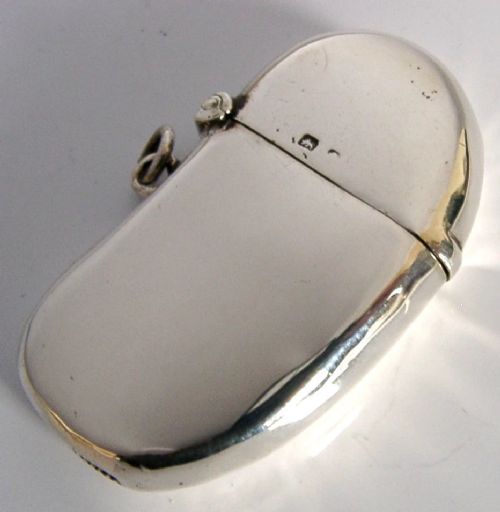
The forms vary from simple rectangular shapes to distinct silhouettes such as the kidney shaped vesta. These objects reflect the everyday habits of the nineteenth and early twentieth centuries when carrying matches was a daily necessity.
How they were made
These pieces are constructed from sterling silver, formed into sturdy containers designed to withstand daily handling. Makers utilised traditional metalworking techniques to shape the bodies and secure the hinged lids.
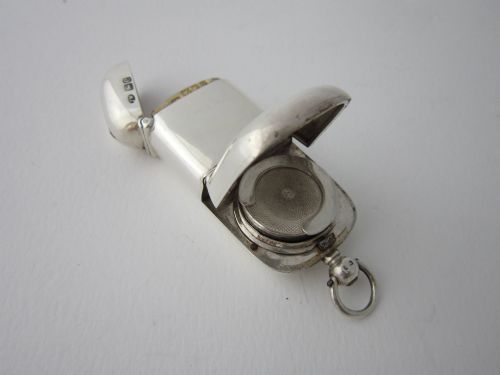
Assay office marks, such as those indicating Birmingham manufacture, are stamped directly onto the silver to record the year and origin. A striking strip is typically integrated into the base or side of the case for igniting vestas.
Retail Price Guide 2026
Typical UK retail prices for pocket match safe, calculated from the Sellingantiques database of over a million retail prices indexed since 2003. This retail price guide relies exclusively on Sellingantiques data; no external sources or auction records are used, so the figures do not describe the wider market.
A tiny integrated rough patch at the bottom lets you strike a match without ever fumbling in the dark.
What varies in quality
The distinction between standard examples and finer pieces lies in the crispness of the form and the precision of the silver smithing. A well executed kidney shaped vesta or a clearly hallmarked Birmingham piece demonstrates superior control over the metal.
Weight and balance also define the upper tier of these items, showing a substantial gauge of sterling silver rather than thin plate. The tightness of the lid hinge and the clarity of the maker or assay marks complete the assessment.
The Pocket Match Safe Glossary
- Sterling silver
- A standard alloy of silver comprising ninety two point five percent pure silver and seven point five percent other metals, usually copper, chosen for durability. This is the primary material recorded across all listed match safes.
- Vesta case
- A small portable box designed to hold safety matches, known as vestas, equipped with a striking surface. The terms pocket match safe and vesta case describe the same object type.
- Hallmark
- An official stamp applied by an assay office, such as the one in Birmingham, certifying the fineness of the precious metal and the year of production. These marks allow exact dating of Edwardian and Victorian pieces.
- Victorian
- The period of British history spanning the reign of Queen Victoria, running from eighteen thirty seven to nineteen zero one, which produced many of the surviving examples here.
Frequently Asked Questions
What is a pocket match safe?
A pocket match safe is a small metal container used to carry vestas securely in a pocket. They prevent matches from dampness or accidental friction.
Most examples from this selection are fashioned from sterling silver and date from the Victorian or Edwardian eras.
How do you use a vesta case?
The case opens via a hinged lid to reveal a compartment filled with short matches. Users strike the match against the textured bottom of the case.
Closing the lid extinguishes any remaining danger and keeps the unlit matches safely enclosed.
How do I date a silver vesta?
Dating relies heavily on the assay marks stamped into the sterling silver. Letters and symbols correspond to specific years and assay offices like Birmingham.
Stylistic cues such as the Victorian period or Edwardian production also help narrow down the decade of manufacture.
Are all match safes made of silver?
While various historical materials existed, the items recorded in this specific selection are exclusively sterling silver. This metal provided the ideal balance of strength and prestige for daily carriage.
Different periods favoured distinct decorative techniques upon this silver surface, ranging from plain polished finishes to shaped profiles.