

Edwardian Vesta Case
An edwardian vesta case is a pocket match holder that brought everyday reliability into the early twentieth century.
Edwardian Vesta Case
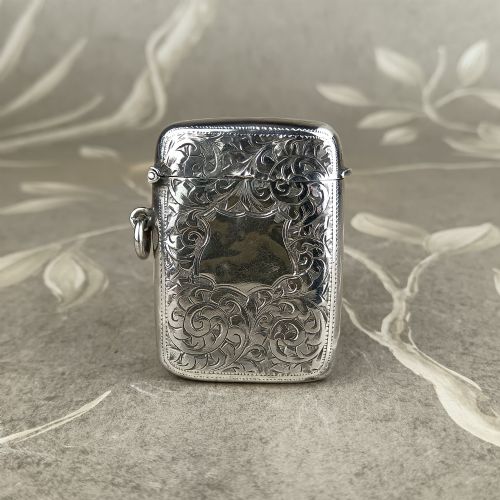
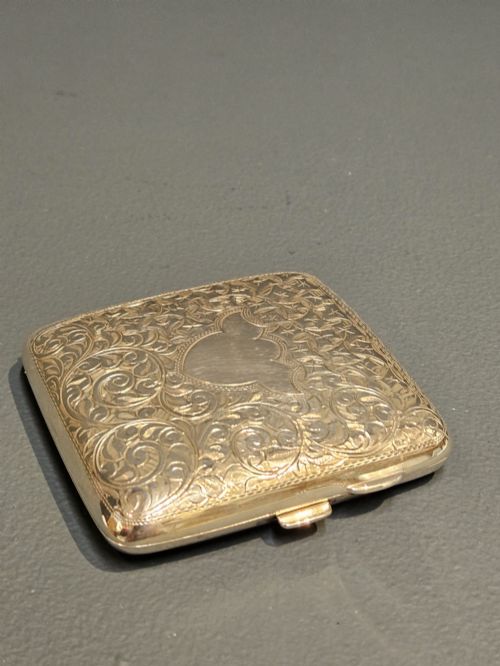
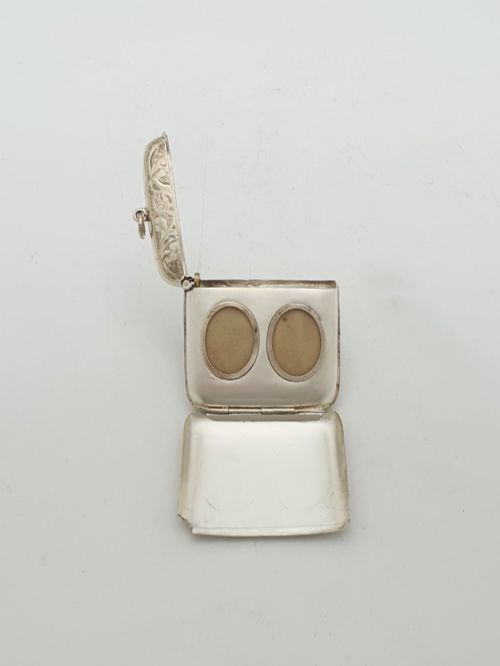
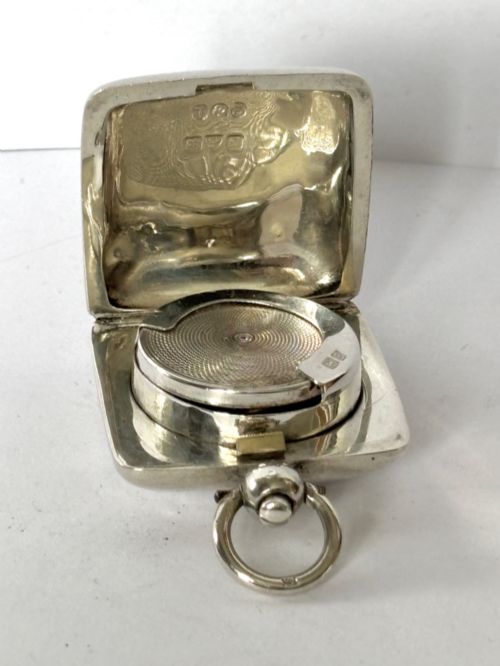
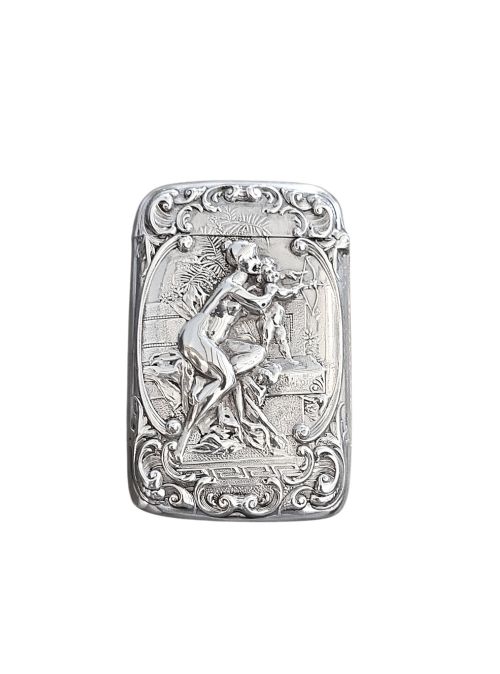
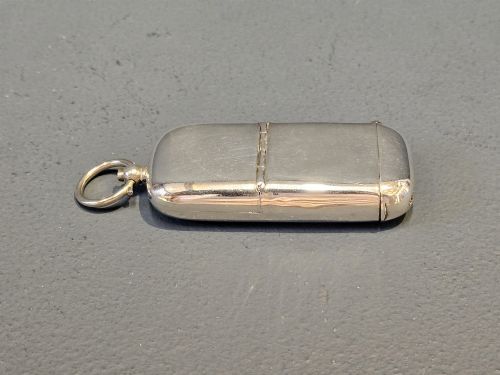
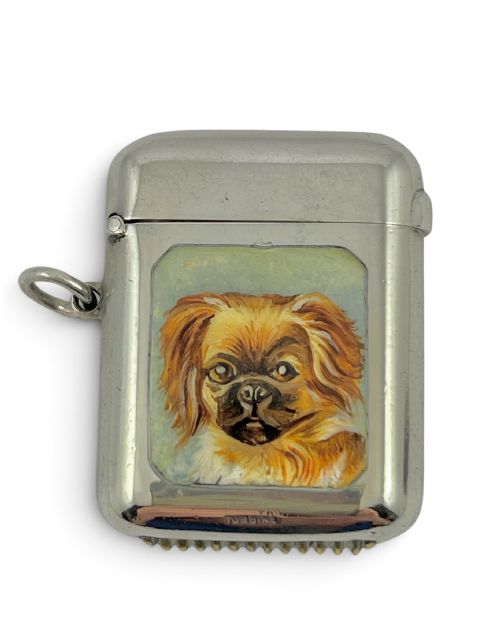
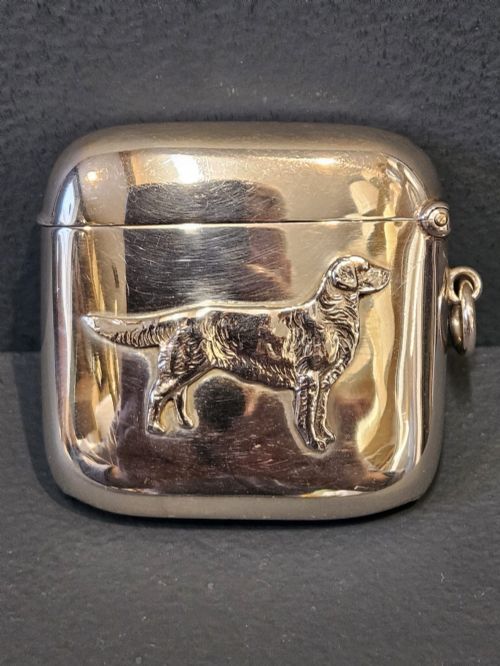
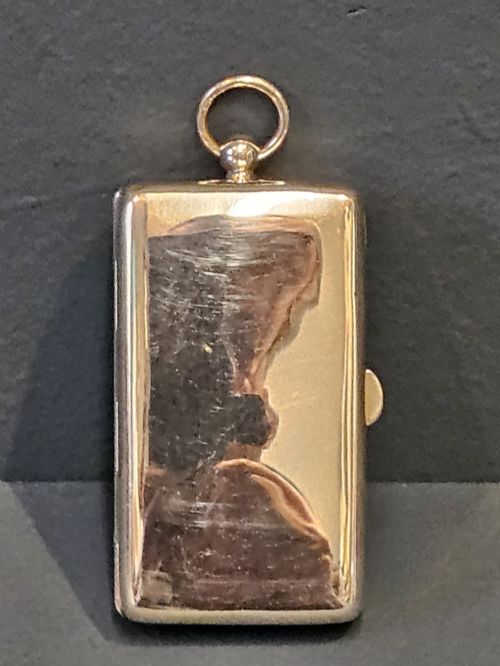
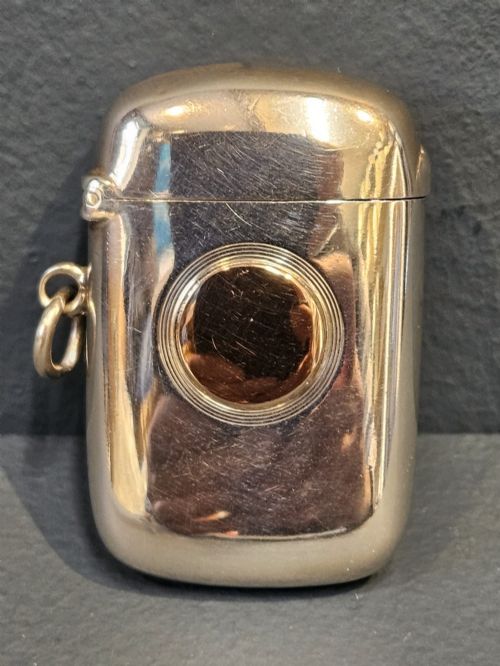
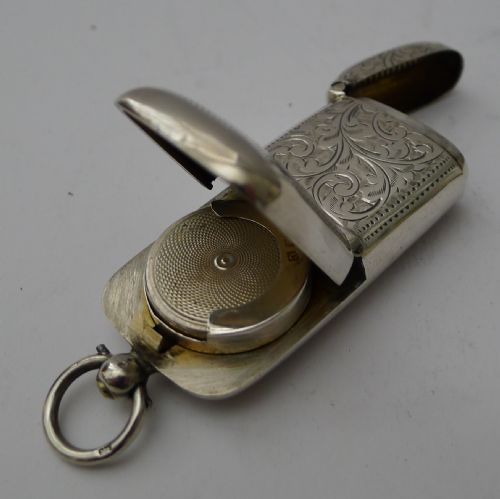
An edwardian vesta case serves as a portable container designed to protect matches and provide a striking surface for lighting them. Buyers searching this phrase encounter small pocket-sized containers predominantly from the early 1900s alongside related Victorian and George V pieces. Formats span standard rectangular boxes, round shapes, kidney forms, and novelty configurations shaped like animals or golf balls. Many examples integrate functional combinations, holding sovereign coins, stamps, sealing wax, or cigarettes alongside the match compartment.
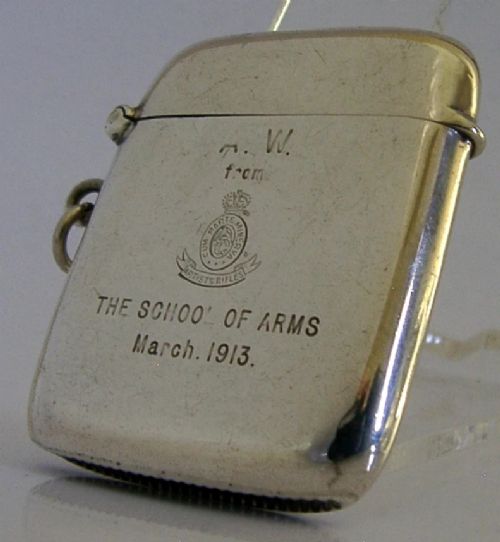
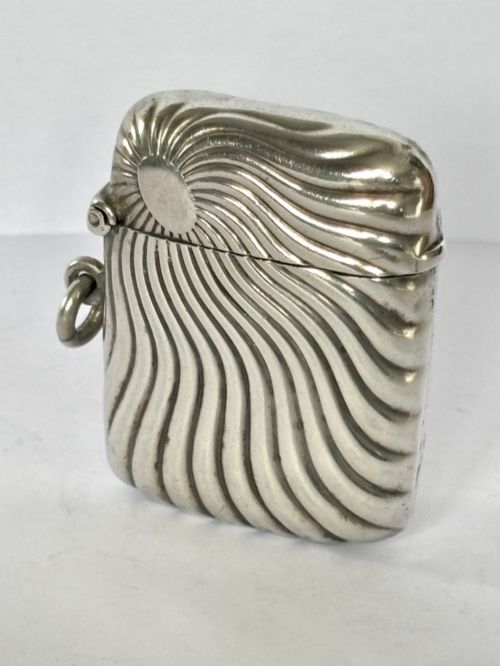
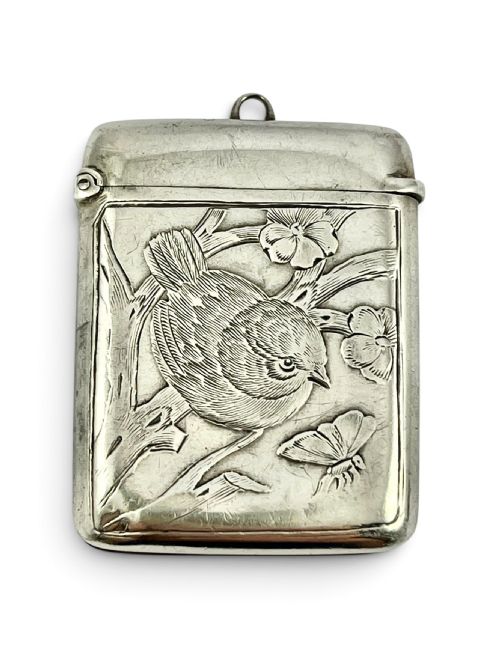
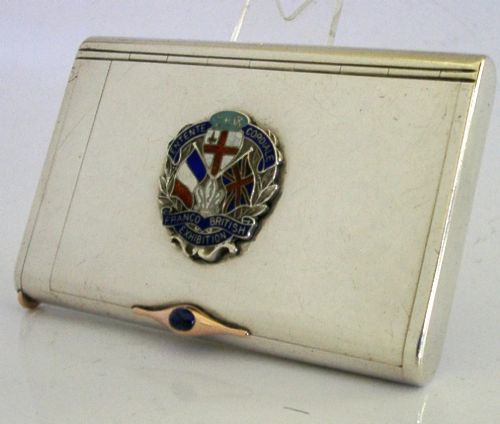
Most pieces on this page originate from English assay offices in Birmingham and Chester, bearing hallmarks from the opening decades of the twentieth century. Alongside simple engraved or sunburst silver designs, one finds pieces incorporating enamel crests, portraits, stones, and gold overlays. The assortment also extends to desk accessories and match strikers featuring textured glass or nickel-plated brass.
Makers ranged from specialist silversmiths to larger manufacturing firms producing utilitarian pocket items with artistic flair. Whether plain or embellished, each piece reflects the social habits of an era when pocket matches were a daily necessity.
How They Were Made
Sterling silver forms the primary structural material, shaped through pressing, stamping, and hand engraving. Silversmiths utilised hinged lids fitted with internal springs to keep matches secure until needed for striking.
Surface decoration involved vitreous enamel, gold overlays, and applied stones like granite and agate. Certain items incorporated textured glass bodies or nickel-plated brass to achieve specific utilitarian effects.
Edwardian Vesta Case Retail Price Guide 2026
Typical asking prices for edwardian vesta case among the pieces listed under this phrase on Sellingantiques today, from the lower quarter to the upper quarter. They describe what is for sale here now, not the wider market.
Listings feature sterling silver, gold, enamel, and granite across Edwardian and Victorian periods.
What Varies In Quality
The standard of an edwardian vesta case depends on the crispness of its chasing, the tightness of the spring hinge, and the preservation of any enamel work. Superior examples display clear hallmarks and balanced proportions without distortion to the metal body.
Complexity of form also dictates distinction, moving from plain engraved surfaces to uncommon novelty shapes or combination pieces housing coins and stamps. Integrated gold elements and hand-painted details elevate individual items above standard production.
Robert Chandler·Alfred Clark·J.B. Bennet·Sampson Mordan·William Hair Haseler·Brook & Sons·Sydney & Co·A & J Zimmerman·John Rose·Asprey London·Joseph Cook & Son·Ramsden & Carr·Joseph Cook·William Neale·Charles Lyster & Son·Stokes & Ireland·William Light·Joseph Gloster·Thomas Hayes
The Edwardian Vesta Case Glossary
- Vesta case
- A small pocket container designed to hold matches and feature an integrated striking surface. These items protected matches from moisture and friction.
- Hallmark
- An official stamp applied by an assay office to indicate metal purity, origin city, and year of manufacture. British silver examples typically show a lion passant and anchor or leopard head.
- Sovereign case
- A dedicated pocket compartment for holding British gold sovereign coins securely. Combination models paired this storage with a match vesta.
- Vitreous enamel
- Glass powder fused to metal under high heat to create colourful decorative surfaces. This technique added rich colour panels to silver bodies.
- Match striker
- A textured surface, often ridged metal or roughened glass, used to ignite safety matches. Many vestas incorporated these surfaces directly onto the base.
Edwardian Vesta Case: Frequently Asked Questions
What is a vesta case?
A vesta case is a small pocket box made to hold wax matches safely before the widespread use of safety matches. They kept matches dry and featured a textured striking area on the base.
These portable containers were carried daily in pockets or attached to watch chains as practical accessories.
How do I spot hallmarks?
Hallmarks are stamped directly onto the metal, usually near the rim or inside the lid. They show the standard of silver, the assay office town, and a date letter.
Magnification helps read these tiny stamped symbols to identify the exact year of manufacture.
What is a combination vesta?
A combination vesta includes extra compartments alongside the match holder for items like stamps, sovereign coins, or sealing wax. These multi-purpose pieces offered greater convenience for travellers.
Collectors prize these versatile examples for their mechanical ingenuity and uncommon configurations.
How were they carried?
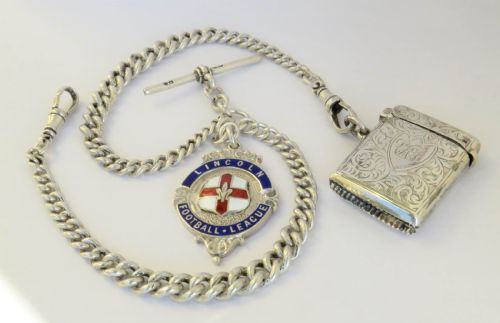
Owners slipped them into waistcoat pockets or attached them to watch chains and fobs using built-in suspension loops. This kept the matches readily accessible throughout the day.
Novelty shapes and heavy silver designs made them both functional tools and personal fashion statements.