




Antique Sovereign Holder
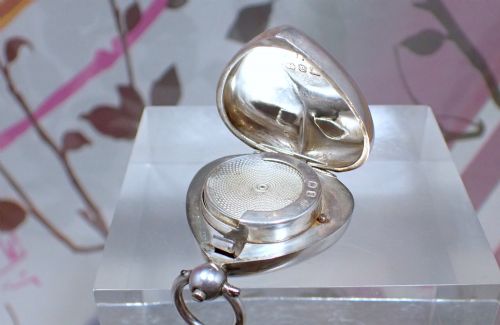
An antique sovereign holder carried the gold coin of the realm in the pocket or on a watch chain.
Antique Sovereign Holder
An antique sovereign holder is a small pocket container made to hold gold sovereign coins securely. Most pieces seen on this page date from the Victorian and Edwardian periods, stretching into the early twentieth century.
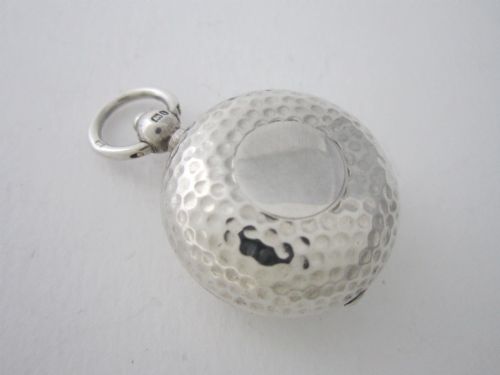
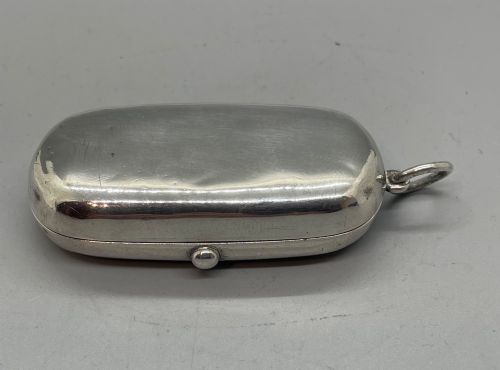
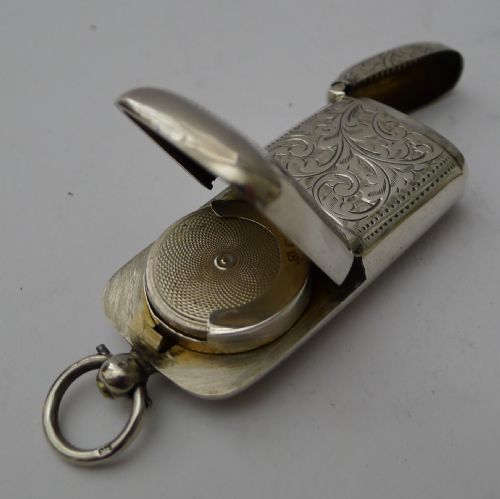
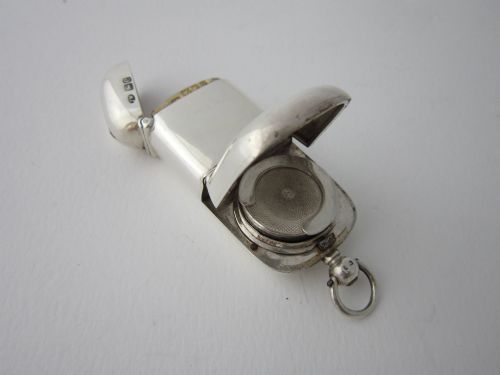
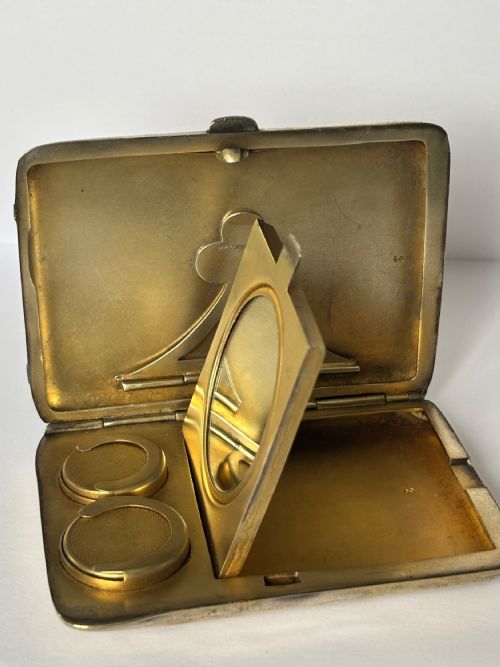
Collectors encounter single and double sovereign cases alongside combination pieces that pair the coin compartment with a vesta case for matches, a stamp holder, or a pencil. Forms range from round receptacles to heart shapes and golf ball styles.
The materials span sterling silver, silver gilt, and occasionally fruitwood or mahogany in treen forms. They connect directly to the daily cash transactions of the nineteenth and early twentieth centuries.
What varies in quality
The strength of the internal spring mechanism dictates daily utility, as a weak clip fails to secure the coin safely inside the case. Crispness in the maker marks and the depth of chased or engine-turned exterior decoration separate standard production items from finer workshop pieces.
Complexity of form also drives distinction, moving from simple single sleeves to double compartments and multi-function combination cases that integrate vesta storage or gilt interiors.
Golf ball style silver cases offered pocketsized sporting flair long before the clubhouse required it.
Aaron Lufkin Dennison·Henry Charles Freeman·Wright and Davies
The Antique Sovereign Holder Glossary
- Vesta case
- A small pocket container designed to hold matches and strike them on a textured base. Many sovereign holders combined this function into a single dual-purpose pocket accessory.
- Sterling silver
- A silver alloy containing 92.5 percent pure silver and 7.5 percent other metals, usually copper. This standard composition forms the majority of the silver cases found in these listings.
- Silver gilt
- Silver covered with a thin layer of gold on its exterior or interior surfaces. This technique gave cases a rich two-tone appearance.
- Hallmark
- An official stamp applied by an assay office to indicate the purity of a precious metal, the place of testing, and the year of manufacture. These marks provide the precise dating for silver pieces.
Antique Sovereign Holder: Frequently Asked Questions
How did people carry sovereign holders?
Owners typically attached these small cases to a pocket watch albert chain suspended across a waistcoat. Alternatively, they slipped them directly into a pocket or handbag.
The ring loop mounted to the top of the case connected securely to the chain links.
Do modern coins fit antique sovereign cases?
Standard sovereign holders were built precisely for Victorian and Edwardian gold sovereign and half-sovereign dimensions. Modern bullion coins of the same denomination generally fit the historical spring clips.
Variations in thickness between nineteenth-century strikes and modern minting can occasionally alter how tightly the internal clip holds the coin.
What is a combination sovereign case?
A combination case merges the coin compartment with other daily utility items such as stamp holders, pencils, toothpicks, or match vestas. These multi-purpose accessories reduced the number of separate items carried in pockets.
Victorian makers engineered clever internal divisions to pack several functions into a compact silver housing.
How do I date an unmarked silver case?
Official silver hallmarks stamped into the metal provide the most reliable guide, showing assay office symbols and date letters. Stylistic clues such as Art Deco geometric lines or Victorian chased flora also point toward specific decades.
Without hallmarks, comparison with documented pieces by makers like Aaron Lufkin Dennison helps narrow the period of manufacture.