


18th Century Silver Tableware
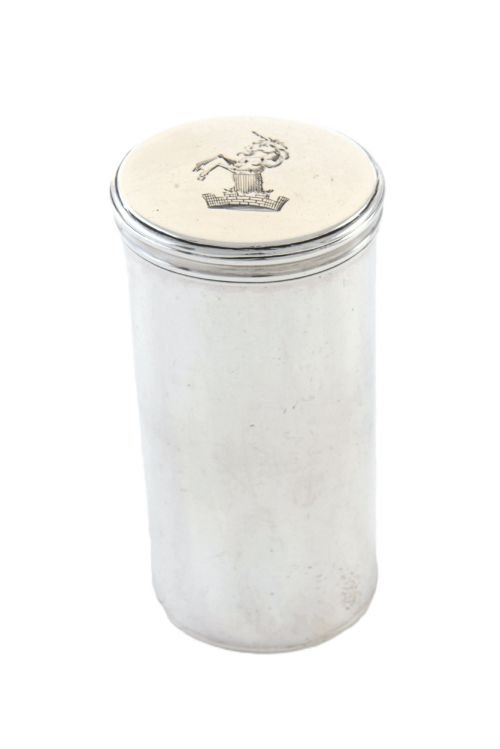
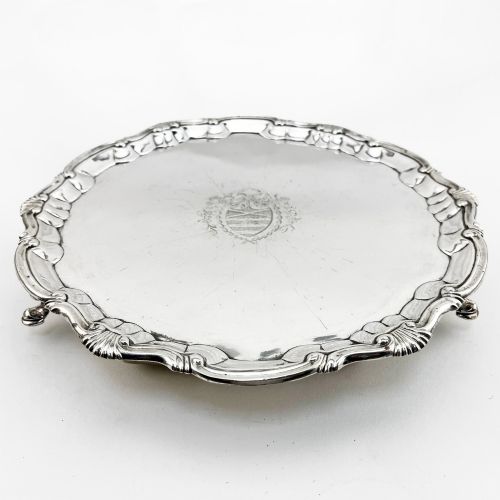
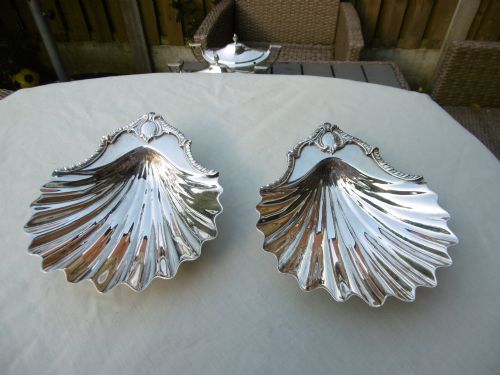
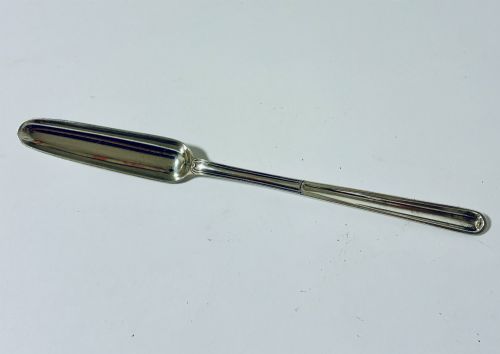
These pieces of 18th century silver tableware bring genuine Georgian craftsmanship and historic utility straight to the modern dining table.
What 18th Century Silver Tableware Is
When you search for 18th century silver tableware, you encounter authentic Georgian dining items designed for functional service at the table. The selection typically comprises small domestic implements and vessels created to handle sugar, salt, and sauces during formal meals.
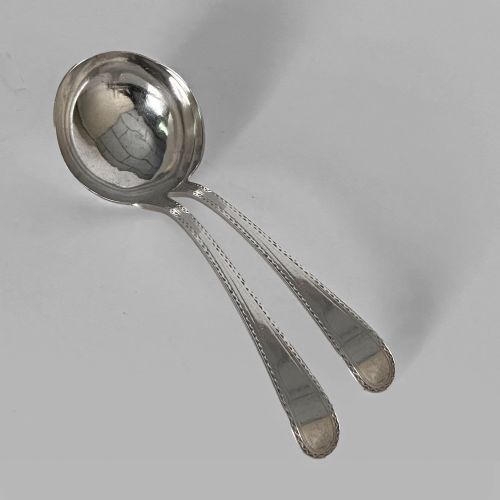
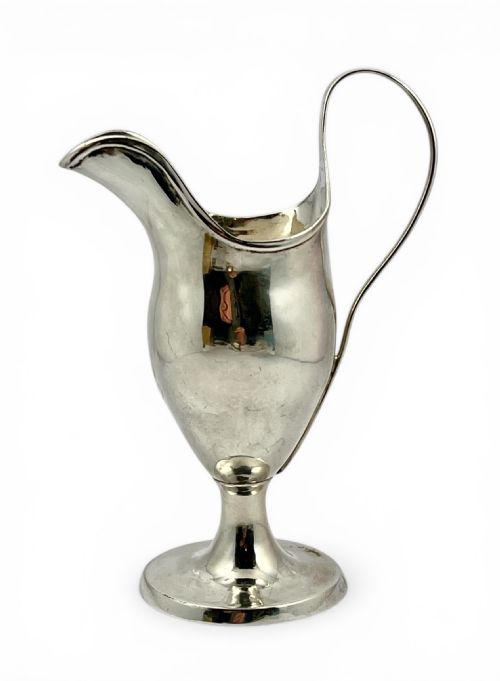
The pieces most frequently met on this page include specialised serving utensils and small vessels such as sugar nips, sauce boats, and salt cellars. These items reflect the specific culinary habits of the Georgian period, where table service involved distinct silver pieces for individual condiments and additions.
How They Were Made
Makers fashioned these items using solid sterling silver, often working in London workshops during the Georgian era. The manufacturing process relied entirely on traditional silversmithing techniques, including hand-raising, casting, and soldering to shape vessels and functional tools.
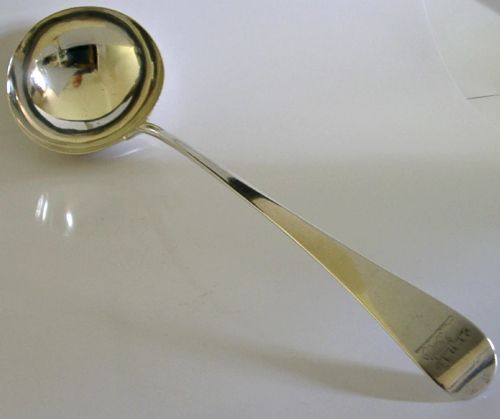
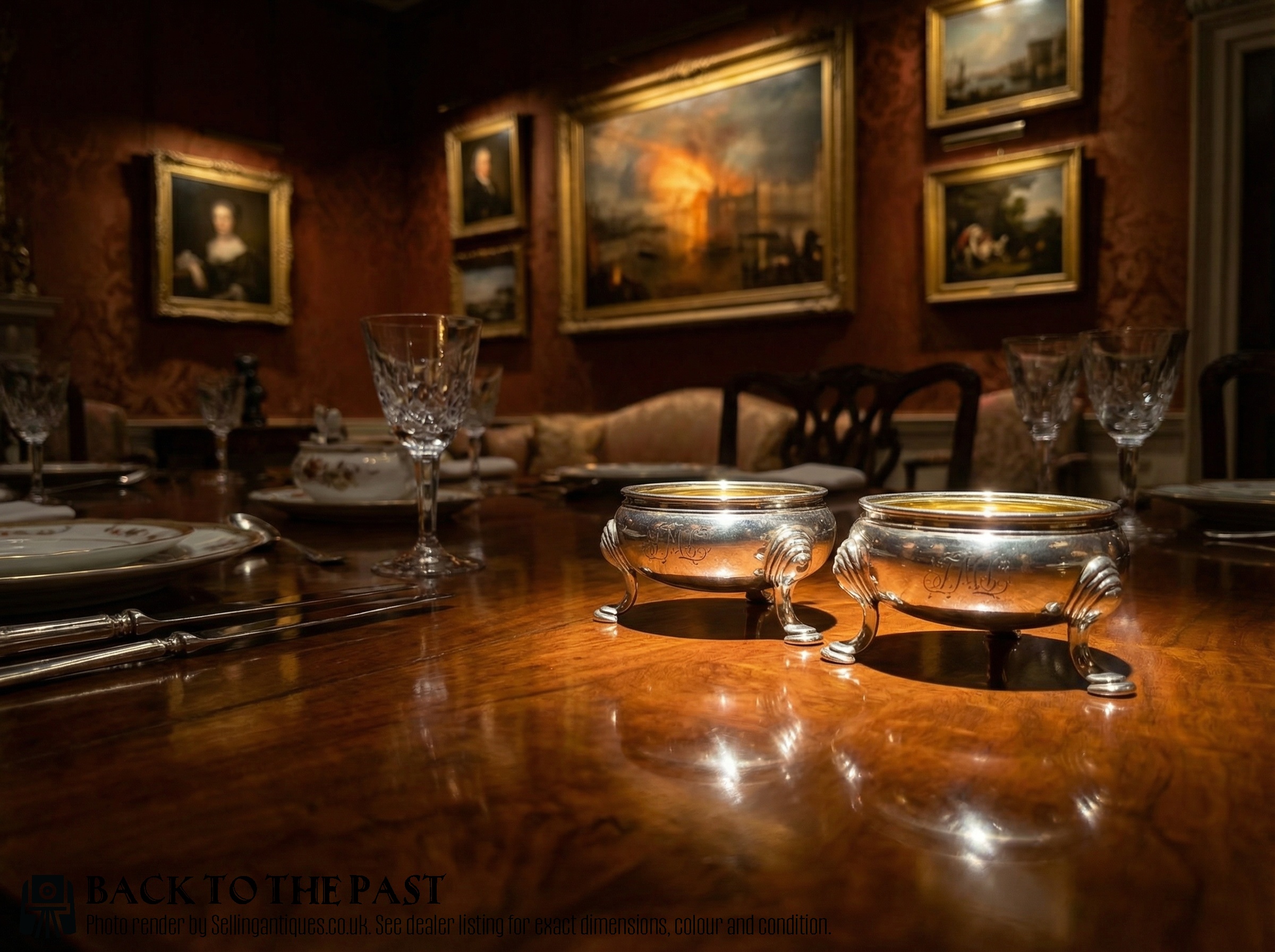
Selected pieces incorporate gold gilt highlights alongside standard sterling silver surfaces. This decorative application involved brushing liquid gold over the silver base to create a rich contrasting finish inside bowls or across specific details.
Georgian dining etiquette required specialised sugar nips because sugar was bought in solid hard loaves that needed actual carpentry at the table.
What Varies in Quality
Quality rests heavily on the clarity of the maker's mark and the crispness of the original hand-finished details. Pieces that retain sharp edges on chased decoration and clear assay office stamps stand apart from those softened by excessive polishing.
The proportional balance of the vessel or utensil dictates its visual success on the table. Skilled silversmiths achieved harmonious curves and balanced weight distribution, whereas lesser examples often appear rigid or clumsy in construction.
Thomas Tookey·Edward Wood
The 18th Century Silver Tableware Glossary
- Sterling Silver
- A standard alloy composed of ninety-two point five percent silver and seven point five percent other metals, primarily copper, chosen for durability in tableware. This composition provides the bright reflective surface seen on Georgian dining pieces.
- Sugar Nips
- A specialised scissor-action implement designed to cut and serve sugar loaves before the widespread adoption of refined sugar granules. These domestic tools often feature delicate pierced arms and shell grips.
- Sauce Boat
- An open container with a pouring spout and handle, used for serving gravies and liquid condiments at the dining table. Georgian examples frequently stand on three short feet or an integrated oval foot.
- Salt Cellar
- A small open bowl used to hold granular salt at individual places or shared along the dining table before the invention of the shaker. These vessels often feature gold gilt interiors to protect the silver from the corrosive nature of salt.
Frequently Asked Questions
How do I clean antique silver tableware?
Use a soft cloth and specialised silver polish designed to remove tarnish gently without abrading the metal surface. Avoid harsh chemical dips that strip away the natural patination built up over centuries.
Wash the pieces in warm soapy water immediately after polishing, and dry them thoroughly with a lint-free cloth. Proper storage in anti-tarnish rolls helps maintain the finish between uses.
Can I use these pieces for daily dining?
Sterling silver is durable enough for regular use, provided you handle the items with care and hand wash them gently. Many collectors enjoy incorporating Georgian tableware into modern dinner parties to experience their original function firsthand.
Keep in mind that delicate mechanisms like sugar nips require gentle handling compared to modern stainless steel utensils. Avoid placing any antique silver in an automatic dishwasher.
How do I identify the date of a piece?
Look for the series of small stamped hallmarks usually found on the underside or rim of the vessel. These marks typically include a maker's mark, a lion passant indicating sterling standard, a leopard's head for London manufacture, and a date letter.
Reference tables of Georgian hallmarks allow you to match the specific shape of the date letter to the exact year of production. The presence of a reigning monarch's profile stamp can also help narrow down the period.
What is the purpose of gold gilt?
Gold gilt, or vermeil, was applied to the interior surfaces of silver vessels such as salt cellars to prevent the corrosive salt from pitting the underlying sterling silver. This decorative and protective layer adds a warm golden contrast to the bright exterior metal.
The technique involved applying a mixture of gold and mercury and heating it until the mercury evaporated, leaving a thin bonded gold coating. Over centuries, some of this gilding may show light thinning from use.