




Silver Plated Sweetmeat Dish
These silver plated sweetmeat dish examples bring table elegance, combining silver plate and coloured glass for serving confectionery.
Silver Plated Sweetmeat Dish
A silver plated sweetmeat dish is a table serving vessel designed for sweet treats, confectioneries, and dry sweetmeats. Buyers searching for a silver plated sweetmeat dish encounter forms spanning the Victorian and Edwardian eras, alongside pieces attributed to the eighteenth century.
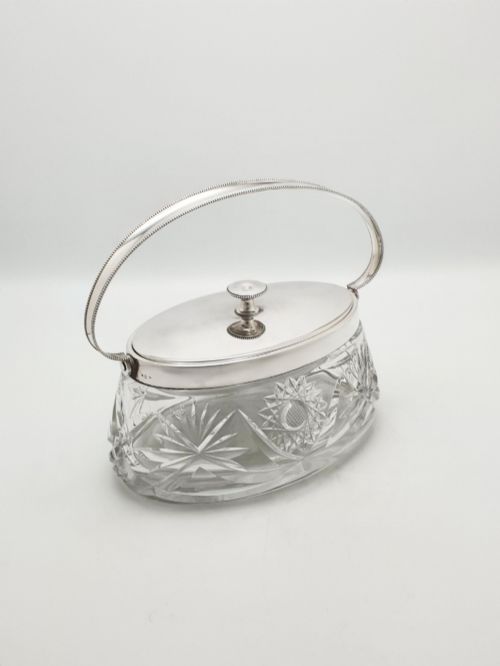
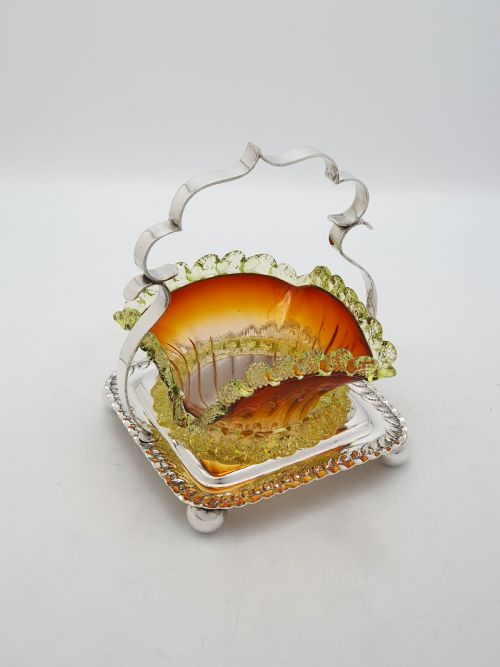
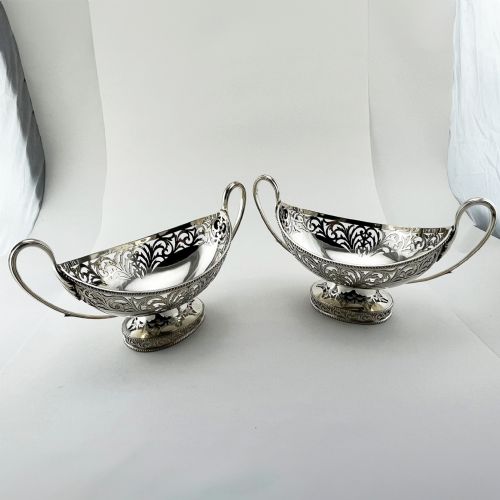
The pieces listed on this page encompass various configurations, including handled baskets, pierced stands, and vessels paired with coloured glass liners. Forms range from simple bonbon dishes to larger centrepieces and double heart-shaped tableware.
How They Were Made
Maker workshops utilised base metals coated with silver plate, occasionally employing Old Sheffield plating techniques on earlier items. Piercing and casting methods created openwork frames intended to hold removable glass inserts.
Vessels incorporated contrasting materials such as cut glass, amber glass, ruby glass, cranberry glass, and pink opaque glass. Some designs featured internal gold wash finishes to complement the exterior silver plating.
Silver Plated Sweetmeat Dish Retail Price Guide 2026
Typical asking prices for silver plated sweetmeat dish among the pieces listed under this phrase on Sellingantiques today, from the lower quarter to the upper quarter. They describe what is for sale here now, not the wider market.
Listings feature items from the eighteenth century through the Victorian and Edwardian periods, executed in silver plate, copper, and glass.
What Varies In Quality
The distinction between standard production items and finer examples rests upon the crispness of casting and the complexity of piercing work. Substantial weight in the metal framework and substantial gauge in the silver plating indicate superior manufacture.
The quality of the accompanying glass liner contributes significantly to the overall piece. Hand-blown or deeply cut coloured glass liners that fit the metal frame precisely elevate the standing of the object.
WMF·Thomas Bradbury·Dr Christopher Dresser·Roberts and Belk·Mappin & Webb·James Deakin
The Silver Plated Sweetmeat Dish Glossary
- Sweetmeat
- A small confection, sweet, or dry fruit served after dinner. These dishes were specifically manufactured to hold such delicacies.
- Old Sheffield Plate
- An early fusing technique where a sheet of silver is fused to a thicker copper ingot. This method predates modern electroplating.
- Bonbon Dish
- A small open vessel intended for holding sugar-coated sweets or bonbons. They frequently feature swing handles or pierced galleries.
- Jugendstil
- The continental European manifestation of Art Nouveau, characterised by flowing organic lines. Pieces in this style reflect fin-de-siècle design principles.
- Gold Wash
- A thin layer of gold applied to the interior surface of a silver or silver-plated vessel. This process prevented acidic foods from tarnishing the metal.
Silver Plated Sweetmeat Dish: Frequently Asked Questions
What were silver plated sweetmeat dishes used for?
These dishes served small confectionery items, nuts, and sweetmeats during formal dining and drawing-room gatherings. They functioned as tabletop presentation pieces for after-dinner treats.
Hosts passed them among guests or placed them centrally on tables to be admired alongside other serving tableware.
How do I care for a silver plated sweetmeat dish?
Maintain the surface by cleaning gently with appropriate silver creams and soft cloths to preserve the plating. Avoid abrasive materials that can wear away the silver layer over time.
Wash glass liners separately in warm soapy water and dry thoroughly before placing them back into the metal frame.
How can I tell the period of a sweetmeat dish?
Examine the overall design style, such as heavy Victorian cast ornamentation or flowing Art Nouveau lines, to determine the likely era of manufacture. Maker marks and stamps stamped onto the base also provide reliable chronological markers.
Structural techniques, including the presence of Old Sheffield plating versus later electroplating, further help date the object.
Why do some dishes include coloured glass liners?
Coloured glass liners provided a decorative visual contrast against the reflective silver plated framework. Tones like ruby, cranberry, amber, and pink added vibrancy to the dining table.
Functional designs also protected the underlying silver plate from direct contact with sugary or acidic contents.