

Edwardian Silver Plated Stand
An edwardian silver plated stand brings functional elegance to the table, combining durable metal bases with cut glass, ceramics, and warm wood.
Edwardian Silver Plated Stand
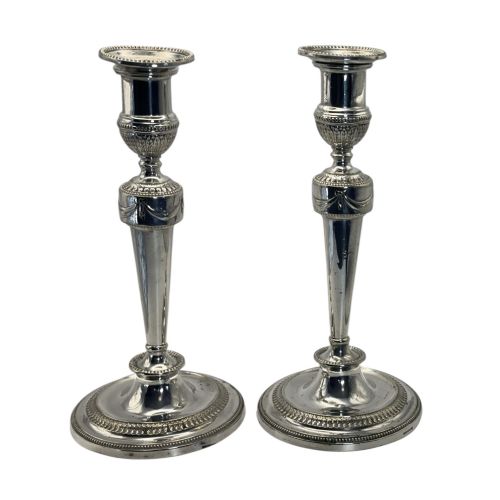
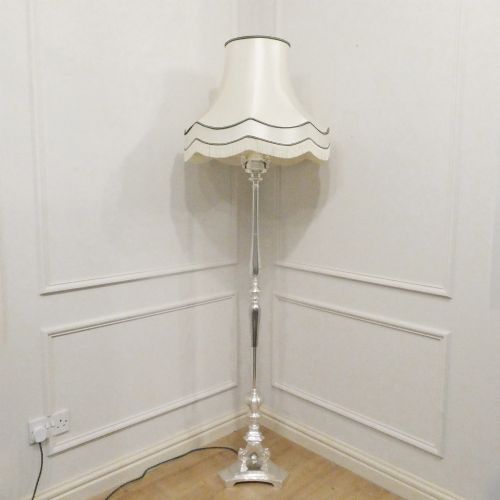
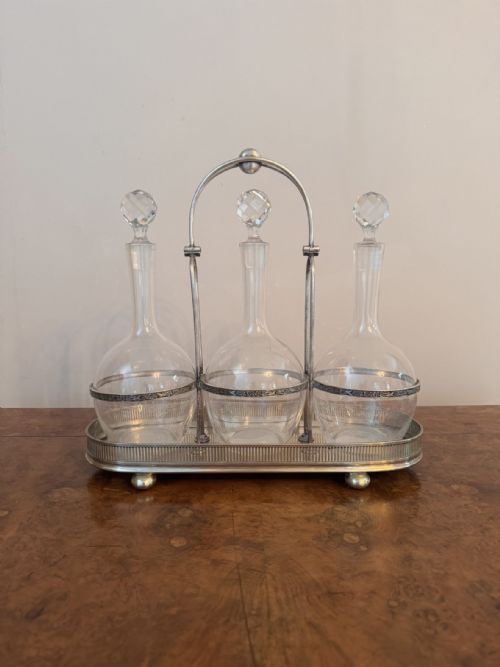
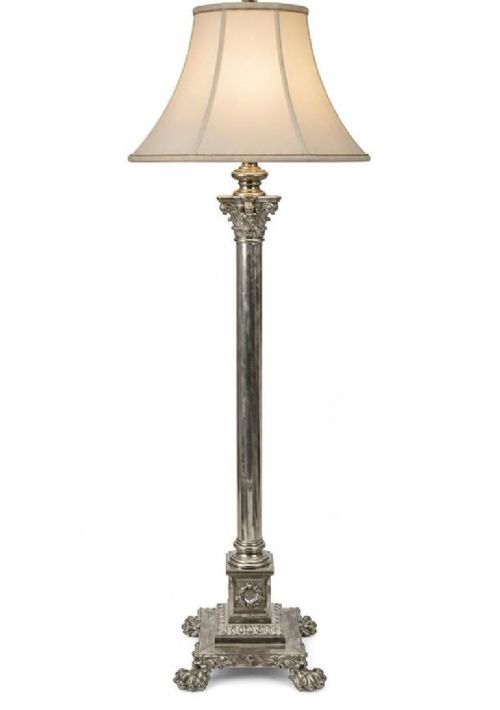
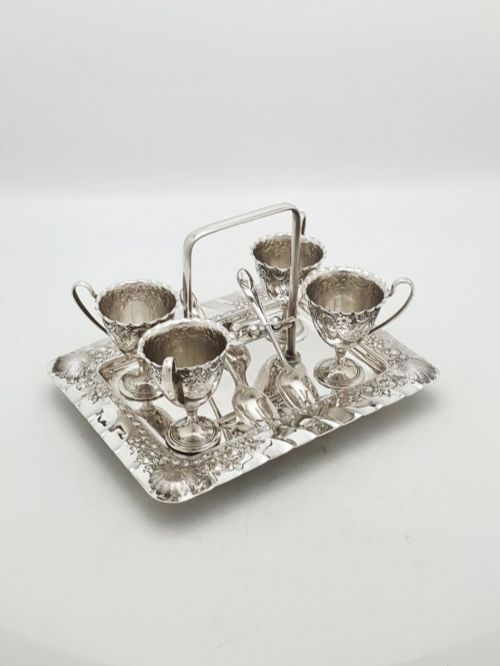
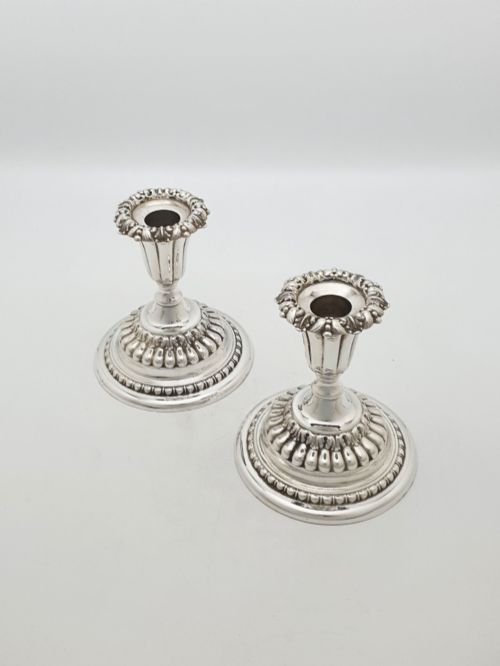
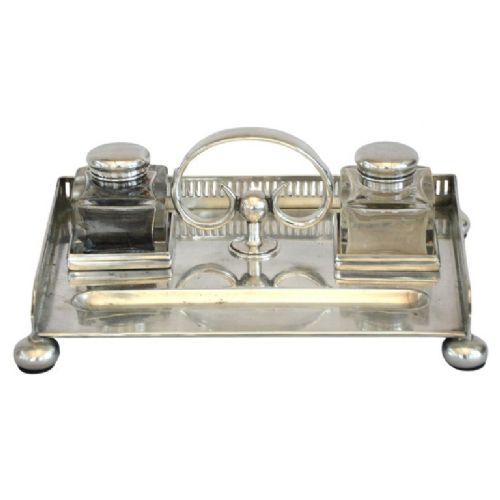
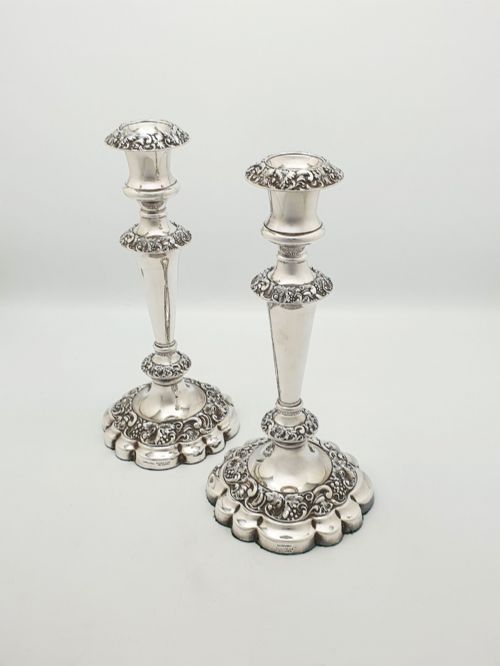
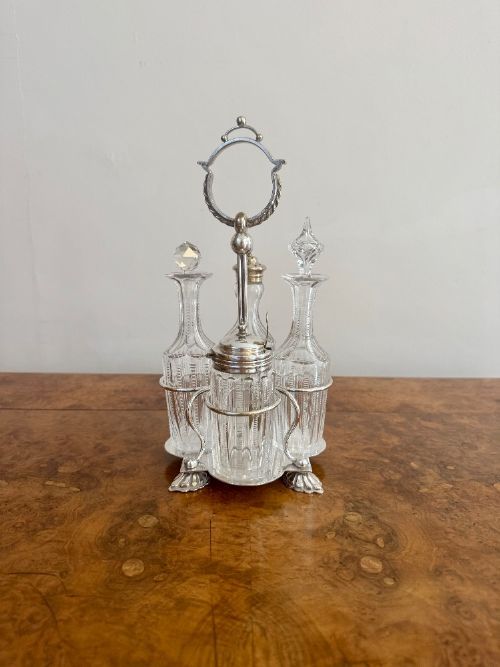
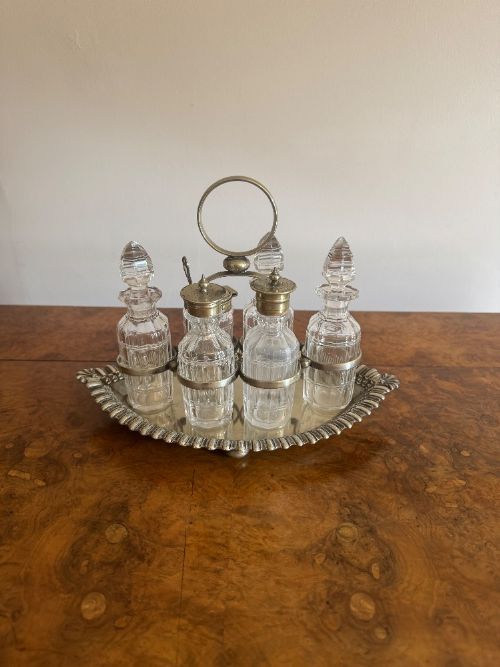
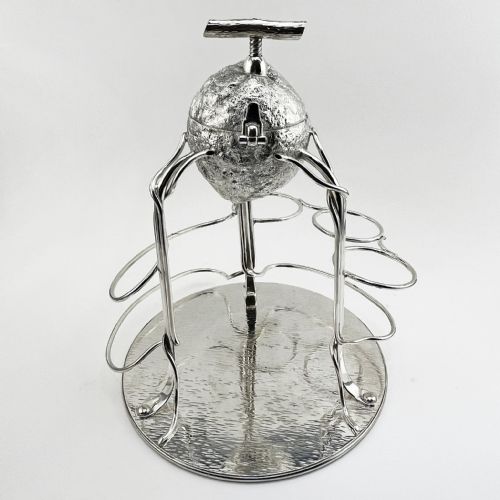
When searching for an edwardian silver plated stand, buyers encounter a diverse selection of serving vessels, lighting supports, and desk accessories originating from the late nineteenth and early twentieth centuries. These pieces encompass elaborate spirit kettles on burner stands, multi-bottle cruet sets, cake stands, and supportive frames for decanters.
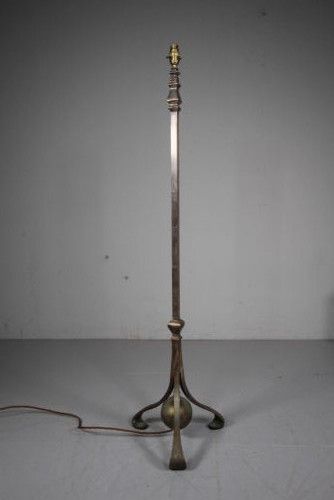
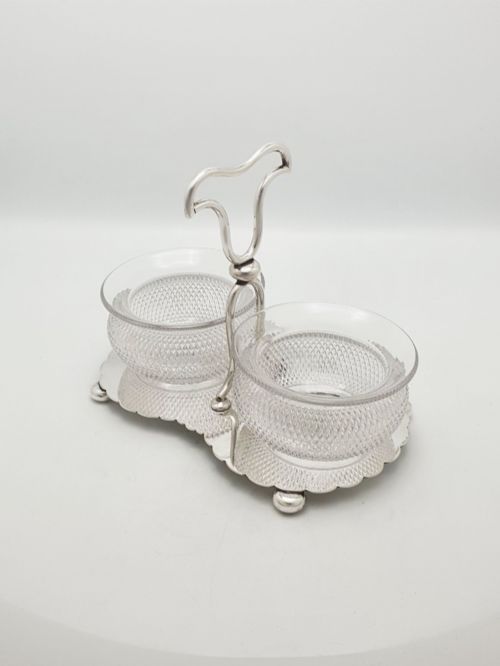
The objects stem predominantly from the Edwardian era, alongside late Victorian and early Art Deco periods, reflecting the formal dining and entertaining habits of the period. Forms range from low condiment holders with twin glass bowls to towering floor lamps and tiered pastry servers.
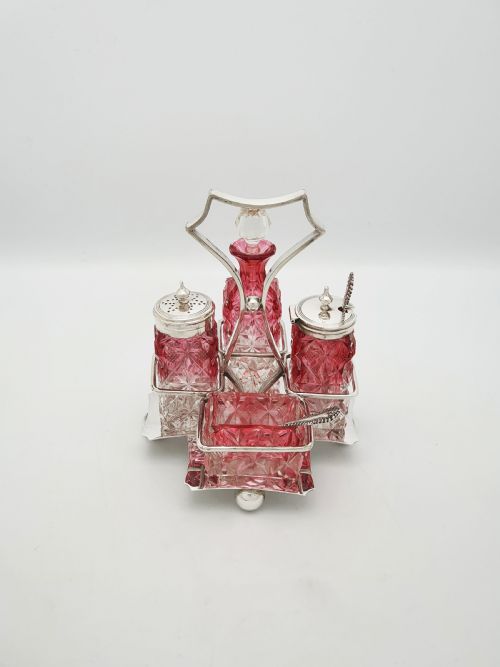
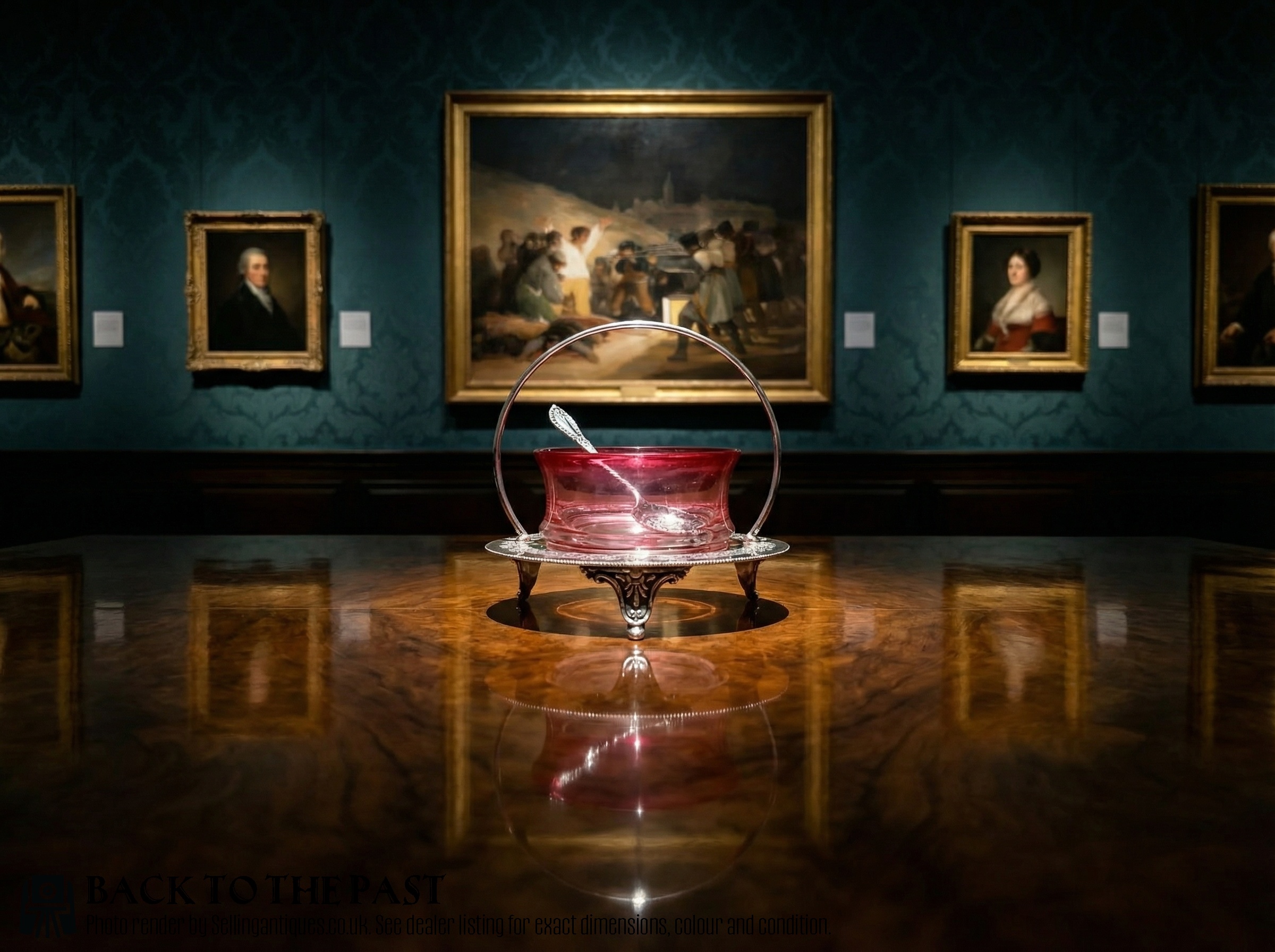
Many items incorporate functional elements such as adjustable heights, original burners, or fitted glass inserts made of cranberry and amber glass. The variety demonstrates the versatility of electroplated metal combined with decorative arts of the period.

Materials and Techniques
Makers utilised electroplated nickel silver and standard silver plate over base metals, providing the appearance of solid silver alongside structural rigidity. This plating technique allowed manufacturers to apply ornamentation evenly across complex, embossed, and pierced surfaces.
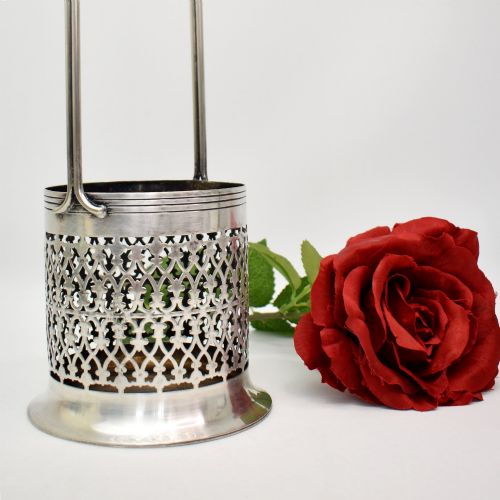
Compositions frequently pair the metallic framework with heavy cut glass, moulded vaseline glass, or flash cranberry glass inserts. Additional materials like oak, mahogany, and brass appear in specific utility forms such as wine coasters, ink stands, and tantalus frames.
Edwardian Silver Plated Stand Retail Price Guide 2026
Typical asking prices for edwardian silver plated stand among the pieces listed under this phrase on Sellingantiques today, from the lower quarter to the upper quarter. They describe what is for sale here now, not the wider market.
Some stands came equipped with tiny spirit burners just eager to keep your afternoon tea piping hot.
Assessing Quality
Distinction across the range lies in the crispness of the embossing, the weight of the base metal, and the integration of original glass components. Pieces retaining their matching cut glass bottles, burners, or original ceramic plates demonstrate higher integrity than those assembled later from mismatched parts.
The refinement of the plating layer and the delicacy of pierced or reticulated gallery work further separate standard utility pieces from exhibition examples. Makers known for superior manufacturing standards invested heavily in thick plate layers and robust structural joints that endure through daily use.
Mappin And Webb·Walker And Hall·Hukin And Heath·Brook And Son Edinburgh·Doulton Burslem
The Edwardian Silver Plated Stand Glossary
- Cruet set
- A matched collection of glass bottles or jars held within a dedicated metal frame for condiments and sauces. These sets frequently include mustard pots, oil and vinegar cruets, and pepper shakers.
- Spirit kettle
- A decorative water kettle suspended above a small methylated spirit burner on a metal stand. They allowed hosts to maintain hot water for tea at the dining or drawing room table.
- Tantalus
- A locking wooden or metal frame enclosing decanters to prevent unauthorized access to the contents while displaying the glass. The bottles cannot be removed until the locking bar is released with a key.
- Electroplated nickel silver
- A base metal alloy of copper, nickel, and zinc coated with a thin layer of pure silver through an electrical process. This method became the dominant industrial standard for producing durable silver-finished tableware.
- Reticulated
- Openwork metal decoration formed by piercing a pattern through a sheet of silver plate. This technique lightened the visual weight of trays, cake stands, and dish galleries.
Edwardian Silver Plated Stand: Frequently Asked Questions
What is an edwardian silver plated stand used for?
These stands served diverse domestic functions, primarily holding condiments, decanters, spirit kettles, or cakes during formal entertaining. They provided a secure, decorative base for delicate glass and ceramic vessels on the dining table or sideboard.
Over time, many transitioned from active dining service to decorative display pieces within period interiors. Their robust construction allows them to continue functioning in modern homes for serving or organising small items.
How do I clean silver plate safely?
Cleaning requires warm water, mild soap, and a soft cloth to remove everyday dust and tarnishing without stripping the thin silver layer. A specialist silver polishing cream applied gently will restore the shine without resorting to harsh abrasives.
Harsh chemical dips and abrasive scouring pads must be avoided because they wear away the electroplated surface permanently. Care should also be taken around glass inserts and wooden components to keep cleaning agents off non-metal materials.
How can I tell if a piece is Edwardian?
Edwardian items typically display specific stylistic traits rooted in the early twentieth century, drawing on Neoclassical and Rococo revival motifs. Maker marks, registry numbers, and stylistic cues like embossed floral swags often point directly to this period.
Construction methods also help with dating, as early twentieth-century pieces rely heavily on electroplated nickel silver and machine-assisted finishing. Comparing the design against known catalogues from firms active in 1900 provides further confirmation.
Are the glass inserts usually original?
Many surviving pieces retain their fitted glass bowls, decanters, or condiment bottles, though replacements do occur due to accidental breakage over the decades. Original glass often matches the exact contours and collar dimensions of the metal frame.
Collectors look for consistency in glass colour, such as matching cranberry or amber hues across multi-bottle sets. Minor bubbles or irregularities in the glass further support period authenticity.