


Silver Plated Mustard Pot
A silver plated mustard pot is a handsome table accessory, bringing Victorian and Edwardian dining charm to your home.
Silver Plated Mustard Pot
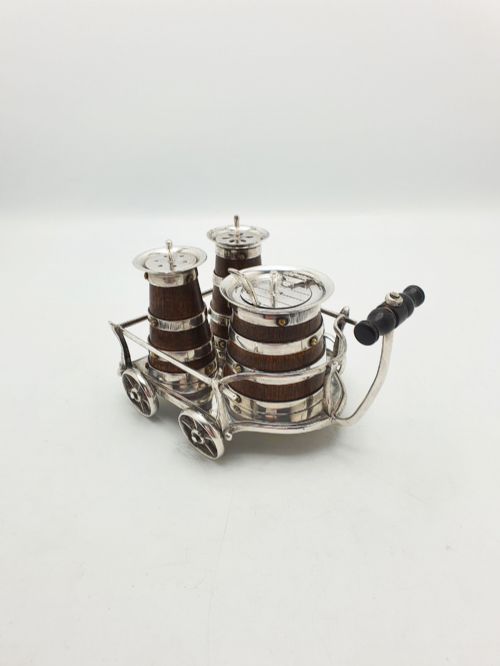
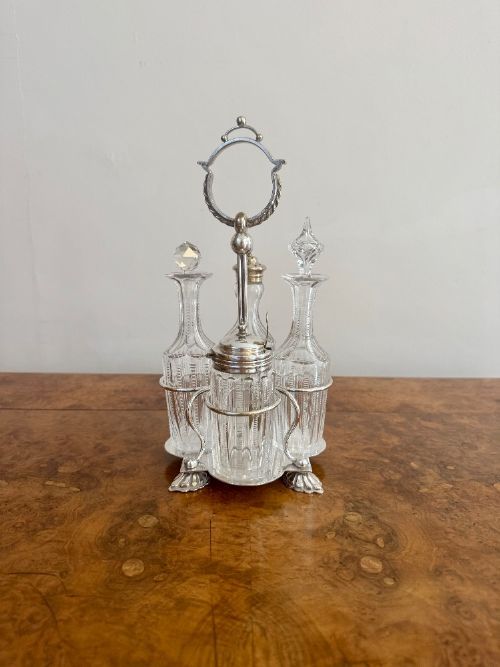
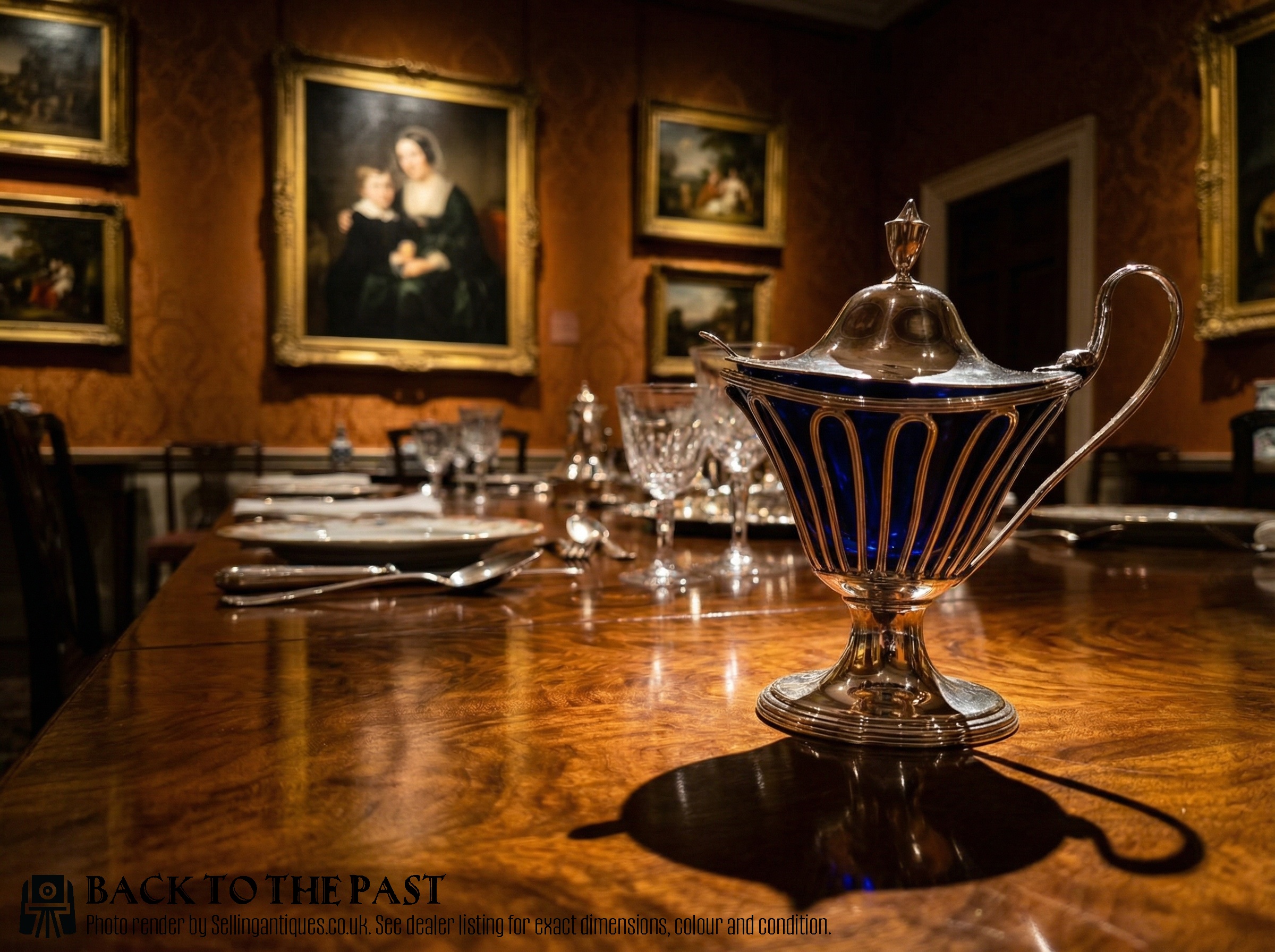
A silver plated mustard pot serves as a traditional table condiment container, often found within larger cruet sets or as an individual piece on the dining table. These pieces date from the Victorian and Edwardian eras, reflecting the period's fondness for detailed table service.
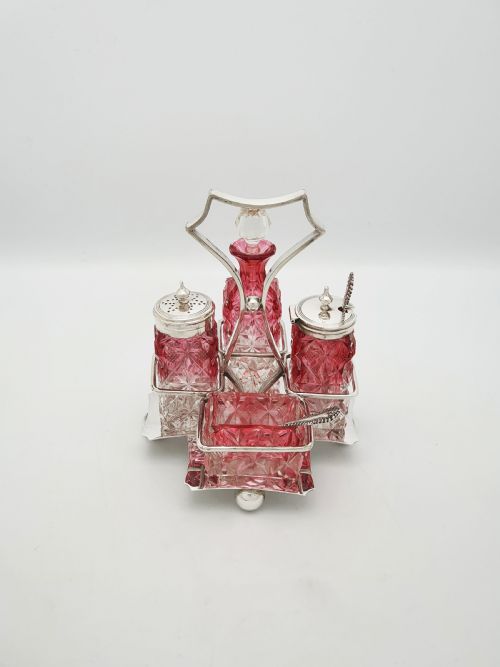
You are most likely to meet examples in silver plate alongside cut glass, oak, and cranberry glass variations. Many incorporate hinged lids and delicate glass liners to hold the mustard safely.

How they were made
Silversmiths utilised durable base metals coated in a layer of silver plate to achieve a polished finish without the cost of solid silver. Cut glass and cranberry glass inserts were frequently blown and wheel-cut to fit precisely within the metal framework.
Wooden elements such as oak and walnut appear in related condiment holders, joined by wirework stands and brass fittings. Novelty pieces demanded skilled metal manipulation to shape miniature barrels, carriages, and farmyard scenes.
What varies in quality
The standard of silver plating and the crispness of the surrounding metalwork distinguish finer examples from standard production pieces. Heavier gauge metal and smooth hinge mechanisms indicate superior craftsmanship.
The quality of the glass insert matters greatly, with hand-cut crystal and flashed cranberry glass representing the upper tier of production. Novelty forms with intricate figurative details command attention for their sculptural ambition.
Mappin Brothers
The Silver Plated Mustard Pot Glossary
- Silver Plate
- A base metal coated with a thin layer of silver. This technique provided the lustrous appearance of solid silver at a more accessible cost for nineteenth-century households.
- Cruet Set
- A collection of glass bottles or pots for condiments housed in a dedicated stand. These sets typically held mustard, vinegar, oil, pepper, and salt.
- Condiment Holder
- A frame or stand designed to secure various condiment containers on the dining table. They frequently incorporate handles for easy passing.
Silver Plated Mustard Pot: Frequently Asked Questions
How do I clean a silver plated mustard pot?
Use a soft cloth and a specialised silver polish designed for plated items to gently remove tarnish. Avoid harsh abrasives that might wear away the thin silver layer over time.
Take care to remove any glass liner before cleaning the metal frame to prevent moisture getting trapped underneath.
Are these mustard pots safe to use daily?
Most antique pieces function well for modern dining if handled with reasonable care. Ensure any vintage glass liner is clean and free from cracks before putting condiments inside.
Hand washing is essential to preserve the delicate plating and any historical glass inserts.
How can I tell Victorian from Edwardian pieces?
Victorian examples often display heavier, more ornate ornamentation with elaborate floral or geometric engraving. Edwardian pieces generally lean towards lighter, more restrained designs reflecting changing aesthetic tastes.
Hallmarks and registration numbers on the metalwork can also provide a clearer indication of the exact decade of manufacture.
What is a novelty mustard pot?
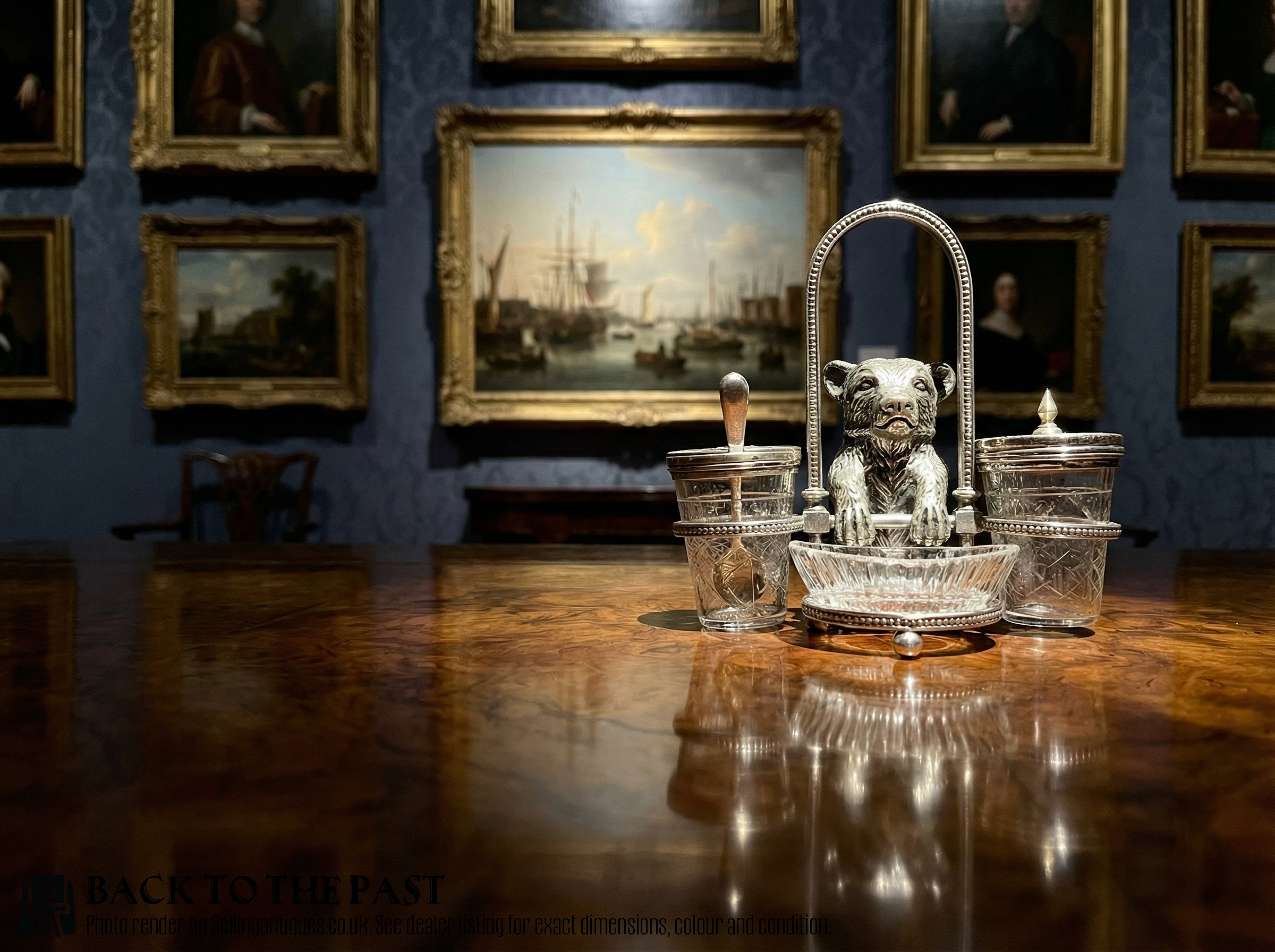
A novelty pot is designed in an amusing or unusual shape, such as a barrel, animal, or carriage. These whimsical items were popular conversation pieces at formal nineteenth-century dinner parties.
Makers used clever engineering to conceal the functional container within an unexpected sculptural object.